
Efficient Strategies for SMT Board Assembly in Electronics Production
Key Takeaways
In the rapidly evolving world of electronics production, mastering SMT board assembly techniques is crucial for thriving in a competitive marketplace. The key to successful pcb assembly lies in understanding the fundamental processes and integrating innovative strategies. For instance, employing advanced automation technologies can significantly enhance overall efficiency, allowing for quicker turnaround times and reduced manual labor. Alongside this, continual improvements in accuracy are essential; precision placement of components on the pcba is vital in minimizing defects and ensuring product reliability.
Moreover, achieving cost-effectiveness is a necessity—not only through the use of economical components but also by optimizing material flow and reducing waste during the assembly process. Quality control should never be an afterthought; employing robust quality assurance practices ensures that each SMT board assembly meets stringent industry standards. Identifying and addressing common challenges within the pcb assembly process can lead to smoother operations and tangible gains in productivity.
The following table illustrates key strategies that contribute to an efficient SMT board assembly:
| Strategy | Description |
|---|---|
| Advanced Automation | Uses robotic systems to enhance speed and precision |
| Process Optimization | Streamlines workflows to reduce cycle times |
| Regular Maintenance Checks | Ensures machinery operates at peak efficiency |
| Training Programs | Equips workers with necessary skills for effective operations |
By implementing these approaches, manufacturers can stay ahead of industry trends while delivering high-quality products that meet customer expectations.
Understanding SMT Board Assembly: An Overview
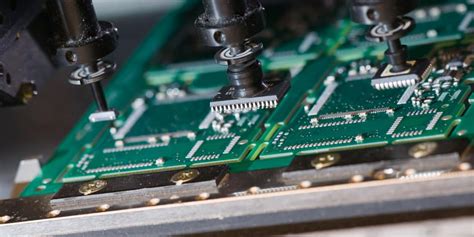
Surface Mount Technology (SMT) is a pivotal aspect of PCB assembly, allowing for the efficient integration of components onto a printed circuit board (PCB). In this, small components are mounted directly onto the surface of the PCB, contrasting with traditional through-hole technology. This innovative approach has revolutionized product design and production methods, enabling manufacturers to achieve higher density and smaller sizes in electronic devices. The process is characterized by its speed and effectiveness, significantly enhancing productivity in electronics production. Understanding the fundamentals of SMT board assembly is essential for any organization aiming to stay competitive in a fast-evolving market. Key factors contributing to its growth include improved accuracy and reduced costs, alongside the flexibility it offers for complex component placements. Emphasizing methodologies that promote an efficient workflow can dramatically influence overall performance metrics, particularly in mass production scenarios. As electronics markets expand globally and consumer demand increases, mastery over SMT processes and strategies becomes not only beneficial but critical for open pathways toward innovation and excellence in PCBA outcomes.
Key Techniques to Enhance Speed in SMT Assembly
In the fast-paced world of electronics production, enhancing speed in SMT board assembly is paramount for maintaining a competitive edge. One of the primary strategies involves optimizing the pcb assembly process through the use of efficient printed circuit board assembly (PCBA) techniques. By streamlining the layout design and utilizing advanced software tools, manufacturers can reduce setup times and improve flow during assembly.
Additionally, careful selection and placement of components are crucial; organizing components logically can minimize unnecessary movement and handling. The implementation of high-speed placement machines also plays a significant role in achieving speed enhancements. These machines are designed to work with precision at rapid rates, ensuring that components are placed accurately while maintaining a high throughput.
Moreover, embracing automated optical inspection (AOI) technologies ensures that errors are caught early in the process, thus reducing rework and contributing to overall efficiency. A focus on lean manufacturing principles can further promote speed, eliminating wasteful practices and optimizing workflow.
“The key to improving speed is not just about faster machines but also about smarter processes.”
By continually analyzing performance metrics and implementing adaptive measures based on real-time data, companies can achieve sustained improvements in their SMT assembly operations. Integrating these techniques ultimately leads to a more efficient pcb assembly system that supports higher production volumes while retaining quality standards essential for market success.
Improving Accuracy in Electronics Production
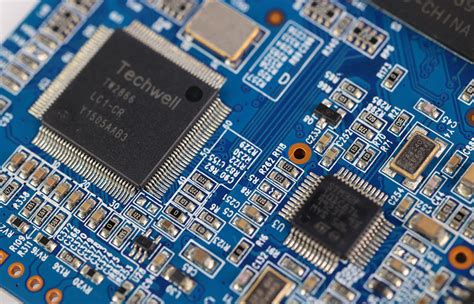
Achieving accuracy in electronics production, particularly during SMT board assembly or pcb assembly, is paramount for creating high-quality products. One effective strategy includes calibrating equipment meticulously and regularly, ensuring that all machinery operates within specified tolerances to reduce errors. Implementing advanced technologies, such as machine vision systems, can greatly enhance the precision of component placement on the pcba. Furthermore, adopting a systematic approach to training operators on best practices not only improves their skills but also reduces the likelihood of human error in assembly processes. Another crucial aspect is maintaining an organized workspace; clutter-free environments promote more efficient workflows and minimize mistakes. Utilizing sophisticated software for real-time monitoring can help identify potential issues before they escalate into costly problems. Additionally, regular audits and performance reviews of the assembly line can ensure adherence to quality standards and facilitate continuous improvements in accuracy. By focusing on these elements, manufacturers can significantly bolster the precision of their SMT board assembly, ultimately enhancing overall product quality and customer satisfaction.
Cost-Effective Approaches for SMT Board Assembly
In today’s competitive electronics market, adopting cost-effective approaches for SMT board assembly can significantly optimize production processes. One of the key strategies involves the careful selection of materials used in pcb assembly. By sourcing high-quality components that strike a balance between performance and price, manufacturers can reduce waste and enhance overall efficiency. Furthermore, leveraging automation technology during the production phases can lead to notable savings; machines equipped with intelligent systems can manage tasks with precision, which decreases labor costs and minimizes human error during the assembly of pcba.
Implementing Lean manufacturing principles is another effective method; this includes streamlining workflows and reducing unnecessary steps in the production line. Regular training sessions for staff on the latest techniques and equipment used in SMT assembly can also increase productivity while promoting a culture of continuous improvement. Moreover, investing in proper maintenance schedules for machines helps prevent unplanned downtimes that can hinder the cost-effectiveness of operations.
Exploring collaboration opportunities with suppliers to negotiate bulk purchasing deals further supports financial savings. Routine assessments of process efficiency are vital to identify areas where costs may be reduced without compromising quality, thus ensuring that the final product remains competitive in terms of pricing and reliability. Implementing these approaches not only supports cost reduction efforts but also aids in establishing a robust foundation for long-term success in electronics production.

The Role of Automation in SMT Processes
Automation plays a pivotal role in SMT board assembly (Surface Mount Technology), significantly transforming the landscape of pcb assembly and enhancing the overall efficiency of electronics production. By integrating sophisticated robotic systems and automated machinery, manufacturers can achieve high-speed production, which is essential in meeting the growing demand for pcba (Printed Circuit Board Assembly). Through automation, the precision of component placement is improved, reducing the likelihood of human error and ensuring accuracy in every unit produced. Moreover, automated processes allow for real-time monitoring and adjustments during manufacturing, further boosting both efficiency and reliability. Implementing automated systems not only streamlines operations but also contributes to significant cost reductions in terms of labor and material waste. As manufacturers continue to adopt these advanced technologies, the entire SMT assembly process becomes more agile and responsive to market shifts, setting a new standard for productivity in pcb assembly.
Quality Control Strategies for Enhanced Performance
In the realm of SMT board assembly, maintaining rigorous quality control is essential for ensuring optimal performance in pcb assembly processes. Implementing comprehensive quality control strategies not only enhances the end product but also streamlines overall production efficiency. One effective approach is the integration of statistical process control (SPC), which allows for real-time monitoring and analysis of pcba metrics throughout the assembly line. Utilizing automated inspection systems, such as automated optical inspection (AOI), can significantly reduce human error and ensure that components are accurately placed and soldered, further elevating the reliability of the filled boards.
Additionally, conducting regular failure mode and effects analysis (FMEA) can proactively identify potential defects in the assembly process before they escalate into larger problems. Training personnel on best practices in both operational procedures and equipment handling can also contribute to maintaining high standards of production quality. By fostering a culture that prioritizes quality control, manufacturers can achieve reduced rework costs, lower warranty claims, and ultimately, a superior product that meets stringent market demands. In pcb assembly, where precision is paramount, enhancing quality through systematic approaches ensures both customer satisfaction and competitive advantage in an ever-evolving electronics landscape.
Common Challenges in SMT Assembly and Solutions
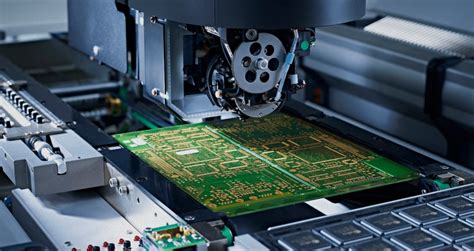
The SMT board assembly process is an essential aspect of pcb assembly, but it often faces a range of challenges that can impact production efficiency and quality. One significant issue is the alignment of components during placement, which can lead to defects in the finished product if not carefully managed. Implementing advanced optical inspection systems can help detect misalignments early, thus reducing the rate of defective PCBA units. Another common challenge is managing the thermal profile during soldering, which is critical for ensuring good connections. To combat this, manufacturers are increasingly utilizing thermal profiling software to analyze and adjust temperatures throughout the soldering process, ensuring optimal conditions are maintained for all components.
Additionally, component availability and supply chain disruptions can pose obstacles in maintaining a consistent production schedule for SMT assembly. In response to this, companies are adopting more robust supply chain strategies, such as diversifying their supplier base and investing in excess inventory for critical components. Lastly, operator training plays a crucial role; poorly trained personnel can increase error rates significantly. Therefore, implementing comprehensive training programs that emphasize hands-on experience with both manual and automated systems ensures that operators are well-equipped to handle various aspects of pcb assembly efficiently.
By addressing these challenges head-on with targeted solutions, organizations can significantly improve their SMT processes and ultimately enhance their overall manufacturing performance.
Future Trends in SMT Board Assembly Technology
The landscape of SMT board assembly (Surface Mount Technology) is constantly evolving, driven by rapid technological advancements and the increasing demand for efficient production methods. One of the prominent future trends is the integration of Artificial Intelligence (AI) and machine learning into pcb assembly processes, which can significantly enhance the predictive maintenance of assembly machinery. By utilizing AI, manufacturers can optimize production schedules, leading to heightened efficiency and reduced downtime.
Additionally, the rise of Industry 4.0 principles is fostering greater connectivity among machines and systems in pcba operations. This networking capability allows for real-time monitoring and data analysis, which can help pinpoint issues before they escalate into costly interruptions. In parallel, the demand for miniaturization is pushing towards even smaller components on PCBs (Printed Circuit Boards), necessitating advancements in precise placement technologies.
The usage of automated inspection systems equipped with advanced imaging capabilities is also becoming a standard practice for ensuring superior quality control throughout the manufacturing process. These systems can detect defects at a speed and accuracy unattainable by human operators alone.
Lastly, sustainability initiatives are increasingly influencing SMT assembly technologies. Innovations aimed at reducing waste, energy consumption, and utilizing eco-friendly materials are essential as manufacturers respond to both regulatory pressures and consumer preferences for environmentally-friendly products. As such changes continue to materialize, staying updated on these future trends will be vital for companies aiming to remain competitive in the fast-paced world of SMT board assembly.
Conclusion
In the dynamic landscape of electronics production, the significance of SMT board assembly cannot be overstated. The evolution of pcb assembly techniques reflects the industry’s pursuit of higher efficiency, precision, and cost-effectiveness. Implementing innovative methods such as advanced pcba technologies and automation systems enhances not only the speed but also the overall reliability of assemblies. Moreover, by focusing on quality control strategies and addressing common challenges, manufacturers can significantly improve their production outcomes. As we move forward, understanding and adapting to future trends in SMT board assembly will be essential for maintaining competitiveness in a rapidly changing market. By adopting these strategies, companies can ensure that their processes remain streamlined and responsive to both current demands and future developments in electronics manufacturing.
FAQs
What is SMT board assembly?
SMT board assembly, or Surface Mount Technology (SMT) assembly, refers to the process of mounting electronic components directly onto the surface of printed circuit boards (pcbs). This technology has revolutionized electronics production by allowing for higher component density and improved performance.
How does SMT assembly differ from traditional methods?
Unlike traditional through-hole techniques, SMT assembly utilizes smaller components and does not require drilling holes into the pcb. This enhances the overall design flexibility and allows for more compact devices, which is crucial in today’s miniaturized electronic products.
What are the benefits of using SMT in electronics manufacturing?
The main benefits include increased production speed, enhanced accuracy, and superior cost-effectiveness. Automated machines involved in pcba (printed circuit board assembly) can assemble components at a much faster rate than manual methods, minimizing human error and improving overall quality.
What challenges might arise during SMT board assembly?
Common challenges include issues related to component misalignment, solder joint reliability, and thermal management. Addressing these issues often involves adopting specific quality control strategies throughout the pcb assembly process, thereby ensuring optimal performance.
Are there innovations in SMT technology worth noting?
Yes, recent advancements in automation, AI integration, and advanced materials have significantly improved SMT processes, making them even more efficient. These innovations focus on enhancing speed and accuracy while reducing costs associated with manufacturing.
For more insights on pcb assembly, including innovative techniques that can support your electronics production needs, please click here: Andwin PCB Assembly.