
Understanding Contract PCB Assembly for Your Business Needs

Key Takeaways
Understanding contract PCB assembly is crucial for businesses seeking to enhance their operational efficiency and product quality. Engaging in pcb assembly through a specialized partner can lead to numerous benefits, including cost savings, access to advanced technology, and the ability to focus on core business activities. The pcba process typically involves several key stages, from design and prototyping to manufacturing and testing. Businesses can maximize the potential of their contract PCB assembly by adopting best practices such as thorough planning, efficient communication with partners, and continuous feedback during production. It is essential for companies to carefully consider factors such as partner expertise, production capacity, and technological capabilities when selecting a pcb assembly service provider. As competition increases, staying informed about the latest advancements in technology and industry trends will further empower businesses to enhance their assemblies. These critical insights not only improve collaboration with manufacturers but also ensure that the final products meet customer demands and maintain high standards of quality. By effectively navigating these elements, companies can optimize their production processes for superior outcomes in the ever-evolving landscape of circuit board manufacturing.
Introduction to Contract PCB Assembly: What You Need to Know
Contract PCB assembly—or PCBA—is a vital service that streamlines the manufacturing process for electronic products. By opting for contract PCB assembly, businesses can leverage the expertise and resources of specialized firms dedicated to high-quality production. This approach not only reduces overhead costs but also enhances efficiency, allowing companies to focus on their core competencies.
The process of contract PCB assembly typically involves several stages, from initial design through to final quality testing. The service provider typically works closely with clients, ensuring that their specifications are met and that the finished product aligns with industry standards. This collaboration is crucial for achieving superior results and minimizing delays in production.
When selecting a contract PCB assembly partner, businesses should consider multiple factors, including experience, capabilities, and reputation in the industry. A well-chosen partner can dramatically improve production timelines and product reliability. Moreover, incorporating modern technology into the PCBA process, such as automated equipment or advanced testing methods, can further enhance quality.
Understanding these principles not only equips businesses with the knowledge needed to make informed decisions but also positions them strategically within a competitive landscape. With careful planning and the right partner in place, companies can optimize their production processes and achieve exceptional outcomes in their electronic manufacturing pursuits.
| Key Considerations | Importance |
|---|---|
| Experience | Ensures quality control and risk mitigation |
| Capabilities | Determines range of services offered |
| Reputation | Indicates trustworthiness and reliability |
| Technology | Influences efficiency and product quality |
Benefits of Contract PCB Assembly for Your Business
Engaging in contract PCB assembly offers numerous advantages that can significantly enhance your business operations. Firstly, outsourcing your PCB assembly needs allows you to focus on your core competencies, thereby improving your overall productivity. By relying on experts who specialize in PCBA, you can ensure higher quality and precision in the assembly process. Cost-effectiveness is another key benefit; contract manufacturing often reduces overhead by eliminating the need for expensive equipment, facilities, and labor costs associated with in-house production.
Moreover, collaborating with an established contract manufacturer provides access to the latest technologies and processes which can fortify your product offerings. “Innovative approaches often lead to enhanced performance,” as stated by industry leaders who emphasize the importance of aligning with technologically adept partners in the field of PCB assembly. This partnership not only streamlines production but also facilitates quicker time-to-market for new products.
Furthermore, flexibility is a notable advantage of contract PCB assembly. Companies can scale production volumes easily depending on demand without the risks associated with maintaining excess capacity. This adaptability is crucial in today’s fast-paced business environment where consumer needs constantly evolve.
In essence, utilizing contract PCB assembly services can lead to improved efficiency, reduced costs, higher quality products, and greater flexibility—all vital elements for sustaining competitive advantage in the market. Embracing these benefits will enable businesses to optimize their operations while maintaining a sharp focus on growth and innovation.
The PCB Assembly Process: A Step-by-Step Guide
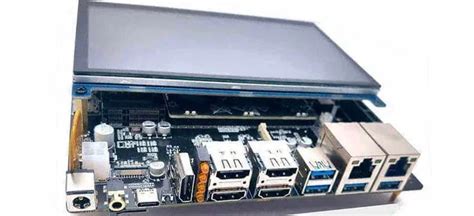
The pcb assembly process is critical for businesses looking to bring their electronic products to market efficiently. It typically begins with the design phase, where engineers create detailed schematics and layouts, ensuring that all components are placed accurately. Following this, the pcba process involves sourcing the necessary components, which can range from resistors to integrated circuits. Once the materials are acquired, the actual assembly takes place, which may include techniques such as surface-mount technology (SMT) and through-hole assembly. After assembling the components onto the printed circuit board, rigorous testing is conducted to confirm functionality and reliability. This includes visual inspections, automated optical inspections (AOI), and various electronic tests. The final steps include packaging and shipment of the completed assemblies to clients or distributors. Mastering this pcb assembly process not only ensures quality but also aids in meeting market demands swiftly while optimizing production costs. By understanding each step involved in pcba, businesses can make informed decisions that will enhance their operational efficiency and product quality significantly.

Key Factors in Choosing the Right PCB Assembly Partner
When selecting a partner for contract PCB assembly, businesses must consider several critical factors to ensure successful collaboration and optimal outcomes. First and foremost, the expertise and experience of the potential partner should be thoroughly evaluated. A company with a proven track record in PCB assembly is more likely to understand the complexities involved in the process, thus aligning with your specific requirements effectively. Additionally, it is essential to assess their capabilities, including their ability to handle various design complexities, production volumes, and technology implementations.
Another significant aspect is the quality assurance processes employed by the partner. The presence of robust quality control measures is vital for minimizing defects in your final product. Prioritize partners who adhere to industry standards and possess relevant certifications that reflect their commitment to quality in pcba production.
Moreover, communication plays a crucial role in maintaining transparency throughout the assembly process. A reliable partner should be easy to communicate with, providing regular updates and being responsive to your concerns. Lastly, consider cost-effectiveness; while it may be tempting to choose the lowest bid, quality should never be compromised for price. Establishing a partnership with a capable PCB assembly provider can lead to enhanced efficiency and better overall results for your business operations.

Maximizing Efficiency: Best Practices for PCB Production
To achieve optimal results in PCB assembly, it is crucial to implement best practices that enhance efficiency and reduce waste. First and foremost, detailed planning of the production process is vital; this involves designing a comprehensive workflow that minimizes delays. Utilizing advanced technology such as automated assembly equipment can streamline operations and boost precision during the PCBA process. Additionally, ensuring that your components are of high quality contributes significantly to a smoother production cycle, thus reducing the likelihood of defects.
Collaboration and communication with all stakeholders—whether they are engineers, suppliers, or production teams—can lead to more cohesive project management. Establishing clear channels for feedback helps in quickly identifying bottlenecks or issues that may arise during assembly. Embracing practices such as lean manufacturing can lead to more sustainable operations; by focusing on value-added activities and eliminating non-value-added steps, you can significantly increase overall productivity.
Finally, regularly evaluating the production metrics allows you to continuously improve your PCB assembly processes. Identifying patterns in cycle times, defect rates, and resource utilization can provide valuable insights to help refine your approach over time. By following these best practices, businesses can maximize efficiency in PCBA production while enhancing quality and reducing costs.
Technology and Innovation in Contract PCB Assembly
In today’s competitive landscape, technology and innovation play pivotal roles in enhancing the efficiency and effectiveness of contract PCB assembly (often referred to as PCBA). As businesses increasingly rely on sophisticated electronic devices, the pcb assembly process has evolved to integrate advanced technologies that streamline production, improve quality, and reduce lead times. For instance, automation has transformed traditional assembly methods; robotic systems can now execute complex tasks with precision, resulting in lower error rates and higher throughput. Moreover, the adoption of smart manufacturing principles enables real-time monitoring of production lines, allowing businesses to swiftly address any potential issues before they escalate into larger problems. This agile approach not only enhances the overall quality of PCBA but also increases flexibility in responding to market demands. Furthermore, emerging technologies such as artificial intelligence (AI) and machine learning are being utilized to predict failures and optimize design processes, ensuring that every aspect of the pcb assembly is finely tuned for peak performance. By embracing these innovations, companies can significantly bolster their productivity while maintaining a focus on quality—all critical factors for thriving in today’s fast-paced electronics market.
Common Challenges in Contract PCB Assembly and How to Overcome Them
In the world of contract PCB assembly, numerous challenges may arise that can affect the efficiency and quality of the production process. One of the most prevalent issues is ensuring quality control throughout various stages of assembly. To overcome this, businesses should implement robust inspection protocols and leverage technology such as automated optical inspection (AOI) systems, which can promptly identify defects in PCBAs before they lead to larger issues. Another significant challenge is communication gaps between clients and assembly partners, which can result in misaligned objectives or specifications. Building a solid partnership characterized by regular updates and feedback can effectively minimize these gaps, ensuring that both parties remain aligned throughout the process.
Cost management also poses a significant challenge, particularly when balancing quality with budget constraints. To navigate this issue, it’s vital to have a clear understanding of the project’s scope and to engage in transparent discussions about costs with your PCB assembly partner. This approach not only allows for better budget control but also helps prioritize which aspects of production can be optimized without sacrificing quality.
Lastly, navigating supply chain disruptions is increasingly becoming a challenge due to global uncertainties. Businesses should consider diversifying their supplier base while maintaining strong relationships with key suppliers to enhance resilience against potential disruptions. By proactively addressing these common challenges in contract PCB assembly, businesses can not only streamline their processes but also ensure a more successful partnership with their PCBA providers, leading to superior results in their operations.

Future Trends in Contract PCB Assembly and Their Impact on Businesses
The landscape of contract PCB assembly (PCBA) is continuously evolving, driven by advancements in technology and shifting market demands. One of the most notable trends is the integration of automation and artificial intelligence into the PCB assembly process, which enhances efficiency and accuracy, thereby reducing production time and costs. As companies increasingly prioritize speed to market, these technological innovations can lead to more streamlined operations and better resource allocation. Additionally, the rising demand for high-quality printed circuit boards necessitates a focus on precision manufacturing methods that decrease error rates in production. Another significant trend is the shift towards environmentally sustainable practices within contract PCB assembly, which is becoming important as businesses seek to minimize their ecological footprints. This includes adopting materials that are less harmful to the environment and implementing energy-efficient processes to meet regulatory standards and customer expectations. Furthermore, as IoT devices proliferate across industries, companies are seeking PCB assembly partners capable of managing complex assemblies that encompass advanced functionalities such as connectivity and smart features. By staying attuned to these trends, businesses can not only enhance their product offerings but also strengthen their competitive positions in a rapidly changing marketplace.
Conclusion
In the realm of modern manufacturing, contract PCB assembly has emerged as a pivotal solution for businesses seeking efficiency and quality in their electronic production processes. By outsourcing PCB assembly tasks, companies can leverage specialized expertise and advanced technologies, resulting in improved production efficiency and reduced costs. When engaging in a pcba partnership, it’s crucial to consider various factors such as the assembly partner’s quality standards, technological capabilities, and reliability to ensure alignment with your specific business goals. The benefits of contract PCB assembly extend beyond mere cost savings; they include enhanced flexibility in scaling operations and access to cutting-edge innovations that can significantly elevate your product offerings. Ultimately, selecting the right partner for your pcb assembly needs is essential for optimizing production and achieving superior results in today’s competitive market landscape. By focusing on these critical aspects, businesses can not only meet their operational demands but also pave the way for future growth and sustainability in their product lines.
FAQs
What is contract PCB assembly and how does it work?
Contract PCB assembly refers to the outsourcing of the production and assembly of printed circuit boards (PCBs) to specialized companies. This process typically involves various stages, including design, fabrication, component procurement, soldering, and testing.
What are the benefits of using a contract PCB assembly service?
Utilizing a contract PCB assembly service offers numerous benefits, such as reduced labor costs, access to advanced manufacturing technologies, improved production scalability, and enhanced focus on core business activities. It allows companies to leverage expert knowledge in the field of PCBA for optimal results.
How do I choose the right contract PCB assembly partner?
Selecting the right partner for PCB assembly involves considering several key factors. Look for their experience level, manufacturing capabilities, quality assurance processes, and customer support services. It’s also essential to assess their ability to meet specific project requirements effectively.
What challenges can arise in contract PCB assembly?
Common challenges in PCB assembly can include communication barriers between partners, difficulties in sourcing quality components, and managing lead times. Establishing clear communication channels and thorough planning can help mitigate these challenges.
What future trends are influencing contract PCB assembly?
Future trends impacting contract PCB assembly may include increased automation in manufacturing processes, advancements in sustainable practices, and a greater focus on customizable solutions that meet diverse client needs. Embracing these trends can enhance your business’s agility.