
Exploring the Microtek PCB: Design and Functionality Insights
Key Takeaways
Understanding the Microtek PCB involves grasping its essential role in modern electronic devices. At the core of this technology lies an intricate process known as pcb manufacturing, which is pivotal to producing reliable and efficient circuits. When delving into pcb manufacturing companies, it’s vital to evaluate their expertise and the technologies they employ, as these factors directly influence the pcb manufacturing cost.
One significant aspect of the Microtek PCB is its versatility in applications ranging from consumer electronics to industrial machinery. The unique design elements, which often employ multilayer layouts, enhance performance and reduce signal interference. As you explore these designs, consider the operational importance of each layer—a crucial insight for anyone in the pcb manufacturing business.
| Aspect | Importance |
|---|---|
| Design Layering | Enhances circuit efficiency |
| Material Selection | Impacts durability and performance |
| Manufacturing Precision | Affects overall reliability |
“The right design and material decisions play a critical role in enhancing a PCB’s functionality.”
As you navigate through the complexities of Microtek PCBs, acknowledging these foundational elements will serve you well whether you’re an industry professional or an enthusiastic learner. Each insight into pcb manufacturing not only deepens your understanding but also equips you with knowledge to engage effectively with contemporary electronic solutions.
Exploring the Microtek PCB: An Overview
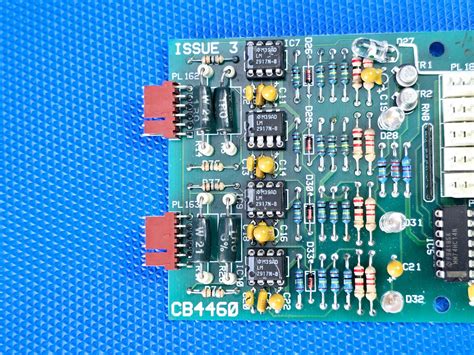
In the realm of electronics, Microtek PCBs play a crucial role in ensuring devices operate efficiently and effectively. You may wonder how pcb manufacturing of these intricate boards contributes to overall device performance. The design and structure of a Microtek PCB are tailored to meet specific functional needs, affecting how signals are routed and how components communicate. This is particularly important in an era where the complexity of electronic devices is constantly increasing, leading many to seek out reputable pcb manufacturing companies that specialize in advanced design techniques. Understanding the nuances of pcb manufacturing cost can also help you evaluate your project’s budget, ensuring you achieve the right balance between quality and affordability. As you delve deeper into the world of Microtek PCBs, you’ll discover how these factors intertwine to support robust functionalities while catering to the dynamic needs of modern electronics. By recognizing these elements, you can better appreciate their significance in your own projects or within a pcb manufacturing business context, enhancing both practical applications and future innovations in technology.
Key Design Elements of the Microtek PCB
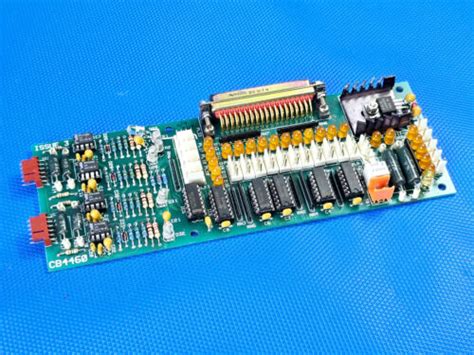
When you delve into the Microtek PCB, understanding its key design elements is essential to appreciate the intricacies of its functionality. One of the primary aspects that distinguish Microtek PCBs is their multilayer structure, which allows for more complex circuitry while maintaining a compact form factor. This multilayer design improves signal integrity and enhances thermal management, which are critical factors in high-performance applications.
You’ve probably noticed that certain pcb manufacturing techniques enable the integration of multiple layers through precise alignment and bonding methods, creating a robust final product. The choice of materials used in fabrication significantly impacts both performance and cost. High-quality substrates contribute to effective heat dissipation and electrical insulation, critical in preventing signal interference.
Moreover, as you explore various pcb manufacturing companies, you’ll find that the design process involves advanced software tools that facilitate simulations and optimizations before the actual production begins. This proactive approach helps in reducing errors and ensuring that the manufactured boards meet specific standards.
In terms of component placement, Microtek PCBs utilize a strategy known as surface mount technology (SMT), which allows for miniaturization without sacrificing functionality. As you consider pcb manufacturing costs, it’s essential to factor in these advanced capabilities, as they may influence pricing yet ultimately provide significant value through enhanced performance and reliability.
In summary, by investing time to understand these key design elements, you can appreciate how Microtek PCBs play a vital role in modern electronics, making it imperative for anyone involved in electronic design or production to stay informed about developments in pcb manufacturing business practices.
Understanding the Functionality of Microtek PCBs
Microtek PCBs serve as the backbone of modern electronic devices, providing both structural and functional support necessary for their operation. As you delve into the functionality of these printed circuit boards, it’s essential to understand how they manage the electrical and thermal demands placed upon them. Microtek PCBs are designed to accommodate intricate circuitry, facilitating the connection between various components while ensuring that signals pass through with minimal interference.
The significance of pcb manufacturing in achieving this functionality cannot be overstated. Each layer of a Microtek PCB is meticulously crafted to optimize space and enhance performance, making detailed consideration of the pcb manufacturing cost a crucial aspect for companies involved in this field. Many pcb manufacturing companies have taken innovative approaches in their designs, using advanced materials to improve thermal management and electrical performance.
Moreover, a successful pcb manufacturing business not only focuses on lowering costs but also prioritizes quality control throughout the production process to ensure reliability and durability in real-world applications. By adopting state-of-the-art techniques, they can maintain high standards while meeting market demands. Understanding these factors provides you with valuable insights into how Microtek PCBs operate effectively within complex electronic systems, highlighting their paramount role in today’s technological advancements.
Construction Techniques in Microtek PCB Design
When it comes to Microtek PCB design, understanding the various construction techniques utilized is crucial for achieving optimal performance. The foundation of any successful pcb manufacturing process begins with material selection, where options like FR-4 and polyimide provide different advantages in terms of heat resistance and flexibility. In addition to materials, a meticulous attention to detail in the layer stacking configuration can enhance signal integrity and reliability. During the design phase, you’ll want to pay close attention to routing paths—properly managing trace widths and spacing can directly influence the overall functionality of the board. This is particularly pertinent if your project involves high-frequency signals.
Moreover, employing advanced techniques such as blind and buried vias can help reduce the footprint of your device while improving connectivity between layers. These methods are often highlighted by leading pcb manufacturing companies for their effectiveness in compact designs. Furthermore, understanding the cost considerations involved in various approaches to pcb manufacturing is essential for anyone looking to start a lucrative pcb manufacturing business. Knowing how each decision impacts costs while balancing performance goals ultimately leads you towards a more strategically engineered product. Whether you’re an enthusiast or a professional, mastering these construction techniques forms a solid backbone for your work with Microtek PCBs.
Operational Significance of the Microtek PCB
The Microtek PCB plays a crucial role in modern electronic devices, making its operational significance essential for both enthusiasts and professionals in the field. The design and manufacturing process of this PCB often involves intricate methodologies that enhance performance and efficiency. Given its versatility, the Microtek PCB serves numerous applications, from consumer electronics to industrial machinery, showcasing its adaptability across different sectors. Understanding the key aspects of pcb manufacturing can provide insights into how different pcb manufacturing companies optimize their processes to ensure top-quality products while managing costs effectively. The balance between performance and pcb manufacturing cost is a defining factor for many businesses venturing into the competitive pcb manufacturing business landscape. As you delve deeper into the intricacies of the Microtek PCB, you’ll appreciate how its reliable functionality underpins various technologies, driving innovation and efficiency in electronic circuits.
Innovations in Microtek PCB Technology
The evolution of Microtek PCBs has brought about significant advancements in the way electronics are designed and manufactured. At the heart of these innovations lies a commitment to enhancing the efficiency and performance of pcb manufacturing processes. You may be interested to know how pcb manufacturing companies are integrating advanced materials and cutting-edge techniques to reduce weight while improving durability. The introduction of multi-layer designs allows for greater functionality within a smaller footprint, making Microtek PCBs an ideal choice for modern applications.
Another important area of innovation is cost management in the pcb manufacturing business. By leveraging automation and streamlined production techniques, companies can significantly lower the pcb manufacturing cost, making high-quality PCBs more accessible to a wider range of consumers and businesses. Moreover, innovations such as surface-mount technology (SMT) have made assembly more efficient, further driving down costs while enhancing performance capabilities.
You may also find it intriguing how these technological advancements have allowed for smarter designs in terms of thermal management and electrical efficiency. As a result, Microtek PCBs have become pivotal in developing high-performance devices ranging from consumer electronics to industrial applications. Exploring these innovations not only highlights the capabilities of Microtek technology but also emphasizes its pivotal role in shaping the future of printed circuit board design and functionality.
Applications of Microtek PCBs in Modern Electronics
The versatility of Microtek PCBs makes them integral to a wide array of modern electronic applications. From consumer electronics to complex industrial systems, these printed circuit boards serve essential roles. In consumer gadgets, such as smartphones and tablets, the design elements of Microtek PCBs allow for compact layouts that support high-density component placement, optimizing space and enhancing performance. Additionally, in automotive technology, Microtek PCBs play a pivotal role in the manufacturing of control systems, providing the reliability and durability required in demanding environments.
For communication equipment, the precision in pcb manufacturing processes utilized by top-notch pcb manufacturing companies ensures that these printed circuit boards meet stringent quality standards essential for signal integrity and longevity. Their applications continue to expand as they are employed in smart devices and Internet of Things (IoT) solutions, where they support diverse functionalities ranging from connectivity to power management. As you explore these innovations, consider how the overall pcb manufacturing cost varies with different design complexities and materials. Understanding these factors can provide valuable insights into the economics of launching a new pcb manufacturing business, especially as the demand for high-performance electronics continues to rise.
Troubleshooting Common Issues with Microtek PCBs
When working with Microtek PCBs, you may encounter several common issues that can affect performance and reliability. One of the primary concerns is signal integrity, which can be compromised due to the PCB layout or incorrect component placement. Ensuring that the routing of traces is optimal can minimize these issues. Additionally, you should also pay attention to PCB manufacturing techniques; subpar processes from less reliable PCB manufacturing companies can result in defects such as delamination or incorrect layer stacking. It’s crucial to understand the PCB manufacturing cost involved, as investing in high-quality materials and techniques typically leads to better performance and fewer problems down the line.
Moreover, irregularities in solder joints can lead to intermittent connections, so it’s essential to ensure that your soldering process aligns with best practices to avoid common defects. When facing challenges around component failures or operational inefficiencies, revisiting your design choices during the initial phase of your PCB manufacturing business may provide insights into possible improvements. By applying systematic troubleshooting methods and taking a proactive stance on design and production quality, you can significantly enhance your Microtek PCB’s reliability and overall functionality.
Conclusion
In wrapping up your exploration of the Microtek PCB, it’s essential to recognize its pivotal role in modern electronics. The intricacies of its design and functionality highlight the importance of quality in pcb manufacturing processes. Whether you’re diving deep into technical specifications or simply scanning the landscape of pcb manufacturing companies, understanding the significance of effective design can demystify much of what you encounter in this field. For instance, various factors such as materials and methodologies directly influence the pcb manufacturing cost, making it vital for both enthusiasts and professionals to stay informed. The pcb manufacturing business continues to evolve, incorporating advanced technologies that enhance performance and reliability, thus impacting a wide array of applications from consumer electronics to industrial systems. With this knowledge, you are better equipped to appreciate not just the aesthetics but also the underlying engineering that makes Microtek PCBs a cornerstone in electronic design.
FAQs
What are the primary benefits of using Microtek PCBs in electronic devices?
Microtek PCBs offer enhanced durability and reliability, making them suitable for various applications. Their intricate designs allow for improved electrical performance, ultimately leading to a better user experience in electronic devices. Additionally, advancements in pcb manufacturing processes have made it possible to produce these high-quality boards at competitive prices.
How can I find reputable PCB manufacturing companies for my projects?
When looking for reputable pcb manufacturing companies, consider researching online reviews and testimonials. It’s also beneficial to ask for recommendations from industry colleagues or consult professional networks. Quality certifications and a solid portfolio of completed projects can also help you gauge the competence of a manufacturer.
What factors influence the pcb manufacturing cost?
The pcb manufacturing cost can be influenced by several factors, including material selection, complexity of the design, layer count, and production volume. Custom specifications and quick turnaround times may also lead to increased costs. Understanding these elements can help you budget effectively for your pcb manufacturing business.
Can small businesses benefit from engaging in pcb manufacturing?
Absolutely! Small businesses entering the pcb manufacturing business can tap into niche markets or develop innovative products tailored to specific customer needs. By offering specialized services and high-quality products at competitive prices, they can carve out a successful position in the electronics sector.