
Efficient PCB Assembly Services at Leading Factory Solutions
Key Takeaways
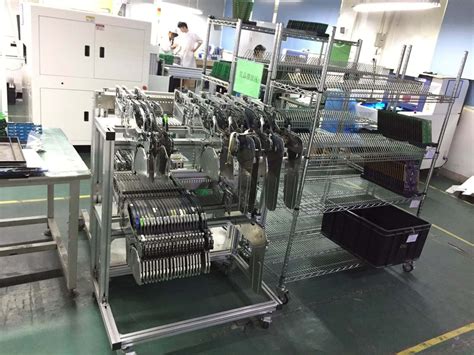
In today’s competitive landscape, selecting a reliable pcb assembly service can significantly impact the success of electronic projects. A leading factory solution leverages advanced technologies to enhance PCB production, ensuring that every unit is manufactured with utmost precision. By incorporating state-of-the-art equipment and innovative methodologies, these factories can optimize both time and cost efficiencies. Quality assurance practices are paramount; they not only guarantee that each PCBA meets stringent industry standards but also mitigate the risks associated with defects and malfunctions in the final product. Therefore, choosing a reputable service provider not only assures quality but also delivers peace of mind to project managers. It’s worth noting that as technology evolves, so will the capabilities of PCB assembly services, promising a future where manufacturing processes are even faster and more reliable.
“Investing in quality pcb assembly services today lays the groundwork for innovation tomorrow.”
Introduction to PCB Assembly Services
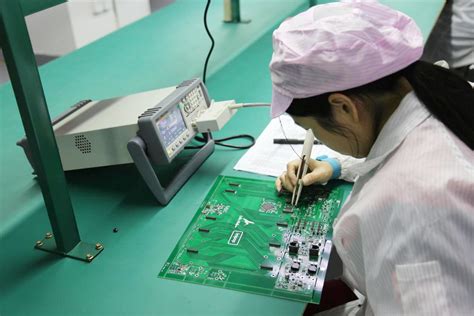
In the rapidly evolving world of electronics, PCB assembly services serve as a critical foundation for the production of high-quality devices. These services encompass a comprehensive range of processes, including the placement of components on printed circuit boards (PCBs) and ensuring proper connections between them. The efficiency of a pcba factory lies in its ability to integrate advanced manufacturing techniques that streamline production timelines while maintaining rigorous quality standards. With the increased complexity of modern technology, the demand for sophisticated pcb assembly operations has surged, leading to an emphasis on automation and precision in every step of the process. This sector not only focuses on efficiency but also prioritizes collaboration with clients to meet specific specifications and requirements. By utilizing state-of-the-art equipment and practices, leading pcb assembly service factories can guarantee that each assembly meets industry standards, resulting in durable and reliable electronic products. Understanding these services is essential for stakeholders aiming to innovate within a competitive marketplace, making informed decisions that align with their operational goals.
Key Manufacturing Processes in PCB Assembly
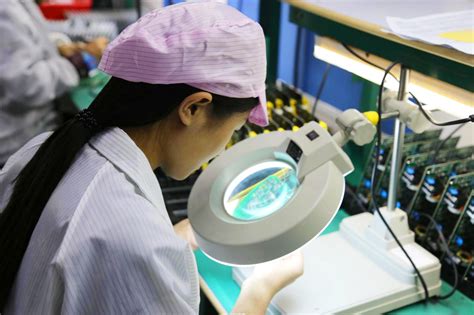
The process of pcb assembly involves several key stages that ensure the final product meets both technical specifications and quality standards. Initially, the design of the printed circuit board (PCB) is meticulously planned, often utilizing advanced software tools to create schematic diagrams and layouts. This phase is critical as it defines how components will be arranged and interconnected, impacting both functionality and manufacturability.
Once the design is finalized, procurement of materials begins. High-quality components are sourced to enhance the pcba process, ensuring durability and efficiency in the final assembly. The main manufacturing processes in pcb assembly include printed circuit fabrication, solder paste application, component placement, reflow soldering, and inspection.
Table 1: Key Manufacturing Processes
| Process | Description |
|---|---|
| Printed Circuit Fabrication | Creation of the PCB using materials like FR-4 laminates |
| Solder Paste Application | Applying solder paste to designated areas for component attachment |
| Component Placement | Precisely positioning electronic components onto the PCB |
| Reflow Soldering | Heating process to melt solder and create electrical connections |
| Inspection | Quality control measures to ensure correct assembly |
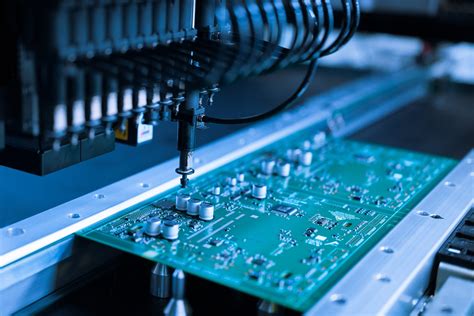
Each stage employs specialized machinery and techniques that enhance efficiency while maintaining high levels of precision. For example, automated pick-and-place machines ensure that components are placed accurately on the PCB, significantly reducing human error. Following that, reflow soldering solidifies connections through controlled heating profiles.
Moreover, continuous monitoring throughout these stages aids in identifying any discrepancies early on. This rigorous approach to manufacturing not only guarantees a reliable pcba but also aligns production with best practices in quality assurance. Manufacturers that implement this comprehensive strategy are better positioned to meet industry standards, ultimately leading to successful outcomes for projects across various sectors.
Advanced Technologies Enhancing PCB Production
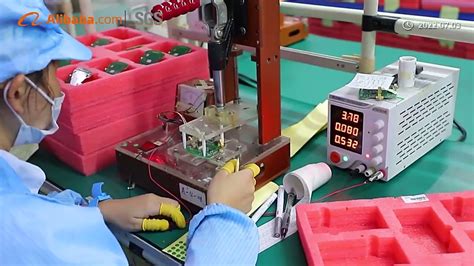
The evolution of pcb assembly processes has been significantly bolstered by the advent of advanced technologies. Modern pcba techniques employ cutting-edge machinery and sophisticated software, enabling manufacturers to achieve higher precision and efficiency in production. Notably, automated optical inspection (AOI) systems are revolutionizing quality control, allowing for real-time monitoring and detection of defects during the assembly process. Moreover, the integration of robotics in pcb assembly not only minimizes human error but also streamlines repetitive tasks, resulting in faster turnaround times without compromising quality. The use of innovative materials, such as flexible and high-frequency substrates, is also expanding the versatility of pcba, meeting the complex demands of today’s electronic devices. By harnessing these advanced technologies, manufacturers can ensure that their PCB production not only meets but exceeds industry standards, fostering reliability and enhancing performance in electronic applications. As we delve deeper into the realm of pcb assembly, it is evident that these technological advancements are vital in driving progress and maintaining competitiveness in an ever-evolving marketplace.
Quality Assurance Practices in PCB Assembly
In the realm of pcb assembly, meticulous quality assurance practices play a pivotal role in ensuring that every product meets rigorous standards before it reaches the market. At the core of these practices lies the implementation of stringent testing protocols, which encompass multiple phases throughout the PCBA (Printed Circuit Board Assembly) process. These protocols may involve visual inspections, automated optical inspections (AOI), and functional testing to verify that each assembly functions as intended. Additionally, effective quality control requires continuous monitoring and documentation of all manufacturing stages, which not only facilitates traceability but also helps in identifying areas for improvement. By adopting advanced technologies such as robotic automation and smart analytical tools, factories can enhance their quality assurance processes, resulting in higher precision and fewer defects. As a result, when selecting a factory for your pcb assembly needs, prioritizing those with robust quality assurance measures will ensure your projects not only adhere to industry standards but also achieve optimum performance levels.
Importance of Industry Standards in PCB Projects
In the realm of PCB assembly, adhering to industry standards is paramount for ensuring quality, reliability, and performance of the final product. These standards serve as a benchmark for PCBA processes, guiding manufacturers in their operational practices and maintaining consistency across production lines. By implementing established guidelines, factories can minimize errors during assembly, enhance the overall durability of components, and achieve interoperability among different devices. Furthermore, compliance with these protocols demonstrates a commitment to excellence, fostering trust between manufacturers and clients. As technology advances, embracing these industry standards not only aids in meeting current market demands but also prepares manufacturers to adapt to future innovations within the PCB landscape. Therefore, ensuring that PCB assembly projects align with recognized standards is crucial for achieving optimal outcomes and maintaining competitive advantages in a rapidly evolving industry.
Benefits of Choosing a Leading Factory Solution
Opting for a leading factory solution for pcb assembly delivers numerous advantages that contribute to the overall success of your production process. One of the primary benefits is access to advanced technologies that enhance efficiency and accuracy. These factories often utilize state-of-the-art machinery and automated processes, ensuring that each pcba is produced with the utmost precision. This technological edge not only reduces errors but also accelerates turnaround times, allowing businesses to respond swiftly to market demands.
Moreover, a leading factory solution emphasizes stringent quality assurance practices. By adhering to established industry standards, these factories implement thorough testing and inspection at every stage of the assembly process, mitigating risks associated with defective products. This commitment to quality not only enhances product reliability but also strengthens customer trust.
Additionally, partnering with such a factory often translates to better resource management. When employing a renowned pcb assembly service, companies benefit from established supply chains and experienced personnel who can navigate complexities seamlessly. This efficiency leads to cost reductions while ensuring that your projects are completed on schedule. Ultimately, choosing a leading factory solution for your PCB needs promises superior quality, enhanced operational efficiency, and a strategic advantage in today’s competitive landscape.
Case Studies: Success Stories in PCB Assembly
In the realm of PCB assembly, various companies have showcased their expertise through impressive case studies that underline the significance of partnering with leading factory solutions. One notable example is a tech startup that developed a revolutionary wearable device. They sought a PCBA provider that could handle complex circuit designs while ensuring minimal production delays. By collaborating with a factory renowned for its efficient manufacturing processes, they achieved not only the desired functionality but also streamlined their time-to-market.
Another success story comes from an automotive manufacturer that required high-volume production of sensitive electronic components for their latest model. Their choice to work with a factory specializing in pcb assembly enabled them to take advantage of advanced technologies such as automated optical inspection and solder paste inspection systems. This integration significantly reduced human error, leading to enhanced product reliability and safety features. The results were evident: they were able to meet stringent industry standards while keeping costs under control.
These examples illustrate how selecting the right PCB assembly partner can lead to a competitive edge, emphasizing both efficiency and quality in bringing innovative products to life. As industries continue to evolve, such case studies not only serve as benchmarks but also inspire other organizations to explore the myriad benefits that come with superior PCBA services and cutting-edge manufacturing capabilities.
Future Trends in PCB Assembly Services
As the demand for electronics continues to rise, pcb assembly services are evolving to meet new challenges and opportunities. One prominent trend is the integration of smart manufacturing processes, driven by the Internet of Things (IoT) and artificial intelligence (AI). These advancements enable real-time monitoring and data analysis, resulting in pcba processes that are not only faster but also more efficient. Furthermore, manufacturers are increasingly adopting automation technologies, which enhance precision and reduce human error during assembly. Another exciting development is the shift towards more sustainable practices. Companies are now recognizing the importance of using eco-friendly materials and processes in pcb assembly, which not only minimizes environmental impact but also addresses regulatory requirements. Moreover, with the rise of miniaturization in electronic devices, there is a growing focus on producing smaller yet more complex printed circuit boards (PCBs). This trend necessitates innovative solutions in design and assembly techniques to maintain quality while achieving compactness. Overall, the future of pcb assembly services promises to be characterized by a blend of innovation, sustainability, and efficiency, ensuring that products remain competitive in a demanding market landscape.
Conclusion
In the realm of PCB assembly, selecting the right service provider is crucial for ensuring not only the success of individual projects but also the reputation of businesses operating in competitive markets. Leveraging advanced technologies and quality assurance practices, leading factory solutions optimize their manufacturing processes, yielding superior PCBA outcomes that adhere to industry standards. As we have seen throughout this article, a focus on efficiency, precision, and reliability significantly impacts both time-to-market and overall project success. The benefits of collaborating with a top-tier factory extend beyond cost-effectiveness; they encapsulate a streamlined workflow that enhances innovation and adaptability in response to evolving technological demands. By choosing a well-established service, you can ensure that your electronic components are not only produced with the utmost care but also subjected to rigorous testing protocols, bolstering confidence in your final product’s performance. Ultimately, investing in top-notch PCB assembly services is an investment in quality, allowing businesses to thrive in an increasingly complex landscape.
FAQs
What is PCB assembly?
PCB assembly, often referred to as PCBA, is the process of connecting electronic components to a printed circuit board (PCB) to create a functional electronic device. This involves various steps such as soldering and testing.
Why should I choose a leading factory for my PCB assembly needs?
Choosing a leading factory for PCB assembly ensures access to advanced manufacturing technologies and skilled labor, which can significantly enhance production efficiency and product quality. It also helps in meeting industry standards effectively.
What technologies are used in PCB assembly?
The latest PCB assembly incorporates advanced technologies such as surface mount technology (SMT), automated optical inspection (AOI), and computer numerical control (CNC) machining, which contribute to precision and reliability in manufacturing.
How is quality assurance handled in PCB assembly?
Quality assurance in PCBA involves comprehensive testing at various stages of production, including in-process inspections, functional testing, and compliance checks against international standards, ensuring that each product meets stringent quality requirements.
What are the benefits of efficient manufacturing processes in PCB production?
Efficient manufacturing processes not only reduce production time and costs but also enhance product reliability and scalability. This leads to faster turnaround times for your projects while adhering to high-quality standards.
For more detailed insights into PCB assembly, please click here: Efficient PCB Assembly Services