
Advancements in Medical PCB Assembly for Enhanced Healthcare Solutions
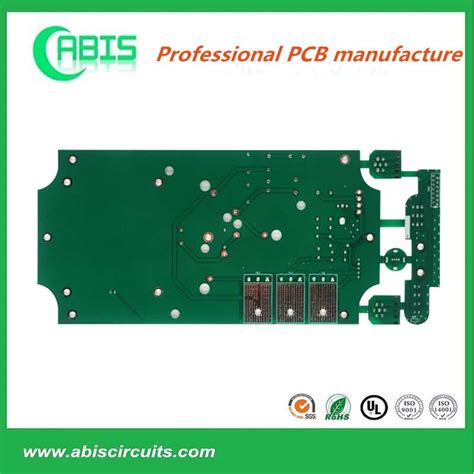
Key Takeaways
In the realm of healthcare, the significance of medical PCB assembly (PCBA) cannot be overstated. This technology plays a pivotal role in ensuring that medical devices operate efficiently and reliably, which directly impacts patient care. Recent advancements in PCB design for medical applications have introduced innovative techniques to improve the performance and durability of devices used in clinical settings. For instance, advancements in materials science have led to flexible PCBs, enabling the development of more compact and adaptive medical devices that meet diverse clinical needs. Furthermore, embracing advanced manufacturing techniques has streamlined the production process, allowing for quicker turnaround times without compromising quality.
It is essential to underscore that rigorous testing and quality control measures are instrumental in enhancing product reliability, ensuring that these critical devices can withstand the demands of a medical environment. The implementation of automation has also contributed significantly by reducing human error and increasing consistency during PCB assembly processes.
“Embracing innovation is key to achieving better outcomes in healthcare; technologies like PCBA are at the forefront of this transformation.”
As these advancements continue to evolve, their impact on healthcare efficiency and patient outcomes will become even more pronounced, driving forward a new era of medical technology where quality meets innovation seamlessly.
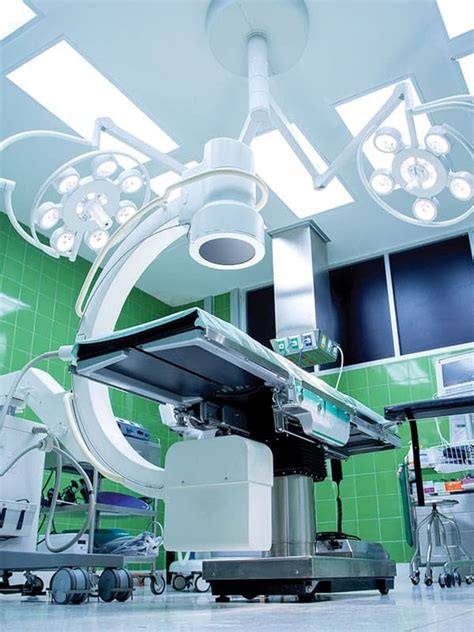
Introduction to Medical PCB Assembly and Its Importance in Healthcare
Medical PCB assembly (PCBA) plays a crucial role in the healthcare sector, where precision and reliability are imperative. The evolution of pcba technology has culminated in procedures that enhance device performance while ensuring patient safety. By integrating advanced PCB assembly techniques, manufacturers are now able to design and produce components that meet stringent regulatory standards. This incorporation of innovative practices leads to devices that can withstand the rigors of daily use in medical environments, thereby improving overall healthcare solutions.
The significance of medical PCB assembly extends beyond mere functionality; it directly impacts patient outcomes. For instance, the adoption of state-of-the-art testing and quality control measures ensures that the assembled products are robust and meet reliability standards. This diligence not only minimizes the risk of device failure but also contributes to more efficient healthcare delivery systems.
| Key Aspects | Importance |
|---|---|
| Advanced Design Innovations | Enhances efficiency and reliability |
| Rigorous Quality Control | Minimizes device failure risks |
| Regulatory Compliance | Ensures safety and trust in medical devices |
Through meticulous attention to these factors, professionals in the healthcare industry can be assured that their technological tools will perform optimally. The effective integration of innovative techniques within medical PCBA processes ultimately serves to enhance patient care and promote successful health outcomes, making it a vital component within modern medical practices.


Future Trends in Medical PCB Assembly Technology
The landscape of medical PCB assembly is witnessing rapid transformation, driven by a plethora of emerging trends. One significant direction is the integration of advanced materials in PCBA processes, such as the use of flexible circuits and biocompatible substrates, which are increasingly crucial for creating wearable medical devices and implantable electronics. Additionally, the miniaturization of components has led to more compact designs, facilitating greater functionality within limited spaces. Digital technologies are also playing a pivotal role in enhancing production processes; for instance, the adoption of IoT (Internet of Things) in assembly lines allows real-time monitoring and predictive maintenance, which can ultimately reduce downtime and improve product reliability. Furthermore, the shift towards more sustainable practices is influencing pcb assembly, with companies exploring eco-friendly materials and manufacturing techniques to minimize environmental impact. Automation continues to emerge as a cornerstone in this field, streamlining production workflows and ensuring consistent quality through precision engineering methods. As these trends unfold, they promise not only to advance the capabilities of medical devices but also to significantly enhance patient outcomes, ensuring that healthcare solutions are more effective and accessible than ever before.
Conclusion: Impact of Advancements on Patient Outcomes and Healthcare Efficiency
The advancements in medical PCB assembly, particularly through innovative PCBA techniques, have a profound impact on both patient outcomes and overall healthcare efficiency. By integrating new manufacturing methodologies, healthcare products can achieve superior reliability, leading to better performance in critical medical applications. The implementation of rigorous testing and quality control processes ensures that these PCBA products withstand the demanding environments typical of healthcare settings, thus minimizing the risk of failures that could jeopardize patient safety. Moreover, the role of automation in manufacturing processes allows for increased consistency and accuracy in pcb assembly, which enhances throughput and reduces costs. As these technologies evolve, they not only lead to higher-quality medical devices but also facilitate faster delivery times, ensuring that healthcare providers can respond promptly to patient needs. Ultimately, such advancements in medical PCB assembly are essential for advancing the capabilities of healthcare solutions and improving patient care, showcasing a clear path toward a more effective healthcare system.
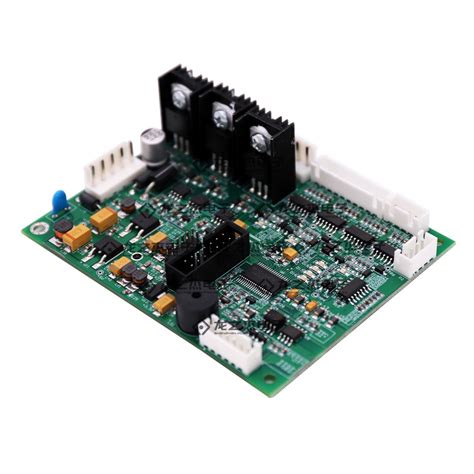
Conclusion: Impact of Advancements on Patient Outcomes and Healthcare Efficiency
The evolution of medical PCB assembly techniques has significantly influenced both the delivery of healthcare services and the quality of patient care. With the integration of advanced designs and manufacturing processes, PCBA now adheres to stricter reliability standards, which is crucial in medical applications where device failure can have critical consequences. The advancements in automation and quality control have streamlined production, reducing errors and manufacturing time while enhancing efficiency. Furthermore, these innovations in pcb assembly enable the development of more compact and efficient medical devices, which not only improve functionality but also enhance patient comfort. As healthcare demands evolve, so does the need for PCBA solutions that meet stringent regulatory requirements while being cost-effective. By leveraging new technologies and methodologies in medical PCB assembly, manufacturers can contribute to better healthcare outcomes, ultimately fostering a system where patients receive higher-quality care with fewer risks associated with device performance. In conclusion, as these advancements continue to unfold, they promise not just improved products but also a transformative impact on overall healthcare efficiency and patient satisfaction.
FAQs
What is medical PCB assembly and why is it important in healthcare?
Medical PCB assembly, or PCBA, refers to the process of fabricating and assembling printed circuit boards used in medical devices. This is crucial in healthcare as it ensures that medical equipment operates reliably and efficiently, ultimately contributing to better patient care.
How do advancements in PCB design impact medical applications?
Recent advancements in PCB design have led to the development of more compact, efficient, and reliable boards, essential for next-generation medical devices. Innovations such as miniaturization and increased integration of components facilitate enhanced functionality while ensuring manageable size for various applications.
What manufacturing techniques are used in medical PCB assembly?
Advanced manufacturing techniques like surface mount technology (SMT) and microvias are commonly employed in medical PCB assembly. These methods enhance production efficiency, reduce lead times, and improve the overall quality of the PCBA.
How do rigorous testing and quality control enhance product reliability?
Rigorous testing procedures, including functional, thermal, and stress tests, are vital for ensuring that each PCBA meets stringent safety standards. This meticulous approach helps identify potential failure points early in the production process, thereby enhancing reliability.
What role does automation play in streamlining PCB production?
Automation has transformed medical PCB assembly by minimizing human error, accelerating production times, and optimizing resource use. Automated processes ensure consistency across batches while allowing manufacturers to scale operations effectively without compromising quality.
For more insights on how PCB assembly technologies can enhance healthcare solutions, please click here: Medical PCB Assembly Insights.