
Revolutionizing Electronics with Automated PCB Assembly Solutions
Key Takeaways
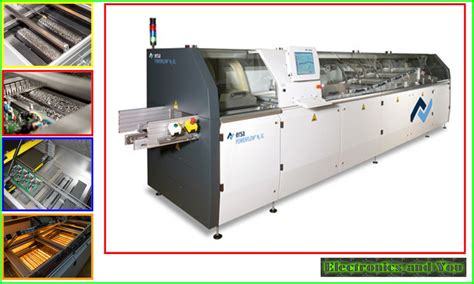
The pcb assembly process has undergone a remarkable transformation with the rise of automation. Understanding the journey from manual to fully automated techniques reveals significant benefits for manufacturers engaged in pcba. One of the primary advantages is the increased efficiency observed in production lines. Automated systems minimize human error and streamline operations, resulting in faster turnaround times for electronic products. Furthermore, the accuracy achieved through automated pcb assembly ensures that components are placed correctly, thus enhancing overall product quality.
In addition to efficiency and quality improvements, cost-effectiveness is another key benefit that businesses experience from adopting automated pcb assembly solutions. By reducing labor costs and lowering waste, companies can achieve a more favorable bottom line while maintaining high standards of production.
To illustrate these points further, consider the following table showcasing typical improvements observed in companies that have integrated automated pcba processes:
| Metric | Manual Assembly | Automated Assembly | Improvement (%) |
|---|---|---|---|
| Production Speed | 100 units/day | 300 units/day | 200% |
| Error Rate | 10% | 1% | 90% |
| Labor Costs | High | Reduced | Significant |
| Material Waste | Moderate | Low | Substantial |
"Investing in automated PCB assembly is not just about technology; it’s about transforming your entire manufacturing approach for better performance and profitability."
Additionally, innovations in automation technology continue to shape the landscape of pcb assembly, enabling manufacturers to adopt cutting-edge solutions that align with market demands. As we move forward, organizations must stay abreast of these developments to remain competitive and responsive to evolving industry trends.
The Evolution of PCB Assembly: From Manual to Automated Techniques
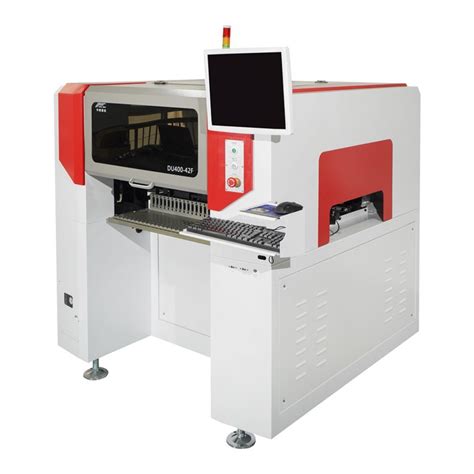
The process of PCB assembly has undergone significant transformation over the years, progressing from purely manual techniques to highly sophisticated automated PCB assembly systems. In the earlier days, assembling printed circuit boards (PCBs) relied heavily on human labor, requiring skilled technicians to place components by hand. This method, while effective, was tedious and prone to errors, resulting in inefficiencies and increased production costs. With the advent of automation in electronics manufacturing, the landscape began to shift dramatically. Today, automated techniques are at the forefront of PCBA processes, leveraging advanced machinery and robotic systems that enhance efficiency and precision. These innovations not only improve production speed but also minimize defects—ensuring that end products are of superior quality. The integration of automation into PCB assembly is revolutionizing the industry, ushering in an era where high-volume production can be achieved seamlessly while maintaining stringent quality standards. As manufacturers adopt these cutting-edge solutions, they are able to respond swiftly to market demands and maintain competitive edges in an increasingly dynamic electronics sector.
Key Benefits of Automated PCB Assembly in Modern Manufacturing
The shift towards automation in PCB assembly has significantly enhanced the efficiency and reliability of manufacturing processes. By employing automated PCB assembly systems, manufacturers can streamline production, resulting in a dramatic reduction in lead times. This acceleration allows companies to respond more rapidly to market demands and changes. Furthermore, the precision offered by these systems ensures superior alignment and placement of components, minimizing the risk of errors associated with manual handling. Such precision not only leads to increased throughput but also greatly enhances the overall quality of the finished product. With PCBA solutions that leverage advanced technologies like robotics and smart sensors, manufacturers benefit from consistent quality control, reducing the incidence of defects and increasing customer satisfaction. Moreover, the integration of automation can lead to substantial cost savings, as reduced labor costs and fewer material wastages enhance profitability. In today’s competitive landscape, these benefits position automated PCB assembly as a critical component for organizations aiming to improve their operational efficiency and product outcomes.
The Impact of Automation on Electronics Production Efficiency
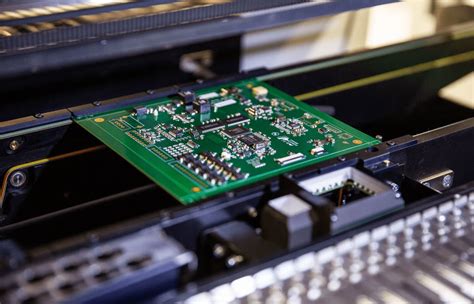
The integration of automation in pcb assembly processes has radically transformed the landscape of electronics production. By employing automated systems for assembly, manufacturers can achieve significant gains in efficiency, drastically reducing the time required to assemble printed circuit boards (PCBs). This shift is particularly relevant as demands for faster turnaround times and higher volumes continue to surge. Automated PCB assembly not only streamlines operations but also minimizes human error, leading to enhanced overall precision in the production line. Consequently, the reliance on manual labor is decreased, allowing skilled workers to focus on more complex tasks that require critical thinking and problem-solving skills. Additionally, automated pcba techniques contribute to better resource management, optimizing material usage and reducing waste. This economic advantage aligns seamlessly with the industry’s goals of lowering production costs while simultaneously elevating product quality. The ripple effect of these advancements underscores how automation is not just enhancing efficiency but reshaping the very fabric of electronics manufacturing as companies adapt to stay competitive in an evolving market landscape.
Cost-Effectiveness of Automated PCB Assembly Systems
The implementation of automated PCB assembly systems has emerged as a pivotal development in the electronics manufacturing sector, primarily due to its significant cost-effectiveness. By minimizing the reliance on manual labor, companies can achieve lower production costs while simultaneously increasing output speed and consistency. PCBA processes that integrate automation utilize advanced technologies such as robotic arms and sophisticated software algorithms, which enhance precision and reduce material wastage. As a result, this streamlining leads to more profitable operations without sacrificing quality. The initial investment in automated PCB assembly equipment may seem substantial; however, the long-term operational savings and improved production capabilities often outweigh these upfront expenditures. Companies that adopt these innovations can also benefit from scaling their production capabilities to meet fluctuating market demands efficiently. In an era where competitiveness hinges on rapid delivery and cost management, automated PCB assembly systems stand out as a smart choice for businesses aiming to enhance their manufacturing processes while ensuring financial viability.
Enhancing Product Quality Through Automation in PCB Assembly
The integration of automation within the pcb assembly process has considerably elevated product quality standards across the electronics industry. Automated systems facilitate precision in the placement of components, ensuring they are positioned accurately on pcba (printed circuit board assembly), which significantly reduces the likelihood of defects that may arise from manual handling. Enhanced consistency is another critical advantage, as automation minimizes variations during production runs, resulting in uniform quality for each unit produced. Furthermore, sophisticated inspection technologies such as Automated Optical Inspection (AOI) work in tandem with automated assembly lines to detect anomalies before they escalate into costly issues. These innovations not only enhance product reliability but also foster customer confidence by delivering products that meet and often exceed required specifications. Adopting automated pcb assembly techniques ultimately streamlines manufacturing processes while simultaneously allowing for greater flexibility in responding to market demands without compromising on quality. As the industry continues to evolve, the emphasis on harnessing automation for superior product outcomes will only grow stronger, showcasing its vital role in shaping the future of electronics manufacturing.
Future Trends in Automated PCB Assembly Technology
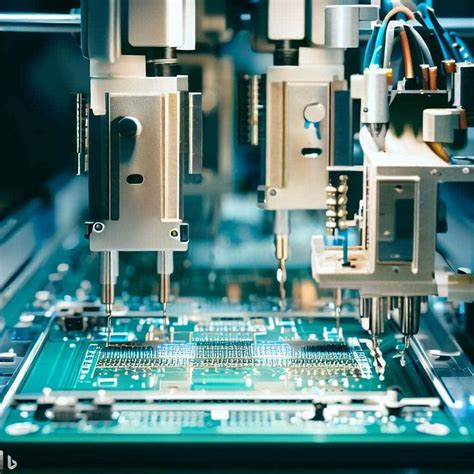
As we look forward, the landscape of automated PCB assembly (often abbreviated as PCBA) is set to undergo significant advancements driven by emerging technologies. With the rapid integration of artificial intelligence, machine learning, and smart robotics, manufacturers are increasingly optimizing their pcb assembly processes for greater efficiency. These technologies are designed to enhance precision in component placement and soldering, while reducing the margin for error that can occur in traditional methods. Additionally, innovations such as Industry 4.0 will facilitate a more interconnected manufacturing environment, enabling real-time data exchange and analysis, which can lead to smarter decision-making within production lines.
Sustainability also plays a critical role in future developments; strategies aimed at minimizing waste and promoting energy-efficient operations are more important than ever. The use of advanced materials and eco-friendly components within pcba processes not only aligns with global sustainability goals but also appeals to increasingly environmentally-conscious consumers. Furthermore, as products evolve toward higher functionality and compactness, there will be a growing demand for more intricate designs that automated solutions must accommodate seamlessly.
In summary, the future trends in automated PCB assembly technology encompass a blend of intelligent automation, sustainability initiatives, and advanced design capabilities. These changes are poised to revolutionize how electronics are produced, fostering an industry that is not only more efficient but also adaptable to new challenges ahead.
Case Studies: Successful Implementations of Automated PCB Assembly Solutions
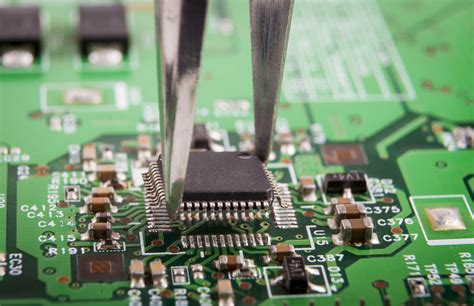
In recent years, the shift towards automated PCB assembly has garnered attention from multiple sectors within the electronics industry. Companies that have embraced these innovative pcba techniques report significant improvements in their manufacturing processes. For example, a prominent electronics manufacturer implemented automated PCB assembly systems in their production line, resulting in a remarkable reduction in assembly time—down to nearly half of what it previously required. This efficiency allows companies to respond more swiftly to market demands while maintaining stringent quality controls. Furthermore, these automated solutions have enhanced precision in component placement, drastically reducing the rate of defects and rework associated with manual techniques. Another case study highlights a small tech startup that leveraged automated PCB assembly technology to scale its production without a proportional increase in costs. As they adopted cutting-edge machinery and streamlined operations, they not only improved their profit margins but also ensured consistent delivery of high-quality products to their customers. Overall, the successful implementations of these pcba solutions illustrate how automation can transform manufacturing dynamics, leading to improved operational effectiveness and competitive advantage in the ever-evolving electronics market.
Conclusion
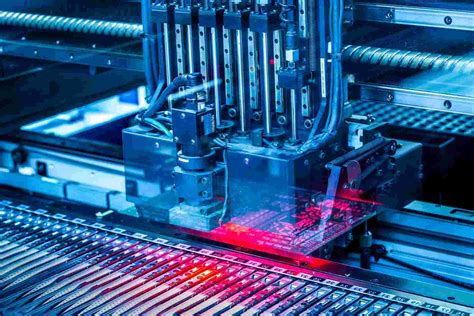
As we move forward in the ever-evolving landscape of electronics manufacturing, the role of automated PCB assembly solutions cannot be overstated. The transition from traditional pcb assembly techniques to automated processes has ushered in a new era characterized by heightened efficiency and productivity. Manufacturers are now able to optimize their operations, reducing human error and minimizing production time, which has a direct impact on overall manufacturing efficiency. Additionally, these advancements lead to a significant decrease in costs associated with labor and material waste. The implementation of cutting-edge technologies such as robotics and artificial intelligence within pcba processes further enhances the consistency and quality of products being produced. As companies explore innovative approaches to meet consumer demands, the synergy between automation and manufacturing ensures that they remain competitive in an ever-changing market. Ultimately, as we look ahead, it becomes clear that the integration of automated PCB assembly solutions is not merely a trend but a vital component shaping the future of electronics manufacturing.
FAQs
What is automated PCB assembly?
Automated PCB assembly, or PCBA, refers to the processes used to manufacture electronic circuit boards with minimal human intervention. This technique leverages automated systems to place and solder components, ensuring precision and speed.
How does automated PCB assembly improve production efficiency?
By utilizing advanced machinery, automated PCB assembly significantly streamlines manufacturing processes. It reduces the time taken for each assembly cycle, minimizes errors, and allows for higher production volumes compared to traditional manual methods.
What are the benefits of using automated PCB assembly solutions?
The key benefits include reduced labor costs, consistent product quality, increased speed of production cycles, and lower rates of defects. These advantages combine to create a more efficient manufacturing environment for electronic components.
Can automated PCB assembly help reduce costs?
Yes, implementing automated PCB assembly can lead to substantial cost savings. With lower labor requirements and reduced waste from errors or defects, companies can achieve more predictable budgeting and improved margins.
What innovations are shaping the future of PCB assembly?
Recent innovations include the use of robotics for component placement, AI-driven quality control systems, and advanced software for design verification. These technologies enhance both the capability and reliability of PCBA processes, driving transformation in the electronics industry.
How does automation affect product quality in electronics manufacturing?
Automation enhances product quality by providing uniformity in component placement and soldering techniques. The precision offered by machines reduces the likelihood of human error, resulting in a higher overall standard for produced goods.