
Optimizing SMT PCBA Manufacturing for Cost-Effective Production
Key Takeaways
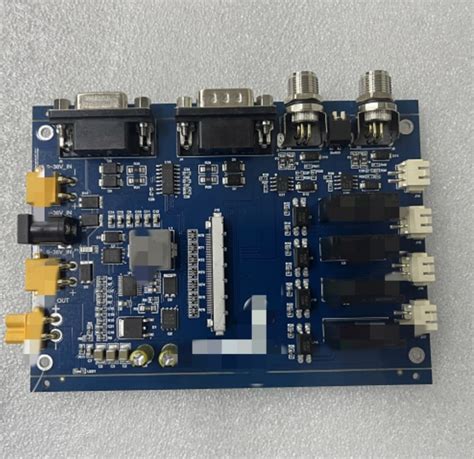
Achieving cost-effectiveness in SMT PCBA manufacturing requires balancing precision with efficiency. A critical starting point is component selection, where strategic choices in part specifications and suppliers directly impact both material costs and assembly yields. For example, opting for standardized surface-mount devices (SMDs) over custom components can reduce lead times by 15–20% while maintaining PCB assembly reliability.
Tip: Collaborate with suppliers early in the design phase to identify alternative components that meet functional requirements without inflating BOM costs.
Streamlining the SMT assembly workflow involves evaluating each stage for redundancies. Implementing parallel processing—such as concurrent solder paste application and component placement—can cut cycle times by up to 30%. The table below contrasts traditional and optimized workflows:
| Process Stage | Traditional Approach | Optimized Approach |
|---|---|---|
| Solder Paste Printing | Manual alignment | Laser-guided stencils |
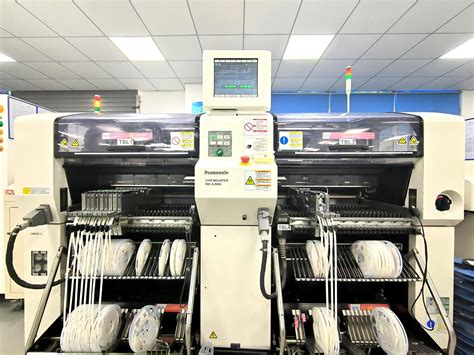
| Component Placement | Single-head pick-and-place | Multi-head modular systems |
| Reflow Soldering | Fixed temperature zones | Dynamic thermal profiling |
Automated optical inspection (AOI) systems are indispensable for defect reduction, catching issues like tombstoning or solder bridges with 99.5% accuracy. Integrating AOI after reflow soldering slashes rework rates by up to 40%, preserving margins in high-volume PCBA production.
Adopting lean manufacturing principles—such as just-in-time inventory management—minimizes warehousing costs and component obsolescence risks. Pairing this with smart material sourcing (e.g., bulk purchasing agreements for high-use resistors or capacitors) further drives down per-unit expenses.
“Investing in advanced SMT equipment demands rigorous ROI analysis. A modular pick-and-place machine with 0201 component capability might have a 12–18-month payback period but enables long-term scalability for miniaturized designs.”
Lastly, preventive maintenance schedules for stencil printers and reflow ovens ensure consistent process quality. For instance, monthly nozzle cleaning on placement machines reduces misalignment incidents by 22%, directly improving yield rates in PCB assembly lines.
Cost-Quality Balance in SMT PCBA
Achieving an optimal equilibrium between cost efficiency and product reliability in SMT PCBA manufacturing requires a methodical approach to process design and material management. At its core, this balance hinges on strategic decision-making that prioritizes both PCB assembly longevity and budgetary constraints. One foundational strategy involves component selection—opting for parts that meet performance specifications while avoiding over-engineering. For instance, using commercial-grade instead of military-grade components in non-critical applications can reduce PCBA costs by 15–25% without sacrificing functional integrity.
Equally important is the standardization of SMT assembly workflows. By minimizing setup changes and optimizing solder paste application parameters, manufacturers can reduce material waste and cycle times. A data-driven analysis of reflow profiles, for example, ensures consistent solder joint quality while preventing defects that escalate rework costs. Implementing automated optical inspection (AOI) systems further strengthens this balance by identifying placement errors early, reducing scrap rates by up to 30% in high-volume production.
Another critical element is supplier collaboration. Negotiating bulk pricing for high-usage components or adopting just-in-time inventory practices lowers carrying costs without risking production delays. Additionally, leveraging advanced SMT equipment with modular capabilities allows factories to handle diverse PCB assembly projects efficiently, maximizing machine utilization rates.
To sustain this equilibrium, preventive maintenance protocols are indispensable. Regular calibration of pick-and-place machines and stencil printers ensures consistent accuracy, directly impacting yield rates. By aligning these technical measures with lean manufacturing principles, manufacturers achieve a cost-quality synergy that meets both market demands and profitability goals in PCBA production.
Optimize Component Selection Strategies
Effective PCB assembly begins with strategic component selection, a critical factor influencing both production costs and end-product reliability in PCBA manufacturing. Standardized components with extended market availability typically offer 15-25% cost advantages compared to specialized alternatives, while maintaining compatibility with automated placement systems. Engineers should prioritize parts carrying industry-standard certifications (IPC-610 Class 2/3) to ensure consistent performance across temperature cycles and mechanical stress conditions.
Implementing value engineering principles enables identification of functional equivalents – components providing identical electrical characteristics through different packaging or material compositions. For instance, replacing QFN packages with equivalent LGA configurations can reduce solder paste consumption by 18% in high-density SMT processes. This approach requires close collaboration with PCB assembly partners to validate alternative components through thermal profiling and ICT testing protocols.
Component lifecycle management proves essential for avoiding costly mid-production substitutions. Real-time monitoring of distributors’ EOL (End-of-Life) notifications through ERP-integrated platforms helps manufacturers phase out obsolete parts before committing to new PCBA designs. A recent industry study revealed that proactive lifecycle planning reduces component-related redesign expenses by 34% in automotive electronics manufacturing.
The strategic use of multi-sourcing for critical ICs enhances supply chain resilience without inflating inventory costs. By qualifying at least two approved manufacturers for 70% of BOM items, SMT PCBA providers maintain flexibility during semiconductor shortages while keeping component costs within 5% of single-source procurement models. Advanced data analytics tools now enable automated cross-referencing of 12+ global distributor inventories, optimizing purchase decisions based on real-time price and lead time fluctuations.
Material compatibility analysis forms the final pillar of optimized component strategies. Matching solder alloy compositions (SAC305 vs. SnBiAg) with component terminal finishes prevents interfacial fractures in PCB assembly processes. Thermal simulation software helps verify that chosen components withstand specific reflow soldering profiles, particularly crucial for mixed-technology boards containing both lead-free and traditional components.
Streamlining SMT Assembly Workflow Steps
Efficient PCB assembly processes rely on strategic optimization of surface-mount technology (SMT) workflows. By analyzing cycle times and equipment utilization rates, manufacturers can identify bottlenecks in PCBA production lines. Implementing sequential automation for solder paste application, component placement, and reflow soldering reduces manual interventions, cutting labor costs by up to 35% while maintaining precision.
A critical step involves standardizing Design for Manufacturability (DFM) guidelines to minimize rework. For instance, aligning pad geometries with component specifications prevents misalignment during pick-and-place operations, improving SMT PCBA manufacturing yield by 12–18%. Integrating real-time process monitoring systems allows immediate adjustments to temperature profiles or placement pressure, addressing defects before they cascade into larger batches.
Material handling optimizations further streamline workflows. Adopting tape-and-reel packaging for surface-mount devices (SMDs) cuts feeder reloading frequency by 40%, while smart inventory systems track reel usage to prevent mid-production shortages. Concurrently, modular conveyor designs enable rapid line reconfiguration for mixed-product batches, reducing changeover downtime by 55%.
Standardizing documentation protocols—such as unified bill of materials (BOM) formats and machine-readable work instructions—eliminates cross-departmental misinterpretations. This harmonization reduces setup errors by 27% in high-mix PCBA environments. Additionally, consolidating quality checkpoints into inline automated optical inspection (AOI) stations minimizes post-reflow corrections, accelerating throughput without compromising defect detection rates.
By synchronizing these strategies, manufacturers achieve end-to-end workflow coherence, ensuring each PCB assembly stage feeds seamlessly into the next. This systematic approach not only trims operational waste but also establishes a foundation for scalable, cost-competitive SMT PCBA manufacturing ecosystems.
Automated Inspection for Defect Reduction
Modern PCB assembly workflows increasingly rely on automated optical inspection (AOI) and X-ray inspection systems to identify defects at critical stages of PCBA production. By integrating these technologies after solder paste application, component placement, and reflow soldering, manufacturers achieve defect rates below 0.1% while maintaining throughput speeds exceeding 25,000 components per hour. For instance, AOI systems equipped with multispectral imaging detect solder bridging, misaligned chips, and tombstoning defects with 99.7% accuracy, reducing manual inspection labor by up to 70%.
The strategic placement of inspection nodes within the SMT assembly line enables real-time process corrections. When a humidity sensor detects environmental drift affecting solder paste viscosity, automated alerts trigger parameter adjustments in stencil printers within seconds. This closed-loop feedback mechanism prevents batch-level defects, directly lowering scrap material costs by 12-18% in high-mix production environments.
Advanced PCBA manufacturers further enhance defect prevention through machine learning-powered anomaly detection. By analyzing historical defect patterns across 50,000+ boards, these systems predict and flag high-risk component placements—such as 01005-sized passives or QFN packages—before they enter reflow ovens. A 2023 industry study showed this predictive approach reduced post-reflow rework time by 41% compared to traditional sampling methods.
To maximize ROI from automated inspection, lean principles dictate prioritizing critical inspection points rather than blanket coverage. Focus areas typically include:
- BGA/CSP package solder joint integrity (via 3D X-ray tomography)
- Polarity-sensitive component orientation (using AOI with angle-compensated lighting)
- Microvia interconnect reliability in HDI boards
While the initial investment in automated inspection infrastructure can reach $350,000 for a mid-volume line, the 18-24 month payback period—driven by reduced warranty claims and improved first-pass yield—makes it a cornerstone of cost-optimized PCB assembly strategies. Regular calibration cycles and AI-driven false-positive reduction algorithms ensure sustained accuracy, with leading EMS providers reporting <0.05% escape rates for Class 3 electronic assemblies.
This proactive quality framework seamlessly connects to subsequent lean manufacturing strategies, creating a unified approach to waste reduction across the entire PCBA value chain.
Adopting Lean Manufacturing Principles
Implementing lean manufacturing principles in SMT PCBA production creates a framework for eliminating waste while maintaining precision. By focusing on value-added activities across the PCB assembly process, manufacturers can reduce lead times, minimize material overuse, and enhance workflow predictability. A core strategy involves conducting value stream mapping to identify non-essential steps—such as redundant inspections or inefficient material handling—that inflate costs without contributing to final product quality.
Central to lean practices is the concept of just-in-time (JIT) inventory management, which ensures components arrive precisely when needed for PCBA production. This approach reduces storage costs and mitigates risks of obsolescence, particularly for high-mix, low-volume projects. Pairing JIT with automated component verification systems further streamlines material flow, reducing human error and rework rates. For instance, integrating smart feeders with SMT placement machines synchronizes component replenishment with real-time production demands, cutting downtime by up to 30%.
Another critical focus is standardizing setup procedures for SMT assembly lines. Adopting single-minute exchange of die (SMED) techniques allows rapid transitions between product batches, maximizing equipment utilization. Data from a 2023 industry study showed that SMED implementation reduced changeover times by 52% in high-volume PCB assembly facilities, directly lowering per-unit labor costs.
To sustain lean gains, manufacturers embed continuous improvement (Kaizen) protocols into daily operations. Cross-functional teams regularly audit processes like solder paste application or reflow profiling, using statistical process control (SPC) data to pinpoint variability sources. For example, one aerospace PCBA provider achieved a 19% yield improvement by applying Kaizen methodologies to its solder joint inspection workflow.
These principles align seamlessly with automated inspection systems and preventive maintenance strategies discussed in adjacent sections, forming a cohesive approach to cost-effective SMT PCBA manufacturing. By treating lean practices as an evolving discipline—not a one-time initiative—companies create adaptable production ecosystems capable of scaling with market demands.
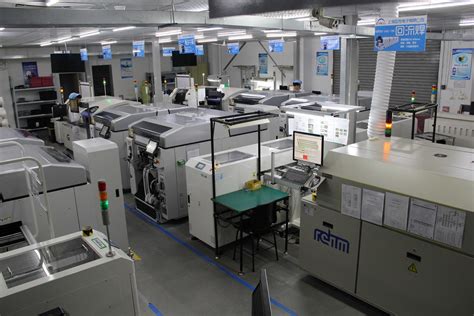
Smart Material Sourcing Cost Savings
Achieving cost efficiency in PCB assembly (PCBA) begins with strategic material sourcing. By leveraging economies of scale and fostering long-term partnerships with certified suppliers, manufacturers can reduce unit costs by 12–18% without compromising quality. For instance, bulk purchasing of surface-mount devices (SMDs) and advanced substrates like high-Tg laminates can lower material costs by up to 22%.
Adopting just-in-time (JIT) procurement for PCBA workflows minimizes inventory costs while ensuring material availability. Advanced analytics tools can predict demand fluctuations, enabling smarter purchasing decisions. For example, consolidating orders for high-demand components like capacitors and resistors reduces per-unit costs by 8–15%.
Additionally, integrating supplier-managed inventory (SMI) programs reduces lead times by 30–45%, directly lowering carrying costs. For example, a PCB assembly line leveraging automated procurement platforms can reduce material waste by 9–12% through real-time price tracking and supplier benchmarking.
Finally, adopting green materials like halogen-free laminates not only aligns with sustainability goals but also reduces long-term disposal costs. For example, using halogen-free FR-4 substrates can lower compliance risks while trimming material costs by 5–7%. By aligning material choices with design-for-manufacturing (DFM) principles, manufacturers achieve up to 20% savings in PCBA material expenditures.
This approach ensures that cost-saving measures align with quality standards, creating a sustainable competitive edge in PCB assembly workflows.
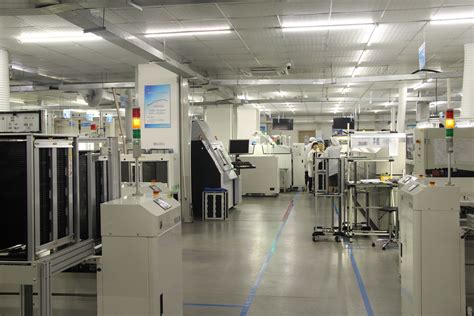
Advanced SMT Equipment ROI Analysis
Investing in advanced SMT equipment requires a rigorous evaluation of return on investment (ROI) to align with cost-efficiency goals in PCBA manufacturing. Modern pick-and-place systems, reflow ovens with closed-loop thermal control, and 3D solder paste inspection (SPI) machines significantly enhance production accuracy while reducing material waste. For instance, high-speed modular placement machines can achieve cycle time reductions of 15–25%, directly lowering labor costs per unit in PCB assembly workflows.
A critical ROI metric lies in equipment uptime optimization. Machines equipped with predictive maintenance algorithms minimize unplanned downtime, which typically accounts for 8–12% of annual production losses in SMT lines. Integrating PCBA-compatible IoT sensors further enables real-time monitoring of component placement accuracy, ensuring first-pass yield improvements that reduce rework expenses by up to 30%.
However, the capital expenditure for cutting-edge SMT tools demands careful lifecycle analysis. A $500,000 automated optical inspection (AOI) system may deliver $180,000/year in defect escape cost savings, achieving breakeven within 2.8 years. To justify such investments, manufacturers must correlate equipment capabilities with volume flexibility and product mix complexity—key drivers in high-mix, low-volume PCB assembly environments.
Transitioning from legacy systems also involves recalibrating workforce skills. While advanced machines reduce manual intervention, operators require training in programming and data interpretation—a factor representing 5–7% of total ROI calculations. Balancing these variables ensures that PCBA producers not only recover upfront costs but also sustain competitive advantages through faster time-to-market and higher throughput consistency.
By aligning equipment upgrades with strategic production goals, manufacturers transform capital investments into long-term profitability engines, reinforcing the cost-quality equilibrium central to modern SMT operations.
Preventive Maintenance for Yield Improvement
A robust PCB assembly process relies on preventive maintenance to minimize unplanned downtime and optimize PCBA yield. By implementing predictive maintenance schedules, manufacturers can identify potential failures in SMT equipment before they escalate. For instance, routine calibration of pick-and-place machines and reflow ovens ensures consistent solder joint quality and minimizes placement inaccuracies.
Integrating real-time monitoring systems into PCB assembly lines enables early detection of deviations in critical parameters like temperature profiles and component placement accuracy. For example, a 2023 industry study found that manufacturers implementing IoT-enabled monitoring reduced equipment-related defects by 32% within six months.
A structured maintenance program should include:
- Automated calibration cycles for solder paste printers to maintain print volume consistency
- Thermal profiling systems to track reflow oven performance in real time
- Regular lubrication and wear analysis for high-speed placement heads
By aligning maintenance schedules with PCBA production cycles, manufacturers achieve a 12-18% improvement in overall equipment effectiveness (OEE), directly impacting throughput and defect rates. Furthermore, pairing maintenance data with machine learning algorithms enables predictive replacement of wear-prone components like nozzles and feeders before they impact quality.
For optimal results, combine scheduled inspections with condition-based monitoring tools that track vibration, temperature, and current draw patterns in critical PCB assembly equipment. This data-driven approach reduces unplanned downtime by up to 41% while extending the service life of high-value assets.
Conclusion
Effective SMT PCBA manufacturing hinges on balancing cost efficiency with uncompromised quality, a goal achievable through strategic alignment of technical and operational practices. By prioritizing intelligent component selection and leveraging PCB assembly automation, manufacturers can reduce material waste while maintaining precision in PCBA production. The integration of lean manufacturing principles further eliminates redundancies, ensuring workflows remain agile and resource-efficient.
Advanced inspection systems, such as AOI and X-ray testing, play a pivotal role in minimizing defects early in the SMT process, preventing costly rework. Pairing these technologies with preventive maintenance schedules extends equipment lifespan, directly improving yield rates and long-term ROI. Equally critical is the adoption of data-driven sourcing strategies, which optimize procurement costs without sacrificing component reliability.
Ultimately, achieving cost-effective PCBA manufacturing requires a holistic approach—one that harmonizes cutting-edge technologies with operational discipline. Manufacturers who invest in process optimization and workforce training will not only streamline production but also build resilience against supply chain fluctuations. As the industry evolves, continuous improvement in SMT assembly methodologies will remain central to sustaining competitiveness in an increasingly demanding market.
Frequently Asked Questions
How does component selection impact overall costs in SMT PCBA manufacturing?
Strategic PCB assembly relies on balancing component specifications with project requirements. Opting for standardized surface-mount devices (SMDs) reduces procurement delays, while avoiding over-engineered parts minimizes excess expenses. For example, selecting automation-compatible packages accelerates PCBA processes and lowers labor costs.
What role does automated inspection play in defect reduction?
Modern automated optical inspection (AOI) systems detect solder defects and misalignments early, preventing costly rework. Integrating these tools into SMT lines improves first-pass yield by up to 30%, directly aligning with lean manufacturing principles outlined in previous sections.
Can smaller manufacturers benefit from advanced SMT equipment investments?
Yes, through phased implementation. Modular pick-and-place systems or upgraded reflow ovens with predictive thermal profiling can deliver measurable ROI within 12-18 months. Many suppliers offer lease-to-own options, making PCBA technology upgrades financially accessible.
How do smart material sourcing strategies reduce supply chain risks?
Dual-sourcing critical components and collaborating with localized distributors for high-volume items ensures inventory stability. Implementing real-time component lifecycle tracking helps avoid obsolete parts, a key consideration for sustainable PCB assembly operations.
What preventive maintenance practices boost production yields?
Scheduled nozzle cleaning for placement machines and calibration checks for solder paste printers maintain process consistency. Documenting maintenance outcomes—as discussed in yield improvement strategies—creates actionable data for long-term PCBA quality control.
Explore Advanced Solutions for Your Project
For tailored strategies in optimizing your SMT PCBA manufacturing workflow, please click here to consult our engineering team. Discover how integrated PCB assembly solutions can align with your cost and quality objectives.