
Key Factors in Partnering With Trusted PCB Assembly Manufacturers
Key Takeaways
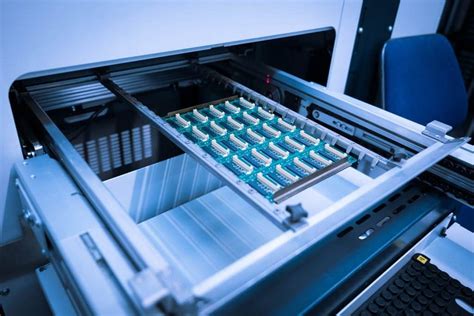
When evaluating PCB assembly partners, understanding core competencies ensures alignment with project requirements. First, prioritize manufacturers with recognized quality certifications (e.g., ISO 9001, IPC-A-610), which validate adherence to global standards in PCBA processes. These certifications act as benchmarks for consistent production quality and defect mitigation. Second, assess advanced assembly capabilities, such as surface-mount technology (SMT) or mixed-technology workflows, which enable handling of complex designs and high-density interconnect (HDI) boards. Manufacturers offering end-to-end solutions—from prototyping to full-scale production—reduce logistical friction and accelerate time-to-market.
Equally critical is responsive technical support. Partners with dedicated engineering teams can troubleshoot design flaws pre-production, minimizing costly revisions. For instance, a PCB assembly provider offering design-for-manufacturability (DFM) analysis ensures designs are optimized for yield and reliability. Additionally, transparent communication channels are vital for resolving issues like component shortages or timeline shifts, safeguarding supply chain continuity.
Finally, consider long-term scalability. A PCBA partner with scalable infrastructure and flexible procurement strategies can adapt to fluctuating demand, preventing bottlenecks. By balancing cost-efficiency with quality assurance—through value-added services like automated optical inspection (AOI)—businesses secure partnerships that drive innovation while maintaining competitive margins. These takeaways form a foundation for building resilient electronics manufacturing collaborations.
PCB Quality Certification Essentials
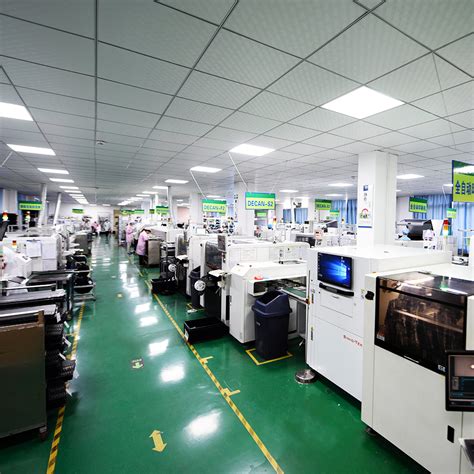
When evaluating PCB assembly partners, verifying quality certifications is non-negotiable for ensuring compliance with global standards and minimizing production risks. Certifications such as ISO 9001 demonstrate a manufacturer’s commitment to systematic quality management, while IPC-A-610 compliance guarantees adherence to acceptability criteria for electronic assemblies. For industries requiring stringent safety protocols, UL certification validates that PCBA components meet rigorous electrical and fire safety benchmarks.
Beyond baseline credentials, specialized certifications like IATF 16949 (for automotive electronics) or AS9100D (for aerospace applications) signal expertise in handling mission-critical projects. Manufacturers with RoHS and REACH compliance further ensure environmental responsibility, aligning with global restrictions on hazardous substances. These certifications collectively act as risk mitigation tools, reducing defects and ensuring consistent quality across production batches.
Transitioning between certification frameworks, it’s critical to assess how a PCB assembly provider audits its supply chain. Partners with traceability systems—such as blockchain-enabled material tracking or real-time quality dashboards—enable clients to monitor compliance at every stage. This transparency becomes vital when scaling production or navigating regulatory audits, as it minimizes disruptions and reinforces accountability.
Finally, prioritize manufacturers that invest in continuous certification renewals. In fast-evolving sectors like medical devices or IoT, outdated standards can lead to costly redesigns. A PCBA partner with up-to-date credentials not only safeguards product integrity but also future-proofs your supply chain against shifting industry requirements.
Advanced PCB Assembly Capabilities Guide
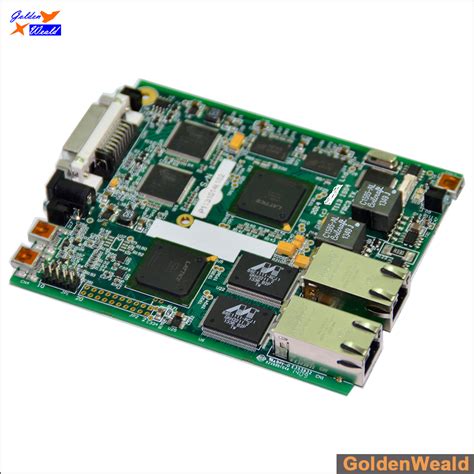
When evaluating PCB assembly partners, understanding their technical proficiencies is critical to ensuring scalability and precision in electronic production. Modern PCBA processes demand integration of cutting-edge technologies, including surface-mount technology (SMT), automated optical inspection (AOI), and 3D solder paste inspection (SPI). These systems enable manufacturers to handle complex designs, such as high-density interconnect (HDI) boards, while maintaining micron-level accuracy.
A manufacturer’s ability to support mixed-technology assembly—combining through-hole components with fine-pitch SMT parts—is equally vital. This flexibility ensures compatibility with legacy designs and emerging IoT applications. Below is a comparison of key PCB assembly capabilities:
| Capability | Industry Standard | Advanced Benchmark |
|---|---|---|
| Component Placement | ±25μm accuracy | ±15μm accuracy with laser alignment |
| Soldering Method | Reflow soldering | Nitrogen-assisted reflow |
| Inspection System | Manual sampling | Real-time AOI with AI defect detection |
| Lead Time | 15-20 business days | 7-10 business days (rapid-turn PCB) |
Equally important is the integration of Industry 4.0 practices, such as predictive maintenance for machinery and digital twin simulations for prototyping. These innovations reduce prototyping iterations by up to 40%, accelerating time-to-market. For PCBA projects requiring high-frequency materials (e.g., Rogers substrates), verify the manufacturer’s expertise in thermal management and impedance control to prevent signal loss.
Finally, assess their supply chain digitization practices. Partners with ERP-MES integration provide real-time component tracking, mitigating risks of shortages for critical parts like multilayer ceramic capacitors (MLCCs). This capability becomes indispensable when scaling production from pilot runs to full-volume orders, ensuring consistency across batches. By prioritizing these advanced competencies, businesses secure partnerships capable of delivering mil-spec reliability in commercial and industrial applications.
Responsive Technical Support in PCB Partnerships
Effective collaboration with PCB assembly manufacturers hinges on access to timely and knowledgeable technical support throughout the product lifecycle. In complex PCBA projects, challenges such as design validation, component substitutions, or process optimizations require partners who can provide 24/7 engineering assistance. Manufacturers with dedicated support teams reduce downtime by addressing issues like solder mask inconsistencies or thermal management concerns before they escalate into costly delays.
A critical advantage lies in cross-functional expertise—teams capable of bridging design, manufacturing, and testing phases. For instance, when a design revision impacts surface-mount technology (SMT) assembly yields, responsive partners analyze design-for-manufacturability (DFM) feedback within hours rather than days. This agility ensures compliance with IPC-A-610 standards while maintaining project timelines. Real-time communication channels, such as shared dashboards or virtual engineering reviews, further enhance transparency, allowing clients to monitor resolution progress and make data-driven decisions.
Proactive support extends beyond troubleshooting. Leading PCB assembly providers offer predictive guidance on emerging technologies like high-density interconnect (HDI) boards or flex-rigid hybrids, aligning production strategies with evolving market demands. By integrating automated assembly diagnostics and failure mode analysis, partners minimize post-production defects, directly impacting end-product reliability.
Ultimately, the depth of technical collaboration shapes long-term partnership value. Manufacturers prioritizing responsive support not only solve immediate problems but also build institutional knowledge that accelerates future projects. This foundation becomes vital when scaling production or adapting to regulatory changes, seamlessly connecting to the next critical consideration: ensuring supply chain resilience in dynamic manufacturing environments.
Ensuring Supply Chain Reliability With PCB Manufacturers
A stable supply chain is the backbone of successful PCB assembly partnerships, particularly when scaling production or managing time-sensitive projects. Manufacturers that prioritize supply chain transparency and risk mitigation strategies demonstrate their capability to deliver PCBA solutions without disruptive delays. Key indicators include multi-tier supplier audits, inventory buffer systems, and geographically diversified component sourcing—all critical for navigating global material shortages or logistical bottlenecks.
Tip: Always verify a manufacturer’s contingency plans for critical components like IC chips or specialized substrates. Ask for documented examples of how they resolved past supply chain disruptions.
Leading PCB assembly providers integrate digital supply chain management tools to offer real-time visibility into material availability and production milestones. For instance, manufacturers adhering to IATF 16949 or ISO 9001 standards often employ predictive analytics to anticipate component lead times, reducing the risk of project stalls. This proactive approach ensures PCBA deliveries align with your product launch timelines, even during volatile market conditions.
Moreover, dual-sourcing agreements for high-risk components and consignment inventory models further strengthen supply chain resilience. A manufacturer’s ability to collaborate on customized warehousing solutions—such as JIT (Just-in-Time) or VMI (Vendor-Managed Inventory)—can optimize cost efficiency while maintaining production flexibility.
“Reliable PCB assembly partners don’t just react to supply chain issues—they build systems to prevent them. Look for suppliers who map their entire component network and share that data openly.”
Finally, assess communication protocols for supply chain updates. Manufacturers offering automated escalation alerts for potential delays and dedicated account managers ensure swift problem resolution. This level of coordination minimizes downtime, allowing your team to focus on design iterations rather than logistical firefighting. By prioritizing these factors, businesses forge PCBA partnerships that withstand market uncertainties while maintaining consistent quality outputs.
Balancing Cost and Quality in PCB Production
Achieving the optimal equilibrium between cost efficiency and production quality remains a critical challenge in PCB assembly partnerships. While minimizing expenses is essential for competitiveness, compromising on quality risks long-term reliability issues and costly rework. The key lies in evaluating value-driven solutions that align technical specifications with budgetary constraints.
Material selection serves as a foundational cost-quality lever. Opting for FR-4 substrates with appropriate glass transition temperatures (Tg) instead of cheaper alternatives ensures thermal stability without inflating material costs disproportionately. Similarly, partnering with PCBA providers who maintain certified supply chains for components mitigates the risk of counterfeit parts, which often create hidden costs through premature device failures.
Advanced manufacturers employ automated optical inspection (AOI) and X-ray testing to detect defects early, reducing scrap rates and post-production troubleshooting expenses. These quality assurance technologies, when integrated into lean manufacturing workflows, enable faster turnaround times while maintaining IPC-A-610 standards. For cost-sensitive projects, value engineering consultations with suppliers can identify opportunities to simplify designs or consolidate components without sacrificing functionality.
Volume pricing strategies further enhance cost control. Reputable PCB assembly firms often offer tiered pricing models, where higher order quantities reduce per-unit costs. However, this requires accurate demand forecasting to avoid overstocking or obsolescence risks. Just-in-time (JIT) procurement agreements, coupled with real-time inventory tracking systems, provide a middle ground for balancing bulk purchasing benefits with flexible production scheduling.
The integration of Design for Manufacturability (DFM) checks during prototyping phases prevents costly redesigns later. Proactive collaboration with PCBA engineers ensures that designs align with existing tooling capabilities and component availability, avoiding last-minute substitutions that compromise performance.
Ultimately, the most sustainable cost-quality balance emerges from transparent partnerships where manufacturers clearly articulate trade-offs between material grades, testing protocols, and lead time options. This alignment enables clients to make informed prioritization decisions tailored to their product lifecycle requirements.
PCB Testing Standards for Reliable Electronics
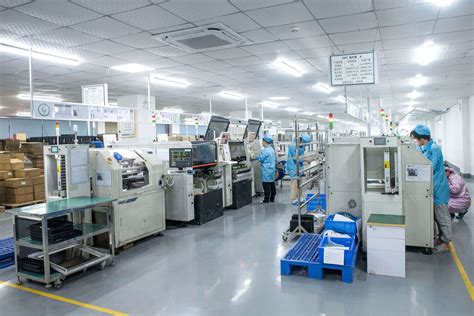
Implementing rigorous PCB testing standards is critical to ensuring the longevity and performance of electronic devices. Reputable PCB assembly manufacturers prioritize multi-layered testing protocols, combining automated and manual inspections to validate functionality at every production stage. In-Circuit Testing (ICT) remains a cornerstone for detecting shorts, opens, and component placement errors, while Automated Optical Inspection (AOI) systems scan solder joints and assembly accuracy with micron-level precision. For high-reliability applications, such as medical or aerospace electronics, X-ray inspection is indispensable for assessing hidden connections like Ball Grid Array (BGA) soldering.
Certifications such as IPC-A-610 and ISO 9001 serve as benchmarks for quality, mandating adherence to industry-recognized acceptance criteria. Leading PCBA providers often integrate Environmental Stress Testing (EST) to simulate thermal cycling, vibration, and humidity exposure, ensuring boards withstand real-world operating conditions. Additionally, Functional Testing (FCT) replicates end-use scenarios to verify signal integrity and power distribution, closing the loop between design intent and manufacturability.
Collaboration with PCB assembly partners should include transparent documentation of test results, including First Article Inspection (FAI) reports and Statistical Process Control (SPC) data. This traceability not only minimizes defect rates but also accelerates root-cause analysis during post-production audits. Manufacturers leveraging Design for Testability (DFT) principles further streamline validation processes, embedding test points and accessibility features into PCB layouts.
By aligning with partners who prioritize these protocols, businesses mitigate risks of field failures and reinforce supply chain resilience. Advanced testing frameworks also enable rapid scalability, as standardized methodologies reduce rework cycles and ensure consistent output across high-volume PCBA orders.
Long-Term Benefits of Trusted PCB Partners
Collaborating with reputable PCB assembly manufacturers extends far beyond immediate project execution, laying the groundwork for sustained operational excellence. A trusted PCBA partner invests in continuous process optimization, ensuring that evolving industry standards—such as ISO 9001 or IPC-A-610 compliance—are consistently met. This alignment minimizes long-term risks like component obsolescence or production delays, particularly when scaling complex designs.
Supply chain resilience is another critical advantage. Established PCB assembly providers maintain robust supplier networks, mitigating disruptions caused by material shortages or geopolitical uncertainties. By integrating just-in-time inventory management and multi-tier sourcing strategies, they safeguard production timelines even during volatile market conditions. Over time, this reliability translates into predictable lead times and reduced overhead costs for OEMs.
Technical collaboration also drives innovation. Seasoned PCBA manufacturers offer design-for-manufacturability (DFM) insights during prototyping, identifying potential flaws in component placement or thermal management early. This proactive approach reduces iteration cycles and accelerates time-to-market for future product generations. Moreover, partners with advanced capabilities—such as HDI PCB assembly or mixed-technology SMT lines—enable clients to adopt cutting-edge technologies without requalifying vendors.
Finally, long-standing partnerships foster cost predictability. Transparent pricing models, combined with volume-based incentives and waste-reduction initiatives, create economies of scale over successive production runs. By avoiding the hidden expenses of rework or quality recalls—common pitfalls with less-experienced PCB assembly firms—businesses can allocate resources toward R&D or market expansion, solidifying their competitive edge.
Transitioning to the next section, selecting manufacturers with specialized industry expertise further amplifies these benefits, ensuring alignment with sector-specific regulatory and technical demands.
Selecting PCB Manufacturers With Industry Expertise
When evaluating potential PCB assembly partners, prioritizing manufacturers with domain-specific expertise ensures alignment with your project’s technical and regulatory demands. PCBA providers versed in your industry’s standards—whether automotive, aerospace, medical, or consumer electronics—bring critical insights into material selection, design-for-manufacturability (DFM) optimizations, and compliance frameworks. For instance, medical device manufacturing requires adherence to ISO 13485 and IPC-A-610 Class 3 standards, while automotive applications demand IATF 16949-certified processes for reliability under extreme conditions.
A manufacturer’s technical proficiency in handling complex designs—such as high-density interconnect (HDI) boards, mixed-material substrates, or flexible circuits—directly impacts product performance. Look for PCB assembly partners that demonstrate proactive collaboration during prototyping, offering value-added feedback on component placement, thermal management, or impedance control. This collaborative approach reduces design iterations and accelerates time-to-market.
Additionally, assess their supply chain acumen. Seasoned PCBA manufacturers maintain robust supplier networks to mitigate component shortages and price volatility, particularly for long-lifecycle industrial products. Verify their ability to source specialized materials, such as high-frequency laminates or lead-free finishes, without compromising quality. Transparent communication about lead times, alternative component options, and risk-mitigation strategies is a hallmark of industry-aligned expertise.
Finally, review their track record in scaling production while maintaining consistency. Manufacturers with experience in high-mix, low-volume (HMLV) or high-volume runs should provide documented quality metrics, such as first-pass yield rates and defect-per-million (DPM) performance. This ensures seamless transitions from prototyping to full-scale manufacturing, aligning with your product’s lifecycle demands.
Conclusion
Selecting the right PCB assembly partner is a strategic decision that directly impacts product performance, market competitiveness, and long-term business sustainability. As the electronics industry evolves, manufacturers must prioritize partners who demonstrate proactive adaptability to emerging technologies while maintaining rigorous adherence to quality benchmarks. A trusted PCBA provider combines advanced manufacturing capabilities—such as automated optical inspection (AOI) and surface-mount technology (SMT)—with transparent communication protocols to align with your project’s technical and operational demands.
Equally critical is evaluating a manufacturer’s supply chain resilience, particularly in mitigating risks like component shortages or geopolitical disruptions. Partners with robust vendor networks and real-time inventory tracking systems ensure continuity, even in volatile markets. Additionally, a collaborative approach to testing standards—including in-circuit testing (ICT) and functional validation—guarantees that end products meet both regulatory compliance and end-user expectations.
While cost remains a vital consideration, the true value of a PCB assembly partnership lies in its ability to scale alongside your business. Manufacturers offering design-for-manufacturability (DFM) feedback and rapid prototyping support empower innovation without compromising timelines. By fostering relationships built on technical expertise and shared accountability, businesses can transform transactional engagements into enduring collaborations that drive technological advancement and market success.
FAQs
What certifications should I prioritize when selecting a PCB assembly partner?
Look for manufacturers with ISO 9001 (quality management), ISO 13485 (medical devices), and IPC-A-610 (electronic assembly standards). These certifications ensure adherence to industry benchmarks for PCBA processes and product reliability.
How do advanced production capabilities affect project timelines?
Manufacturers equipped with automated pick-and-place systems, 3D AOI inspection, and flexible SMT lines can accelerate prototyping and scale mass production efficiently. This minimizes delays and ensures consistency in high-volume PCB assembly orders.
What defines responsive technical support in PCBA partnerships?
A reliable partner offers 24/7 engineering assistance, real-time production tracking, and proactive issue resolution. This includes DFM (Design for Manufacturability) feedback to optimize designs before PCB assembly begins.
How can supply chain risks be mitigated with PCB assembly manufacturers?
Choose partners with dual-sourcing strategies for critical components, transparent inventory management systems, and contingency plans for material shortages. This reduces disruptions in PCBA workflows during market fluctuations.
Is cost reduction possible without compromising PCB assembly quality?
Yes. Prioritize manufacturers offering value engineering services to simplify designs, reduce layer counts, or optimize panel utilization. Pair this with bulk-order discounts while maintaining rigorous PCBA testing protocols.
What testing standards are non-negotiable for reliable electronics?
Ensure in-circuit testing (ICT), functional testing (FCT), and environmental stress screening (ESS) are included. These validate performance under real-world conditions and align with PCB assembly reliability requirements.
Explore Custom PCBA Solutions Today
Ready to streamline your electronics manufacturing? Please click here to connect with experts specializing in high-reliability PCB assembly and end-to-end project support.