
Understanding Rogers PCB Price: Factors, Trends, and Market Insights
Printed circuit boards (PCBs) are the backbone of modern electronics, enabling the functionality of devices ranging from smartphones to aerospace systems. Among the various types of PCBs, Rogers PCBs stand out for their exceptional performance in high-frequency and high-speed applications. However, the cost of Rogers PCBs is often a topic of interest for engineers, designers, and procurement professionals. This article delves into the factors influencing Rogers PCB price, market trends, and strategies to optimize costs without compromising quality.
What Are Rogers PCBs?
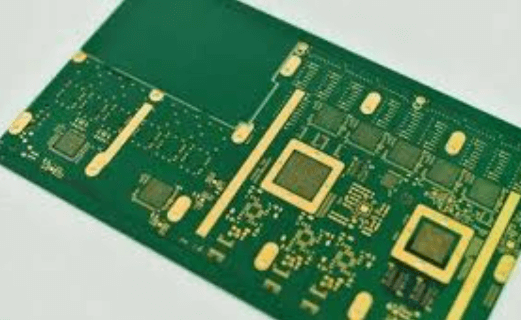
Rogers PCBs are a specialized type of PCB that uses Rogers Corporation’s high-performance laminates as the substrate material. Unlike traditional FR-4 PCBs, Rogers materials are engineered to provide superior electrical, thermal, and mechanical properties. These laminates are particularly well-suited for applications requiring high-frequency signal integrity, low dielectric loss, and stable performance under extreme conditions.
Rogers Corporation offers a wide range of materials, including RO4000® series, RO3000® series, and TMM® series, each tailored for specific applications such as RF/microwave circuits, automotive radar systems, 5G infrastructure, and aerospace electronics.
Why Are Rogers PCBs More Expensive?
The price of Rogers PCBs is generally higher than that of standard FR-4 PCBs due to several factors:
- Material Cost: Rogers laminates are significantly more expensive than traditional FR-4 materials. The advanced formulations and proprietary manufacturing processes used to create these materials contribute to their higher cost.
- Manufacturing Complexity: Rogers PCBs require specialized fabrication techniques due to the unique properties of the materials. For example, Rogers laminates have different drilling, etching, and lamination requirements compared to FR-4, which increases production complexity and cost.
- High Precision Requirements: Rogers PCBs are often used in high-frequency and high-speed applications, where even minor imperfections can degrade performance. This necessitates tighter tolerances, advanced equipment, and rigorous quality control, all of which add to the cost.
- Low Volume Production: Many Rogers PCB applications are niche or low-volume, such as aerospace or defense projects. The lack of economies of scale in these markets further drives up prices.
- Certifications and Testing: Rogers PCBs used in critical industries like aerospace, medical, or automotive often require additional certifications (e.g., ISO, AS9100) and testing (e.g., thermal cycling, signal integrity analysis), which increase costs.
Key Factors Influencing Rogers PCB Price
The price of Rogers PCBs is influenced by a combination of design, material, and manufacturing factors. Understanding these factors can help stakeholders make informed decisions and optimize costs.
1. Material Selection
- Laminate Type: Different Rogers materials have varying costs. For example, RO4000® series laminates are generally more affordable than RO3000® or TMM® series due to differences in composition and performance.
- Layer Count: Multilayer Rogers PCBs are more expensive than single or double-layer boards due to the additional materials and processing required.
- Copper Thickness: Thicker copper layers increase material costs and require more advanced etching processes.
2. Design Complexity
- Board Size and Shape: Larger or irregularly shaped boards require more material and may involve additional machining steps.
- Trace Width and Spacing: Tighter trace widths and spacing demand higher precision during fabrication, increasing costs.
- Via Types: Complex via structures, such as blind or buried vias, add to the manufacturing complexity and cost.
3. Manufacturing Process
- Surface Finish: The choice of surface finish (e.g., ENIG, HASL, immersion silver) affects the price. ENIG (Electroless Nickel Immersion Gold) is commonly used for Rogers PCBs but is more expensive than HASL (Hot Air Solder Leveling).
- Drilling and Routing: High-density designs with small holes or intricate routing patterns require advanced equipment and longer processing times.
- Quality Control: Rigorous testing and inspection processes, such as impedance testing or X-ray inspection, add to the overall cost.
4. Volume and Lead Time
- Order Quantity: Higher volumes typically reduce the per-unit cost due to economies of scale. However, Rogers PCBs are often produced in smaller quantities, which can drive up prices.
- Lead Time: Expedited production schedules may incur additional charges.
5. Supplier and Location
- Supplier Expertise: Manufacturers with extensive experience in Rogers PCBs may charge a premium for their expertise and reliability.
- Geographic Location: Labor costs, shipping fees, and import/export tariffs vary by region, impacting the final price.
Market Trends Impacting Rogers PCB Price
The Rogers PCB market is influenced by several trends that affect pricing dynamics:
- Growing Demand for 5G Technology: The rollout of 5G networks has significantly increased the demand for Rogers PCBs, which are essential for high-frequency RF components. This surge in demand has put upward pressure on prices.
- Automotive Radar Systems: Advanced driver-assistance systems (ADAS) and autonomous vehicles rely on Rogers PCBs for radar and sensor modules. The automotive industry’s rapid adoption of these technologies has driven demand and prices higher.
- Aerospace and Defense Applications: The aerospace and defense sectors require high-reliability PCBs for mission-critical systems. The stringent quality and performance requirements in these industries contribute to higher costs.
- Supply Chain Disruptions: Global supply chain challenges, such as material shortages and logistics delays, have impacted the availability and cost of Rogers laminates.
- Technological Advancements: Innovations in Rogers materials, such as improved thermal conductivity or lower dielectric loss, may lead to higher prices for next-generation laminates.
Strategies to Optimize Rogers PCB Costs
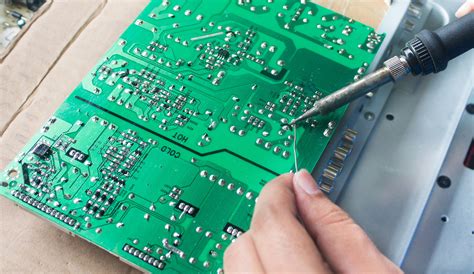
While Rogers PCBs are inherently more expensive, there are several strategies to manage costs effectively:
- Design Optimization:
- Work closely with your PCB manufacturer to optimize the design for manufacturability (DFM). Simplifying the layout, reducing layer counts, and minimizing complex features can lower costs.
- Use simulation tools to validate the design before fabrication, reducing the risk of costly revisions.
- Material Selection:
- Choose the most cost-effective Rogers material that meets your performance requirements. For example, RO4000® series laminates may be suitable for many applications and are more affordable than RO3000® or TMM® series.
- Consider hybrid designs that combine Rogers materials with FR-4 for non-critical layers, reducing overall material costs.
- Volume Planning:
- Plan production in larger quantities to take advantage of economies of scale. However, ensure that the volume aligns with your actual needs to avoid excess inventory.
- Supplier Collaboration:
- Partner with experienced Rogers PCB manufacturers who can provide cost-effective solutions without compromising quality.
- Request quotes from multiple suppliers to compare prices and negotiate favorable terms.
- Lead Time Management:
- Plan ahead to avoid rush orders, which often incur additional charges. Allow sufficient lead time for production and testing.
- Value Engineering:
- Evaluate the entire product lifecycle to identify cost-saving opportunities. For example, using alternative materials or processes in non-critical areas can reduce costs.
Conclusion
Rogers PCBs are a critical enabler of high-performance electronics, offering unmatched signal integrity, thermal management, and reliability. However, their higher price compared to traditional PCBs is a significant consideration for many projects. By understanding the factors that influence Rogers PCB price and implementing cost optimization strategies, stakeholders can strike a balance between performance and affordability.
As the demand for advanced technologies like 5G, autonomous vehicles, and aerospace systems continues to grow, the importance of Rogers PCBs will only increase. Manufacturers and designers must stay informed about market trends, material innovations, and cost-saving techniques to remain competitive in this dynamic industry. Ultimately, investing in Rogers PCBs is not just about cost—it’s about delivering the performance and reliability that modern electronics demand.