
Automated PCB Manufacturing: Small-Scale Startup Guide
Key Takeaways
When launching a compact PCB manufacturing operation, balancing automation with budget constraints is critical. Start by identifying core processes that benefit most from automation—like solder paste application or pick-and-place systems—to reduce PCB manufacturing cost while maintaining precision.
"Prioritize modular machinery that grows with your output. A phased investment approach minimizes upfront expenses and allows gradual scaling."
For small-scale PCB manufacturing business models, consider these cost-effective strategies:
| Factor | Entry-Level Option | Scalable Alternative |
|---|---|---|
| Assembly Equipment | Desktop pick-and-place | Modular robotic systems |
| Inspection Tools | Manual microscopy | Automated optical inspection |
| Soldering Solutions | Reflow ovens (batch-based) | Conveyorized infrared systems |
Focus on PCB manufacturing companies that offer leasing programs or refurbished equipment to lower initial capital. Optimize workflow by integrating design software with production tools, reducing errors and material waste. Batch scheduling and inventory management software further streamline operations in compact setups.
To minimize PCB manufacturing cost in small batches, adopt panelization techniques and negotiate bulk material pricing with suppliers. Reinvest early profits into automation upgrades—like adding a second conveyor line—to prepare for scaling without disrupting existing workflows.
Automation Solutions for Small PCB Units
Implementing automation in a PCB manufacturing setup doesn’t require massive upfront investments if you prioritize modular systems and phased integration. Start by identifying repetitive tasks—like solder paste application or component placement—that consume disproportionate time in small-scale operations. Desktop pick-and-place machines and automated optical inspection (AOI) systems are cost-effective entry points, offering precision while reducing labor-dependent errors. For PCB manufacturing companies targeting low-volume orders, hybrid workflows (combining manual and automated stages) can balance PCB manufacturing cost and output consistency.
When selecting tools, focus on scalable software that adapts to design changes without requiring hardware overhauls. Cloud-based process monitoring, for example, lets you track production metrics in real time, minimizing downtime. To further optimize your PCB manufacturing business, consider leasing equipment or partnering with local suppliers for shared access to high-end machinery. This approach preserves capital while maintaining flexibility to scale as demand grows.
Transitioning to automation also demands rethinking workflow layouts. Position machines in a U-shaped line to shorten material transfer distances, and integrate smart inventory management to avoid stockouts. Even in compact spaces, these adjustments can boost throughput by 30–50%, making small-batch PCB manufacturing viable without compromising margins.
Cost-Effective PCB Production Methods
When launching a PCB manufacturing business, balancing quality and affordability requires strategic planning. Start by prioritizing modular equipment that adapts to varying production volumes—this reduces upfront investment while maintaining flexibility. Established PCB manufacturing companies often lease machinery or use refurbished models for high-precision tasks like solder paste application or pick-and-place assembly, slashing PCB manufacturing cost by up to 40%.
Focus on energy-efficient tools to minimize utility expenses, and implement automated quality control systems to reduce material waste. For small-batch orders, consider panelization—grouping multiple designs onto a single board—to optimize raw material usage. Partnering with local suppliers for bulk purchases of substrates and solder masks further trims operational costs.
To streamline your PCB manufacturing business, adopt software for real-time production monitoring. This helps identify bottlenecks and adjust workflows before delays escalate. For example, integrating predictive maintenance alerts for machinery prevents costly downtime. By combining smart automation with lean inventory practices, you can achieve competitive pricing without compromising reliability—a critical edge in low-volume markets.

Scaling Strategies for Growing PCB Startups
As your PCB manufacturing business gains traction, balancing expansion with cost control becomes critical. Start by evaluating modular equipment upgrades—systems that allow incremental capacity increases without overhauling existing infrastructure. For example, pairing a base-level pick-and-place machine with expandable feeder banks lets you handle larger batches while maintaining flexibility for smaller orders.
Focus on automation integration to reduce reliance on manual processes. Implementing robotic soldering or optical inspection systems not only improves consistency but also positions your operation competitively among established PCB manufacturing companies. Track yield rates and cycle times using IoT-enabled analytics—data-driven decisions help optimize PCB manufacturing cost per unit as volumes grow.
Strengthen supplier relationships to secure bulk material pricing without compromising quality. Consider tiered partnerships with laminate vendors and component distributors, locking in rates at predefined production milestones. This approach cushions against market fluctuations common in the PCB manufacturing business.
When scaling, prioritize workforce training alongside technology. Cross-train technicians to operate multiple automated systems, creating operational redundancy. For deeper insights on balancing automation investments with growth targets, review industry benchmarks. Finally, allocate 15-20% of quarterly profits to R&D—proactively addressing emerging technologies like HDI or flexible PCB capabilities ensures long-term relevance in evolving markets.
Essential Tools for Automated PCB Assembly
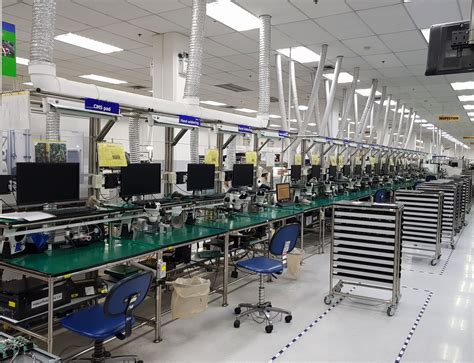
To build an efficient PCB manufacturing setup, you’ll need tools that balance precision, speed, and scalability. Start with a semi-automated pick-and-place machine—ideal for small batches—paired with a reflow oven for consistent soldering. These core systems minimize manual errors while keeping PCB manufacturing cost manageable. For quality control, integrate an automated optical inspection (AOI) system to detect defects early, reducing material waste.
A compact PCB manufacturing business also requires software like computer-aided manufacturing (CAM) tools to streamline design-to-production workflows. Modular conveyor systems ensure smooth material flow between stations, maximizing floor space in limited-area facilities. Don’t overlook stencil printers; even basic automated models improve solder paste accuracy, which is critical for high-yield outcomes.
When selecting machinery, prioritize vendors offering upgradable solutions. For example, starting with a mid-tier PCB assembly line allows scaling as demand grows, avoiding overinvestment upfront. Collaboration with established PCB manufacturing companies for equipment leasing or refurbished options can further lower initial expenses. By focusing on tools that align with your production volume and automation goals, you’ll create a foundation that supports both quality and profitability in small-scale operations.

Budget Planning for Mini PCB Facilities
Effective budget planning separates viable pcb manufacturing ventures from costly missteps. Start by allocating 40-50% of your initial capital to core equipment—entry-level pick-and-place machines, solder paste printers, and reflow ovens with modular automation capabilities. For mini facilities, prioritize pcb manufacturing companies offering refurbished or lease-to-own options to reduce upfront pcb manufacturing cost by 30-60%.
Next, map recurring expenses: raw materials (15-20% of monthly costs), maintenance contracts (5-8%), and energy-efficient workspace design. Use predictive analytics tools to forecast material waste rates—a critical factor in small-batch pcb manufacturing business profitability. For example, embedding IoT sensors in production lines can cut copper laminate waste by 12-18% annually.
Don’t overlook hidden expenses like ISO certification fees (€2,000–€5,000) or staff training for automated systems. Allocate 8-10% of your budget to contingency funds for supply chain fluctuations. Finally, adopt a phased investment strategy: deploy 70% of automation budgets in Year 1, reserving the remainder for scaling after validating workflow efficiency. Compare pcb manufacturing cost benchmarks from regional suppliers to negotiate bulk component pricing—a 15% discount on FR4 substrates alone could save €6,000/year for a 500-board/month operation.
Minimizing Costs in Small-Batch Manufacturing
When launching a PCB manufacturing operation, balancing quality with affordability becomes critical—especially for small-batch production. Start by optimizing material procurement: partner with suppliers offering volume discounts for substrates and laminates, even for modest orders. Many PCB manufacturing companies negotiate flexible pricing for repeat clients, which can lower your per-unit costs over time. Next, prioritize modular equipment that handles multiple processes—like laser drilling and solder paste application—to reduce machinery expenses.
Automation plays a pivotal role here. Implementing semi-automated inspection systems minimizes labor hours while maintaining precision, directly addressing PCB manufacturing cost concerns. For prototyping or limited runs, consider panelization—grouping multiple designs onto a single board—to maximize material usage. Software tools that simulate layouts before production can also prevent costly design errors.
Energy efficiency is another often-overlooked factor. Upgrading to variable-speed compressors or LED lighting in your PCB manufacturing business slashes utility bills without compromising output. Finally, adopt lean inventory practices—stock only essential components and leverage just-in-time ordering to avoid tied-up capital. By integrating these strategies, you create a cost-aware foundation that scales smoothly as demand grows.
Optimizing Workflow in Compact PCB Shops
When running a small-scale PCB manufacturing operation, every square foot and minute counts. Start by mapping your production process to identify bottlenecks—common culprits include manual material handling or inconsistent quality checks. Implementing modular automation tools, like benchtop pick-and-place machines or automated optical inspection (AOI) systems, can reduce repetitive tasks while maintaining precision. For PCB manufacturing companies with limited space, vertical storage solutions and mobile workstations maximize floor layout efficiency.
Integrate software that synchronizes design files with production schedules—tools like Manufacturing Execution Systems (MES) track real-time progress, minimizing delays. Lean principles, such as 5S methodology, help organize tools and components, cutting search time by up to 30%. To control PCB manufacturing cost, batch similar orders to reduce machine recalibration cycles and material waste.
Collaborate closely with suppliers for just-in-time material delivery, reducing inventory overhead. For PCB manufacturing business scalability, document standardized workflows early—this ensures smoother onboarding as you expand. Finally, cross-train staff to handle multiple roles, creating flexibility during demand spikes without overstaffing. These steps transform cramped spaces into agile, profit-focused production hubs.

Choosing Machinery for Automated PCB Lines
When building an automated PCB manufacturing line, prioritizing scalability and precision ensures long-term viability. Start with a pick-and-place machine capable of handling components as small as 01005 for high-density boards—critical for modern electronics. Pair this with a reflow soldering system that maintains consistent temperature profiles, reducing defects in small-batch runs. For inspection, integrate an automated optical inspection (AOI) unit to catch errors early, minimizing PCB manufacturing cost from rework.
Modularity matters: Opt for machinery with upgradeable software and hardware. For example, entry-level PCB manufacturing companies often begin with semi-automatic screen printers but later transition to fully automated models as demand grows. Consider conveyorized handling systems to link equipment, which streamlines workflows in compact setups. While upfront investments may seem steep, focus on total cost of ownership—energy-efficient models and predictive maintenance features lower operational expenses over time.
Finally, align equipment choices with your PCB manufacturing business goals. If prototyping dominates, prioritize flexibility over speed. For volume scaling, emphasize throughput and compatibility with industry-standard CAD/CAM software. Balancing these factors ensures your automated line remains competitive without overextending budgets.
Conclusion
Establishing a compact PCB manufacturing operation requires balancing strategic automation with meticulous budget planning. While PCB manufacturing companies often emphasize large-scale production, your focus on niche automation can create a competitive edge, especially when optimizing PCB manufacturing cost through smart equipment choices and workflow design. By prioritizing modular machinery that supports scalability, you ensure that initial investments align with future growth—a critical factor for sustaining a PCB manufacturing business in evolving markets.
Remember, minimizing overhead in small-batch production isn’t just about cutting expenses; it’s about leveraging data-driven workflows to maintain quality while controlling PCB manufacturing cost. Transitioning from prototype phases to full-scale runs demands continuous refinement of automated processes, ensuring your facility remains agile. As you scale, revisit your financial models to align with market demands, reinforcing the foundation that makes small-scale PCB manufacturing viable. The journey from startup to established player hinges on marrying innovation with practicality—a principle that defines success in this dynamic industry.
Frequently Asked Questions
How does automation benefit small-scale PCB manufacturing operations?
Automation reduces manual errors and increases production consistency, crucial for maintaining quality in compact setups. By integrating pick-and-place machines and automated optical inspection (AOI) systems, you can achieve higher throughput while minimizing PCB manufacturing cost over time.
What are the primary challenges when scaling a PCB manufacturing business?
Scaling requires balancing equipment upgrades with demand forecasts. Startups often struggle with machine compatibility and workflow bottlenecks. Implementing modular automation solutions allows gradual expansion without disrupting existing processes.
Can small PCB manufacturing companies compete with larger factories?
Yes, by focusing on niche markets like low-volume prototypes or specialized designs. Leveraging agile automation tools enables faster turnaround times—a key advantage when catering to clients needing rapid iterations.
Which machines are essential for automated PCB manufacturing?
Core equipment includes laser direct imaging (LDI) systems, automated solder paste printers, and reflow ovens. Prioritize machines with scalable software interfaces to simplify future upgrades as your production needs grow.
How do you budget for PCB manufacturing cost in a mini facility?
Allocate 40-50% of initial funds to automation-ready machinery. Use cloud-based production monitoring tools to track material waste and energy usage—critical for maintaining lean operations in small-batch scenarios.
Ready to Optimize Your PCB Manufacturing Workflow?
Explore Tailored Automation Solutions Here
Click here to discover how our expertise in compact PCB manufacturing systems can streamline your startup’s path to profitability.