
Cheap PCB Manufacturing: Balancing Cost and Quality
Printed Circuit Boards (PCBs) are the backbone of modern electronics, serving as the foundation for everything from smartphones to industrial machinery. As the demand for electronics continues to grow, so does the need for affordable PCB manufacturing. However, achieving cheap PCB manufacturing without compromising quality is a challenge that requires careful consideration of materials, processes, and suppliers. This article explores the key factors that influence the cost of PCB manufacturing and how to strike the right balance between affordability and reliability.
1. Understanding the Cost Drivers in PCB Manufacturing
The cost of PCB manufacturing is influenced by several factors, including:
- Material Selection: The type of substrate, copper thickness, and solder mask used can significantly impact the cost. Standard materials like FR-4 are more affordable than high-performance alternatives like Rogers or ceramic-based substrates.
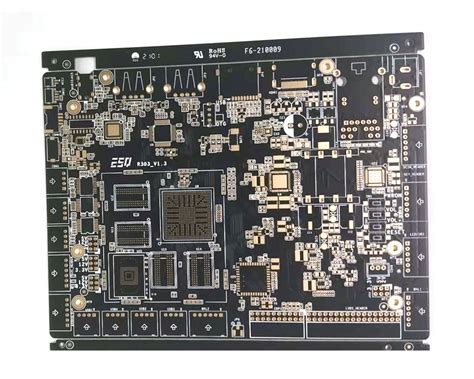
- Board Complexity: The number of layers, the density of components, and the precision of traces and vias all affect the cost. Multilayer boards with intricate designs are more expensive to produce than simple single or double-layer boards.
- Production Volume: Economies of scale play a significant role in PCB manufacturing. Larger production runs typically reduce the cost per unit, while small batches or prototypes may incur higher costs.
- Turnaround Time: Expedited manufacturing services often come at a premium. Standard lead times are more cost-effective, but they may not be suitable for urgent projects.
- Quality Standards: Meeting specific quality certifications, such as ISO or UL, can increase costs due to stricter manufacturing and testing requirements.
2. Strategies for Affordable PCB Manufacturing
To achieve cheap PCB manufacturing without sacrificing quality, consider the following strategies:
a. Optimize Design for Manufacturability (DFM)
Designing your PCB with manufacturability in mind can reduce costs. This includes minimizing the number of layers, avoiding unnecessary complexity, and adhering to standard design rules. Collaboration with your manufacturer during the design phase can help identify cost-saving opportunities.
b. Choose the Right Materials
Selecting cost-effective materials that meet your performance requirements is crucial. For most applications, standard FR-4 substrates are sufficient and more affordable than specialized materials. However, ensure that the chosen materials are compatible with your design and application.
c. Leverage Economies of Scale
If possible, plan for larger production runs to take advantage of bulk pricing. Many manufacturers offer discounts for higher volumes, which can significantly reduce the cost per unit.
d. Compare Multiple Suppliers
Not all PCB manufacturers offer the same pricing or quality. Obtain quotes from multiple suppliers and compare their offerings. Look for manufacturers that specialize in low-cost production while maintaining a reputation for quality.
e. Consider Offshore Manufacturing
Manufacturing PCBs in countries with lower labor costs, such as China or India, can result in significant savings. However, be mindful of potential challenges, such as longer lead times and communication barriers. Ensure that the manufacturer adheres to international quality standards.
f. Use Standard Components and Processes
Custom components and specialized manufacturing processes can drive up costs. Whenever possible, use standard components and processes to keep costs down.
3. Balancing Cost and Quality
While cost is an important consideration, it should not come at the expense of quality. Poor-quality PCBs can lead to product failures, increased warranty claims, and damage to your brand reputation. To ensure a balance between cost and quality:
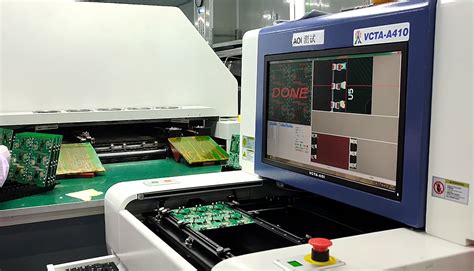
- Conduct Thorough Testing: Even with cost-saving measures, ensure that your PCBs undergo rigorous testing, such as electrical testing, thermal testing, and reliability testing.
- Work with Reputable Manufacturers: Choose manufacturers with a proven track record of delivering high-quality PCBs. Read reviews, ask for references, and verify certifications.
- Monitor Quality Throughout Production: Maintain open communication with your manufacturer and request regular updates on the production process. This allows you to address any issues early and ensure that quality standards are met.
4. The Role of Technology in Cheap PCB Manufacturing
Advancements in technology have made it easier to achieve affordable PCB manufacturing. Automated production lines, advanced design software, and improved manufacturing techniques have reduced costs while maintaining high quality. Additionally, online platforms and marketplaces have made it easier to compare prices and find cost-effective suppliers.
5. Conclusion
Cheap PCB manufacturing is achievable, but it requires careful planning and a strategic approach. By optimizing your design, selecting the right materials, leveraging economies of scale, and working with reputable manufacturers, you can reduce costs without compromising quality. As the electronics industry continues to evolve, staying informed about the latest trends and technologies will help you make informed decisions and maintain a competitive edge.
In the end, the goal is to produce reliable, high-quality PCBs that meet your project requirements while staying within budget. By striking the right balance between cost and quality, you can ensure the success of your electronic products in an increasingly competitive market.