
The Evolution and Impact of PCB Board Making Machines
Introduction
Printed Circuit Boards (PCBs) are the backbone of modern electronics, serving as the foundation for virtually every electronic device we use today. From smartphones and computers to medical equipment and automotive systems, PCBs are essential for connecting and supporting electronic components. The manufacturing of PCBs has evolved significantly over the years, with PCB board making machines playing a pivotal role in this transformation. This article delves into the intricacies of PCB board making machines, their evolution, types, working principles, and their impact on the electronics industry.
The Evolution of PCB Board Making Machines
The history of PCB manufacturing dates back to the early 20th century, when simple methods like point-to-point wiring were used to connect electronic components. However, as electronics became more complex, the need for a more efficient and reliable method of connecting components became apparent. This led to the development of PCBs, which allowed for the mass production of electronic devices.
Early PCB manufacturing was a labor-intensive process, involving manual etching, drilling, and soldering. The introduction of automated PCB board making machines in the mid-20th century revolutionized the industry. These machines automated many of the processes involved in PCB manufacturing, significantly reducing production time and increasing precision.
Over the years, PCB board making machines have continued to evolve, incorporating advanced technologies such as computer-aided design (CAD), computer-aided manufacturing (CAM), and robotics. Today, modern PCB board making machines are capable of producing highly complex and precise PCBs at a rapid pace, meeting the demands of the ever-growing electronics industry.
Types of PCB Board Making Machines
PCB board making machines come in various types, each designed to perform specific tasks in the PCB manufacturing process. Some of the most common types include:
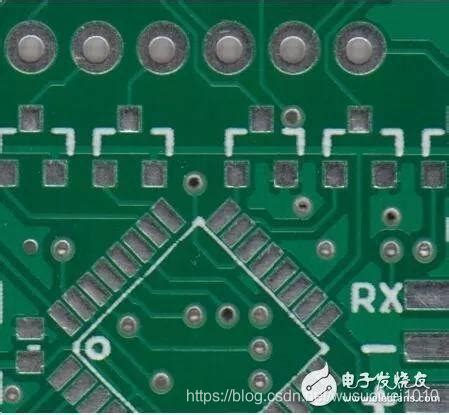
- PCB Etching Machines: These machines are used to remove unwanted copper from the PCB substrate, leaving behind the desired circuit pattern. The etching process typically involves the use of chemicals, such as ferric chloride or ammonium persulfate, to dissolve the copper. Modern etching machines are equipped with advanced control systems to ensure precise and consistent etching.
- PCB Drilling Machines: Drilling is a critical step in PCB manufacturing, as it creates holes for mounting components and vias for connecting different layers of the PCB. PCB drilling machines use high-speed drills to create precise holes in the PCB substrate. These machines are often equipped with automatic tool changers and vision systems to ensure accuracy and efficiency.
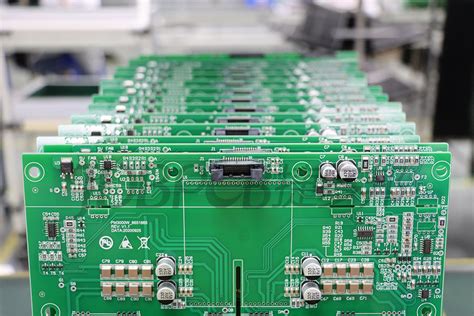
- PCB Lamination Machines: Lamination is the process of bonding multiple layers of PCB material together to create a multi-layer PCB. PCB lamination machines apply heat and pressure to the layers, ensuring a strong and durable bond. These machines are essential for producing complex, high-density PCBs used in advanced electronic devices.
- PCB Soldering Machines: Soldering is the process of joining electronic components to the PCB using solder, a metal alloy that melts at a relatively low temperature. PCB soldering machines, such as reflow ovens and wave soldering machines, automate the soldering process, ensuring consistent and reliable connections. These machines are crucial for high-volume PCB production.
- PCB Inspection Machines: Quality control is a critical aspect of PCB manufacturing. PCB inspection machines, such as automated optical inspection (AOI) machines and X-ray inspection machines, are used to detect defects in the PCB, such as short circuits, open circuits, and misaligned components. These machines help ensure that the final product meets the required quality standards.
- PCB Routing Machines: Routing is the process of cutting the PCB to its final shape and size. PCB routing machines use high-speed routers to cut the PCB substrate with precision. These machines are often equipped with CNC (computer numerical control) systems, allowing for the production of complex PCB shapes.
Working Principles of PCB Board Making Machines
The working principles of PCB board making machines vary depending on the specific type of machine and the task it performs. However, most modern PCB board making machines share some common features and principles:
- Automation: Automation is a key feature of modern PCB board making machines. These machines are equipped with advanced control systems, such as CNC and PLC (programmable logic controller) systems, which allow for precise control of the manufacturing process. Automation not only increases production speed but also reduces the risk of human error, resulting in higher-quality PCBs.
- Precision and Accuracy: Precision and accuracy are critical in PCB manufacturing, as even minor errors can lead to faulty circuits. PCB board making machines are designed to achieve high levels of precision, often with tolerances in the range of micrometers. This is achieved through the use of high-quality components, advanced control systems, and precise calibration.
- Integration with CAD/CAM Systems: Modern PCB board making machines are often integrated with CAD/CAM systems, which allow for the seamless transfer of design data from the design stage to the manufacturing stage. This integration ensures that the final product matches the design specifications exactly, reducing the risk of errors and rework.
- Flexibility and Scalability: PCB board making machines are designed to be flexible and scalable, allowing manufacturers to produce a wide range of PCB types and sizes. This flexibility is particularly important in the electronics industry, where the demand for different types of PCBs can vary widely. Scalability allows manufacturers to increase production capacity as needed, ensuring that they can meet the demands of their customers.
Impact of PCB Board Making Machines on the Electronics Industry
The advent of PCB board making machines has had a profound impact on the electronics industry, enabling the mass production of high-quality PCBs and driving the rapid advancement of electronic technology. Some of the key impacts include:
- Increased Production Efficiency: PCB board making machines have significantly increased the efficiency of PCB manufacturing. Automation and advanced control systems have reduced production time, allowing manufacturers to produce large quantities of PCBs in a short period. This has enabled the electronics industry to keep up with the growing demand for electronic devices.
- Improved Quality and Reliability: The precision and accuracy of PCB board making machines have led to a significant improvement in the quality and reliability of PCBs. Automated inspection machines ensure that defects are detected and corrected early in the manufacturing process, reducing the risk of faulty products reaching the market. This has contributed to the overall reliability of electronic devices.
- Cost Reduction: The automation of PCB manufacturing has led to a reduction in labor costs, as fewer workers are needed to operate the machines. Additionally, the increased efficiency and reduced error rates have led to lower production costs, making PCBs more affordable. This cost reduction has been passed on to consumers, making electronic devices more accessible to a wider audience.
- Enabling Technological Advancements: The ability to produce complex and high-density PCBs has enabled the development of advanced electronic devices, such as smartphones, tablets, and wearable technology. PCB board making machines have played a crucial role in the miniaturization of electronic components, allowing for the creation of smaller, more powerful devices.
- Supporting Innovation and Customization: The flexibility and scalability of PCB board making machines have supported innovation and customization in the electronics industry. Manufacturers can easily produce custom PCBs tailored to specific applications, allowing for the development of unique and innovative products. This has led to a proliferation of new electronic devices and applications, driving further advancements in technology.
Challenges and Future Trends
Despite the many advantages of PCB board making machines, there are still challenges that need to be addressed. One of the main challenges is the environmental impact of PCB manufacturing, particularly the use of hazardous chemicals in the etching process. Efforts are being made to develop more environmentally friendly manufacturing processes, such as the use of water-based etchants and lead-free solder.
Another challenge is the increasing complexity of PCBs, particularly in high-density interconnect (HDI) PCBs and flexible PCBs. As electronic devices become more advanced, the demand for PCBs with finer traces, smaller vias, and more layers is increasing. This requires PCB board making machines to be even more precise and capable of handling more complex designs.
Looking to the future, several trends are expected to shape the evolution of PCB board making machines:
- Increased Automation and AI Integration: The integration of artificial intelligence (AI) and machine learning into PCB board making machines is expected to further enhance their capabilities. AI can be used to optimize the manufacturing process, predict and prevent defects, and improve overall efficiency.
- Additive Manufacturing: Additive manufacturing, or 3D printing, is emerging as a potential alternative to traditional PCB manufacturing methods. 3D printing allows for the creation of complex PCB designs with minimal waste, and it has the potential to revolutionize the industry by enabling rapid prototyping and customization.
- Sustainability: As environmental concerns continue to grow, there will be a greater focus on developing sustainable PCB manufacturing processes. This includes the use of eco-friendly materials, recycling of waste, and reducing energy consumption.
- Miniaturization and High-Density PCBs: The trend towards miniaturization and high-density PCBs is expected to continue, driven by the demand for smaller and more powerful electronic devices. PCB board making machines will need to evolve to meet these demands, with even greater precision and capabilities.
Conclusion
PCB board making machines have played a crucial role in the evolution of the electronics industry, enabling the mass production of high-quality PCBs and driving technological advancements. From etching and drilling to soldering and inspection, these machines have automated and optimized the PCB manufacturing process, resulting in increased efficiency, improved quality, and reduced costs. As the electronics industry continues to evolve, PCB board making machines will need to adapt to new challenges and trends, such as increased automation, additive manufacturing, and sustainability. The future of PCB manufacturing is bright, with continued innovation and advancements expected to shape the industry for years to come.