
Aluminum PCBs: Thermal Efficiency & Manufacturing Advantages
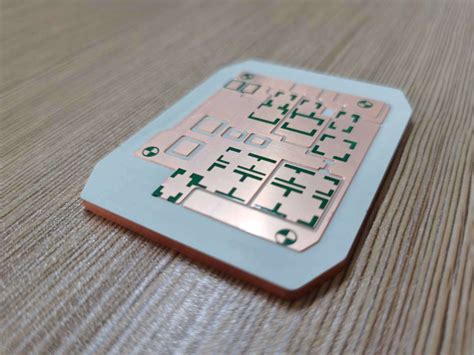
Key Takeaways
When selecting PCB manufacturing solutions, understanding material advantages is crucial. Aluminum PCBs stand out for their thermal conductivity, which directly impacts PCB manufacturing cost by reducing the need for additional cooling components. Compared to traditional fiberglass boards, aluminum substrates dissipate heat 5-10 times faster, making them ideal for high-power applications like LED systems.
For PCB manufacturing companies, aluminum’s durability translates to longer product lifespans, minimizing replacement expenses. The metal core also supports lightweight designs, a key factor in industries prioritizing portability. Here’s a quick comparison:
| Feature | Aluminum PCB | Standard FR-4 PCB |
|---|---|---|
| Thermal Conductivity | 1.0–4.0 W/m·K | 0.3 W/m·K |
| Weight | 30% lighter | Heavier |
| Durability | Resists warping | Prone to cracking |
| Cost Efficiency | Lower long-term | Higher maintenance |
If you’re managing a PCB manufacturing business, integrating aluminum substrates can streamline production by combining heat dissipation and structural support into a single layer. This simplifies assembly, reduces PCB manufacturing cost, and enhances performance in high-density layouts. For applications like automotive lighting or industrial LEDs, the thermal efficiency of aluminum PCBs ensures consistent operation even under stress. By prioritizing materials that align with your technical and budgetary needs, you can optimize both product quality and profitability.
Aluminum PCB Thermal Management Explained
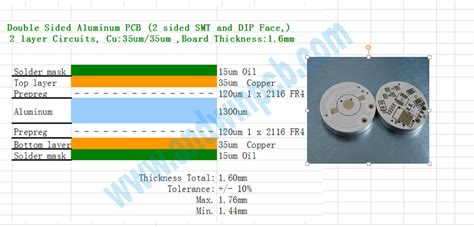
When designing electronics that generate significant heat, you need materials that efficiently transfer thermal energy. Aluminum PCBs excel in this area due to their thermal conductivity, which is 5-10 times higher than traditional fiberglass substrates. The secret lies in their layered structure: a thin dielectric layer separates the copper circuit from the aluminum base, allowing heat to dissipate rapidly while maintaining electrical insulation.
Tip: For high-power applications like LED arrays or automotive systems, prioritize working with pcb manufacturing companies that specialize in metal-core designs. Their expertise ensures optimal thermal pathways without compromising signal integrity.
Compared to standard boards, aluminum substrates reduce pcb manufacturing costs in heat-sensitive projects by minimizing the need for additional cooling components like heatsinks. This makes them ideal for applications where space and weight are critical—think aerospace or portable devices. Additionally, the durability of aluminum cores extends product lifespans, lowering long-term maintenance expenses for your pcb manufacturing business.
By integrating aluminum PCBs early in your design phase, you not only enhance thermal performance but also streamline assembly processes. This approach aligns with industry trends toward lightweight, energy-efficient solutions—a key advantage as demand grows for high-density LED systems and power electronics. Learn how advanced thermal management impacts modern electronics.
As you explore these benefits, consider how aluminum’s thermal efficiency directly supports the next generation of LED innovations—a topic we’ll delve into further below.

Why Aluminum Boards Outperform Fiberglass PCBs
When selecting materials for your electronics, thermal management often dictates performance. Aluminum PCBs excel here, transferring heat 5-10 times faster than traditional fiberglass options. This efficiency stems from their metal core, which prevents overheating in high-power applications—a critical advantage for PCB manufacturing focused on reliability. While fiberglass boards may initially seem cost-effective, their limited heat dissipation can lead to premature failure, increasing long-term PCB manufacturing costs due to replacements or repairs.
PCB manufacturing companies prioritize aluminum substrates for another reason: mechanical durability. Aluminum’s rigidity resists warping under thermal stress, maintaining circuit integrity in environments with fluctuating temperatures. This reduces defects during assembly, streamlining the PCB manufacturing business by minimizing waste. Fiberglass, though lighter, lacks this structural resilience, often requiring additional supports that complicate designs.
Cost comparisons also favor aluminum when considering lifecycle expenses. Though raw material costs are higher, its superior thermal conductivity eliminates the need for external cooling components in many cases. For industries like automotive or aerospace, where weight and reliability are paramount, aluminum’s combination of lightweight design and robust performance makes it a strategic investment—proving that upfront PCB manufacturing cost isn’t the sole factor in long-term value.
LED Applications Enhanced by Aluminum Substrates
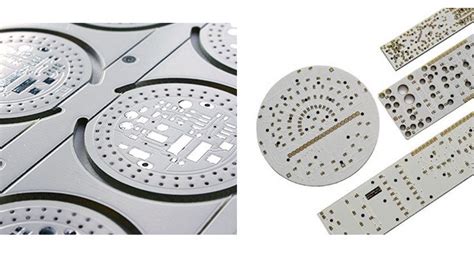
When designing high-intensity LED systems, managing heat effectively becomes critical to maintaining performance and longevity. This is where aluminum substrates shine, offering unmatched thermal conductivity compared to traditional materials. By efficiently dissipating heat away from sensitive components, these substrates prevent thermal stress and ensure consistent brightness in LED arrays—a key advantage for applications like automotive lighting, streetlights, or indoor horticulture setups.
PCB manufacturing companies specializing in metal-core boards often prioritize aluminum for its balance of cost and functionality. While PCB manufacturing cost for aluminum-based designs might initially appear higher than fiberglass alternatives, the long-term savings from reduced cooling requirements and extended component lifespans justify the investment. For businesses in the PCB manufacturing business, this translates to delivering solutions that cater to industries demanding high reliability under thermal strain.
Moreover, aluminum’s lightweight nature allows for sleeker, more compact designs without compromising durability—a necessity for modern LED applications where space and weight constraints matter. Whether you’re prototyping or scaling production, partnering with experienced PCB manufacturing providers ensures precise fabrication of these substrates, optimizing both thermal pathways and electrical performance. The result? Brighter, more efficient LED systems that thrive even in high-density configurations.

Cost-Effective Heat Dissipation in PCB Design
When designing circuits that generate significant heat, managing PCB manufacturing cost without compromising performance becomes critical. Aluminum PCBs excel here by integrating thermal conductivity directly into their structure, eliminating the need for additional cooling components like heat sinks or fans. This streamlined approach reduces material expenses and simplifies assembly processes, making it a preferred choice for PCB manufacturing companies focused on cost efficiency.
Compared to traditional fiberglass boards, aluminum substrates dissipate heat up to 10 times faster, ensuring stable operation in high-power applications. For businesses in the PCB manufacturing business, this translates to fewer field failures and lower long-term maintenance costs. The metal core acts as a natural heat spreader, preventing localized overheating that can degrade components over time.
By optimizing thermal pathways during PCB manufacturing, engineers can achieve thinner designs without sacrificing durability—a key advantage for compact devices like LED lighting systems. This balance of performance and affordability makes aluminum PCBs ideal for projects where heat dissipation and budget constraints coexist. Whether prototyping or scaling production, leveraging aluminum’s inherent properties ensures your designs stay both cool and cost-effective.
Durability Benefits of Aluminum Circuit Boards
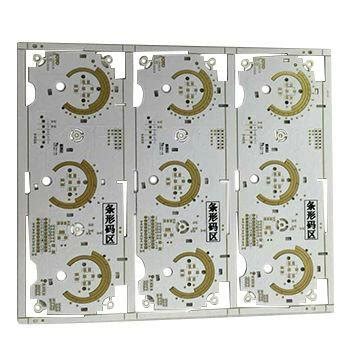
When designing electronic systems that demand long-term reliability, you’ll find aluminum circuit boards excel in resisting environmental and operational stresses. Unlike traditional fiberglass substrates, aluminum’s inherent strength minimizes warping under thermal cycling, ensuring stable performance in high-temperature applications. This structural resilience directly reduces pcb manufacturing cost over time, as replacements and repairs become less frequent.
Pcb manufacturing companies prioritize aluminum substrates for their corrosion-resistant properties, which prevent degradation from moisture or chemical exposure—critical for industrial or outdoor electronics. The metal core also absorbs mechanical vibrations, protecting delicate components from damage. For businesses, this translates to extended product lifespans and lower maintenance expenses, enhancing the cost-efficiency of your pcb manufacturing business.
Additionally, aluminum’s ability to dissipate heat efficiently reduces thermal stress on solder joints and traces, further bolstering durability. By integrating these boards into your designs, you leverage a solution that balances ruggedness with lightweight flexibility—key for applications where both reliability and portability matter. Whether you’re scaling production or optimizing pcb manufacturing workflows, aluminum’s durability ensures your projects withstand real-world demands without compromising performance.
Manufacturing Advantages of Metal Core PCBs
When selecting materials for circuit boards, PCB manufacturing companies prioritize solutions that balance performance and scalability. Metal core PCBs, particularly those with aluminum substrates, streamline production by integrating thermal management directly into the board’s design. Unlike traditional FR-4 boards, aluminum-backed PCBs eliminate the need for additional heat sinks, reducing PCB manufacturing cost by simplifying assembly steps and minimizing component counts. This efficiency is critical for high-volume projects where even minor savings per unit compound significantly.
The inherent durability of aluminum also lowers long-term risks in PCB manufacturing business operations. These boards resist warping under temperature fluctuations, ensuring consistent performance in demanding environments like automotive or industrial systems. Additionally, their lightweight nature cuts logistics expenses—a key advantage when shipping large orders. For applications requiring precise heat dissipation, such as power electronics, metal core designs enable tighter component spacing without compromising reliability. By adopting aluminum substrates, manufacturers optimize both production workflows and end-product longevity, making them a strategic choice for cost-sensitive yet performance-driven projects.
Lightweight Aluminum Solutions for Electronics
When designing modern electronics, reducing weight without compromising performance is a critical priority. Aluminum PCBs deliver this balance by integrating a metal core that’s inherently lighter than traditional fiberglass substrates. For PCB manufacturing companies, this translates to streamlined production processes, as aluminum’s malleability allows for thinner board designs while maintaining structural integrity. Unlike heavier alternatives, these boards minimize overall system weight—a key advantage in applications like aerospace, automotive systems, or portable devices where every gram counts.
The PCB manufacturing cost benefits are equally notable. Aluminum’s natural abundance and recyclability lower raw material expenses, making it a sustainable choice for high-volume projects. Additionally, the reduced weight cuts shipping and handling costs, further optimizing budgets. In the PCB manufacturing business, this efficiency aligns with demands for eco-friendly, cost-conscious solutions.
For electronics requiring both lightweight properties and thermal management—such as LED lighting arrays or wearable tech—aluminum’s high thermal conductivity ensures heat dissipates efficiently, preventing overheating without adding bulk. This dual functionality simplifies design challenges, allowing engineers to focus on innovation rather than compensating for material limitations.
By prioritizing PCB manufacturing techniques tailored to aluminum substrates, you gain access to solutions that enhance product portability, durability, and lifecycle performance—all while keeping operational costs competitive.
High-Tech Thermal Efficiency in LED Systems
When designing LED systems, managing heat is critical to maintaining performance and longevity. PCB manufacturing processes that utilize aluminum substrates excel here, leveraging the metal’s exceptional thermal conductivity to dissipate heat 5-8 times faster than traditional materials. This efficiency directly impacts LED lifespan, reducing the risk of overheating-induced failures. For PCB manufacturing companies, aluminum’s properties simplify thermal management in high-density LED arrays, where heat buildup can degrade light output and color consistency.
By integrating aluminum cores into your designs, you unlock cost-effective heat dissipation without bulky cooling systems—a key advantage for applications like automotive lighting or industrial LEDs. PCB manufacturing cost savings also arise from reduced material waste, as aluminum’s durability minimizes board warping during assembly. Additionally, the streamlined production workflows of PCB manufacturing business operations align with the demand for lightweight, high-performance solutions in compact electronics.
The synergy between aluminum’s thermal efficiency and modern LED technology ensures stable operation even under prolonged stress. Whether optimizing for energy efficiency or space constraints, aluminum PCBs provide a scalable foundation for next-generation lighting systems. This makes them indispensable for engineers prioritizing reliability in thermally demanding environments.
Conclusion
When evaluating options for high-performance electronics, aluminum PCBs stand out as a strategic choice for balancing thermal efficiency and long-term reliability. By leveraging PCB manufacturing processes tailored for metal-core substrates, you gain access to designs that dissipate heat up to 10x faster than traditional materials, directly addressing challenges in power-intensive applications like LED systems. For PCB manufacturing companies, this translates to reduced PCB manufacturing cost over time, as aluminum’s durability minimizes replacements and maintenance.
The PCB manufacturing business benefits further from aluminum’s lightweight properties, enabling sleeker product designs without compromising structural integrity. Whether you’re scaling production or optimizing heat management in compact devices, partnering with a specialized aluminum PCB manufacturer ensures access to solutions that align with both technical and budgetary requirements. As industries prioritize energy-efficient technologies, the role of aluminum substrates in PCB manufacturing will continue to expand—offering a sustainable pathway for innovation in electronics.
FAQs
How do aluminum PCBs improve thermal management in electronics?
Aluminum substrates excel at transferring heat away from components, reducing hotspots in high-power devices. This efficiency makes them ideal for LED systems, where consistent thermal regulation extends lifespan and performance. PCB manufacturing companies often prioritize aluminum cores for applications requiring reliable heat dissipation.
Are aluminum PCBs more expensive than traditional options?
While material costs are higher, aluminum’s durability lowers long-term expenses by minimizing replacements. PCB manufacturing cost calculations should account for reduced cooling needs and enhanced reliability—factors that offset initial investments in many industrial applications.
What industries benefit most from aluminum PCB designs?
Automotive, aerospace, and LED lighting sectors leverage aluminum’s lightweight strength and thermal conductivity. PCB manufacturing businesses catering to these fields often report higher demand for metal-core boards due to their performance under extreme conditions.
Can aluminum PCBs be used in high-frequency applications?
Yes, but proper dielectric layer design is critical. Specialized PCB manufacturing processes ensure signal integrity while maintaining thermal benefits, making them suitable for RF modules and power converters.
How do you choose a reliable aluminum PCB supplier?
Look for certifications like ISO 9001 and UL listing. Reputable PCB manufacturing companies provide material traceability and thermal simulation reports to validate performance claims.
Ready to Optimize Your Thermal Management?
Explore tailored aluminum PCB solutions for your project. For expert guidance and competitive pricing, please click here.