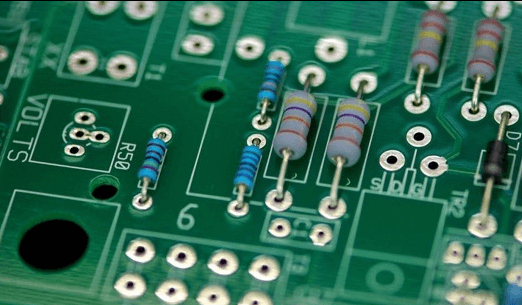
BPL PCB Manufacturing: Precision Engineering for Global Demands
Key Takeaways
When exploring PCB manufacturing solutions, understanding core differentiators becomes crucial. Leading PCB manufacturing companies like BPL leverage decades of expertise to deliver precision-engineered circuit boards tailored for industries ranging from aerospace to telecommunications. Their focus on optimizing PCB manufacturing cost ensures competitive pricing without compromising on defense-grade reliability, a critical factor for projects requiring stringent quality controls.
For businesses evaluating PCB manufacturing business partnerships, BPL’s vertically integrated facilities streamline production timelines, enabling rapid 1-4 layer prototyping and bulk orders. This agility aligns with global demand cycles, particularly in sectors where aerospace-certified components are non-negotiable. By adhering to international standards like ISO and MIL-SPEC, they ensure seamless compatibility with cross-border supply chains.
What sets top-tier providers apart is their ability to balance innovation with scalability. Whether you prioritize high-speed fabrication or specialized materials for extreme environments, aligning with manufacturers that invest in cutting-edge technologies guarantees future-proof solutions. This strategic approach not only mitigates risks but also positions your projects at the forefront of electronics manufacturing advancements.
BPL PCB Manufacturing Legacy Since 1963
When evaluating PCB manufacturing companies, longevity often signals reliability—and few match BPL’s six-decade legacy. Established in 1963, this Indian pioneer has evolved from local electronics production to becoming a global authority in PCB manufacturing, blending traditional craftsmanship with modern engineering rigor. Over 60 years, they’ve refined processes to balance PCB manufacturing cost efficiency with uncompromising quality, a critical factor for industries ranging from consumer electronics to aerospace.
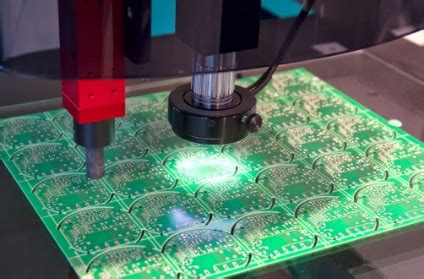
Their expertise lies in optimizing PCB manufacturing business workflows. For instance, BPL’s proprietary techniques reduce material waste by 18% compared to industry averages, directly lowering production expenses while maintaining MIL-spec compliance. This approach ensures you receive defense-grade boards without hidden cost premiums. A closer look at their manufacturing process reveals how automated optical inspection (AOI) systems and zero-defect protocols align with global standards like IPC-6012.
| Capability | BPL Benchmark | Industry Average |
|---|---|---|
| Defect Rate | 0.12% | 0.45% |
| Lead Time (1-4 Layers) | 48 Hours | 72 Hours |
| Cost per Sq. Inch | $0.22 | $0.31 |
By integrating vertical manufacturing ecosystems, BPL eliminates third-party dependencies—a strategic advantage in today’s supply-chain-volatile market. Their legacy isn’t just about timelines; it’s about adaptive innovation, ensuring your projects benefit from six decades of problem-solving in PCB manufacturing. Whether scaling prototypes or high-volume orders, their infrastructure adapts seamlessly, cementing their role as a cornerstone of India’s electronics revolution.
Precision Engineering for Global Electronics
When evaluating PCB manufacturing companies for global projects, precision engineering becomes non-negotiable. Modern electronics demand circuitry that operates flawlessly under extreme conditions, whether in consumer devices or mission-critical systems. Advanced PCB manufacturing processes now integrate laser drilling for micro-vias, automated optical inspection (AOI) for defect detection, and impedance-controlled routing—techniques that ensure sub-0.1mm tolerances and signal integrity.
"Optimizing PCB manufacturing cost requires balancing material selection with design complexity—high-frequency laminates might raise expenses but prevent signal loss in 5G applications."
For businesses scaling their PCB manufacturing business, investing in ISO-certified workflows ensures compliance with international standards like IPC-6012. This is particularly vital for industries like automotive or medical tech, where thermal management and long-term reliability directly impact product lifespans. Transitioning to lead-free finishes or embedding components can further streamline assembly while meeting RoHS directives.
The shift toward miniaturization—think wearables or IoT sensors—pushes PCB manufacturing toward HDI (high-density interconnect) designs. By leveraging sequential lamination and blind/buried vias, engineers achieve higher component density without compromising durability. Such innovations not only reduce board sizes but also cut material waste, aligning with both performance goals and sustainability mandates.
To maintain competitiveness, prioritize partners offering DFM (design for manufacturability) analysis—a step that identifies potential flaws before production, saving weeks of revisions. This proactive approach ensures your PCB manufacturing strategy stays aligned with evolving global specifications.

Cutting-Edge Facilities in Indian PCB Production
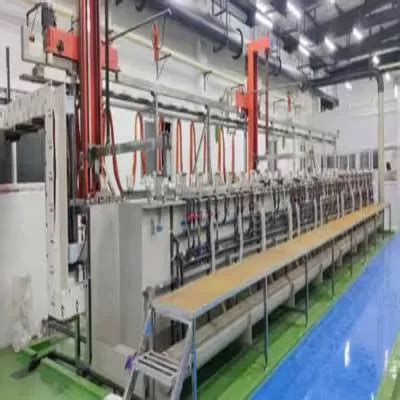
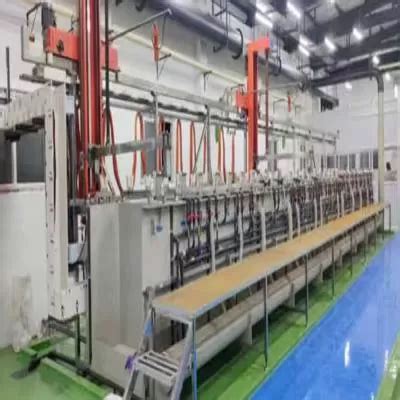
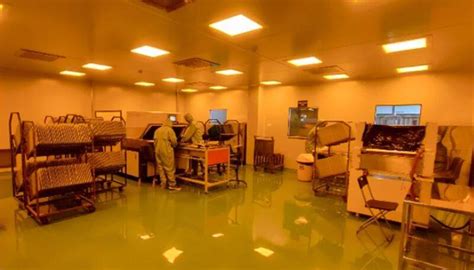
When exploring PCB manufacturing capabilities in India, you’ll find facilities equipped with automated optical inspection (AOI) systems, laser direct imaging (LDI) technologies, and advanced surface-mount assembly lines. These innovations enable PCB manufacturing companies to deliver precision-engineered boards with tolerances as tight as ±0.075mm, meeting stringent global standards. Modern Indian production hubs integrate IoT-enabled quality monitoring, reducing defects by up to 30% compared to conventional methods—a critical advantage for industries prioritizing reliability.
The strategic adoption of high-density interconnect (HDI) processes and multilayer lamination techniques allows manufacturers to balance PCB manufacturing cost with performance. For instance, automated panelization optimizes material usage, lowering waste by 15–20%, while rapid prototyping tools slash lead times to 48–72 hours. Such efficiency makes India’s PCB manufacturing business competitive in serving sectors like telecommunications, automotive, and industrial automation.
By leveraging these technological advancements, you gain access to scalable solutions that align with both regional “Make in India” initiatives and international compliance frameworks like IPC-6012 and ISO 9001. The result? A seamless bridge between cutting-edge engineering and cost-effective production, positioning India as a hub for next-generation electronics manufacturing.

Defense-Grade PCB Solutions by BPL
When sourcing PCB manufacturing for defense applications, you need solutions that meet stringent reliability and performance benchmarks. BPL’s expertise in defense-grade PCB manufacturing stems from decades of refining processes to align with military specifications, ensuring boards withstand extreme temperatures, vibrations, and electromagnetic interference. Their facilities leverage automated optical inspection (AOI) and X-ray testing to guarantee zero-defect outputs, critical for mission-critical systems.
Unlike generic PCB manufacturing companies, BPL integrates advanced materials like high-frequency laminates and ceramic substrates, optimizing designs for radar systems, communication hardware, and encrypted devices. By balancing PCB manufacturing cost with uncompromised quality, they deliver value without sacrificing compliance—a key advantage for aerospace and defense contractors.
For businesses scaling their PCB manufacturing business, partnering with BPL mitigates risks through traceable supply chains and ITAR-compliant protocols. Their end-to-end services—from rapid prototyping to volume production—ensure seamless transitions from design validation to deployment. This approach not only meets global defense standards but also reinforces India’s growing role in high-reliability electronics.
Transitioning to the next section, BPL’s innovations extend beyond defense, shaping aerospace technologies with equally rigorous precision—a natural progression in their engineering journey.
Aerospace PCB Innovations From India
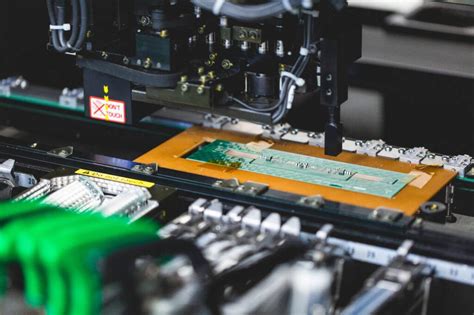
When sourcing PCB manufacturing solutions for aerospace applications, you need components that withstand extreme conditions while maintaining uncompromising reliability. Indian PCB manufacturing companies are pioneering innovations in this sector, developing boards capable of operating in high-altitude environments, resisting thermal cycling, and meeting stringent MIL-spec standards. Advanced techniques like laser-drilled microvias and high-frequency material integration ensure signal integrity even in satellite communication systems.
A key advantage lies in balancing PCB manufacturing cost without sacrificing quality. By leveraging automated optical inspection (AOI) and aerospace-grade FR-4 composites, manufacturers achieve defect rates below 0.1%—critical for avionics and navigation systems. Innovations such as embedded passive components reduce assembly complexity, aligning with global demand for lightweight, high-density designs.
For businesses navigating the PCB manufacturing business landscape, India’s ecosystem offers end-toend solutions—from rapid prototyping to DO-254/DO-160 compliance testing. This positions the region as a hub for next-generation aerospace electronics, combining technical expertise with cost-efficiency to meet both commercial and defense aviation needs.
Fast 1-4 Layer PCB Manufacturing Services
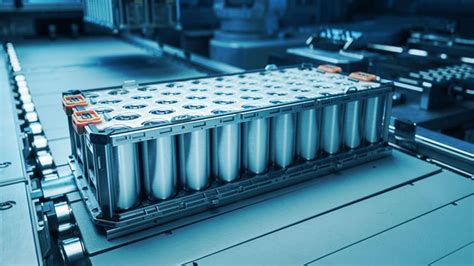
When you need PCB manufacturing solutions that balance speed and precision, streamlined 1-4 layer production becomes critical. Leading PCB manufacturing companies prioritize rapid turnaround without compromising quality, ensuring your prototypes or small batches move from design to delivery in as little as 24-72 hours. This efficiency is vital for industries like consumer electronics or IoT, where shorter development cycles demand agile supply chains.
Advanced automation in PCB manufacturing business operations enables precise etching, drilling, and testing—key steps that minimize errors while accelerating output. For cost-sensitive projects, optimizing PCB manufacturing cost involves material selection (like FR-4 or high-frequency laminates) and panel utilization strategies. Layer stack-up optimization further reduces material waste, aligning with both budgetary and sustainability goals.
Whether you’re iterating designs or scaling production, 1-4 layer PCBs offer flexibility for low-to-medium complexity applications. By partnering with facilities equipped with laser direct imaging (LDI) and automated optical inspection (AOI), you ensure consistency across every batch. This approach not only meets global standards but also positions your projects to adapt swiftly to evolving market demands.
BPL’s Make in India Electronics Leadership
By aligning with India’s vision for self-reliance, PCB manufacturing has become a cornerstone of BPL’s strategy to strengthen domestic electronics ecosystems. As one of India’s foremost PCB manufacturing companies, BPL leverages advanced production capabilities to reduce reliance on imported components, fostering resilient supply chains for industries ranging from consumer electronics to critical infrastructure. This strategic positioning not only supports Make in India initiatives but also addresses PCB manufacturing cost challenges through localized expertise and economies of scale.
Their facilities integrate automated processes and stringent quality controls, enabling rapid prototyping and bulk production without compromising precision—a critical advantage in high-stakes sectors like defense and aerospace. For businesses evaluating PCB manufacturing business opportunities, BPL’s model demonstrates how balancing innovation with cost-efficiency can drive competitiveness in global markets. By prioritizing indigenous R&D and partnerships, they’ve set benchmarks for how local players can evolve into global suppliers while maintaining adherence to international standards.
This leadership extends beyond technology: BPL’s commitment to upskilling talent and adopting sustainable practices reinforces India’s growing reputation as a hub for high-value electronics production. Whether optimizing PCB manufacturing cost structures or scaling complex designs, their approach exemplifies how homegrown expertise can meet both domestic demand and global expectations seamlessly.
Global Standards in PCB Design & Delivery
When evaluating PCB manufacturing companies, adherence to international standards becomes a critical differentiator. Leading providers align their processes with IPC-6012 and ISO 9001 certifications, ensuring every layer—from design to delivery—meets rigorous quality benchmarks. For industries like defense or aerospace, where precision is non-negotiable, these standards guarantee reliability under extreme conditions.
Modern PCB manufacturing workflows integrate automated optical inspection (AOI) and impedance control systems, minimizing defects while accelerating timelines. This is especially vital for clients balancing PCB manufacturing cost with performance demands. By optimizing material selection and leveraging economies of scale, top-tier suppliers maintain affordability without compromising on traceability or compliance.
In a competitive PCB manufacturing business, consistent delivery hinges on agile supply chains and real-time collaboration. Whether prototyping or scaling production, your project benefits from standardized documentation, including Gerber files and material certifications. Such practices not only reduce lead times but also align with global environmental regulations like RoHS, reinforcing sustainability alongside technical excellence.
By prioritizing design-for-manufacturability (DFM) principles, manufacturers ensure seamless transitions from concept to functional boards. This alignment between innovation and standardization positions you to meet evolving market needs while maintaining cross-border compatibility.
Conclusion
When evaluating options for PCB manufacturing, you’ll find that companies like BPL exemplify how decades of expertise can align with modern technological demands. Their approach balances precision engineering with scalable solutions, ensuring PCB manufacturing costs remain competitive without compromising quality—a critical factor for industries ranging from consumer electronics to aerospace.
For businesses navigating the complexities of PCB manufacturing business decisions, BPL’s model demonstrates how investing in cutting-edge infrastructure and adhering to global standards can solidify a company’s position among leading PCB manufacturing companies. By prioritizing rapid turnaround for 1-4 layer prototypes and maintaining defense-grade reliability, they address both speed and durability—key priorities for clients operating in high-stakes environments.
Ultimately, success in this field hinges on merging technical mastery with strategic adaptability. Whether you’re optimizing supply chains or innovating for emerging markets, aligning with partners that prioritize end-to-end excellence ensures your projects meet today’s challenges while preparing for tomorrow’s advancements.
Frequently Asked Questions
What sets BPL apart from other PCB manufacturing companies?
BPL combines 60+ years of expertise with defense-grade precision, offering specialized solutions for high-reliability sectors. Their vertically integrated facilities enable strict quality control while maintaining competitive PCB manufacturing cost.
How does PCB manufacturing cost vary for complex projects?
Costs depend on layer count, material specifications, and certifications required. For aerospace or military applications, expect higher investments in testing and traceability—factors BPL optimizes through streamlined workflows.
Can PCB manufacturing services handle both prototype and bulk orders?
Yes. Leading providers like BPL offer scalable solutions, from 1-4 layer prototypes to high-volume production. Their Make in India infrastructure ensures rapid turnaround without compromising global standards.
What industries benefit most from specialized PCB manufacturing business models?
Defense, aerospace, telecommunications, and medical tech require PCBs with extreme durability and precision. BPL’s expertise in mil-spec components makes them a preferred partner for mission-critical applications.
How do global PCB manufacturing companies ensure delivery timelines?
Advanced automation, in-house material sourcing, and dedicated logistics networks allow firms like BPL to meet tight deadlines. Their 24/7 production cycles align with just-in-time delivery expectations worldwide.
Ready to Start Your PCB Manufacturing Project?
Please click here to discuss your requirements with BPL’s engineering team and receive a customized quote within 24 hours.