
Requirements for Automotive Electronic PCB Design and Manufacturing
Introduction
The automotive industry has undergone a significant transformation with the increasing integration of electronic systems in modern vehicles. From advanced driver-assistance systems (ADAS) to electric vehicle (EV) powertrains, printed circuit boards (PCBs) play a crucial role in ensuring reliability, performance, and safety. Automotive electronic PCBs must meet stringent requirements due to the harsh operating environments, long product lifecycles, and high reliability demands. This article explores the key requirements for automotive electronic PCBs, covering design, materials, manufacturing, testing, and compliance standards.
1. Environmental and Operational Requirements
1.1 Temperature Resistance
Automotive PCBs must operate reliably across a wide temperature range, from extreme cold (e.g., -40°C) to high heat (e.g., +125°C or higher in engine compartments). Some applications, such as electric vehicle battery management systems (BMS), may require even higher temperature tolerance.
1.2 Vibration and Mechanical Stress
Vehicles experience constant vibrations and mechanical shocks. PCBs must be designed to withstand these stresses without solder joint failures or component detachment. Reinforced mounting, conformal coatings, and robust mechanical designs help mitigate these risks.
1.3 Humidity and Chemical Resistance
Automotive PCBs are exposed to moisture, dust, and chemicals (e.g., fuels, oils, and cleaning agents). Conformal coatings and moisture-resistant materials (e.g., high-Tg laminates) are essential to prevent corrosion and electrical failures.
1.4 Longevity and Reliability
Automotive electronics are expected to last 10–15 years or more. PCB materials and manufacturing processes must ensure long-term reliability with minimal failure rates.
2. Material Selection for Automotive PCBs
2.1 High-Tg (Glass Transition Temperature) Materials
Standard FR-4 may not suffice for high-temperature applications. High-Tg materials (Tg > 170°C) such as polyimide or specialized epoxy resins are preferred for improved thermal stability.
2.2 Copper Thickness and Quality
Heavy copper PCBs (2 oz/ft² or more) are often used in power electronics (e.g., motor controllers) to handle high currents. Electrodeposited or rolled annealed copper ensures better conductivity and thermal performance.
2.3 Thermal Management Materials
- Metal-core PCBs (MCPCBs): Used in LED lighting and power electronics for better heat dissipation.
- Ceramic substrates: Ideal for high-power applications due to excellent thermal conductivity.
- Thermal vias: Help distribute heat away from critical components.
2.4 Conformal Coatings
To protect against moisture, dust, and chemical exposure, automotive PCBs often use:
- Acrylic coatings (easy to repair)
- Silicone coatings (high flexibility)
- Polyurethane coatings (chemical resistance)
3. Design Considerations for Automotive PCBs
3.1 High-Density Interconnect (HDI) Technology
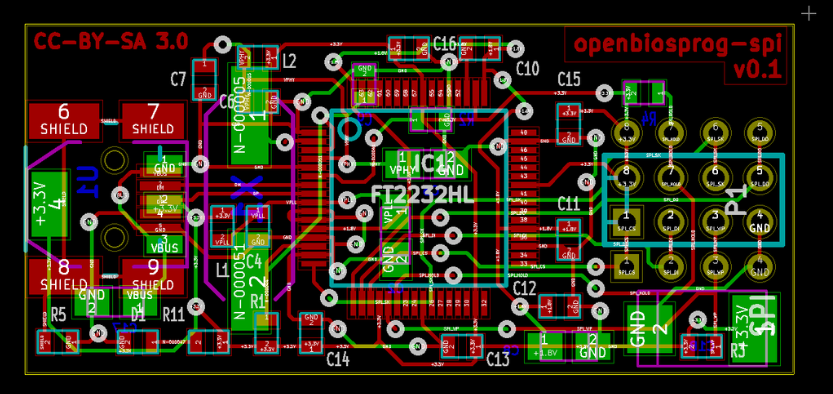
Modern automotive electronics demand compact, high-performance PCBs. HDI technology enables finer traces, microvias, and multilayer designs (up to 12+ layers) for complex systems like ADAS and infotainment.
3.2 EMI/EMC Compliance
Automotive PCBs must minimize electromagnetic interference (EMI) and comply with EMC standards (e.g., CISPR 25). Techniques include:
- Proper grounding and shielding
- Differential signaling for high-speed data (e.g., CAN, Ethernet)
- Careful routing to avoid crosstalk
3.3 Power Integrity and Signal Integrity
- Decoupling capacitors to stabilize power delivery
- Controlled impedance routing for high-speed signals
- Minimized loop inductance to reduce noise
3.4 Robust Connector and Component Placement
- Automotive-grade connectors (e.g., TE Connectivity, Molex)
- Vibration-resistant mounting (e.g., through-hole components in high-stress areas)
- Automotive-qualified components (AEC-Q100/Q200 certified)
4. Manufacturing and Quality Control
4.1 Automotive-Specific PCB Fabrication Standards
- IPC-6012DA: Qualification for automotive PCBs
- IPC-A-610 Class 3: High-reliability acceptance criteria
- IATF 16949: Quality management for automotive suppliers
4.2 Advanced Manufacturing Techniques
- Automated Optical Inspection (AOI): Detects soldering defects and misalignments.
- X-ray Inspection: Verifies BGA and hidden solder joints.
- Environmental Stress Screening (ESS): Tests PCBs under thermal cycling and vibration.
4.3 Traceability and Documentation
Full traceability of materials, components, and manufacturing processes is mandatory for recalls and warranty claims. Unique serial numbers and batch tracking are common practices.
5. Testing and Validation
5.1 Environmental Testing
- Thermal cycling (-40°C to +125°C)
- Humidity testing (85°C/85% RH)
- Vibration and shock testing (ISO 16750-3)
5.2 Electrical Testing
- Continuity and isolation tests
- High-voltage testing (for EV applications)
- Signal integrity validation
5.3 Functional Testing
- Bench testing under simulated operating conditions
- Vehicle integration testing
5.4 Reliability Testing (AEC-Q100/Q200)
Automotive components must pass:
- HTOL (High-Temperature Operating Life)
- ESD (Electrostatic Discharge) immunity
- Thermal shock testing

6. Compliance with Automotive Standards
Automotive PCBs must adhere to industry-specific standards, including:
- AEC-Q100 (ICs), AEC-Q200 (Passive Components)
- ISO 26262 (Functional Safety for ASIL-rated systems)
- IPC-6012DA (Automotive PCB Performance)
- IATF 16949 (Quality Management)
7. Future Trends in Automotive PCBs
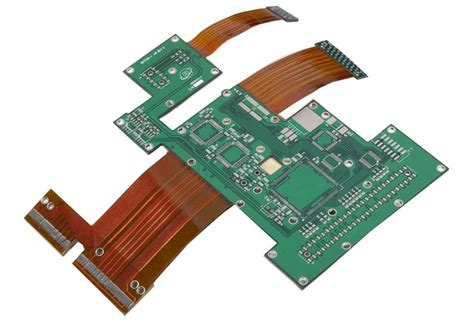
7.1 Increased Use of Flex and Rigid-Flex PCBs
Flexible PCBs are gaining popularity in space-constrained applications like sensors and lighting systems.
7.2 Integration with Advanced Technologies
- 5G and V2X (Vehicle-to-Everything) communication
- Autonomous driving systems (LiDAR, radar PCBs)
7.3 Sustainable and Lead-Free Manufacturing
RoHS compliance and halogen-free materials are becoming standard due to environmental regulations.
Conclusion
Designing and manufacturing automotive electronic PCBs requires a meticulous approach to ensure reliability, durability, and compliance with stringent industry standards. From material selection to rigorous testing, every step must account for extreme environmental conditions, mechanical stress, and long-term performance. As automotive electronics continue to evolve, PCB technology must keep pace with advancements in electric vehicles, autonomous driving, and connected car systems. By adhering to best practices in design, fabrication, and validation, manufacturers can deliver high-quality PCBs that meet the demanding requirements of the automotive industry.