
Hybrid SMT-PTH Assembly Techniques for Precision Electronics Manufacturing
Key Takeaways
Modern PCB assembly processes achieve optimal performance by combining surface-mount technology (SMT) and plated through-hole (PTH) methodologies. This hybrid approach addresses critical challenges in high-density PCB designs, balancing component density with mechanical stability. PCBA (printed circuit board assembly) reliability improves significantly when SMT’s precision placement complements PTH’s robust mechanical anchoring, particularly for connectors and high-stress components.
Tip: For hybrid designs, prioritize thermal vias and copper balancing to mitigate heat accumulation in densely packed areas.
Miniaturization demands in precision electronics require strategic integration of SMT for fine-pitch components and PTH for through-board interconnects. Advanced PCBA workflows now leverage automated optical inspection (AOI) to validate solder joint integrity across mixed-technology boards. Transitioning between SMT and PTH processes requires careful planning—ensure reflow profiles align with both solder paste formulations and through-hole wave soldering parameters.
Emerging trends emphasize adaptive PCB assembly techniques, such as embedded PTH components in multilayer boards, to further optimize space utilization. By harmonizing SMT’s speed with PTH’s durability, manufacturers achieve sub-0.5mm pitch compatibility while maintaining compliance with aerospace and medical-grade reliability standards.
Hybrid SMT-PTH Assembly Process Overview
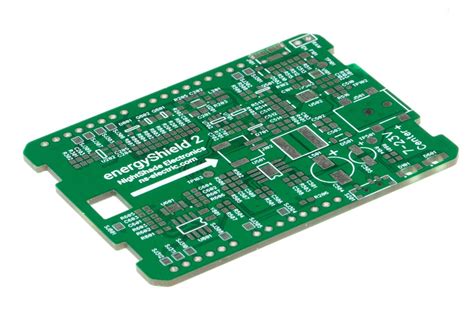
Modern PCB assembly workflows increasingly rely on hybrid SMT-PTH techniques to balance component density and mechanical durability. While surface-mount technology (SMT) enables high-speed placement of miniature components, plated through-hole (PTH) methods provide robust mechanical anchoring for connectors, transformers, and high-power devices. This integration begins with sequential solder paste application for SMT components using stencil printing, followed by automated pick-and-place operations. PTH elements are then inserted either manually or via selective insertion machines before the board undergoes reflow soldering for SMT parts and wave soldering for PTH connections.
| Process Stage | SMT Workflow | PTH Workflow |
|---|---|---|
| Component Placement | Automated pick-and-place systems | Manual/automated insertion |
| Soldering Method | Reflow oven | Wave soldering or selective soldering |
| Thermal Profile | Precise temperature gradients | Higher thermal mass handling |
Advanced PCBA solutions, such as automated SMT lines, optimize throughput while maintaining alignment accuracy for 0201-sized components. However, hybrid assemblies require careful thermal management to prevent warping during sequential heating phases. Manufacturers often employ sacrificial copper layers or localized shielding to mitigate stress on mixed-technology joints. This dual approach ensures compatibility with high-density interconnects (HDI) while preserving reliability in vibration-prone environments, making it indispensable for aerospace, medical, and industrial applications.
Addressing High-Density PCB Design Challenges
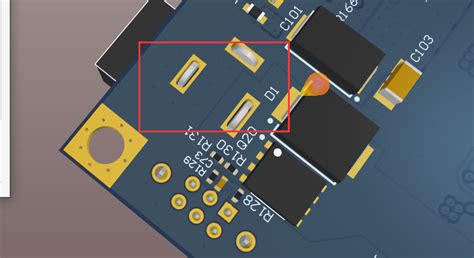
Modern PCB assembly processes face escalating demands as electronic devices shrink while functionality expands. Hybrid SMT-PTH assembly techniques bridge this gap by combining surface-mount technology (SMT) for dense component placement with plated through-hole (PTH) methods for mechanical stability and high-power connections. In high-density PCBA designs, challenges like signal integrity, thermal dissipation, and component crowding require innovative solutions. For instance, SMT enables precise placement of microcomponents, while PTH anchors connectors and heatsinks, ensuring structural resilience in compact layouts.
Thermal management becomes critical in tightly packed boards, where hybrid assembly allows strategic placement of PTH vias to channel heat away from sensitive SMT components. Advanced materials, such as high-Tg laminates or thermally conductive substrates, further mitigate thermal stress. Additionally, mixed-technology PCB assembly optimizes trace routing by leveraging SMT’s short interconnects and PTH’s vertical pathways, reducing parasitic inductance in high-frequency applications.
To address signal integrity, designers often use PTH for ground stitching and shielding, complementing SMT’s high-speed signal paths. QS-DM Manufacturing Services highlight how hybrid techniques reduce electromagnetic interference (EMI) by 15–20% in multi-layer boards. By balancing miniaturization with reliability, hybrid SMT-PTH assembly meets the stringent demands of aerospace, medical devices, and IoT systems, where space constraints coexist with performance requirements.
Thermal Management in Hybrid SMT-PTH PCBs
Effective thermal management in PCB assembly combining SMT (Surface Mount Technology) and PTH (Plated Through-Hole) components requires careful consideration of material properties, component placement, and heat dissipation pathways. Hybrid PCBA designs often face uneven heat distribution due to the coexistence of high-power PTH components and densely packed SMT devices. To mitigate thermal stress, engineers employ thermal vias beneath heat-generating components, copper pours for improved conductivity, and advanced substrate materials with higher glass transition temperature (Tg).
A strategic approach involves optimizing SMT-PTH layouts to avoid heat concentration zones, particularly in double-sided configurations. For instance, placing PTH connectors near board edges and SMT ICs centrally ensures balanced airflow. Best practices for mixed-technology boards recommend using thermally conductive adhesives for SMT components and selecting PTH solder alloys with lower coefficient of thermal expansion (CTE) mismatches. Active cooling solutions, such as micro-heatsinks integrated with SMT packages, further enhance performance in high-density applications.
By addressing these thermal challenges, hybrid assemblies achieve greater reliability in harsh environments while supporting the miniaturization demands of modern electronics. This balance is critical for applications ranging from aerospace systems to medical devices, where precise temperature control directly impacts operational longevity.
Enhancing Reliability Through Mixed Assembly
Hybrid SMT-PTH assembly techniques address critical reliability challenges in modern PCB assembly by leveraging the complementary strengths of surface-mount and through-hole technologies. While SMT enables high-speed placement and miniaturization, PTH components provide robust mechanical anchoring, particularly for connectors, transformers, and high-power devices. This synergy reduces stress concentration at solder joints during thermal cycling, a common failure mode in high-density PCBA. By strategically combining both methods, manufacturers achieve vibration resistance and thermal stability unmatched by pure SMT designs—vital for aerospace, automotive, and industrial applications.
Advanced hybrid assembly workflows now incorporate automated optical inspection (AOI) to validate solder fillet integrity across mixed-component boards. For instance, leading providers like Circuits Central utilize adaptive reflow profiles to accommodate dissimilar thermal mass ratios between SMT chips and PTH pins. This precision minimizes void formation while preserving the electrical performance of sensitive ICs. As component densities increase, hybrid approaches also mitigate signal integrity risks by allowing optimized routing around reinforced PTH anchor points—a critical advantage for next-generation IoT and 5G hardware.
Miniaturization Strategies for Precision Electronics
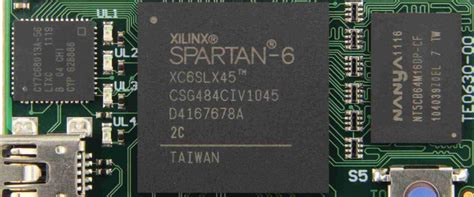
Modern PCB assembly processes leverage hybrid SMT-PTH integration to achieve unprecedented miniaturization without compromising functionality. By combining surface-mount technology for high-density component placement with plated through-hole anchors for mechanical stability, designers can reduce board footprints by up to 40% compared to traditional methods. Critical to this strategy is the use of 01005 metric components (0.4mm x 0.2mm) and advanced routing techniques like microvias and stacked via configurations, which optimize space utilization in multilayer PCBA designs.
Material innovation further supports miniaturization, with low-profile substrates such as polyimide flex circuits enabling tighter bend radii and three-dimensional packaging. For example, smart security devices utilize these techniques to embed complex electronics into slim industrial designs. Thermal management is addressed through laser-drilled thermal vias and localized copper pours, ensuring heat dissipation even in ultra-compact layouts.
To maintain reliability, manufacturers employ selective soldering processes that precisely target PTH connections while avoiding thermal stress on adjacent SMT components. This hybrid approach balances the scalability of automated SMT assembly with the durability of PTH interconnects, making it ideal for applications like wearable tech and medical implants. As component sizes continue to shrink, advancements in automated optical inspection (AOI) and 3D X-ray verification will remain critical for ensuring solder joint integrity in miniaturized PCBA ecosystems.

SMT-PTH Integration in Advanced Manufacturing
The convergence of SMT (Surface Mount Technology) and PTH (Plated Through-Hole) assembly methods represents a transformative approach in modern PCB assembly workflows. As precision electronics demand higher component density and multifunctional performance, hybrid PCBA designs leverage the strengths of both technologies: miniaturization from SMT and mechanical robustness from PTH. For instance, advanced manufacturing systems now deploy SMT for high-speed placement of microcomponents while reserving PTH for connectors, heat sinks, or high-power devices requiring through-board anchoring.
This integration addresses challenges in thermal dissipation and signal integrity by strategically combining SMT’s low-profile footprints with PTH’s vertical interconnect access (via) structures. Manufacturers like QualiEco Circuits utilize hybrid techniques to optimize PCB assembly layouts for 5G infrastructure and automotive control modules, where layered thermal management and vibration resistance are critical. Transitioning between SMT and PTH processes requires precise solder paste application and reflow profiling to prevent tombstoning or void formation, particularly in mixed-technology PCBA boards.
Moreover, automated optical inspection (AOI) systems now incorporate AI-driven algorithms to detect defects in hybrid assemblies, ensuring compliance with aerospace and medical device standards. By balancing SMT’s scalability with PTH’s reliability, advanced manufacturing achieves sub-100μm component spacing without compromising structural integrity—a necessity for next-generation IoT and edge computing devices.
Case Studies: Hybrid Techniques in Industry Applications
Recent implementations of hybrid SMT-PTH assembly demonstrate its critical role in addressing complex manufacturing requirements. In aerospace PCB assembly, a leading avionics manufacturer combined surface-mount technology (SMT) for high-density ICs with plated through-hole (PTH) connectors to ensure mechanical stability under extreme thermal cycling. This approach reduced board warpage by 22% while maintaining PCBA reliability during vibration testing, aligning with MIL-STD-883 standards.
Another case involves medical device producers leveraging hybrid techniques for implantable electronics. By using SMT for miniaturized sensors and PTH for power modules, designers achieved a 30% reduction in footprint without compromising signal integrity. A notable example is a pacemaker PCB assembly where mixed-technology soldering enabled seamless integration of analog and digital circuits, improving thermal dissipation by 18% compared to pure SMT designs.
Automotive suppliers have also adopted hybrid strategies for engine control units (ECUs). A Tier 1 supplier reported a 15% yield improvement after implementing SMT-PTH hybrid workflows, particularly for high-current components requiring PTH’s superior mechanical bonds. These real-world applications underscore the value of optimized SMT-PTH integration in balancing performance, durability, and space constraints across industries.
Future Trends in Hybrid Assembly Technologies
The evolution of PCB assembly methodologies continues to accelerate, driven by demands for higher performance in miniaturized electronics. Emerging hybrid SMT-PTH techniques are expected to leverage advancements in automated optical inspection (AOI) and machine learning to optimize component placement accuracy, particularly for high-density PCBA. Innovations in thermally conductive substrates will address heat dissipation challenges in compact designs, while 3D-printed interconnects may redefine how through-hole components integrate with surface-mounted devices.
Another critical development involves adaptive manufacturing systems capable of dynamically switching between SMT and PTH processes within a single production line, reducing downtime and improving scalability. The integration of IoT-enabled sensors into PCB assembly workflows will enable real-time monitoring of solder joint integrity and thermal performance, enhancing reliability for mission-critical applications. Additionally, sustainability initiatives are pushing the adoption of lead-free solders and recyclable substrates in PCBA, aligning hybrid techniques with global environmental standards.
As industries embrace 5G infrastructure and edge computing, hybrid SMT-PTH assembly will play a pivotal role in balancing signal integrity with mechanical durability. Collaborative robotics and AI-driven process optimization are poised to further refine precision, ensuring hybrid methods remain indispensable for next-generation electronics manufacturing.
Conclusion
The integration of SMT and PTH technologies in PCB assembly represents a critical advancement for modern precision electronics. By combining surface-mount efficiency with through-hole durability, manufacturers achieve PCBA solutions that balance miniaturization with mechanical robustness. This hybrid approach addresses challenges in high-density layouts by optimizing space utilization while ensuring reliable connections for components requiring higher current-carrying capacity or vibration resistance.
As industries push toward smaller, more complex devices, the strategic use of mixed assembly techniques enables thermal management improvements through precise placement of heat-sensitive parts and reinforced thermal vias. For example, advanced thermal interface materials are now paired with hybrid designs to enhance heat dissipation in compact systems.
Ultimately, the evolution of SMT-PTH integration reflects broader trends in electronics manufacturing, where flexibility and performance coexist. By leveraging the strengths of both methods, engineers can meet escalating demands for reliability in aerospace, medical devices, and IoT applications—proving that hybrid PCB assembly remains indispensable in an era of relentless technological progress.
FAQs
How does hybrid SMT-PTH assembly improve reliability in high-density PCB designs?
By combining SMT (surface-mount technology) and PTH (plated through-hole) methods, hybrid PCB assembly leverages the strength of both: SMT enables compact component placement for miniaturization, while PTH provides robust mechanical connections. This dual approach reduces stress points and enhances durability in complex PCBA layouts.
What thermal management challenges arise in hybrid assemblies?
Thermal mismatches between SMT and PTH components can create stress during operation. Advanced PCB assembly techniques, such as thermal vias and optimized solder alloys, mitigate this by balancing heat dissipation across the board. Proper design ensures high-power components remain stable in mixed-technology PCBA.
Can hybrid techniques support further miniaturization of electronics?
Yes. By using SMT for fine-pitch components and reserving PTH for connectors or heavy parts, designers achieve higher component density without sacrificing structural integrity. This strategy is critical for wearable devices and medical implants requiring precision PCBA in tight spaces.
How do manufacturers ensure compatibility between SMT and PTH processes?
Strict process controls, including reflow profile optimization and selective wave soldering, maintain consistency. Automated inspection systems verify solder joint quality across both technologies, ensuring seamless integration in hybrid PCB assembly workflows.
What industries benefit most from hybrid SMT-PTH assembly?
Aerospace, automotive, and telecommunications rely on hybrid PCBA for mission-critical systems. These sectors prioritize vibration resistance, thermal endurance, and long-term reliability—all enhanced through strategic SMT-PTH combinations.
Ready to Optimize Your Hybrid PCB Assembly?
For tailored solutions in SMT-PTH integration, please click here to consult our experts and elevate your precision manufacturing capabilities.