
Precision PCB Manufacturing: Fast Prototyping to Production
Key Takeaways
When evaluating PCB manufacturing partners, understanding core competencies ensures you align with providers that match your technical and operational needs. Leading PCB manufacturing companies differentiate themselves through fast prototyping capabilities, often delivering functional boards within 24–48 hours. This agility reduces PCB manufacturing cost by minimizing downtime and accelerating time-to-market.
"Speed without precision is a liability. Opt for manufacturers that balance rapid turnaround with rigorous quality control."
For specialized applications like aerospace or defense, prioritize firms offering ITAR-compliant fabrication to meet regulatory demands. Below is a comparison of critical factors in selecting a PCB manufacturing business:
| Factor | Importance | Consideration |
|---|---|---|
| Turnaround Time | High | 24-hour prototyping vs. standard lead times |
| Compliance Standards | Critical for regulated industries | ITAR, ISO, UL certifications |
| Global Reach | Moderate to High | Multi-site production for supply chain resilience |
Advanced PCB manufacturing technologies, such as laser direct imaging (LDI) and automated optical inspection (AOI), ensure consistency even in high-volume runs. If your project involves rigid-flex circuits, verify the manufacturer’s expertise in layer stacking and material selection.
Tip: Always request a detailed cost breakdown to avoid hidden fees. Transparent PCB manufacturing companies provide clear pricing models for prototyping, materials, and testing.
By prioritizing these elements, you streamline decision-making while balancing PCB manufacturing cost and quality—a strategic advantage in competitive markets.
Fast-Turn PCB Prototyping Solutions
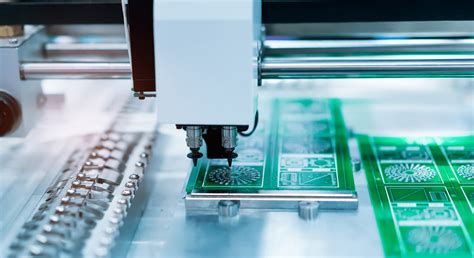
When developing new electronics, time-to-market often determines success. PCB manufacturing companies specializing in fast-turn prototyping enable you to iterate designs rapidly, compressing development cycles from weeks to days. By leveraging advanced fabrication technologies like laser direct imaging and automated optical inspection, these providers ensure precision while accelerating delivery.
Balancing speed with PCB manufacturing cost requires strategic planning. Opting for standardized materials and panelized designs can reduce expenses without compromising quality. Many businesses partner with experienced PCB manufacturing partners to optimize prototyping workflows, ensuring design flaws are caught early—saving both time and resources.
For startups and enterprises alike, fast-turn services are critical to maintaining competitiveness in the PCB manufacturing business. Whether you’re testing a novel IoT device or refining aerospace components, quick-turn solutions let you validate concepts before scaling production. Leading manufacturers combine agile processes with rigorous quality controls, ensuring prototypes meet the same standards as full-scale runs.
By integrating digital twin simulations and real-time order tracking, modern providers eliminate bottlenecks, delivering functional boards in as little as 24 hours. This flexibility not only supports innovation but also aligns with dynamic market demands, making rapid prototyping a cornerstone of efficient product development.
Rigid-Flex Circuit Manufacturing Expertise
When designing advanced electronics, you need PCB manufacturing partners capable of handling hybrid rigid-flex circuits—a critical solution for compact, high-performance devices. Leading PCB manufacturing companies leverage specialized techniques to bond rigid and flexible substrates seamlessly, ensuring durability in applications like aerospace, wearables, and medical equipment. These circuits demand precision in material selection, layer alignment, and thermal management, factors that directly influence PCB manufacturing cost and long-term reliability.
Modern rigid-flex production involves laser drilling for microvias, dynamic routing to minimize signal loss, and rigorous testing for bend cycles. Thermal stress and mechanical fatigue are key challenges addressed through advanced lamination processes and polyimide materials. By partnering with a PCB manufacturing business that prioritizes innovation, you gain access to prototypes validated under real-world conditions, reducing time-to-market for complex assemblies.
Transitioning from prototyping to full-scale production requires expertise in scaling these intricate designs without compromising quality. This capability ensures your rigid-flex solutions meet industry standards like IPC-6013 and MIL-P-50884, whether for consumer electronics or mission-critical systems. The right manufacturer will balance PCB manufacturing cost efficiencies with design flexibility, offering tailored support to optimize your product’s performance and lifecycle.
ITAR-Compliant Fabrication Services
When selecting PCB manufacturing companies for defense or aerospace projects, ensuring compliance with International Traffic in Arms Regulations (ITAR) is non-negotiable. ITAR-controlled projects demand strict adherence to U.S. export controls, requiring specialized handling of technical data and materials. Leading PCB manufacturing providers integrate secure workflows—from design validation to final assembly—to safeguard sensitive information. This compliance requirement often influences PCB manufacturing cost, as it necessitates advanced facility certifications, employee background checks, and audit-ready documentation.
For businesses in regulated industries, partnering with ITAR-certified PCB manufacturing business partners ensures your prototypes or production batches meet both performance and legal standards. These providers typically offer isolated production lines, encrypted data transfers, and controlled access to physical facilities. While costs may rise compared to non-compliant alternatives, the risk mitigation far outweighs initial investments, especially for projects involving classified or dual-use technologies. By prioritizing ITAR compliance, you align with PCB manufacturing partners capable of balancing precision, speed, and regulatory rigor—critical for maintaining project timelines without compromising national security mandates.
Global PCB Production Capabilities
When selecting PCB manufacturing companies for your projects, understanding their global reach ensures you balance PCB manufacturing cost with technical expertise. Leading providers operate facilities across key regions—Asia-Pacific, North America, and Europe—each offering distinct advantages. For instance, Asian hubs often deliver competitive pricing for high-volume orders, while North American and European sites excel in rapid prototyping and ITAR-compliant fabrication, critical for defense or aerospace applications.
A robust PCB manufacturing business leverages this geographic diversity to mitigate supply chain risks, ensuring continuity even during regional disruptions. Advanced manufacturers integrate standardized processes across locations, maintaining consistent quality whether you’re ordering rigid-flex circuits in Taiwan or multilayer boards in Germany. This global footprint also enables compliance with local regulations, such as RoHS or REACH, without compromising turnaround times.
Moreover, scalability becomes seamless when partners combine PCB manufacturing expertise with multi-site coordination. You gain access to specialized technologies—like HDI or embedded components—in regions where they’re most cost-effective, while meeting deadlines through synchronized production schedules. By aligning your needs with a manufacturer’s global capabilities, you optimize both technical outcomes and budgetary efficiency, whether prototyping or scaling to full production.
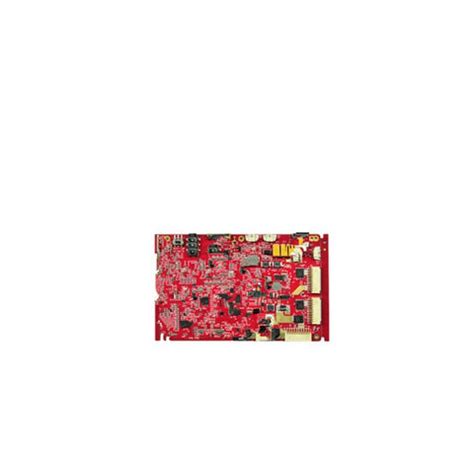
Precision PCB Assembly Worldwide
When scaling your electronics project from prototype to mass production, partnering with PCB manufacturing companies with global reach ensures consistent quality across borders. Leading providers maintain ISO-certified facilities in strategic regions—from North America to Asia-Pacific—enabling rapid turnaround without compromising precision. Whether you require surface-mount technology (SMT) for high-density designs or through-hole assembly for robust industrial applications, these specialists synchronize PCB manufacturing workflows to meet MIL-SPEC, IPC-A-610, and other international standards.
A key advantage of global networks lies in mitigating PCB manufacturing cost through regional material sourcing and optimized logistics. For instance, Asian hubs often reduce component procurement expenses, while European centers excel in low-volume, high-mix builds. Advanced traceability systems track every step—from solder paste inspection to final functional testing—ensuring your PCB manufacturing business avoids costly rework.
Moreover, ITAR-compliant and REACH-aligned providers address sector-specific needs, whether you’re developing aerospace avionics or medical IoT devices. By leveraging automated optical inspection (AOI) and 3D X-ray verification, manufacturers eliminate defects at micron-level tolerances, critical for mission-critical assemblies. This geographical and technical versatility positions global partners as single-source solutions for scaling from 10 to 10,000+ units seamlessly.
Quick-Turn PCB Fabrication Benefits
When evaluating PCB manufacturing partners, quick-turn fabrication services provide critical advantages for accelerating product development cycles. By compressing lead times to as little as 24-48 hours for prototypes, you gain the flexibility to test designs rapidly and iterate without delays. This approach directly reduces time-to-market pressures, allowing your team to address PCB manufacturing cost concerns by identifying design flaws early—before they escalate into expensive revisions during full-scale production.
Leading PCB manufacturing companies leverage automated workflows and advanced material management systems to maintain precision even under tight deadlines. For startups or enterprises scaling their PCB manufacturing business, this agility ensures seamless transitions from low-volume prototyping to high-volume orders. You also avoid inventory bottlenecks, as just-in-time production aligns with fluctuating demand.
Moreover, quick-turn services often include design-for-manufacturability (DFM) feedback, optimizing layouts for efficiency and reliability. Whether you’re developing consumer electronics or aerospace systems, partnering with a fabricator that prioritizes speed without compromising quality safeguards your project timelines and performance standards. By integrating these benefits, you position your operations to adapt swiftly to market changes while maintaining cost-effective workflows.
Advanced PCB Manufacturing Technologies
When selecting PCB manufacturing companies, you need partners leveraging cutting-edge technologies to optimize both precision and efficiency. Modern PCB manufacturing processes now integrate automated optical inspection (AOI) systems, laser direct imaging (LDI), and high-density interconnect (HDI) techniques to ensure micron-level accuracy in trace routing and layer alignment. These advancements directly influence PCB manufacturing cost by minimizing material waste and reducing rework rates—critical for scaling your PCB manufacturing business competitively.
By implementing AI-driven design validation tools, manufacturers preemptively flag potential flaws, accelerating time-to-market while maintaining compliance with industry standards like IPC-6012. Innovations such as additive printing for flexible substrates and embedded component technology further expand design possibilities, allowing for ultra-compact, high-performance boards. For businesses prioritizing sustainability, advanced recycling protocols and energy-efficient production lines are becoming integral to modern operations.
This technological edge ensures that even complex rigid-flex designs or high-frequency RF circuits meet rigorous performance benchmarks. As global demand surges, aligning with partners adept in these methodologies ensures your projects stay ahead in both quality and innovation.
Accelerated PCB Manufacturing Processes
When optimizing your electronics development cycle, understanding how PCB manufacturing timelines impact project outcomes becomes crucial. Leading PCB manufacturing companies now deploy automated optical inspection (AOI) systems and digital twin simulations to slash production phases by 30-50%. By integrating just-in-time material procurement with parallelized assembly lines, you gain faster iteration cycles without compromising on traceability standards—a critical advantage when balancing PCB manufacturing cost and speed.
Advanced manufacturers achieve this acceleration through modular fabrication workflows, allowing seamless scaling from 10-unit prototypes to 10,000-unit batches. For security-sensitive applications, ITAR-compliant facilities embed encrypted data protocols directly into their PCB manufacturing business operations, ensuring regulatory adherence while maintaining aggressive delivery schedules. Real-time production dashboards further let you monitor progress metrics, from solder paste application accuracy to final electrical testing.
To minimize downtime, global networks of certified partners synchronize logistics, reducing transit intervals for raw materials and finished boards. This geographic flexibility not only trims lead times but also stabilizes PCB manufacturing cost structures against regional supply chain fluctuations. Whether you’re validating a new design or ramping up volume, these accelerated processes ensure your product stays ahead of market demands.
Conclusion
When evaluating PCB manufacturing partners, the right balance of speed, quality, and compliance defines your project’s success. Leading PCB manufacturing companies prioritize accelerated timelines without compromising on precision, ensuring prototypes transition seamlessly to full-scale production. While PCB manufacturing cost remains a critical factor, partnering with experts who optimize material usage and leverage advanced technologies can reduce expenses while maintaining performance. For businesses scaling operations, aligning with a PCB manufacturing business that offers global reach and specialized capabilities—like rigid-flex solutions or ITAR-compliant processes—ensures adaptability across industries.
Ultimately, your choice impacts not just timelines but long-term reliability. By focusing on manufacturers with proven expertise in high-volume output and cutting-edge fabrication, you secure a supply chain capable of meeting evolving technical demands. Whether addressing rapid prototyping or complex assembly, the right partner transforms PCB manufacturing from a logistical challenge into a strategic advantage.
FAQs
How do you choose the right PCB manufacturing company for your project?
Look for PCB manufacturing companies with proven expertise in your industry, whether you need high-speed designs or rigid-flex circuits. Verify certifications like ISO or ITAR compliance, especially for defense-related projects.
What factors influence PCB manufacturing cost?
PCB manufacturing cost depends on board complexity, material selection, layer count, and turnaround time. Prototyping often costs more per unit, but bulk production scales efficiently. Always request a detailed quote to avoid hidden fees.
Why partner with a specialized PCB manufacturing business?
A dedicated PCB manufacturing business offers end-to-end solutions, from fast prototyping to global logistics. They streamline communication, reduce errors, and leverage advanced technologies like HDI or impedance control for consistent quality.
How do you ensure quality in PCB manufacturing?
Reputable PCB manufacturing providers use automated optical inspection (AOI), X-ray testing, and functional testing protocols. For ITAR-compliant projects, confirm they follow military-grade standards and supply chain security measures.
Ready to Start Your Project?
For tailored PCB manufacturing solutions that balance speed, cost, and precision, please click here. Explore how global expertise and accelerated processes can elevate your electronics design.