
Expert PCB Board Printing: Custom Prototyping & Fast Turnaround
Key Takeaways
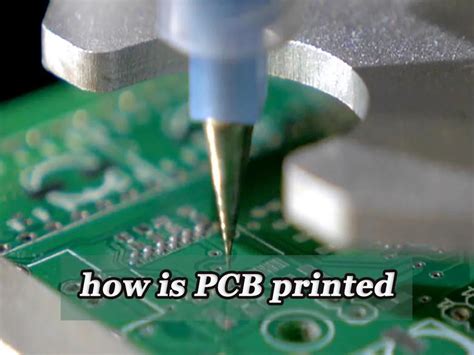
When exploring PCB manufacturing options, understanding core service elements ensures informed decisions. Leading PCB manufacturing companies prioritize rapid prototyping—often within 24 hours—to accelerate product development cycles. This speed is critical for validating designs before mass production. However, PCB manufacturing cost varies significantly based on layer counts, materials, and surface finishes. For instance, standard FR-4 substrates with 2-4 layers typically start at $2 per 5-piece prototype, while high-frequency materials or complex HDI designs increase expenses.
To optimize budgets, evaluate multi-process capabilities like FDM, SLA, or CNC milling, which cater to different project needs. For example, FDM suits quick-turn functional prototypes, whereas SLA excels in high-resolution models. Partnering with a PCB manufacturing business that offers 24/5 technical support ensures seamless troubleshooting during fabrication. Additionally, global logistics networks enable reliable delivery, whether you’re sourcing locally or internationally.
For deeper insights into balancing cost and quality, review industry benchmarks from trusted suppliers. This knowledge helps align your project’s technical requirements with scalable production strategies.
PCB Prototyping Services Hours
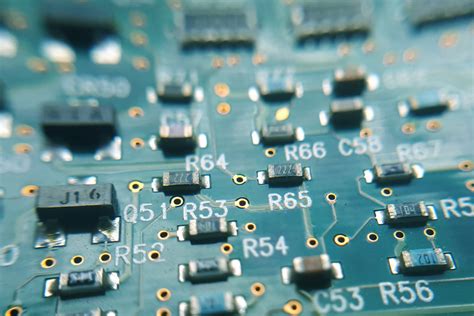
When selecting a PCB manufacturing partner, understanding their service hours is critical to aligning with your project timelines. Many PCB manufacturing companies now offer 24-hour prototyping to accommodate urgent design validations or last-minute revisions. This flexibility ensures you can iterate quickly without sacrificing precision, especially when working on tight deadlines.
Tip: Always confirm time zone differences with global providers to avoid miscommunication. Some facilities operate on 24/5 schedules, while others prioritize business hours for standard orders.
Here’s a comparison of typical service-hour models:
| Service Type | Turnaround Time | Typical Cost Range |
|---|---|---|
| Standard Prototyping | 3–5 business days | $2–$5/5pcs |
| Expedited Service | 24–48 hours | +30–50% base cost |
| Rush Orders | <24 hours | +70–100% base cost |
While expedited services reduce delays, they often increase PCB manufacturing cost. Balancing speed and budget requires evaluating your project’s phase—early prototyping might tolerate longer waits, whereas pre-production batches demand faster cycles. For startups managing a PCB manufacturing business, negotiating tiered pricing based on volume or off-peak scheduling can optimize expenses.
It’s also worth noting that not all processes are equally time-sensitive. For example, FDM (Fused Deposition Modeling) might enable same-day revisions, whereas SLA (Stereolithography) could require curing periods. Clarify these details upfront to avoid surprises.
By aligning service hours with your workflow, you ensure smoother transitions from design to production, keeping your project on track without compromising quality.
Custom PCB Printing Cost Analysis
Understanding PCB manufacturing expenses requires evaluating multiple factors that influence your project’s budget. While board complexity and layer count often dictate base pricing, PCB manufacturing companies also consider material selection, surface finishes, and order volume. For instance, opting for standard FR-4 substrates typically lowers PCB manufacturing cost compared to high-frequency materials like Rogers or polyimide.
Order quantity plays a critical role—prototyping 5-10 boards may cost $2–$5 per unit, but bulk orders (100+ units) can reduce per-board expenses by 30–50%. Advanced features such as blind vias or controlled impedance routing add precision but increase costs. To optimize spending, compare quotes from multiple PCB manufacturing business partners, ensuring they align with your technical requirements.
Hidden fees like shipping, expedited processing, or design revisions can impact total expenses. Many providers offer tiered pricing models, where scaling production lowers marginal costs. Always clarify whether testing and certification (e.g., IPC-A-600) are included in initial quotes. By balancing quality and budget, you can streamline PCB manufacturing investments without compromising performance.
Multi-Process PCB Manufacturing Guide
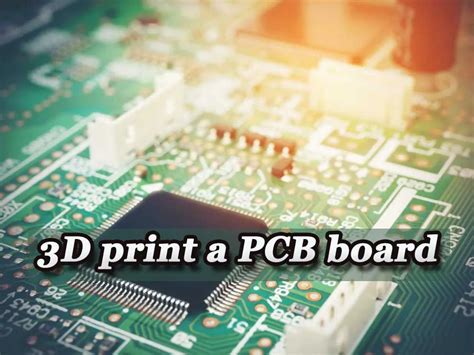
When selecting a PCB manufacturing partner, understanding the range of processes available ensures you match your project’s technical and budgetary needs. Modern PCB manufacturing companies often integrate multiple techniques like FDM (Fused Deposition Modeling), SLA (Stereolithography), and CNC (Computer Numerical Control) machining to balance speed, precision, and PCB manufacturing cost. For instance, FDM excels in rapid prototyping with thermoplastic layers, while SLA offers higher resolution for complex geometries. CNC, on the other hand, is ideal for subtractive manufacturing of rigid boards.
Your choice depends on factors like material compatibility, turnaround time, and design complexity. For high-volume orders, some providers combine processes to optimize efficiency—using CNC for bulk production and SLA for intricate prototypes. This hybrid approach minimizes waste and reduces overall PCB manufacturing business expenses. Always verify if the supplier offers transparent pricing models, as hidden fees for post-processing or material swaps can inflate costs. By aligning process capabilities with your project’s scope, you ensure scalable solutions without compromising quality or deadlines.
Fast Turnaround PCB Production Solutions
When your project demands rapid iteration, partnering with PCB manufacturing companies that prioritize speed without compromising quality becomes critical. Modern PCB manufacturing workflows leverage automated design validation and parallel processing to reduce lead times, enabling 24-hour prototyping for urgent orders. This efficiency is particularly valuable when testing multiple design iterations or addressing last-minute revisions.
Key factors influencing turnaround speed include material availability, layer count complexity, and the PCB manufacturing cost structure. For instance, standard FR-4 substrates typically enable faster production than specialized high-frequency laminates. Reputable providers optimize their PCB manufacturing business operations by maintaining in-house material stocks and employing advanced routing technologies like laser direct imaging (LDI), which slashes patterning time by up to 40% compared to traditional methods.
To accelerate delivery further, consider consolidating orders or opting for panelized designs that maximize factory throughput. Many manufacturers offer tiered pricing models where marginally higher PCB manufacturing cost per unit unlocks expedited processing. Always verify if your supplier provides real-time production tracking—this transparency helps you align assembly schedules and mitigate downstream delays.
By aligning your design requirements with a manufacturer’s technical capabilities and capacity planning, you can achieve 5-day full-scale production cycles even for multi-layer boards. This agility ensures your product development timeline remains competitive in fast-paced markets.
24/5 Expert Support for PCB Projects
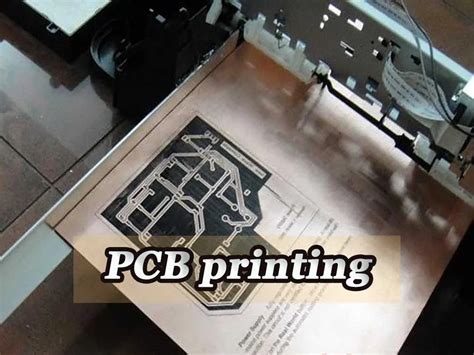
When navigating the complexities of PCB manufacturing, having round-the-clock access to technical guidance ensures your project stays on track. Leading PCB manufacturing companies prioritize 24/5 expert support to address challenges in real time, whether you’re refining design specifications, troubleshooting prototyping errors, or optimizing PCB manufacturing cost. This level of assistance is particularly critical when balancing tight deadlines with intricate requirements like thermal management or signal integrity.
Your team can consult engineers directly during business hours and weekends, reducing downtime caused by unresolved technical queries. For example, experts might recommend cost-effective materials to align with your budget or suggest adjustments to avoid costly rework. This proactive support becomes invaluable when scaling a PCB manufacturing business, as it minimizes risks associated with design-to-production transitions.
Additionally, specialized knowledge in multi-process fabrication (e.g., FDM vs. SLA) ensures compatibility with your project’s unique demands. By leveraging 24/5 support, you gain insights into streamlining workflows, resolving DFM (Design for Manufacturing) issues, and accelerating approvals—factors that directly influence both quality and turnaround times. Whether you’re a startup managing PCB manufacturing cost or an enterprise coordinating global deliveries, uninterrupted expert access helps maintain competitive agility without compromising precision. Always verify that your provider’s support channels include direct engineer access, not just automated systems, to maximize responsiveness.
Global PCB Delivery Options Explained
When sourcing PCB manufacturing services, understanding global delivery logistics is crucial to maintaining project timelines. Most PCB manufacturing companies offer multiple shipping methods tailored to your urgency and budget. For time-sensitive prototypes, express air freight (24-72 hours) ensures rapid receipt, though it may impact PCB manufacturing cost due to premium pricing. Alternatively, standard sea freight provides cost-effective solutions for bulk orders, with transit times ranging from 7–21 days depending on destination zones.
Leading providers optimize routes through regional hubs—such as Asia, Europe, and North America—to reduce delays and customs bottlenecks. If you’re managing a PCB manufacturing business, partnering with vendors offering real-time tracking and duty-paid shipping options minimizes administrative overhead. Always confirm incoterms (e.g., EXW, DDP) to clarify responsibility for tariffs and handling.
For urgent revisions or small batches, some companies integrate local fulfillment centers to slash delivery windows further. Balancing speed and PCB manufacturing cost requires aligning your priorities: pay a premium for accelerated timelines or leverage economies of scale with consolidated shipments. Proactively discuss logistics with your supplier during the quoting phase to avoid surprises.
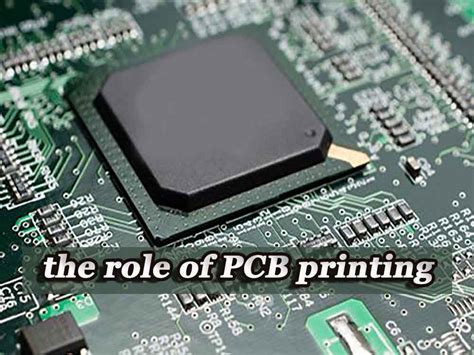
Affordable PCB Prototyping From $2
When exploring PCB manufacturing options, affordability doesn’t have to mean compromising quality. Leading PCB manufacturing companies now offer prototyping services starting at as low as $2 for 5 pieces, making it feasible to test designs without overspending. This pricing structure caters to startups and engineers who require cost-effective validation before scaling production.
The PCB manufacturing cost hinges on factors like board complexity, material choice, and layer count. For simpler designs, standardized processes such as 2-layer FR-4 boards keep expenses minimal. Advanced techniques like controlled impedance routing or HDI layouts may increase costs but remain accessible due to competitive pricing models. Bulk orders often unlock further discounts, aligning with the efficiency-driven goals of a PCB manufacturing business.
To maximize value, compare service tiers: entry-level prototyping focuses on speed and basic functionality, while premium options include enhanced testing or surface finishes. Transparent quotes from providers help you balance budget and technical requirements. By leveraging economies of scale and optimized workflows, modern manufacturers deliver high-yield results even at low volumes—ensuring your project stays on track financially and technically.
Comparing FDM vs SLA PCB Techniques
When evaluating pcb manufacturing methods, understanding the differences between Fused Deposition Modeling (FDM) and Stereolithography (SLA) helps you align your project with the right technique. FDM builds PCBs layer by layer using thermoplastic filaments, making it ideal for rapid prototyping where pcb manufacturing cost and speed are priorities. However, its layered structure may result in visible seams, requiring post-processing for smooth finishes. SLA, on the other hand, uses UV lasers to cure liquid resin into precise shapes, delivering higher resolution and smoother surfaces—critical for intricate designs demanding tight tolerances.
Pcb manufacturing companies often leverage FDM for early-stage prototypes due to its affordability (as low as $2/5pcs) and adaptability to design changes. SLA is preferred for near-final prototypes or small-batch production, where dimensional accuracy outweighs higher material costs. While FDM suits projects prioritizing pcb manufacturing business scalability, SLA minimizes rework risks in complex layouts. Your choice depends on balancing detail requirements, budget constraints, and turnaround timelines—factors that shape workflows across the pcb manufacturing lifecycle. Transitioning between these methods becomes seamless when partnering with experts who tailor solutions to your technical and commercial goals.
Conclusion
When navigating PCB manufacturing options, balancing speed, cost, and quality remains critical to your project’s success. Reputable PCB manufacturing companies leverage advanced processes like FDM and SLA to meet diverse prototyping and production demands while optimizing PCB manufacturing cost through scalable solutions. Whether you’re iterating a prototype or scaling for volume, aligning with a provider that offers transparent pricing, flexible timelines, and 24/5 technical support ensures your designs transition seamlessly from concept to reality.
For businesses managing a PCB manufacturing business, prioritizing partnerships with suppliers that combine rapid turnaround with global logistics capabilities can significantly reduce downtime. By understanding how material choices, layer counts, and finishing options influence expenses, you gain better control over budgets without compromising performance. Ultimately, the right PCB manufacturing strategy empowers innovation while maintaining competitiveness in fast-paced markets—ensuring your electronics projects stay ahead of the curve.
FAQs
How do I choose the right pcb manufacturing companies for my project?
Look for providers offering multi-process capabilities (like FDM, SLA, or CNC), transparent pcb manufacturing cost breakdowns, and scalable production timelines. Verify their expertise in handling custom prototyping and global delivery options.
What factors influence pcb manufacturing cost the most?
Cost depends on board complexity, material selection, layer count, and turnaround time. Bulk orders often reduce per-unit pricing, while specialized finishes or high-frequency materials may increase expenses.
Can pcb manufacturing businesses support urgent prototyping needs?
Many providers offer 24-hour prototyping for simple designs, though advanced projects may require longer. Confirm their capacity for fast-track services before finalizing orders.
How does pcb manufacturing differ between FDM and SLA processes?
FDM (Fused Deposition Modeling) suits durable, functional prototypes with layered thermoplastic, while SLA (Stereolithography) delivers high-resolution models using UV-cured resin. Your choice depends on precision needs and application requirements.
What certifications should I prioritize when working with pcb manufacturing companies?
Seek ISO 9001, IPC-A-600, or UL certifications to ensure quality compliance. These validate adherence to industry standards for reliability and safety.
Need a Reliable Partner for Your Next Project?
Explore tailored pcb manufacturing solutions with instant quotes and dedicated technical support. Click here to request a free quote and start your project today.