
Optimizing PCB Assembly Rework: Troubleshooting Production Challenges
Key Takeaways
Effective PCB assembly rework requires a systematic approach to address common production challenges while maintaining quality control standards. Identifying defects such as cold solder joints, misaligned components, or shorts early in the PCBA process minimizes costly delays. To prevent recurring issues, prioritize soldering error prevention through calibrated equipment and operator training.
Tip: Implement automated optical inspection (AOI) systems to detect PCB assembly flaws before rework begins, reducing manual inspection time by up to 40%.
When resolving component placement errors, leverage precision tools like tweezers or vacuum pens to reposition parts without damaging adjacent circuitry. For complex PCBA revisions, consider advanced techniques such as hot-air reflow or selective soldering to ensure consistent results. Always validate repairs with electrical testing to confirm functionality.
Transitioning between rework stages demands clear documentation—track changes to avoid version control conflicts. By integrating best practices like standardized workflows and post-rework inspections, manufacturers can balance efficiency with reliability, ensuring every PCB assembly meets industry benchmarks.
Optimizing PCB Rework Processes
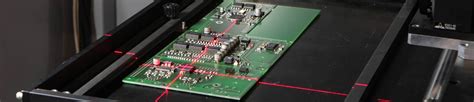
Effective PCB assembly rework requires a systematic approach to minimize downtime and ensure reliability. Start by analyzing common failure points, such as cold solder joints or misaligned components, which account for over 60% of PCBA defects. Implementing automated optical inspection (AOI) systems can streamline defect detection, allowing technicians to prioritize high-risk areas. For instance, using thermal profiling tools ensures precise temperature control during reflow, reducing the likelihood of pad lifting or board warping.
When addressing component replacement, employ specialized tools like vacuum pick-and-place systems to avoid damaging adjacent parts. A well-documented rework protocol, including pre-heating stages and solder paste application guidelines, is critical for consistency. Collaboration with trusted partners like Micro PCB Inc can provide access to advanced rework equipment tailored for complex PCB assembly scenarios.
Finally, integrate real-time quality checks into the workflow. Statistical process control (SPC) methods help track rework success rates, while cross-training technicians on both manual and automated systems ensures adaptability. By balancing precision with efficiency, manufacturers can reduce rework cycles by up to 40%, maintaining compliance with industry standards without compromising throughput.

PCB Assembly Defects Identification
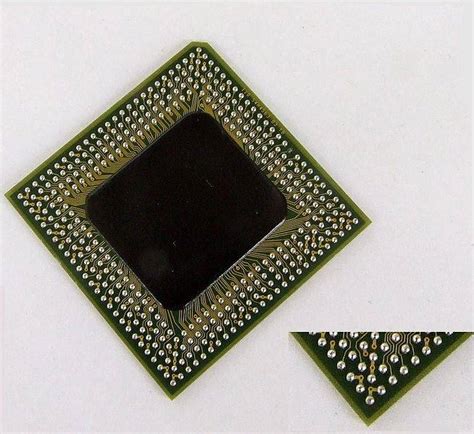
Accurate identification of defects in PCB assembly processes is critical for minimizing rework costs and ensuring product reliability. Common issues in PCBA include solder bridges, tombstoning, and misaligned components, which often stem from process inconsistencies or material flaws. Advanced inspection methods, such as automated optical inspection (AOI) and X-ray imaging, enable precise detection of hidden defects like voids in BGA solder joints or insufficient solder paste deposition.
| Defect Type | Detection Method | Common Causes |
|---|---|---|
| Solder Bridges | AOI, Visual Inspection | Excessive solder paste |
| Tombstoning | X-ray, Microscopic Analysis | Uneven thermal profiling |
| Component Misalignment | 3D SPI (Solder Paste Inspection) | Pick-and-place calibration errors |
Early-stage defect identification in PCB assembly reduces downstream rework by 30–40%, according to industry studies. For example, specialized PCB assembly services often integrate real-time monitoring systems to flag anomalies during surface-mount technology (SMT) processes. Engineers should prioritize analyzing thermal stress patterns and solder alloy compatibility, as these factors directly influence defect rates. By correlating defect data with process parameters, teams can refine PCBA workflows to address root causes—a foundational step before advancing to error prevention strategies.

Preventing PCB Soldering Errors
Effective soldering is critical in PCB assembly processes to ensure reliable electrical connections and long-term functionality. Common soldering defects, such as bridging, cold joints, or insufficient wetting, often stem from inconsistent temperature profiles, improper flux application, or contamination. To mitigate these issues, manufacturers should prioritize precise control of reflow oven parameters, including ramp rates and peak temperatures, tailored to the specific solder alloy and PCBA components.
Incorporating nitrogen-based atmospheres during soldering, as highlighted in recent studies, reduces oxidation and improves solder joint integrity. Additionally, automated optical inspection (AOI) systems can detect microscopic flaws post-soldering, enabling rapid corrections before downstream integration. For manual rework, technicians must adhere to ESD-safe practices and use temperature-controlled tools to avoid damaging sensitive components.
Proactive measures, such as regular calibration of soldering equipment and operator training programs, further minimize error rates. By addressing root causes like thermal mismatches or material incompatibilities early in the PCB assembly workflow, manufacturers can achieve higher first-pass yields and reduce costly rework cycles.
PCB Component Placement Fixes
Accurate component placement is critical in PCB assembly processes to avoid costly rework and ensure optimal functionality. Common issues such as misaligned components, tombstoning, or solder bridging often stem from mechanical errors during PCBA manufacturing. To address these challenges, technicians should prioritize automated optical inspection (AOI) systems to detect placement deviations early. For instance, recalibrating pick-and-place machines and verifying component orientation data in design files can minimize alignment errors.
When reworking misplaced parts, precise temperature control during soldering is essential to prevent damage to adjacent components. Techniques like hot air reflow or localized heating tools allow targeted adjustments without compromising the entire board. Additionally, adhering to design-for-repair principles during layout planning—such as maintaining adequate spacing between high-density components—simplifies rework accessibility.
For PCB assembly rework, verifying thermal profiles and using low-stress tools ensures reliable connections while preserving pad integrity. Implementing real-time monitoring during placement phases, combined with post-rework electrical testing, helps maintain quality control standards. By addressing placement flaws systematically, manufacturers reduce downtime and enhance the reliability of reworked PCBA units.
Quality Control in PCB Rework
Effective quality control in PCB assembly rework ensures repaired boards meet original performance specifications while minimizing production delays. Critical inspection points begin with post-rework visual examinations using magnification tools to detect residual flux, lifted pads, or micro-cracks. Automated optical inspection (AOI) systems further validate solder joint integrity and component alignment, particularly for high-density PCBA designs.
To maintain consistency, technicians should reference IPC-A-610 standards for acceptable rework tolerances, such as solder fillet profiles and component height deviations. Electrical testing, including flying probe or in-circuit tests, confirms functional reliability by identifying intermittent connections or latent shorts introduced during rework.
Proactive measures like statistical process control (SPC) tracking help identify recurring defects, enabling root-cause analysis for issues like tombstoning or cold joints. Implementing traceability protocols—such as barcode scanning or rework logs—ensures accountability and supports compliance audits. For PCB assembly lines handling mixed-technology boards, cross-training technicians on both through-hole and surface-mount rework techniques reduces error rates.
Finally, environmental controls (e.g., nitrogen atmospheres for soldering) and calibrated equipment maintenance prevent contamination and process drift. By integrating these strategies, manufacturers achieve first-pass yield improvements while adhering to stringent PCBA quality benchmarks.
PCB Rework Troubleshooting Guide
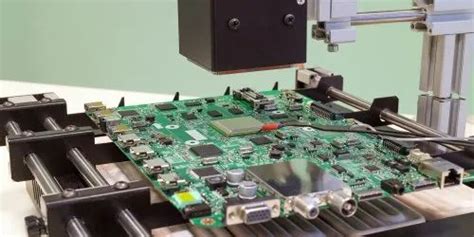
Effective troubleshooting during PCB assembly rework demands a systematic approach to isolate and resolve defects without compromising board integrity. Begin by analyzing common failure points in PCBA processes, such as cold solder joints, tombstoning, or misaligned components. Advanced diagnostic tools like automated optical inspection (AOI) and X-ray imaging help identify hidden flaws in multilayer boards, while thermal profiling ensures reflow processes stay within critical temperature thresholds.
When addressing PCB assembly errors, prioritize issues affecting electrical continuity—check for lifted pads, cracked traces, or oxidized contacts. For intermittent faults, consider using remote collaboration tools to share real-time diagnostic data with off-site engineers. Document every adjustment meticulously, as inconsistent rework practices often introduce secondary defects. Always verify repairs through functional testing and cross-reference results with original design specifications.
In high-density PCBA environments, leverage precision tools like micro-nozzle soldering irons and vacuum pick-up systems to correct component placement errors. For BGA reballing or QFN repairs, maintain strict humidity controls to prevent moisture-related failures. Establish clear escalation protocols for unresolved issues, ensuring alignment with broader quality assurance frameworks. By integrating data-driven troubleshooting with hands-on expertise, teams can reduce rework cycles while preserving PCB assembly reliability.
PCB Rework Best Practices
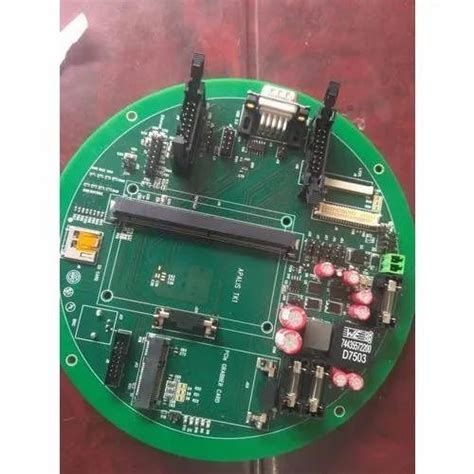
Effective PCB assembly rework requires a structured approach to minimize defects and ensure reliability. Begin with a thorough pre-rework inspection using magnification tools to identify thermal stress marks, lifted pads, or misaligned components. For PCBA projects, prioritize static-safe workspaces and employ specialized tools like circuit board holding vises to stabilize boards during repairs.
When addressing soldering issues, use temperature-controlled irons to avoid overheating sensitive components. For PCB assembly rework involving surface-mount devices (SMDs), apply low-residue flux to improve solder flow while reducing contamination risks. Always verify polarity and orientation before reseating components, as incorrect placement remains a leading cause of post-rework failures.
Documentation is critical: record rework steps, including solder profiles and component replacements, to maintain traceability. Finally, perform post-rework functional testing to validate repairs against original PCBA specifications. By integrating these practices, manufacturers can balance efficiency with quality, ensuring reworked boards meet industry standards without compromising production timelines.
Advanced PCB Rework Techniques
Modern PCB assembly processes demand precision, but even with rigorous quality checks, complex PCBA defects can emerge during production. Advanced rework techniques focus on addressing intricate issues such as micro-solder joint fractures, misaligned BGAs, and thermal stress damage without compromising adjacent components. Specialized tools like micro-rework stations and hot air pencils enable technicians to target specific areas, while soldering materials like SAC alloys ensure reliable reflow for high-density boards.
A critical aspect of advanced rework involves non-destructive testing (NDT) methods, such as X-ray inspection, to identify hidden flaws like voids in ball grid arrays. For multilayer PCBA designs, techniques like sequential desoldering minimize warping risks, preserving board integrity. Additionally, automated optical alignment systems help correct component placement errors at micron-level accuracy, reducing human intervention. To maintain PCB assembly consistency, technicians must calibrate equipment regularly and adhere to IPC-7711/7721 standards for rework procedures. By integrating these methods, manufacturers can resolve high-complexity defects while meeting stringent quality benchmarks.
Conclusion
Effective PCB assembly rework requires a strategic balance between precision engineering and adaptive problem-solving. As manufacturing complexities grow, addressing issues in PCBA processes demands meticulous attention to defect patterns, solder joint integrity, and component alignment. A proactive approach to troubleshooting not only minimizes production delays but also safeguards product reliability. By integrating automated optical inspection (AOI) systems and real-time process monitoring, teams can swiftly identify deviations and implement corrective measures without compromising throughput.
The interplay between quality control protocols and advanced rework techniques—such as laser soldering or selective desoldering—ensures consistent adherence to industry standards. Furthermore, fostering cross-departmental collaboration between design and manufacturing teams helps preempt recurring issues, reducing the need for extensive rework cycles. As the electronics industry evolves, prioritizing continuous training on emerging PCBA technologies remains critical to maintaining competitive edge. Ultimately, optimized rework strategies transform production challenges into opportunities for operational refinement, delivering both cost efficiencies and enhanced end-user satisfaction.
Frequently Asked Questions
What are the most common defects encountered during PCB assembly rework?
The most frequent issues include cold solder joints, component misalignment, and bridged connections. These defects often stem from improper temperature profiles, rushed placement processes, or inadequate flux application. Advanced inspection tools like automated optical inspection (AOI) help detect these errors early.
How can PCBA technicians prevent soldering errors during rework?
Implementing temperature-controlled soldering irons and using high-quality solder paste significantly reduces risks. Technicians should also follow IPC-A-610 standards for solder joint acceptability and perform regular equipment calibration to maintain precision.
What strategies address component placement challenges in PCB assembly?
Adopting vision-assisted placement systems ensures accurate alignment of fine-pitch components. For manual rework, magnification tools and anti-static tweezers improve handling accuracy. Always verify placements against the board’s Gerber files before final soldering.
How does quality control integrate into PCBA rework workflows?
Post-rework inspections should combine electrical testing and X-ray analysis to validate internal connections. Documenting every rework step and maintaining traceability logs helps identify recurring issues, enabling proactive process adjustments.
When should a PCB assembly be scrapped instead of reworked?
If rework attempts exceed three iterations or damage critical traces, replacement becomes cost-effective. Boards with delaminated substrates or charred components due to thermal stress also warrant replacement to ensure long-term reliability.
Need Expert Support for Your PCB Assembly Project?
For tailored solutions to complex PCBA rework challenges, please click here to connect with our engineering team. We specialize in optimizing rework processes while adhering to industry-leading quality benchmarks.