
PCB Electroplating Process Parameters and Maintenance Requirements
Abstract
Printed Circuit Board (PCB) electroplating is a critical process in the electronics manufacturing industry, ensuring reliable electrical connections and corrosion resistance. This paper discusses key electroplating process parameters, including current density, bath composition, temperature, and agitation, and their impact on plating quality. Additionally, it outlines essential maintenance practices to sustain optimal performance, such as bath filtration, anode care, and regular chemical analysis. By adhering to proper process controls and maintenance protocols, manufacturers can enhance plating uniformity, reduce defects, and extend equipment lifespan.
1. Introduction
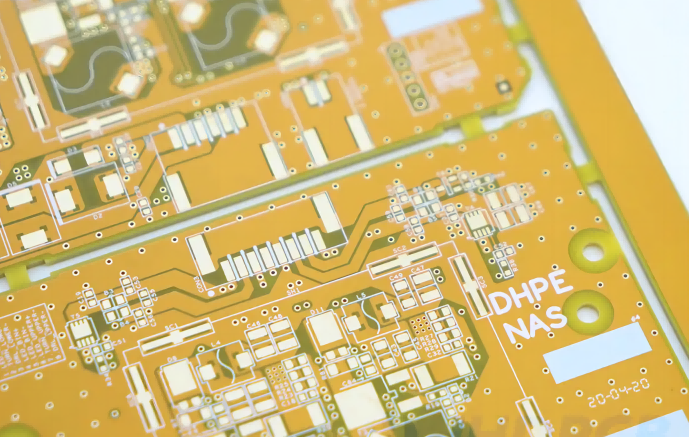
Electroplating is a fundamental step in PCB fabrication, used to deposit conductive metal layers (e.g., copper, nickel, gold) onto substrates to form circuit traces, vias, and pads. The quality of electroplating directly influences PCB performance, affecting conductivity, adhesion, and durability. To achieve consistent results, manufacturers must optimize process parameters and implement rigorous maintenance routines.
This article explores the key parameters in PCB electroplating and provides guidelines for maintaining plating baths and equipment.
2. Key Electroplating Process Parameters
2.1 Current Density
Current density (measured in A/dm² or A/ft²) is a primary factor influencing deposition rate and plating uniformity.
- Low current density may result in thin or uneven deposits.
- High current density can cause burning, roughness, or poor adhesion.
- Optimal range: Typically 1–5 A/dm² for acid copper plating, depending on bath composition and agitation.
2.2 Bath Composition
The electroplating bath contains metal ions, conductive salts, and additives that influence deposit properties.
- Copper sulfate baths: Commonly used for through-hole and via plating.
- Nickel and gold baths: Applied for surface finishes (ENIG, ENEPIG).
- Additives: Brighteners, levelers, and suppressors improve smoothness and prevent dendrite formation.
Regular chemical analysis is necessary to maintain proper concentrations.
2.3 Temperature
Plating bath temperature affects deposition rate and grain structure.
- Copper plating: Optimal at 20–30°C.
- Nickel plating: Often requires higher temperatures (40–60°C).
- Excessive heat accelerates additive breakdown and evaporation.
2.4 Agitation
Agitation ensures uniform ion distribution and prevents concentration polarization.
- Mechanical agitation: Uses paddles or workpiece movement.
- Air agitation: Introduces filtered air to enhance mixing.
- Over-agitation may cause uneven plating or additive depletion.
2.5 pH Level
pH influences deposition efficiency and deposit quality.
- Acid copper baths: pH ~1–2.
- Alkaline baths (e.g., nickel): pH 8–10.
- Uncontrolled pH leads to poor adhesion or bath instability.
2.6 Plating Time
Determines deposit thickness.
- Too short: Incomplete coverage.
- Too long: Excessive thickness, wasted material.
3. Maintenance Requirements for PCB Electroplating
3.1 Bath Filtration and Purification
- Continuous filtration removes particulates that cause roughness or nodules.
- Carbon treatment eliminates organic contaminants.
- Regular bath analysis ensures proper chemical balance.
3.2 Anode Maintenance
- Phosphorized copper anodes are commonly used in acid copper plating.
- Anode bags prevent sludge from entering the bath.
- Anode-to-cathode ratio should be maintained (typically 1:1 or 2:1).
3.3 Equipment Cleaning
- Tank cleaning: Prevents buildup of metallic residues.
- Rack and contact maintenance: Ensures good electrical connectivity.
3.4 Additive Control
- Hull cell testing monitors additive performance.
- Dosing systems maintain consistent additive levels.
3.5 Waste Management
- Neutralization of spent baths before disposal.
- Recovery of precious metals (e.g., gold from gold plating baths).
4. Common Defects and Troubleshooting
| Defect | Possible Cause | Solution |
|---|---|---|
| Rough deposits | High current density, poor filtration | Adjust current, improve filtration |
| Poor adhesion | Contaminated substrate, incorrect pretreatment | Improve cleaning, optimize activation |
| Dull plating | Additive imbalance, low temperature | Rebalance bath, adjust temperature |
| Pitting | Air bubbles, organic contamination | Increase agitation, carbon treat bath |
5. Conclusion
Optimizing PCB electroplating requires precise control of process parameters such as current density, bath composition, temperature, and agitation. Equally important is a structured maintenance program, including bath purification, anode care, and equipment cleaning. By implementing these best practices, manufacturers can achieve high-quality, reliable plating results while minimizing defects and operational costs.
.