
The Future of Through-Hole Technology in PCB Manufacturing
Through-hole technology has long been the dominant method in PCB manufacturing. Even though it is now being questioned by other methods such as surface mounting, it still has many uses.
In this brief overview, we will try to examine the pros and cons of through-hole PCB assembly to predict its future.
What is Through-Hole Technology
Also known as through-hole mounting and through-hole drilling, all of these refer to the method of connecting component leads to the bare PCB (printed circuit board). The alternative is surface mount technology. Surface mounting emerged in the late 80s of the last century and was predicted to become the new standard, which has never happened since. Through-hole drilling, while no longer a universal standard, is still heavily used in some parts of the electronics industry.
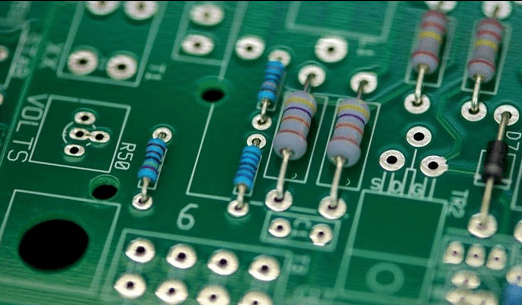
The main reason is reliability
Products that require a more robust connection will always have through-hole technology, longer life and longer service life, rather than surface mount applications where components are connected to the board through surface soldering. It is suitable for small electronic devices that do not need to withstand any mechanical stress. However, PCBs in automotive and other applications where stress and vibration are a significant factor will still prefer through-hole drilling in their boards.
That’s why through-hole PCB assembly is common in aerospace, military, automotive, and other similar industries. When the components of a system need to withstand vibration, impact, and acceleration without losing their functionality, THD still goes a long way.
Another useful application of through-hole technology is when testing prototype PCBs, where manual adjustments or alterations to the circuit may be required. Rerouting surface mounted components is much more difficult than through-hole drilling.
Disadvantages of Through-Hole Technology
The main disadvantage of this type of board is that the holes must be drilled. This adds cost and time to the board manufacturing process. It also limits the routing possibilities to the location of the holes and restricts the use of multi-layer boards.
The obvious conclusion is that while through-hole technology is no longer the standard, it is far from being completely phased out. It is still standard in some areas, and cost and availability sometimes make it even more suitable than surface mounting in common applications.