
What are the causes and solutions for PCB pads falling off?
The falling off of PCB (printed circuit board) pads is a common problem that can cause electronic devices to not work properly. This article will introduce the causes and solutions for pads falling off in detail.
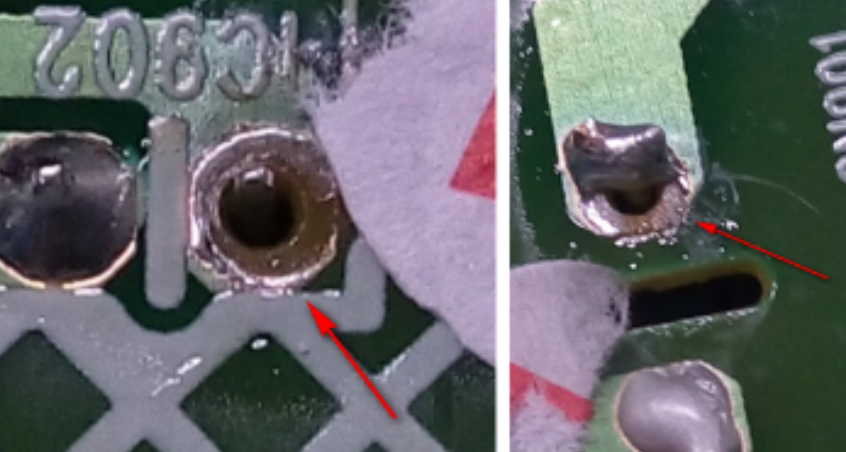
1.Causes of pads falling off
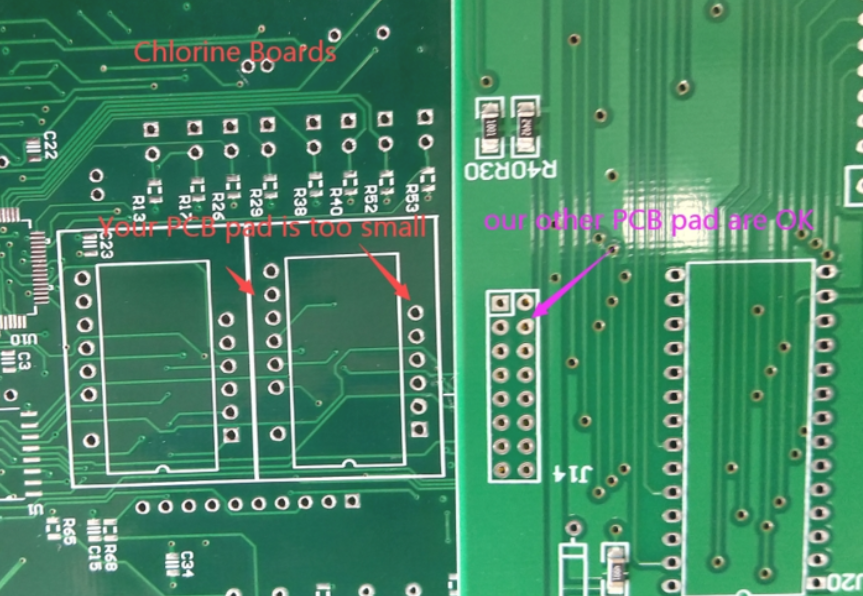
- PCB design problems: A common reason is that the size, shape, spacing and other parameters of the pads are not properly considered during the design process. If the pads are not designed properly, they may not withstand external pressure and cause them to fall off.
- Material quality: Although PCB manufacturers strive to ensure quality during production, material problems sometimes occur. For example, if the metal coating of the pads does not adhere well to the substrate, they may fall off during use.
- Thermal expansion: PCBs are affected by temperature during operation, and temperature changes may cause pads to fall off. When the PCB works at high temperatures for a period of time, thermal expansion will occur and put pressure on the pads. If the pads do not have enough strength, they may fall off.
- Vibration and shock: PCBs are usually installed in various equipment and machinery, which may generate vibration and shock during use. These forces can exert great pressure on the pads, causing them to fall off.
- Service life: The life of the pads is limited, and solder joints may fatigue over time. When the pads are used for too long, the solder joints may fail and cause them to fall off.
- Solutions to pad fall-off
- Design a reasonable pad: An effective solution is to consider the size, shape, and spacing of the pads during the PCB design stage. Ensure that the pads can withstand external pressure and have sufficient strength and durability.
- Use high-quality materials: Choosing PCB manufacturers and suppliers with reliable quality can reduce the risk of pad fall-off. Ensure that there is good adhesion between the metal coating of the pad and the substrate, and that it can withstand temperature changes and vibration shocks.
- Control temperature: When using PCBs, try to control the temperature within a reasonable range. Avoid too high or too low temperatures to reduce the risk of pad fall-off. In high-temperature environments, consider using a cooling system or radiator to reduce the temperature.
- Strengthen fixation: For equipment that is prone to vibration or shock, measures can be taken to strengthen the fixation of the pads. For example, use locking screws or add auxiliary support structures to increase the stability and durability of the pad.
- Regular inspection and maintenance: Regularly check the condition of the pad and perform necessary maintenance and repair work. For example, if the pad is found to be loose or deformed, measures can be taken to repair it immediately to prevent it from falling off.
Summary:
Pad shedding is one of the common problems in PCB manufacturing and use. It may be caused by a variety of factors such as design problems, material quality, thermal expansion, vibration shock and service life. In order to reduce the risk of pad shedding, it is necessary to reasonably design the pad, use high-quality materials, control temperature, strengthen pad fixation and perform regular inspection and maintenance. Only by understanding the reasons for pad shedding and taking corresponding measures can the reliability and stability of the PCB be ensured.