
The Secret to a Longer Circuit Board Life: How to Maintain PCBs
What is the typical lifespan of a circuit board?
First, under normal use and without damage, the circuit board itself has a fairly long lifespan. Manufacturers typically specify a lifespan of approximately five years, but this doesn’t mean the board is unusable after five years. In fact, with proper care and maintenance, it can last for decades.
Electronic components, especially electrolytic capacitors, can limit the lifespan of a circuit board. These components can degrade after extended use, so it’s recommended to inspect and replace them every ten years to maintain optimal performance.
Storage conditions can also affect the lifespan of a circuit board. Unused circuit boards should be coated with a conformal coating to protect against moisture, dust, and other factors that may cause corrosion. This treatment can extend the storage lifespan of a circuit board to up to nine months.
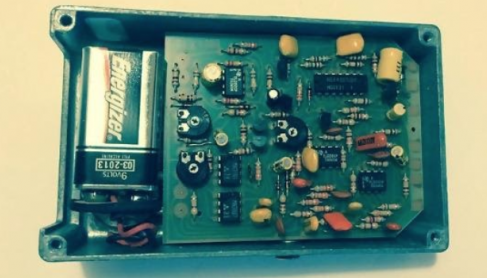
Environmental factors, such as temperature, humidity, and the presence of corrosive gases, can affect the lifespan of a circuit board. Therefore, maintaining a dry, clean environment and avoiding harsh conditions are key to extending its service life.
Finally, regular maintenance is crucial to maintaining a long circuit board lifespan. This includes regularly cleaning dust, checking the condition of electronic components, and performing necessary repairs. By taking these measures, your circuit board will be able to maintain its performance for a long time and provide stable support for your equipment.