
Aluminum pcb dielectric

Aluminum PCBs (Printed Circuit Boards) have a dielectric layer that is typically made of a thermally conductive material,

such as ceramic or epoxy.
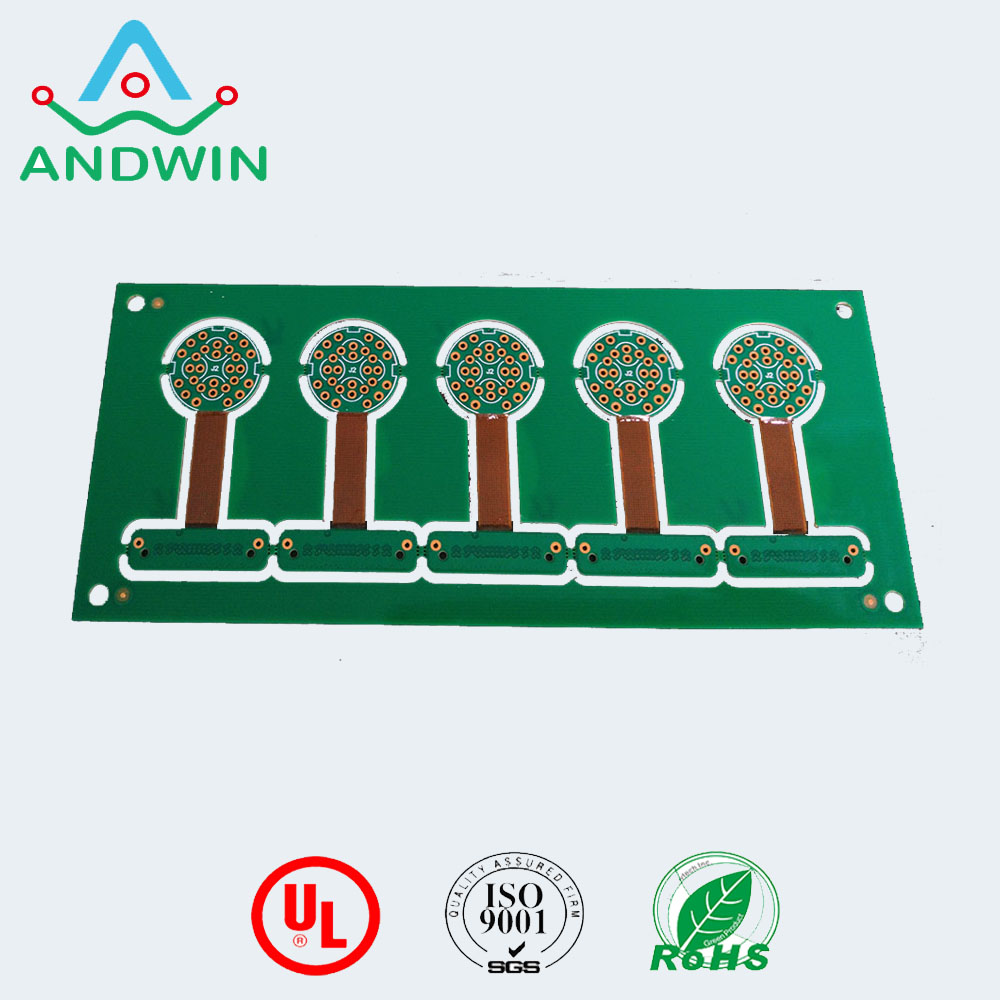
The dielectric layer serves as an insulator between the conductive layers of the PCB,

providing electrical isolation and thermal management.

The choice of dielectric material depends on the specific requirements of the PCB,

such as thermal conductivity, dielectric constant, and mechanical strength.
GET IN TOUCH!

How to calculate the dielectric of aluminum substrate

The dielectric constant of an aluminum substrate can be calculated using the following formula:

εr = C / Co

where εr is the relative permittivity (dielectric constant), C is the capacitance of the aluminum substrate,

and Co is the capacitance of a vacuum or air.

To measure the capacitance of the aluminum substrate, you can use a capacitance meter or an LCR meter.

The capacitance meter should be set to measure capacitance in the range of the aluminum substrate.

Once you have measured the capacitance of the aluminum substrate,

you can substitute the values into the formula to calculate the dielectric constant.

It is important to note that the dielectric constant of an aluminum substrate can vary depending on the specific material used,

the thickness of the substrate, and the frequency of the signal being transmitted.

Therefore, it is important to consult the manufacturer’s specifications or conduct further testing to ensure accurate results.
Where is the aluminum substrate dielectric used?

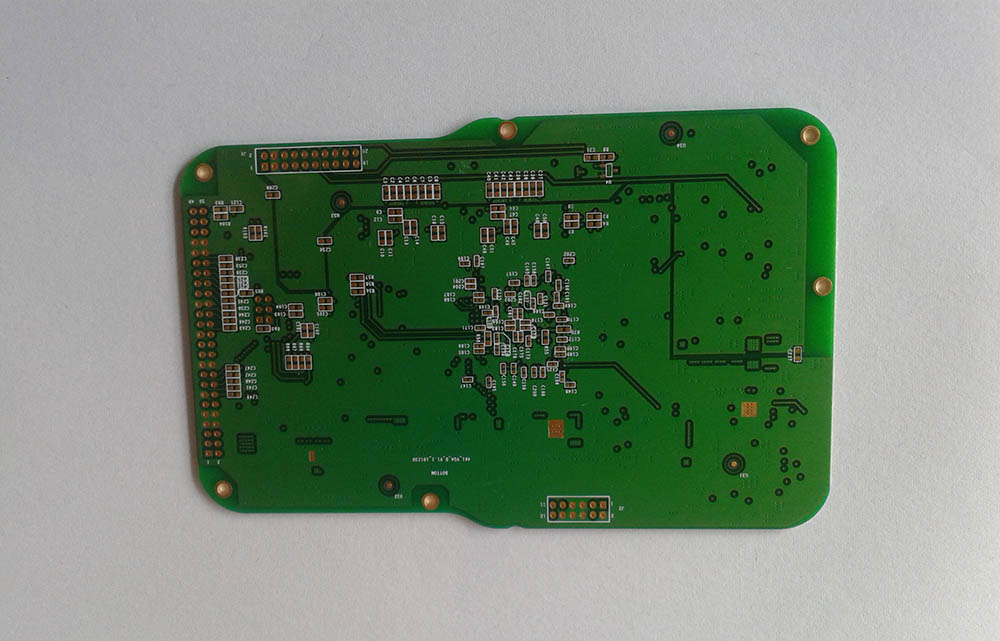
Aluminum substrate dielectrics are commonly used in electronic circuit boards,

particularly in the manufacturing of printed circuit boards (PCBs).

The dielectric layer is used to insulate the conductive traces on the PCB from each other,

preventing electrical interference and ensuring proper signal transmission.

Aluminum substrate dielectrics are preferred because they offer high thermal conductivity,

good mechanical strength, and excellent electrical insulation properties.

They are also used in the manufacturing of LED lights,

where the aluminum substrate acts as a heat sink to dissipate heat generated by the LED.

GET IN TOUCH!

Similar Posts

  • Rogers 5880 prepreg

    Rogers 5880 prepreg is commonly used in high-frequency applications such as microwave and RF circuits, antennas, and satellite communication systems. It is also used in the aerospace industry for radomes and other applications that require high strength and low dielectric constant. GET IN TOUCH! What is Rogers 5880 Prepreg related to Rogers 5880 Prepreg is…

  • PCB design basics

    Printed circuit boards (PCBs) appear in almost every electronic device. If there are electronic components in a device, they are also mounted on PCBs of various sizes. In addition to fixing various small parts, the main function of PCBs is to provide electrical connections between the various parts on them. As electronic devices become more…

  • Mfs flexible pcb

    Advantages Of MFS Flexible PCB In Modern Electronics MFS flexible printed circuit boards (PCBs) have emerged as a pivotal innovation in the realm of modern electronics, offering a multitude of advantages that cater to the evolving demands of contemporary technology. As electronic devices become increasingly compact and sophisticated, the need for components that can accommodate…

  • Custom pcb board design

    Understanding The Basics Of Custom PCB Design Custom PCB board design is a critical aspect of modern electronics, serving as the backbone for a wide array of devices, from simple gadgets to complex machinery. Understanding the basics of custom PCB design is essential for engineers and hobbyists alike, as it lays the foundation for creating…

  • Ceramic pcb china

    Advantages Of Ceramic PCBs In The Chinese Electronics Industry Ceramic printed circuit boards (PCBs) have emerged as a pivotal component in the Chinese electronics industry, offering a multitude of advantages that cater to the ever-evolving demands of modern technology. As the electronics sector in China continues to expand, driven by innovations in consumer electronics, telecommunications,…

  • The Impact of Chaotic PCB Layout on Component Soldering Quality

    Abstract Printed Circuit Board (PCB) layout design plays a critical role in the manufacturability and reliability of electronic assemblies. A disorganized or poorly planned PCB layout can lead to significant soldering defects, affecting electrical performance, mechanical stability, and long-term durability. This paper examines the key challenges posed by chaotic PCB layouts, including thermal management issues,…