A Brief Discussion on the Sources and Main Components of PCB Electronic Waste
Introduction
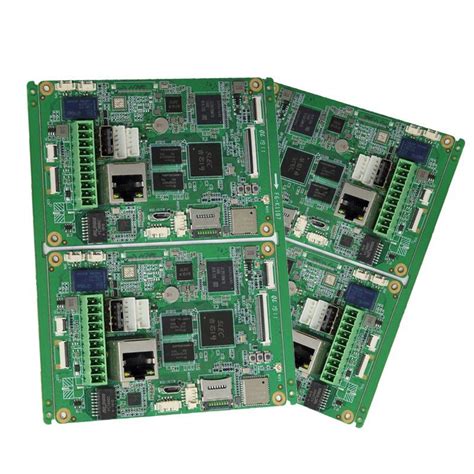
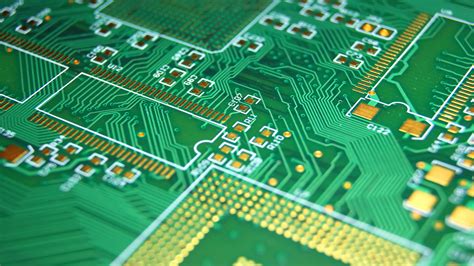
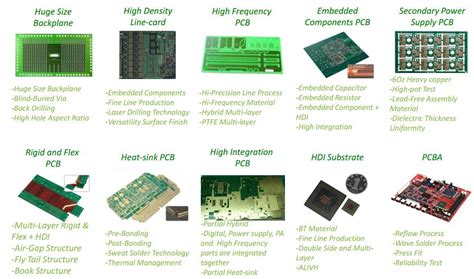
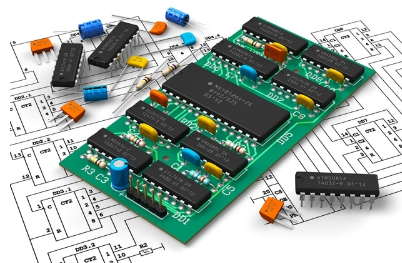
Printed Circuit Boards (PCBs) are essential components in almost all modern electronic devices, from smartphones and computers to household appliances and industrial equipment. However, the rapid advancement of technology and the increasing demand for electronic products have led to a significant rise in electronic waste (e-waste), particularly PCB waste. The improper disposal of PCBs poses severe environmental and health risks due to their complex composition, which includes hazardous substances alongside valuable materials. This paper explores the primary sources of PCB electronic waste and analyzes its main chemical and material components.
Sources of PCB Electronic Waste
PCB electronic waste originates from various sectors, including consumer electronics, industrial equipment, and obsolete infrastructure. The major sources include:
1. Consumer Electronics
The most significant contributor to PCB e-waste is discarded consumer electronics. Devices such as:
- Smartphones and Tablets – Frequent upgrades lead to short lifespans (2-3 years).
- Laptops and Desktop Computers – Obsolete due to rapid advancements in processing power.
- Televisions and Monitors – Shift from CRT to LCD/LED technology has rendered older models obsolete.
- Home Appliances – Washing machines, refrigerators, and microwaves contain PCBs that become waste at end-of-life.
2. Industrial and Medical Equipment
Industrial machinery, control systems, and medical devices (e.g., MRI machines, diagnostic equipment) contain specialized PCBs. When these systems are decommissioned, their PCBs contribute to e-waste.
3. Telecommunications and IT Infrastructure
Network routers, servers, and communication devices contain high-performance PCBs. The expansion of 5G technology is accelerating the replacement of older telecom equipment.
4. Automotive Electronics
Modern vehicles rely on PCBs for engine control units (ECUs), infotainment systems, and sensors. The shift toward electric vehicles (EVs) further increases PCB usage, leading to future waste accumulation.
5. Military and Aerospace Electronics
Defense and aerospace industries use high-durability PCBs, which eventually become e-waste when equipment is retired.
Main Components of PCB Electronic Waste
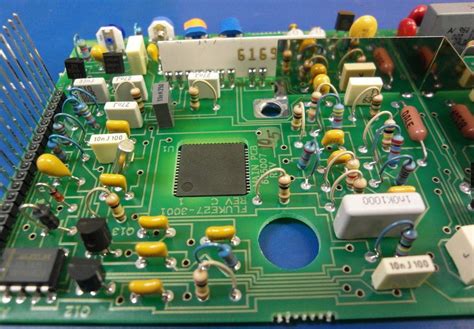
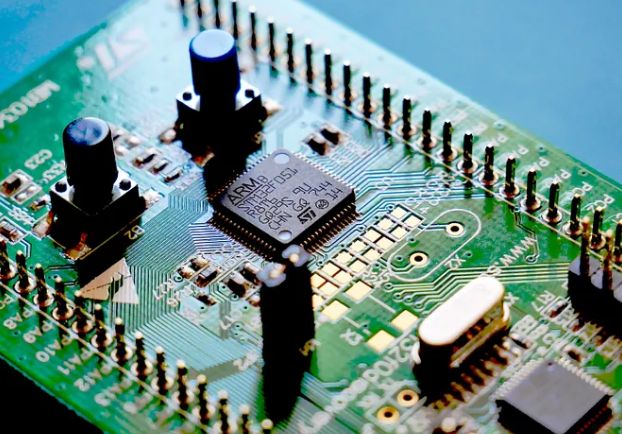
PCBs are composed of a mix of metals, plastics, and hazardous substances. The primary components can be categorized as follows:
1. Metallic Components
PCBs contain both precious and heavy metals, making them valuable yet environmentally hazardous:
- Copper (Cu) – The most abundant metal in PCBs, used for conductive traces.
- Gold (Au) and Silver (Ag) – Used in connectors and plating due to their high conductivity.
- Lead (Pb) – Present in solder (though lead-free alternatives are becoming common).
- Tin (Sn) – Used in solder alloys.
- Palladium (Pd) and Platinum (Pt) – Found in some high-performance PCBs.
- Nickel (Ni) and Aluminum (Al) – Used for shielding and structural support.
- Cadmium (Cd) and Mercury (Hg) – Toxic heavy metals found in some older PCBs.
2. Non-Metallic Components
- Fiberglass (FR-4) – The base material for most PCBs, providing structural support.
- Epoxy Resins – Used as adhesives and insulating layers.
- Brominated Flame Retardants (BFRs) – Added to prevent combustion but are toxic when incinerated.
- Plastics and Polymers – Used in PCB coatings and connectors.
3. Hazardous Substances
Many PCB components are classified as hazardous due to their toxicity:
- Lead (Pb) – Causes neurological damage and environmental contamination.
- Cadmium (Cd) – A carcinogen that affects kidney and bone health.
- Mercury (Hg) – Highly toxic, affecting the nervous system.
- Brominated Flame Retardants (BFRs) – Persistent organic pollutants (POPs) that bioaccumulate.
- Polyvinyl Chloride (PVC) – Releases dioxins when burned.
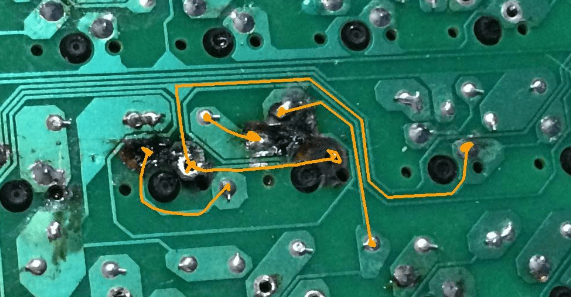
Environmental and Health Impacts
Improper disposal of PCB e-waste leads to:
- Soil and Water Contamination – Heavy metals leach into groundwater, affecting ecosystems.
- Air Pollution – Burning PCBs releases toxic fumes (dioxins, furans).
- Human Health Risks – Exposure to lead, cadmium, and mercury causes cancers, neurological disorders, and developmental issues in children.
Recycling and Sustainable Management
To mitigate these risks, effective PCB recycling methods are essential:
- Mechanical Recycling – Crushing and separating metals from non-metals.
- Hydrometallurgy – Using chemical solutions to extract precious metals.
- Pyrometallurgy – High-temperature smelting to recover metals.
- Biometallurgy – Using microorganisms to leach metals (an emerging technique).
Conclusion
PCB electronic waste is a growing environmental challenge due to its complex and hazardous composition. Major sources include consumer electronics, industrial equipment, and automotive systems. The presence of valuable metals like gold and copper makes recycling economically viable, while toxic substances like lead and mercury necessitate strict disposal regulations. Sustainable e-waste management, including advanced recycling techniques and stricter policies, is crucial to minimizing the ecological and health impacts of PCB waste.