Advancements in Printed Circuit Board Assembly Techniques
Key Takeaways
The pcb assembly process has seen significant shifts in both technology and methodology, leading to improved performance and efficacy in production. Key innovations such as surface mount technology (SMT) and high-density interconnect (HDI) have transformed traditional methods, allowing for more compact designs that increase functionality while minimizing size. The incorporation of automation into the pcba process has further propelled efficiency, enabling faster throughput and reducing human error in component placement. Additionally, the use of advanced inspection technologies such as automated optical inspection (AOI) ensures that accuracy is maintained throughout the assembly process.
The scalability of printed circuit board assembly has also been addressed through modular production systems, allowing manufacturers to adjust quickly to varying demand levels without compromising quality. These developments not only enhance output but also cater to the growing need for customization in circuit board design. The combination of these advancements is setting new benchmarks for quality and productivity in the rapidly evolving electronic landscape.
| Key Topic | Description |
|---|---|
| Innovations in PCB Assembly | Adoption of SMT and HDI enhancing compact designs |
| Automation | Increasing efficiency and reducing human error |
| Inspection Technologies | Use of AOI for maintaining accuracy throughout assembly |
| Scalability | Modular systems enabling quick adaptation to market demands |
In summary, the landscape of pcb assembly continues to evolve with technological advancements that promise to reshape how manufacturers approach production challenges while ensuring precision and scalability.
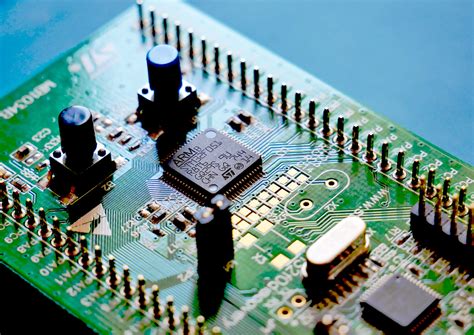
Introduction to Printed Circuit Board Assembly Techniques
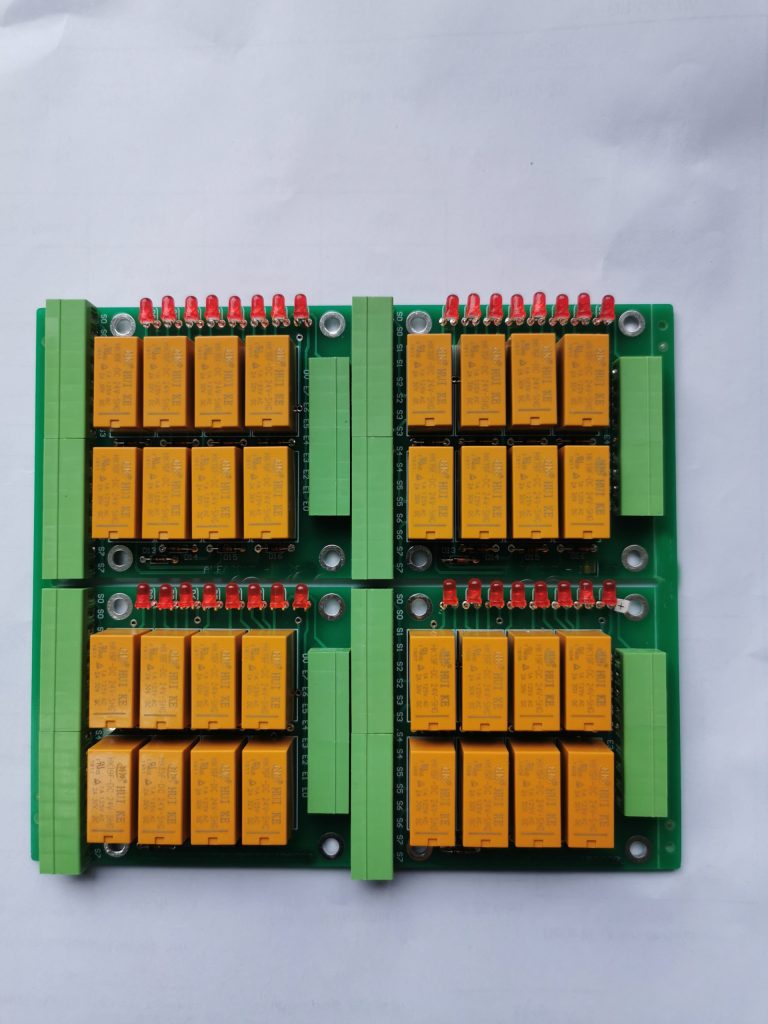
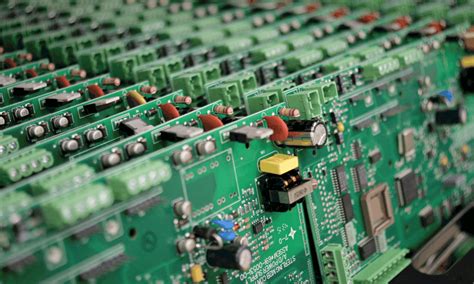
The realm of PCB assembly has evolved significantly over the years, driven by the continuous need for enhanced performance and reliability in electronic devices. Innovations in this field have led to the development of more sophisticated PCBA processes that cater to the increasing complexity of modern electronics. At its core, printed circuit board assembly involves a careful integration of various components onto a substrate, resulting in a functional board that facilitates connectivity and performance. A critical aspect of successful PCB assembly is understanding the techniques that maximize both efficiency and accuracy during manufacturing.
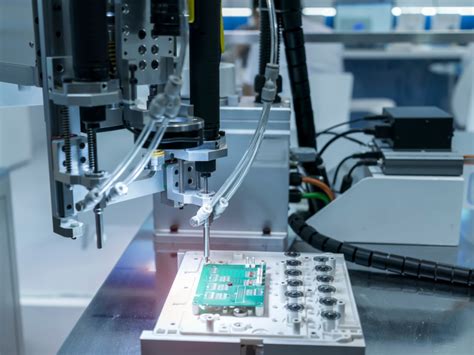
New methodologies, including surface mount technology (SMT) and through-hole mounting, have reshaped assembly practices, allowing for more compact designs and increased component density. Additionally, advancements in soldering techniques, such as selective soldering and laser soldering, have significantly improved joint quality and reduced defects. Embracing automation plays a pivotal role in streamlining production lines; sophisticated robots can now perform tasks with high precision while minimizing human error.
“Investing in innovative PCB assembly technologies not only improves productivity but also ensures higher quality standards in electronic manufacturing.”
This insight highlights the importance of staying abreast of current trends to maintain competitiveness in this ever-evolving landscape. The incorporation of smart technologies like visual inspection systems ensures that each assembled board meets rigorous quality benchmarks before reaching consumers. Collectively, these advancements signify not just enhancements in process efficiency but also a commitment to delivering reliable electronic components demanded by today’s technology-driven society.
Key Innovations in PCB Assembly Methods
In the realm of pcb assembly, continuous advancements are paving the way for enhanced methodologies. One notable innovation is the adoption of surface mount technology (SMT), which allows for components to be mounted directly onto the surface of the printed circuit boards (PCBs). This leads to reduced assembly time and improved space utilization. Additionally, the integration of automated soldering techniques, such as selective soldering and reflow soldering, has demonstrated significant benefits in efficiency and consistency. These methods significantly minimize human error while maintaining high precision during the assembly process. Moreover, advancements in material science have led to the development of new adhesives and substrates designed specifically for enhanced thermal management and reliability. These innovations not only improve the quality of PCBA but also contribute to a more sustainable manufacturing process by reducing waste and energy consumption. The implementation of smart technologies—including artificial intelligence and machine learning—has also begun transforming pcb assembly workflows, allowing manufacturers to predict potential issues before they occur, thus reducing downtime. Collectively, these innovations signify a notable shift toward a more efficient, accurate, and scalable approach to PCB assembly, setting the stage for future advancements in this critical industry.
Enhancing Efficiency in PCB Manufacturing
In the ever-evolving landscape of electronics, enhancing efficiency in pcb assembly processes is paramount. Modern techniques in printed circuit board assembly (PCBA) have made significant strides, primarily due to technological advancements. One of the leading approaches to improving efficiency is the integration of automated systems, which allows for faster production rates and reduced human error. These automated systems utilize sophisticated robotics and software that streamline repetitive tasks, ensuring that components are placed accurately and quickly. Additionally, smart manufacturing concepts, such as real-time monitoring and data analytics, are increasingly being adopted to optimize workflows and resource allocation.
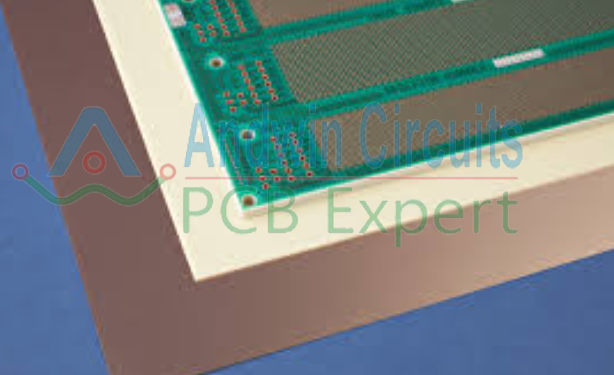
Another critical innovation is the development of advanced materials that facilitate higher durability while reducing weight. This not only enhances the performance of the final product but also enables manufacturers to create more compact designs that take up less board space. Furthermore, employing modular design strategies allows for easier upgrades and maintenance, translating to cost savings for both manufacturers and consumers.
By focusing on these enhancements, businesses can significantly scale their operations without compromising on quality or accuracy. The integration of eco-friendly practices within the pcba process is also becoming more common, responding to consumer demand for sustainable manufacturing methods. Overall, these advancements play a crucial role in maximizing efficiency while ensuring competitiveness in a global market that continually seeks faster turnaround times and greater reliability in electronic devices.
Ensuring Accuracy in Circuit Board Assembly
Achieving accuracy in pcb assembly is crucial for the overall performance and reliability of electronic devices. Various technologies and methodologies have emerged to enhance the precision of printed circuit board assembly (PCBA). One of the most significant advancements is the implementation of automated inspection systems, including 3D component inspection and automated optical inspection (AOI). These systems utilize sophisticated algorithms and high-resolution cameras to detect discrepancies in component alignment, solder quality, and other critical parameters. By integrating these technologies into the pcb assembly process, manufacturers can significantly reduce defects and minimize rework costs.
Furthermore, employing advanced soldering techniques such as selective soldering allows for more controlled application of solder to specific areas, enhancing connection quality without compromising surrounding components. Additionally, using laser soldering technology offers precise heat application, resulting in less thermal stress on the circuit board. These innovative approaches not only boost accuracy but also improve overall yield rates in PCBA.
Another vital factor in ensuring accuracy is the training and skills of personnel involved in the pcb assembly process. Continuous training programs that focus on best practices can help workers develop a keen understanding of complex assembly requirements. By emphasizing thoroughness during manual operations or inspections, companies can foster a culture that prioritizes quality assurance at every stage.
In summary, accuracy in pcb assembly relies on a combination of advanced technology and competent human resources. With ongoing innovations improving inspection tactics and soldering methods, manufacturers are better equipped to produce high-quality PCBs that meet stringent industry standards. The relentless pursuit of precision is what ultimately drives advancements in this critical field.
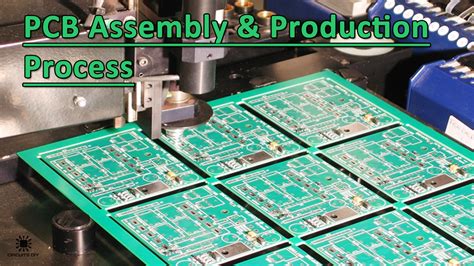
The Role of Automation in PCB Production
As the demand for more complex electronic devices increases, automation has emerged as a critical driver in enhancing the efficiency and precision of pcb assembly processes. Automation in pcba involves the integration of advanced technologies such as robotics, machine vision, and artificial intelligence to improve the entire assembly line workflow. By utilizing automated systems, manufacturers can streamline repetitive tasks like component placement, soldering, and inspection, significantly reducing human error while increasing speed. The implementation of these technologies not only leads to a marked increase in output but also allows for real-time quality control. This capability ensures that each pcb assembly meets stringent quality standards before moving down the production line. Furthermore, automated systems are designed to be scalable; they can adapt to varying production volumes without sacrificing performance or quality. This scalability is particularly advantageous in today’s market, where demand can fluctuate rapidly. Ultimately, the incorporation of automation into pcb assembly processes not only enhances operational capacity but also positions manufacturers to effectively respond to the evolving complexities of electronic product development.
Scalability Solutions for Printed Circuit Board Assembly
Achieving scalability in the pcb assembly process is essential for meeting the increasing demands of today’s electronics market. Manufacturers are adopting advanced methods such as multiprocess integration and modular assembly lines to enhance the pcba workflow. By utilizing flexible automation systems, production lines can be adjusted to accommodate varying batch sizes without a significant loss of efficiency or quality. This is particularly important as consumer electronics continue to evolve, with shorter product life cycles and diversified models requiring rapid adaptation in manufacturing processes. Furthermore, implementing real-time data analysis allows manufacturers to optimize their operations in real-time, enabling them to respond more swiftly to market changes and production challenges. Overall, these scalable solutions not only streamline the pcb assembly process but also contribute significantly to reducing costs while maintaining high standards of accuracy and quality across large-volume productions.
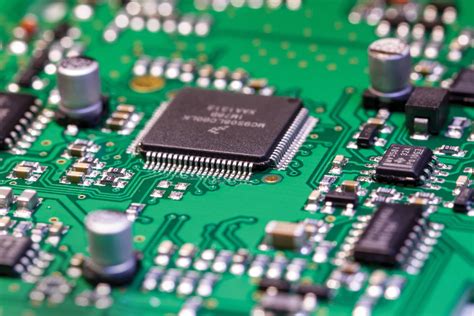
Future Trends in PCB Assembly Techniques
As the technology landscape evolves, the future of pcb assembly techniques is poised for significant transformation driven by several key trends. One notable direction is the increasing integration of microelectronics and flexible electronics, opening up new avenues for pcba applications that demand innovative assembly methods. Additionally, advancements in automation are set to redefine productivity benchmarks within assembly lines, where automated processes not only streamline operations but also minimize human error, thereby enhancing overall accuracy. The emergence of smart factories, equipped with IoT and advanced data analytics, allows manufacturers to monitor production in real-time, optimizing workflows and ensuring scalability to meet varying demands. Moreover, sustainable practices are becoming a priority, with an emphasis on reducing waste throughout the pcb assembly process. Techniques such as surface mount technology (SMT) and selective soldering are being refined to improve efficiency while supporting environmental goals. As these trends continue to develop, the landscape for PCBA is likely to become increasingly dynamic, setting new standards for quality and performance in electronic manufacturing.
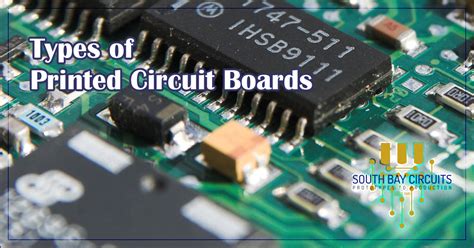
Case Studies of Successful PCB Assembly Innovations
In the realm of pcb assembly, numerous case studies showcase the transformative impact of innovative techniques on manufacturing processes. One notable example is a leading electronics manufacturer that implemented advanced pcba automation technology. This integration resulted in a remarkable increase in production speed by 30%, while simultaneously reducing errors by 25%. The adoption of smart vision systems allowed for real-time quality control, ensuring that each board met stringent standards without the need for extensive manual inspection. Another compelling case involved a company specializing in high-density interconnect technology; by leveraging flexible pcb assembly solutions, they managed to scale production to meet rising demand without compromising quality. Through these examples, it is evident that breakthroughs in pcb assembly methodologies not only enhance operational efficiency but also improve overall product reliability and customer satisfaction. Such innovations signal a promising evolution in the field of printed circuit board assembly, paving the way for more agile and responsive manufacturing frameworks.
Conclusion
In summary, the landscape of PCB assembly has seen remarkable advancements that significantly improve the production process. The integration of cutting-edge technologies such as automation, machine learning, and real-time monitoring stands out as a pivotal shift ensuring both efficiency and accuracy in the PCBA process. This innovative approach not only reduces production time but also minimizes errors, fostering greater reliability in circuit boards. As manufacturers continue to adopt these advanced techniques, they enhance their ability to scale production to meet burgeoning demand while maintaining quality. Furthermore, the lessons learned from recent case studies provide invaluable insights into best practices for maximizing operational efficiency. Ultimately, these advancements signify a promising future for printed circuit board assembly, driving innovation and supporting the ever-evolving electronics industry.
FAQs
What is PCB assembly?
PCB assembly, often referred to as PCBA, is the process of soldering electronic components onto a printed circuit board to create a functional electronic device.
Why are advancements in PCB assembly techniques important?
Advancements in PCB assembly techniques enhance production efficiency, ensure greater accuracy in component placement, and support scalable solutions that cater to high-volume manufacturing demands.
How do automation technologies impact PCB assembly?
Automation technologies streamline the PCB assembly process by reducing manual labor, minimizing errors, and allowing for faster production cycles. This leads to an increase in overall manufacturing efficiency and consistency.
What are some key innovations in PCB assembly methods?
Some innovative methods include advanced pick-and-place systems, improved soldering techniques, and the integration of machine learning for quality control, all contributing to higher-quality PCBA outcomes.
How can companies improve efficiency in their PCB manufacturing processes?
Companies can adopt new techniques such as lean manufacturing principles, investing in automation equipment, and optimizing their supply chain management for quicker turnaround times.
For more information on how to elevate your PCB assembly processes with cutting-edge solutions, please click here: Andwin PCB Assembly.