Advancements in Prototype Printed Circuit Board Assembly Techniques
Key Takeaways
In recent years, advancements in prototype printed circuit board assembly (pcb assembly) techniques have significantly transformed the landscape of electronic manufacturing. Understanding the importance of these advancements is crucial for businesses looking to thrive in a competitive environment. The pcba process has seen an influx of innovative techniques that not only streamline production timelines but also enhance the overall quality of the final product.
One notable advancement is the integration of automated assembly processes that reduce human error and speed up production rates. Additionally, adopting advanced materials and equipment has improved thermal management and electrical performance, creating robust prototypes that meet rigorous specifications.
Here’s a glimpse of some effective techniques used in modern pcb assembly:
| Technique | Description |
|---|---|
| Automated Optical Inspection | Uses cameras to detect defects during assembly. |
| Robotic Placement Systems | Enhances placement accuracy for complex components. |
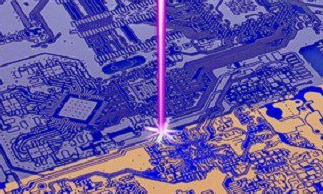
| Laser Soldering | Promotes a cleaner joint with reduced thermal stress. |
| Advanced SMT Processes | Allows for placing components on both sides effectively. |
“Embracing new technologies not only enhances production capabilities but also fosters innovation and responsiveness to market demands.”
To further ensure accuracy during the prototyping phase, engineers incorporate simulation software that predicts potential issues before physical production begins. This proactive approach not only saves time but also mitigates costly errors, exemplifying how technology is reshaping prototype pcba processes.
As these trends continue to evolve, it is essential for companies in the electronics sector to stay updated on best practices and emerging technologies, ensuring they remain at the forefront of innovation in pcb assembly methodologies.

Introduction to Prototype Printed Circuit Board Assembly
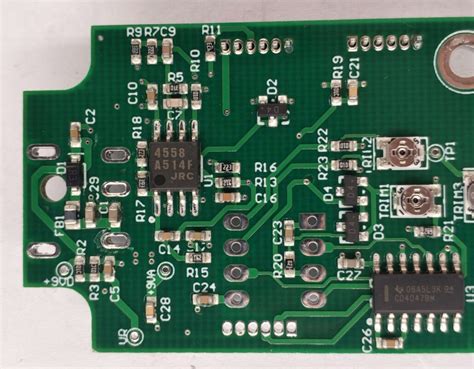
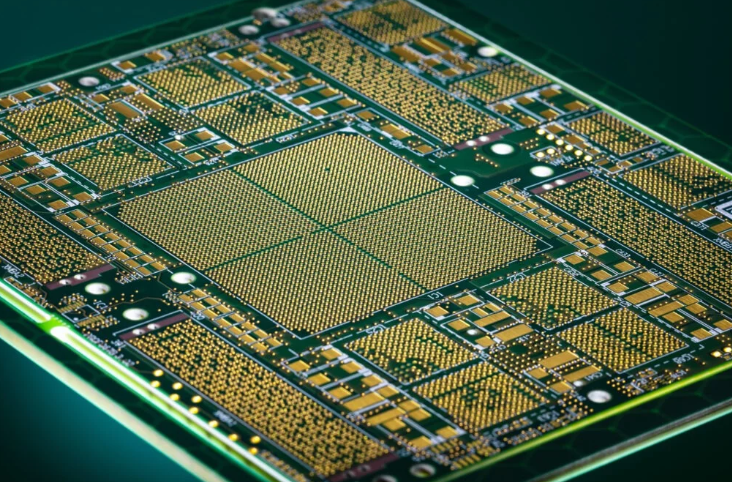
The field of prototype printed circuit board assembly (PCBA) is witnessing a transformative wave of advancements that significantly enhance both the efficiency and reliability of the prototyping process. PCB assembly is a critical step in electronic development, where intricate circuitry is combined with various components to form functional electronic boards. As technology progresses, manufacturers are increasingly adopting innovative tools and methodologies designed to streamline this process. For instance, automation through robotic arms and conveyor systems is accelerating assembly speeds while ensuring precision in placing components. Additionally, real-time monitoring technologies are now being leveraged to identify potential defects early in the pcba process, thereby minimizing waste and reducing production costs. These advancements not only contribute to faster turnaround times but also bolster the overall accuracy of prototypes, leading to quicker iterations and enhanced product reliability. The integration of these modern techniques marks a significant evolution in how prototypes are developed and assembled, ultimately setting the stage for higher-quality electronics that meet ever-growing consumer demands.
Importance of Efficiency in PCB Prototyping
In the rapidly evolving field of electronics, efficiency in printed circuit board assembly (PCBA) is paramount. The prototyping phase, which serves as the preliminary step in product development, demands that manufacturers optimize their processes to reduce time-to-market and foster innovation. By streamlining PCB assembly, companies can ensure that they meet customer demands without compromising quality. Enhanced efficiency not only leads to lower production costs but also facilitates quicker iterations based on testing feedback. This is crucial in a competitive landscape where even minor delays can significantly impact a project’s success. Furthermore, advancements in automation and smart technologies have empowered engineers and manufacturers to create more intricate designs with greater precision during the PCBA phase. As manufacturers strive for excellence, maintaining an efficient workflow becomes increasingly essential to keep pace with technological growth and customer expectations within the industry. The focus on optimizing performance in pcb assembly processes ultimately contributes to more reliable products that align better with user needs and market trends.

Innovative Techniques in PCB Assembly
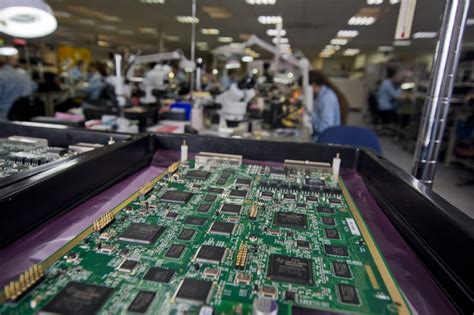
The pcb assembly process has evolved significantly, driven by the need for improved efficiency and adaptability in various industries. Among the innovative techniques currently reshaping pcba practices are surface mount technology (SMT) and advanced soldering methods, which enhance both the speed and precision of assembly operations. SMT allows for components to be placed directly onto the surface of the printed circuit board, reducing space and enabling high-density configurations. This technique is coupled with automated assembly systems that utilize robotics to achieve rapid placement with minimal human intervention, thereby increasing throughput. Furthermore, the integration of pick-and-place machines has streamlined component handling, cutting down on manual errors that can compromise product quality. Another significant advancement is in reflow soldering, where cutting-edge profiles help ensure a strong bond between components and board while minimizing thermal stress. The amalgamation of these technologies not only enhances accuracy but also provides manufacturers with a robust framework to adapt production lines to varying design specifications swiftly. Ultimately, these innovative techniques are setting a new standard in pcb assembly, catering effectively to the demands of an ever-evolving technological landscape.

Technologies Influencing PCB Assembly Speed
Advancements in pcb assembly have introduced an array of technologies that significantly enhance the speed and efficiency of the PCBA process. Automation plays a crucial role, as machines are increasingly designed to manage repetitive tasks that were previously performed manually. This transition not only minimizes human error but also accelerates the production cycle by allowing components to be placed on the printed circuit board with remarkable precision and swiftness. Additionally, the integration of pick-and-place machines reflects a pivotal change in how components are assembled, eliminating bottlenecks that often occur during manual assembly. Furthermore, techniques such as advanced soldering methods help streamline connections between components, reducing curing times significantly. Additive manufacturing is also gaining traction in pcb assembly, as it allows for rapid prototyping and the quick transition from design to production. By fostering an environment where speed and accuracy coexist, these technologies are setting new benchmarks in efficiency for prototype printed circuit board assembly. Overall, the synthesis of these innovative methods ensures that organizations can respond swiftly to market demands while maintaining high-quality standards in their PCBA processes.

Enhancing Accuracy in Prototype PCB Design
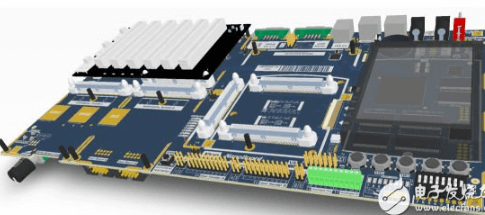
The process of pcb assembly is crucial in ensuring that prototype printed circuit boards (PCBs) meet the required specifications and performance standards. Achieving high levels of accuracy in pcba begins with meticulous design practices that incorporate advanced tools and software for simulation and modeling. These innovations allow engineers to visualize the board layout, test electrical performance, and make necessary adjustments before actual production. Furthermore, the integration of automated inspection systems plays a vital role in enhancing accuracy during the assembly stage. By employing techniques such as Automated Optical Inspection (AOI) or X-ray inspection, manufacturers can quickly identify defects or misalignments that could compromise the overall integrity of the pcb assembly.
In addition to these technologies, adhering to stringent quality control measures throughout the production cycle fosters a culture of precision. Ensuring that component placements are accurate and solder joints are reliable is essential for creating a robust prototype. Furthermore, collaborating closely with component suppliers can lead to better sourcing decisions, ultimately impacting the accuracy and performance of the final pcba product. As these techniques continue to evolve, they hold promise for further elevating standards in prototype PCB design, resulting in more reliable electronic devices and systems.

Case Studies: Successful Implementations of Advanced Techniques
In the realm of pcb assembly, many organizations have embraced advanced techniques that not only streamline their processes but also significantly improve the quality of their products. One notable case is a technology company that implemented automated soldering methods within their pcba workflow. This shift enabled them to reduce assembly time by over 30%, allowing for quicker turnaround on prototypes. Another example can be seen in a startup focused on wearable technology, which utilized modular design principles in their pcb assembly process. By adopting this innovative approach, they facilitated easier adjustments and debugging, thus enhancing efficiency and minimizing errors during production runs. Additionally, a leading automotive manufacturer successfully integrated artificial intelligence into their prototyping phase, optimizing the design iterations of their printed circuit boards (PCBs). As a result, they reported a 25% increase in accuracy in their final designs and significantly shortened the development timeline for new vehicle models. These case studies exemplify how adopting advanced techniques in pcb assembly not only accelerates production but also enhances the precision and functionality of electronic products, thereby setting new benchmarks in the industry.
Future Trends in PCB Prototyping and Assembly
As the electronics industry continues to evolve, pcb assembly techniques are also advancing rapidly to meet the growing demands for efficiency and precision. One of the notable trends is the incorporation of automation in both the design and manufacturing processes. Automated systems not only streamline pcba fabrication but also reduce human error, resulting in higher accuracy during the prototyping phase. Additionally, advancements in materials science are paving the way for lighter, more durable substrates that can withstand intense operational environments while delivering superior performance. Furthermore, tools like artificial intelligence and machine learning are being integrated into PCB design software, allowing for predictive analytics that optimize layouts and detect potential issues before production. Such innovations drive down costs while simultaneously increasing production speeds, making it easier for companies to bring their products to market faster than ever before. The future of pcb assembly is thus poised to be characterized by intelligent automation, advanced materials, and enhanced design capabilities that will undoubtedly reshape how electronics are developed and manufactured.
Conclusion: The Impact of Advancements on the Industry
The continuous evolution of prototype printed circuit board assembly techniques has significantly transformed the landscape of the electronics industry. As the demand for quicker turnaround times and improved accuracy in product development increases, pcb assembly innovations become paramount. Advanced methods, such as automated pick-and-place systems and real-time monitoring, have elevated the speed and efficiency of pcba processes. Moreover, the incorporation of AI-driven technologies not only enhances precision in designs but also allows for predictive maintenance, ultimately reducing downtime and costs. The successful implementations highlighted in this article underscore how these advancements lead to substantial improvements in both production workflows and product reliability. As we look to the future, these innovations are likely to set new standards that will further influence how pcb assembly is approached, paving the way for even more revolutionary developments in prototype design and manufacturing practices. The impact of these advancements on the industry is profound, positioning companies that adopt these techniques at a significant advantage in a competitive market.
Conclusion: The Impact of Advancements on the Industry
In recent years, the field of pcb assembly has witnessed remarkable progress, largely driven by innovative techniques and technologies that have transformed the pcba prototyping landscape. These advancements have been instrumental in enhancing not just efficiency but also overall productivity in the pcb assembly process. By incorporating automation and sophisticated software tools, manufacturers can now reduce turnaround times significantly while maintaining high standards of accuracy and reliability. Furthermore, as new materials and manufacturing methods emerge, they allow for more complex designs that were previously unattainable, thus expanding the possibilities for engineers and designers alike. The continuous evolution in technologies such as machine learning and AI also promises to streamline operations further by predicting potential issues before they arise. Ultimately, these advancements are not only shaping the future of pcb assembly, but they are also setting new benchmarks for quality and speed in industries reliant on pcba, paving the way for an exciting future in electronic manufacturing.
FAQs
What is PCB assembly and why is it important?
PCB assembly (PCBA) refers to the process of assembling electronic components onto a printed circuit board. It is crucial because it transforms designs into functional electronic devices, ensuring that the assemblies are created efficiently and with high accuracy.
What are the common challenges in prototype PCB assembly?
Some common challenges include achieving precise placements of components, minimizing defects during soldering, and ensuring rapid turnaround times. To overcome these, the pcba process often utilizes advanced technologies and methodologies.
How have advancements in technology improved PCB assembly?
Advancements such as automated pick-and-place machines, advanced software for circuit design, and new soldering techniques have significantly improved the speed and accuracy of pcb assembly, making the prototyping phase more efficient.
What innovative techniques are currently used in prototype PCB assembly?
Innovative techniques include 3D printing for custom fixtures, selective soldering methods for enhanced precision, and surface mount technology (SMT) that allows for more compact component placement on PCBs.
How does efficiency influence the PCB prototyping process?
Efficiency directly reduces production time and costs while enhancing product integrity. With more efficient pcba, companies can bring their products to market faster without compromising quality.
For more detailed information on how to enhance your PCB assembly processes, please click here: PCB Assembly Solutions.