Akm flex pcb
Designing Efficient AKM Flex PCBs for Modern Electronics
In the rapidly evolving landscape of modern electronics, the demand for compact, efficient, and reliable components has never been greater. Among the various innovations that have emerged to meet these demands, AKM flex PCBs (Printed Circuit Boards) stand out as a pivotal development.
These flexible circuit boards offer a unique combination of adaptability and performance, making them an ideal choice for a wide range of applications, from consumer electronics to industrial machinery. Understanding the intricacies of designing efficient AKM flex PCBs is crucial for engineers and designers aiming to leverage their full potential.
To begin with, the fundamental advantage of AKM flex PCBs lies in their flexibility.
Unlike traditional rigid PCBs, flex PCBs can be bent, folded, and twisted to fit into unconventional spaces. This flexibility is particularly beneficial in devices where space is at a premium, such as smartphones, wearable technology, and medical devices. The ability to conform to complex shapes allows designers to create more compact and lightweight products without compromising on functionality. However, this flexibility also introduces unique challenges in the design process, necessitating careful consideration of material selection and layout design.
Material selection is a critical aspect of designing AKM flex PCBs.
The choice of substrate material can significantly impact the board’s performance, durability, and cost. Polyimide is a popular choice due to its excellent thermal stability, chemical resistance, and mechanical properties. It provides a reliable foundation for the copper traces that form the circuit paths. Additionally, the adhesive used to bond the layers of the flex PCB must be chosen with care to ensure it can withstand the mechanical stresses and environmental conditions the board will encounter. By selecting the appropriate materials, designers can enhance the longevity and reliability of the flex PCB.
Transitioning to the layout design, it is essential to optimize the arrangement of components and traces to minimize signal interference and power loss.
The inherent flexibility of AKM flex PCBs allows for innovative routing solutions, but it also requires meticulous planning to avoid issues such as signal crosstalk and impedance mismatches. Employing advanced design software can aid in simulating various configurations and identifying potential problem areas before the physical prototype stage. Furthermore, incorporating design rules specific to flex PCBs, such as maintaining adequate bend radii and avoiding sharp corners, can prevent mechanical failures and ensure optimal performance.
Moreover, the integration of AKM flex PCBs into modern electronics necessitates a holistic approach to the entire product design.
Collaboration between electrical engineers, mechanical engineers, and industrial designers is vital to ensure that the flex PCB not only meets electrical specifications but also aligns with the overall product design and user experience. This interdisciplinary approach can lead to innovative solutions that maximize the benefits of flex PCBs while minimizing potential drawbacks.
In conclusion, designing efficient AKM flex PCBs for modern electronics requires a comprehensive understanding of both the opportunities and challenges they present. By carefully selecting materials, optimizing layout designs, and fostering collaboration across disciplines, designers can create cutting-edge products that meet the demands of today’s technology-driven world. As the electronics industry continues to push the boundaries of what is possible, AKM flex PCBs will undoubtedly play a crucial role in shaping the future of electronic design.
Advantages of Using AKM Flex PCBs in Wearable Technology
In the rapidly evolving landscape of wearable technology, the demand for more efficient, compact, and reliable components has never been greater. One of the key innovations meeting this demand is the AKM flex printed circuit board (PCB). These flexible PCBs offer a multitude of advantages that make them particularly well-suited for integration into wearable devices. As we delve into the benefits of AKM flex PCBs, it becomes evident why they are becoming a cornerstone in the design and functionality of modern wearables.
To begin with, the inherent flexibility of AKM flex PCBs is a significant advantage.
Unlike traditional rigid PCBs, these flexible circuits can bend and conform to various shapes and surfaces. This adaptability is crucial in wearable technology, where devices must often fit seamlessly against the human body. Whether incorporated into smartwatches, fitness trackers, or health monitoring devices, the ability of AKM flex PCBs to conform to non-linear surfaces enhances both the comfort and usability of wearables. This flexibility not only improves the aesthetic appeal of the devices but also ensures that they can withstand the dynamic movements associated with daily wear.
Moreover, AKM flex PCBs contribute to the miniaturization of wearable devices.
As consumers demand more features in smaller packages, the compact nature of these PCBs becomes a vital asset. By allowing for the integration of multiple electronic components into a single, flexible substrate, AKM flex PCBs enable designers to create smaller, lighter, and more efficient devices. This miniaturization does not come at the expense of performance; rather, it enhances the functionality of wearables by allowing for more sophisticated features to be packed into a limited space.
In addition to their flexibility and compactness, AKM flex PCBs offer superior durability.
Wearable devices are subject to constant movement and environmental exposure, necessitating components that can endure such conditions. The robust construction of AKM flex PCBs ensures that they can withstand repeated bending and flexing without compromising their structural integrity or performance. This durability translates into longer-lasting devices, reducing the need for frequent repairs or replacements and thereby enhancing the overall user experience.
Furthermore, the use of AKM flex PCBs in wearable technology supports improved electrical performance.
The design of these PCBs allows for shorter signal paths, which reduces the potential for signal loss and interference. This results in more reliable and efficient operation of the device, which is particularly important in applications where precision and accuracy are critical, such as in health monitoring wearables. The enhanced electrical performance of AKM flex PCBs ensures that data is transmitted accurately and efficiently, contributing to the overall effectiveness of the wearable technology.
In conclusion, the advantages of using AKM flex PCBs in wearable technology are manifold. Their flexibility, compactness, durability, and superior electrical performance make them an ideal choice for the next generation of wearable devices. As the demand for more advanced and user-friendly wearables continues to grow, the role of AKM flex PCBs in meeting these demands will undoubtedly become even more pronounced. By enabling the creation of innovative, reliable, and efficient wearable technology, AKM flex PCBs are poised to play a pivotal role in shaping the future of this dynamic industry.
Innovative Applications of AKM Flex PCBs in Medical Devices
The advent of AKM flex PCBs has revolutionized the landscape of medical devices, offering unprecedented flexibility and reliability. These flexible printed circuit boards are designed to bend and conform to various shapes, making them ideal for the compact and intricate designs required in modern medical technology. As the demand for more portable and efficient medical devices grows, AKM flex PCBs have emerged as a pivotal component, enabling innovations that were previously unattainable with traditional rigid PCBs.
One of the most significant applications of AKM flex PCBs in medical devices is in wearable health monitors.
These devices, which include heart rate monitors, glucose monitors, and fitness trackers, require a high degree of flexibility to comfortably fit the contours of the human body. AKM flex PCBs provide the necessary adaptability, allowing these devices to maintain consistent contact with the skin, thereby ensuring accurate data collection. Moreover, the lightweight nature of these PCBs contributes to the overall comfort and wearability of the devices, which is crucial for patient compliance and long-term use.
In addition to wearables, AKM flex PCBs are also instrumental in the development of implantable medical devices.
These devices, such as pacemakers and neurostimulators, demand a high level of reliability and durability, as they are intended to function within the human body for extended periods. The inherent flexibility of AKM flex PCBs allows them to withstand the dynamic environment of the human body, accommodating movements and reducing the risk of mechanical failure. Furthermore, their ability to integrate multiple functions into a single, compact unit enhances the performance and efficiency of implantable devices, ultimately improving patient outcomes.
Transitioning from implantable devices, AKM flex PCBs also play a crucial role in diagnostic equipment.
Devices such as ultrasound machines and MRI scanners require intricate circuitry to process complex data accurately. The flexibility of AKM flex PCBs allows for more compact and efficient designs, which can lead to the development of portable diagnostic tools. This portability is particularly beneficial in remote or underserved areas, where access to large, stationary diagnostic equipment may be limited. By enabling the creation of smaller, more accessible diagnostic devices, AKM flex PCBs contribute to the democratization of healthcare, ensuring that more individuals have access to essential medical services.
Moreover, the integration of AKM flex PCBs in medical devices is not limited to their physical flexibility.
These PCBs also offer enhanced electrical performance, which is critical for the precise operation of medical equipment. The ability to incorporate multiple layers and components into a single flexible board reduces the need for additional connectors and wiring, minimizing potential points of failure and improving overall device reliability. This integration also facilitates faster signal transmission and processing, which is vital for real-time monitoring and diagnostics.
In conclusion, the innovative applications of AKM flex PCBs in medical devices underscore their transformative impact on the healthcare industry. By providing the flexibility, reliability, and performance necessary for modern medical technology, these PCBs are paving the way for more advanced, efficient, and accessible healthcare solutions. As technology continues to evolve, the role of AKM flex PCBs in medical devices is likely to expand, driving further innovations and improving patient care worldwide.
Challenges and Solutions in Manufacturing AKM Flex PCBs
The manufacturing of AKM flex PCBs, or flexible printed circuit boards, presents a unique set of challenges that require innovative solutions to ensure efficiency and reliability. As the demand for more compact and versatile electronic devices grows, the need for flexible PCBs has become increasingly prominent. These circuits offer the advantage of being able to bend and conform to various shapes, making them ideal for applications in modern electronics, from smartphones to medical devices. However, the production of AKM flex PCBs is not without its difficulties.
One of the primary challenges in manufacturing AKM flex PCBs is maintaining the integrity of the materials used.
Flexible PCBs are typically made from polyimide or polyester films, which provide the necessary flexibility but can be prone to damage during the manufacturing process. Ensuring that these materials remain intact and functional requires precise control over the manufacturing environment, including temperature and humidity levels. Moreover, the thinness of these materials can lead to issues with handling and alignment during production, necessitating advanced equipment and techniques to mitigate these risks.
In addition to material integrity, another significant challenge is the complexity of the circuit designs themselves.
As electronic devices become more sophisticated, the circuits that power them must also become more intricate. This complexity can lead to difficulties in ensuring that all components are correctly placed and connected, especially given the limited space available on a flexible PCB. To address this, manufacturers often employ advanced computer-aided design (CAD) software to meticulously plan and simulate the layout of the circuits before production begins. This not only helps in identifying potential issues early in the process but also aids in optimizing the design for both performance and manufacturability.
Furthermore, the soldering process in AKM flex PCB manufacturing poses its own set of challenges.
The heat required for soldering can potentially damage the flexible substrate, leading to failures in the final product. To overcome this, manufacturers have developed specialized soldering techniques, such as using low-temperature solder pastes and employing precision-controlled reflow ovens. These methods help to minimize thermal stress on the materials, ensuring that the solder joints are robust without compromising the flexibility of the PCB.
Quality control is another critical aspect of manufacturing AKM flex PCBs.
Given the potential for defects due to the delicate nature of the materials and the complexity of the designs, rigorous testing is essential to ensure that each PCB meets the required standards. This often involves a combination of automated optical inspection (AOI) and electrical testing to detect any faults or inconsistencies. By implementing comprehensive quality control measures, manufacturers can significantly reduce the likelihood of defects, thereby enhancing the reliability of the final product.
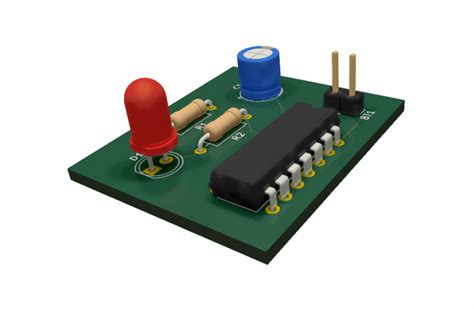
In conclusion, while the manufacturing of AKM flex PCBs presents several challenges, advancements in technology and processes have provided effective solutions. By focusing on material integrity, design complexity, soldering techniques, and quality control, manufacturers can produce flexible PCBs that meet the demands of modern electronic applications. As the industry continues to evolve, ongoing research and development will undoubtedly lead to further innovations, ensuring that AKM flex PCBs remain a vital component in the ever-expanding world of electronics.