Aluminium pcb thermal resistance
Aluminum PCBs have good thermal conductivity and low thermal resistance compared to traditional FR4 PCBs.
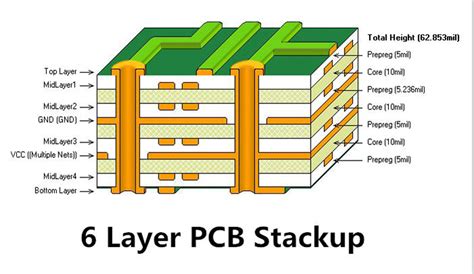
The thermal resistance of an aluminum PCB depends on the thickness of the aluminum layer,
the thickness of the dielectric layer, and the copper thickness.
Generally, the thicker the aluminum layer, the lower the thermal resistance.
The thermal resistance of an aluminum PCB can be calculated using the following formula:
Rθ = Td / (kA) + θc
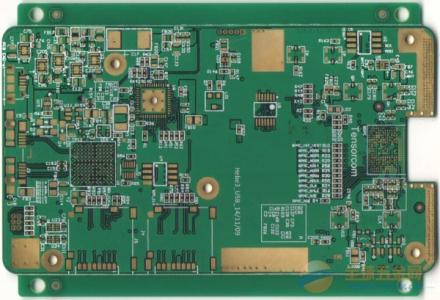
Where:
– Rθ is the thermal resistance in °C/W
– Td is the thickness of the dielectric layer in meters
– k is the thermal conductivity of the dielectric layer in W/mK
– A is the area of the aluminum layer in square meters
– θc is the thermal resistance of the copper layer in °C/W
In general, aluminum PCBs have a thermal resistance of around 1-2 °C/W, which is much lower than traditional FR4 PCBs.
This makes them ideal for applications that require high thermal performance, such as LED lighting, power electronics, and automotive electronics.
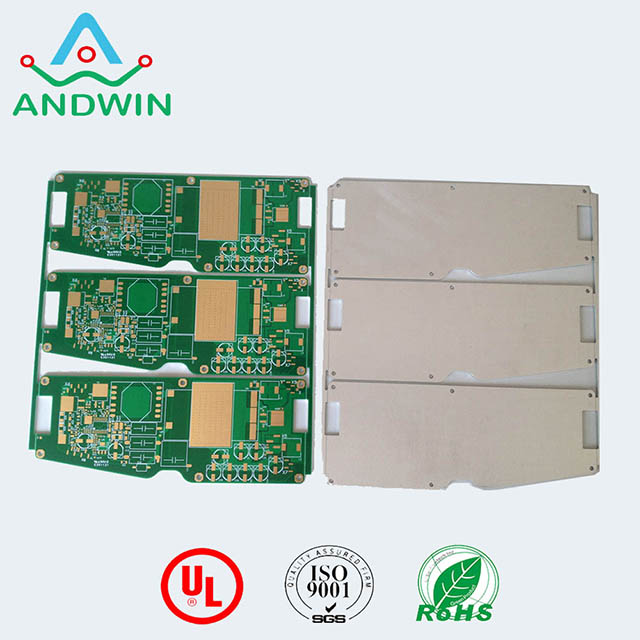
where is the aluminium pcb thermal resistance used ?
Aluminium PCB thermal resistance is used in various applications where heat dissipation is crucial,
such as LED lighting, power supplies, automotive electronics, and computer hardware.
The thermal resistance of the aluminium PCB helps to dissipate heat generated by the components on the board,
preventing overheating and damage to the electronics.
This makes aluminium PCBs an ideal choice for high-power and high-temperature applications.