Analysis of Difficulties in PCB Selective Soldering Process
In the PCB electronic industry soldering process, more and more manufacturers are beginning to turn their attention to selective soldering. Selective soldering can complete all solder joints at the same time, minimizing production costs, while overcoming the problem of reflow soldering affecting temperature-sensitive components. Selective soldering can also be compatible with future lead-free soldering. These advantages make the application scope of selective soldering wider and wider.
Process Characteristics of Selective Soldering
The process characteristics of selective soldering can be understood by comparing with wave soldering. The most obvious difference between the two is that the lower part of the PCB in wave soldering is completely immersed in liquid solder, while in selective soldering, only some specific areas are in contact with the solder wave. Since the PCB itself is a poor heat conduction medium, it will not heat and melt the solder joints of adjacent components and PCB areas during soldering. Flux must also be pre-applied before soldering. Compared with wave soldering, flux is only applied to the lower part of the PCB to be soldered, not the entire PCB. In addition, selective soldering is only applicable to the soldering of plug-in components. Selective soldering is a new method, and a thorough understanding of the selective soldering process and equipment is necessary for successful soldering.
Selective soldering process
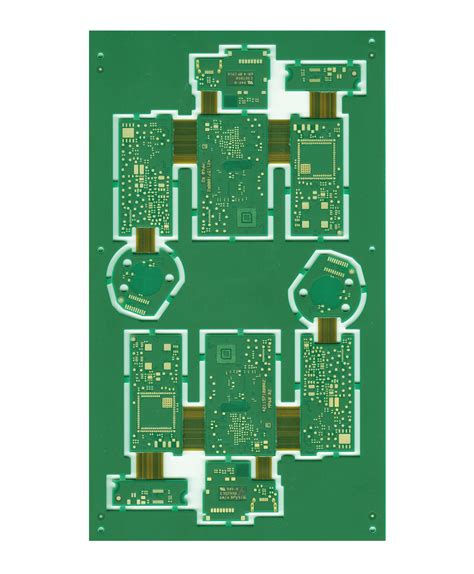
The typical selective soldering process includes: flux spraying, PCB preheating, dip soldering and drag soldering.
Flux coating process
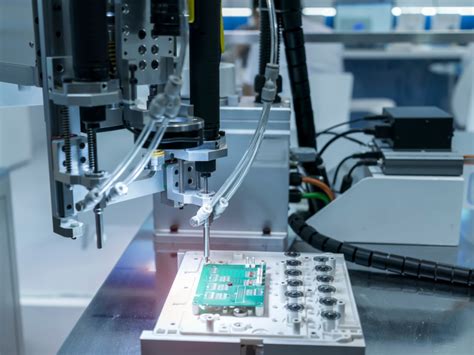
In selective soldering, the flux coating process plays an important role. When soldering is heated and soldering is finished, the flux should be active enough to prevent the formation of bridges and prevent the PCB from oxidation. The flux spraying is carried by the X/Y manipulator carrying the PCB over the flux nozzle, and the flux is sprayed to the PCB to be soldered. The flux has multiple modes such as single nozzle spray, micro-hole spray, and synchronous multi-point/graphic spray. The most important thing for microwave peak selective soldering after the reflow process is accurate flux spraying. The micro-hole spray type will never contaminate the area outside the solder joint. The minimum solder dot pattern diameter of micro-dot spraying is greater than 2mm, so the accuracy of the solder position deposited on the PCB is ±0.5mm to ensure that the solder always covers the soldered part. The tolerance of the amount of solder sprayed is provided by the supplier. The technical specification should specify the amount of solder used, and a 100% safety tolerance range is usually recommended.
Preheating process
The main purpose of preheating in the selective soldering process is not to reduce thermal stress, but to remove the solvent and pre-dry the solder flux so that the solder has the correct viscosity before entering the solder wave. During soldering, the effect of the heat brought by preheating on the soldering quality is not a key factor. The thickness of the PCB material, the device packaging specifications and the type of solder flux determine the setting of the preheating temperature. In selective soldering, there are different theoretical explanations for preheating: some process engineers believe that the PCB should be preheated before the solder flux is sprayed; another view is that no preheating is required and soldering can be performed directly. Users can arrange the process flow of selective soldering according to specific circumstances.
Welding process
There are two different processes for selective soldering: drag soldering and dip soldering.
The selective drag soldering process is completed on a single small soldering nozzle solder wave. The drag soldering process is suitable for soldering in very tight spaces on the PCB. For example: individual solder joints or pins, single-row pins can be drag soldered. The PCB moves on the solder wave of the solder nozzle at different speeds and angles to achieve the best soldering quality.
To ensure the stability of the soldering process, the inner diameter of the solder nozzle is less than 6mm.
After the flow direction of the solder solution is determined, the solder nozzle is installed and optimized in different directions for different soldering needs. The manipulator can approach the solder wave from different directions, that is, at different angles between 0° and 12°, so that users can solder various devices on electronic components. For most devices, the recommended tilt angle is 10°.
Compared with the dip soldering process, the movement of the solder solution and the PCB board in the drag soldering process makes the heat transfer efficiency during soldering better than the dip soldering process. However, the heat required to form the weld connection is transferred by the solder wave, but the solder wave of a single solder nozzle has a small mass.
Only when the temperature of the solder wave is relatively high can the requirements of the drag soldering process be met.
Example: The soldering temperature is 275℃~300℃, and the drag speed is usually acceptable at 10mm/s~25mm/s. Nitrogen is supplied in the welding area to prevent oxidation of the solder wave. The solder wave eliminates oxidation, so that the drag soldering process avoids the generation of bridging defects. This advantage increases the stability and reliability of the drag soldering process.
The machine has the characteristics of high precision and high flexibility.
The system with modular structure design can be customized according to the customer’s special production requirements and can be upgraded to meet the needs of future production development. The movement radius of the manipulator can cover the flux nozzle, preheating and solder nozzle, so the same equipment can complete different welding processes.
The machine’s unique synchronous process can greatly shorten the single board process cycle. The capabilities of the manipulator make this selective soldering have the characteristics of high precision and high quality welding. First, the manipulator’s highly stable and precise positioning capability (±0.05mm) ensures that the parameters of each board production are highly repetitive and consistent; second, the manipulator’s 5-dimensional movement enables the PCB to contact the tin surface at any optimized angle and orientation to obtain the best welding quality.
The tin wave height measuring needle installed on the manipulator clamping device is made of titanium alloy.
It can measure the tin wave height regularly under program control. The tin wave height is controlled by adjusting the tin pump speed to ensure process stability.
Despite the above advantages, the single-nozzle solder wave drag soldering process also has shortcomings: the welding time is the longest among the three processes of flux spraying, preheating and welding. And because the solder joints are dragged one by one, as the number of solder joints increases, the welding time will increase significantly, and the welding efficiency cannot be compared with the traditional wave soldering process. But the situation is changing. The multi-nozzle design can maximize the output. For example, the use of dual welding nozzles can double the output, and the flux can also be designed as a dual nozzle.