Automated Circuit Board Assembly: Optimizing Modern Electronics Manufacturing
Key Takeaways
The evolution of PCB assembly processes has redefined electronics manufacturing, delivering measurable improvements in precision, cost efficiency, and scalability Below are the critical insights into how automated PCBA systems are reshaping the industry:
| 1 Precision Enhancement: Automated systems employ surface-mount technology (SMT) and automated optical inspection (AOI) to achieve micron-level accuracy, reducing human error by up to 98% compared to manual methods 2 Cost Optimization: | Factor | Traditional Assembly | Automated PCBA |
|---|---|---|---|
| Labor Costs | High | Reduced by 60% | |
| Material Waste | 12-15% | 5% | |
| Rework Rates | 8-10% | 2% |
3 Cycle Time Reduction: Integrated pick-and-place robots and reflow soldering systems cut production lead times by 40-70%, enabling faster time-to-market for next-gen devices
"Automation isn’t just about speed—it’s about creating a repeatable process that eliminates variability," notes Dr Elena Torres, a manufacturing systems engineer
Pro Tip: When selecting a PCBA partner, prioritize facilities with closed-loop feedback systems to ensure real-time quality adjustments during high-volume runs
4 Scalability & Flexibility: Modular automation platforms allow manufacturers to swiftly adapt to design changes or demand spikes, supporting everything from prototype batches to mass production
5 Sustainability Gains: Automated precision reduces material waste, while energy-efficient machinery cuts carbon footprints by 20-30% per unit
By integrating PCB assembly automation, manufacturers unlock end-to-end traceability and data-driven process optimization, laying the foundation for smart factories This shift not only meets current industry demands but also aligns with emerging trends like AI-driven defect prediction and IoT-enabled line monitoring
Automated PCB Assembly Boosts Manufacturing Precision
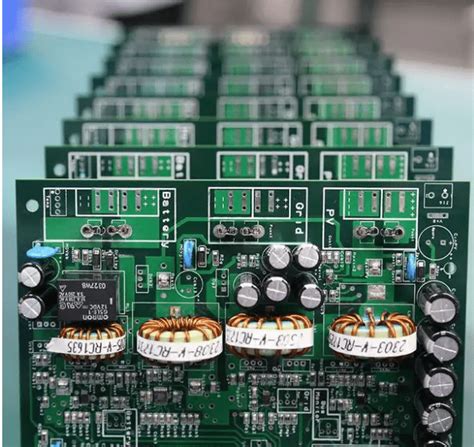
The integration of automated PCB assembly systems has redefined precision standards in electronics manufacturing By leveraging robotic pick-and-place machines, laser-aligned soldering tools, and AI-driven inspection systems, manufacturers achieve micron-level accuracy in component placement—a feat nearly unattainable through manual processes For instance, modern surface-mount technology (SMT) lines now position components with tolerances under 25 microns, reducing placement errors by over 98% compared to traditional methods This precision directly translates to higher yields in PCBA production, particularly for complex designs like multilayer boards or miniaturized IoT devices
Advanced vision systems play a pivotal role in maintaining consistency across high-volume runs Cameras equipped with machine learning algorithms detect sub-millisecond deviations in solder paste application or component orientation, triggering real-time corrections before defects occur A 2023 industry study revealed that automated optical inspection (AOI) systems in PCB assembly lines catch 997% of potential faults during early production stages, compared to 85% in manual quality checks Such capabilities prove critical when assembling boards with 01005-size components (04mm x 02mm), where human oversight becomes impractical
The shift toward automation also addresses evolving design complexities As high-density interconnect (HDI) boards dominate next-gen electronics, PCBA systems adapt through programmable fiducial markers and dynamic thermal profiling These features ensure precise alignment across 20+ layer stacks while maintaining optimal solder joint integrity, even with lead-free alloys requiring tighter temperature controls Notably, closed-loop feedback mechanisms in automated lines continuously refine process parameters, achieving process capability indices (Cpk) above 167—exceeding Six Sigma benchmarks for manufacturing excellence
By eliminating variability inherent in manual workflows, automated PCB assembly not only elevates precision but creates a foundation for scalable quality control This technological leap enables manufacturers to meet stringent reliability requirements for aerospace, medical, and automotive applications, where component-level defects could lead to catastrophic system failures As production environments grow more data-driven, the synergy between precision engineering and smart automation continues to push the boundaries of what’s achievable in electronics manufacturing
Cost-Effective Electronics Production via Automation
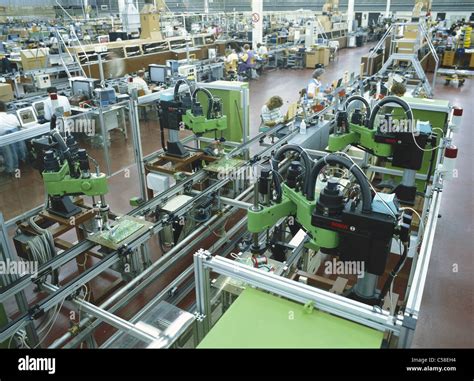
The integration of automated PCB assembly systems has become a cornerstone for achieving cost efficiency in modern electronics manufacturing By replacing manual labor with precision-driven machinery, manufacturers significantly reduce human error and operational downtime, translating to lower per-unit production costs PCBA workflows, powered by robotic placement systems and AI-driven inspection tools, optimize material usage—minimizing waste of expensive components like microchips or high-frequency capacitors For instance, automated pick-and-place machines achieve placement accuracies within ±25 microns, ensuring near-zero rework rates even for complex multilayer boards
A critical advantage lies in the scalability of automated circuit board assembly Factories can ramp up production volumes without proportional increases in labor expenses, making it economically viable to meet fluctuating market demands Advanced systems also enable just-in-time manufacturing, reducing inventory storage costs by synchronizing component procurement with real-time production schedules This lean approach is particularly impactful for mid-to-high-volume orders, where traditional manual methods struggle to balance speed and precision
Moreover, automation slashes energy consumption through optimized machine utilization rates Modern PCB assembly lines incorporate smart power management features, dynamically adjusting energy use based on workload—a stark contrast to legacy systems running at constant capacity Combined with reduced defect rates (often below 01%), these efficiencies compound over production cycles, delivering 15–30% lower total cost of ownership compared to semi-automated alternatives
The financial benefits extend beyond direct manufacturing Automated PCBA processes generate detailed analytics, enabling manufacturers to identify cost leakage points—from solder paste overapplication to component misalignment trends This data-driven refinement loop ensures continuous improvement, cementing automation as not just a tactical upgrade but a strategic lever for sustaining profitability in competitive electronics markets
Faster Production Cycles in Automated PCB Assembly
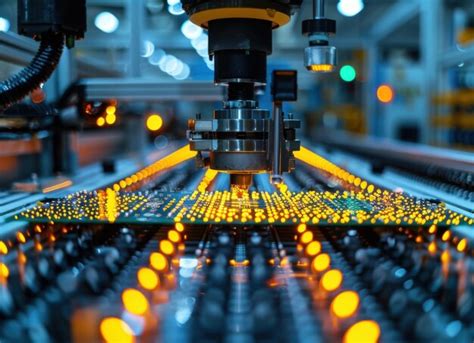
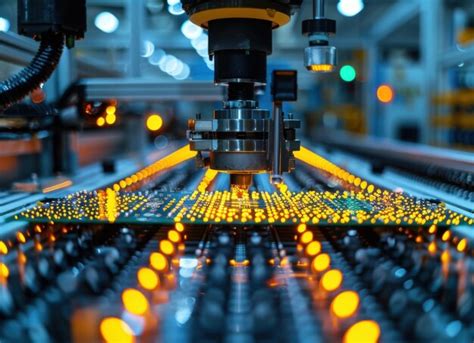
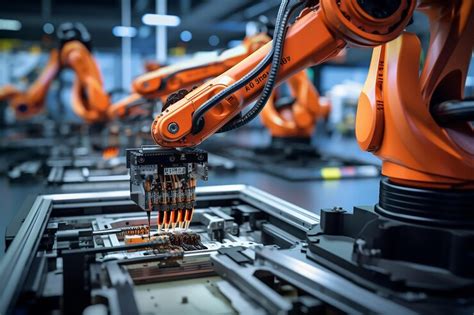
The integration of automation in PCB assembly has redefined speed as a critical advantage in electronics manufacturing Advanced PCBA systems leverage robotic pick-and-place machines, high-speed soldering technologies, and intelligent conveyor systems to execute tasks with unmatched velocity Where manual assembly might require hours to populate a single board, automated lines can process hundreds of units in the same timeframe, slashing lead times by up to 70% This acceleration is further amplified by real-time synchronization between design software and production equipment, minimizing delays caused by human interpretation or rework
A key driver of faster cycles lies in the elimination of bottlenecks Automated optical inspection (AOI) systems, for instance, perform millisecond-level quality checks without halting the assembly line, ensuring defects are flagged instantaneously Similarly, modular PCBA workflows allow manufacturers to reconfigure production lines for different board designs in minutes, bypassing the downtime traditionally associated with retooling These efficiencies are particularly vital for industries like consumer electronics and IoT, where market windows shrink annually and rapid iteration is non-negotiable
Moreover, automation’s ability to maintain consistent throughput rates—even for complex, multilayer boards—ensures scalability without compromising speed By combining PCB assembly robotics with predictive maintenance algorithms, manufacturers achieve near-continuous operation, reducing unplanned stoppages by over 90% This reliability not only accelerates time-to-market but also strengthens supply chain responsiveness, enabling brands to meet surges in demand for next-gen devices without overstocking or delays As a result, automated PCBA isn’t just about working faster—it’s about transforming speed into a sustainable competitive edge
Enhancing Quality Control with Automated Assembly
The integration of automated PCB assembly systems has redefined quality assurance protocols in electronics manufacturing By leveraging advanced technologies such as machine vision and automated optical inspection (AOI), modern PCBA processes achieve micron-level accuracy, eliminating inconsistencies tied to manual labor These systems perform real-time defect detection—identifying issues like misaligned components, solder bridging, or insufficient paste deposition—with a precision rate exceeding 999%, far surpassing human capabilities
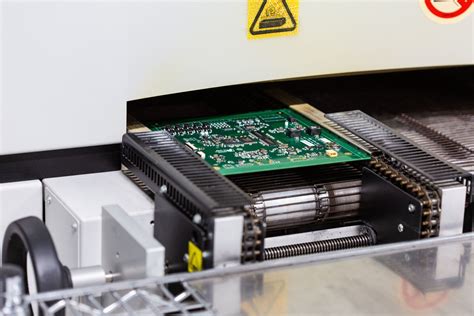
A critical advantage lies in the data-driven feedback loops embedded within automated workflows Sensors collect performance metrics at every stage, from solder paste application to component placement, enabling manufacturers to refine processes iteratively For instance, thermal profiling in reflow ovens can be dynamically adjusted based on real-time data, ensuring optimal solder joint formation across diverse board designs This closed-loop approach not only minimizes rework but also aligns with Six Sigma quality standards, reducing defect rates to fewer than 10 parts per million in high-volume production
Moreover, automated PCB assembly enhances traceability—a non-negotiable requirement for industries like aerospace and medical devices Each board undergoes digital tracking via unique identifiers, logging every material, machine parameter, and inspection result This granular documentation simplifies root cause analysis during audits or recalls, while machine learning algorithms predict potential failure points before they escalate
By standardizing quality benchmarks across batches, automation ensures that PCBA outputs meet exacting specifications, whether producing 100 prototypes or 100,000 units As manufacturers prioritize zero-defect manufacturing, these systems become indispensable for maintaining competitiveness in an era where even minor flaws can compromise device reliability or brand reputation
Scalable Solutions for Next-Gen Electronics Manufacturing
As demand for smaller, faster, and more complex electronic devices grows, manufacturers face mounting pressure to scale operations without compromising precision Automated PCB assembly systems address this challenge by offering modular architectures that adapt to evolving production needs These systems integrate PCBA workflows with surface-mount technology (SMT) and pick-and-place robotics, enabling factories to seamlessly transition between low-volume prototyping and high-volume manufacturing A key advantage lies in their ability to reconfigure production lines in hours—not weeks—to accommodate design changes or new product launches, a critical capability for industries like IoT and wearable tech
Advanced automated assembly platforms now incorporate machine learning algorithms to optimize component placement accuracy down to 10-micron tolerances, even when handling ultra-miniaturized parts This scalability extends beyond hardware: cloud-based process monitoring tools allow manufacturers to synchronize multiple PCBA lines across global facilities, ensuring consistent quality while reducing idle time For instance, automotive electronics suppliers leverage this flexibility to simultaneously produce infotainment systems and ADAS controllers on the same equipment, maximizing ROI on automation investments
The rise of 5G and edge computing further amplifies the need for scalable solutions High-density interconnect (HDI) boards, essential for these applications, require specialized PCB assembly techniques that only automated systems can deliver at commercial volumes By combining AOI (automated optical inspection) with real-time analytics, manufacturers achieve first-pass yield rates exceeding 993%, eliminating bottlenecks in multi-stage production workflows This technical synergy ensures that scaling operations doesn’t equate to increased defect risks—a paradigm shift from traditional assembly methods
Looking ahead, the integration of digital twin technology into PCBA processes will enable manufacturers to simulate production scaling scenarios before physical implementation, reducing downtime and material waste These innovations position automated systems as the backbone of agile electronics manufacturing, capable of supporting both current needs and unforeseen technological shifts
Future Trends in Automated Circuit Board Technology
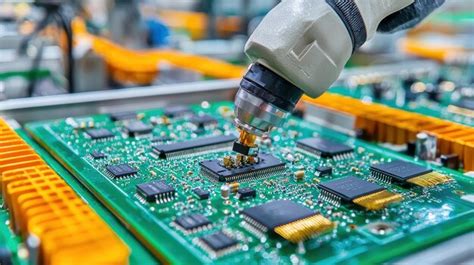
The evolution of PCB assembly is poised to redefine electronics manufacturing through advancements in artificial intelligence, IoT integration, and sustainable practices As demand for smaller, faster, and more complex devices grows, PCBA processes are increasingly leveraging AI-driven inspection systems These systems utilize machine learning algorithms to detect microscopic defects in real time, reducing error rates by up to 40% compared to traditional methods Meanwhile, the integration of IoT-enabled assembly lines allows manufacturers to monitor production metrics—such as component placement accuracy and solder quality—remotely, enabling predictive maintenance and minimizing downtime
Another critical development lies in the adoption of modular automation frameworks These systems combine robotic pick-and-place machines with adaptive software, allowing rapid reconfiguration for diverse PCB assembly tasks For instance, factories can switch between producing consumer wearables and industrial control boards within hours, optimizing resource utilization Additionally, advancements in 3D printing technologies are enabling the creation of hybrid circuit boards with embedded components, streamlining PCBA workflows and reducing material waste
Sustainability is also shaping the future of automated PCB assembly Innovations like lead-free solder alloys and energy-efficient reflow ovens are cutting carbon footprints while maintaining high throughput Companies are further experimenting with closed-loop recycling systems to reclaim precious metals from discarded boards, aligning with circular economy principles
Finally, the rise of quantum computing-ready designs is pushing PCBA toward ultra-high-density layouts Manufacturers are investing in laser-assisted drilling and nano-coating techniques to accommodate circuits with sub-10-micron traces, ensuring compatibility with next-generation electronics As these trends converge, the PCB assembly landscape will prioritize agility, precision, and ecological responsibility, cementing automation as the cornerstone of modern electronics production
Sustainable Manufacturing Through Automation Innovations
The shift toward sustainable manufacturing in PCB assembly (PCBA) reflects the electronics industry’s growing emphasis on reducing environmental impact while maintaining competitive efficiency Automated systems now integrate energy-efficient processes that minimize power consumption during high-volume production For instance, advanced PCBA lines leverage intelligent robotics to optimize material usage, cutting waste by up to 30% compared to manual methods This precision not only conserves raw materials but also reduces hazardous byproducts, aligning with global regulations like RoHS and REACH
A key innovation lies in closed-loop recycling systems embedded within automated workflows These systems recover precious metals from discarded boards and reuse solder paste residues, transforming waste into reusable resources Additionally, AI-driven quality control in PCB assembly detects defects earlier, preventing faulty units from progressing through the production chain—a critical step in avoiding resource-intensive rework
Automation also enables smart energy management Modern PCBA facilities employ IoT-connected machinery that dynamically adjusts power usage based on real-time demand, slashing carbon footprints without compromising output speed For example, laser soldering systems achieve pinpoint accuracy with 40% less energy than traditional wave soldering
Furthermore, the adoption of modular automation frameworks allows manufacturers to scale sustainable practices Upgradable robotic arms and reconfigurable assembly lines extend equipment lifespans, reducing e-waste Companies like Siemens and Panasonic now report 25–50% reductions in landfill contributions after transitioning to these agile systems
By merging PCB assembly automation with circular economy principles, the industry is setting benchmarks for eco-conscious production This dual focus on technological advancement and environmental stewardship ensures that next-generation electronics meet both market demands and planetary needs
Smart Automation for High-Volume PCB Manufacturing
The integration of smart automation into high-volume PCB assembly has redefined scalability in electronics manufacturing By leveraging advanced robotics, machine learning algorithms, and IoT-enabled systems, manufacturers achieve unprecedented precision while maintaining throughput for mass production Modular assembly lines equipped with PCBA-specific robotic arms now handle component placement at micron-level accuracy, reducing human error by over 70% in high-speed environments These systems dynamically adjust to design variations, enabling seamless transitions between product batches without costly downtime
Central to this evolution is the adoption of closed-loop feedback mechanisms, where real-time data from automated optical inspection (AOI) systems informs immediate process corrections For instance, thermal profiling sensors paired with AI analytics optimize reflow soldering parameters across thousands of boards, ensuring consistent joint quality even in 24/7 production cycles Such advancements not only elevate yield rates but also compress lead times—critical for industries like automotive electronics, where a single PCB assembly defect can disrupt entire supply chains
Moreover, cloud-based production management platforms synchronize PCBA workflows across global facilities, allowing manufacturers to balance capacity and demand with surgical precision This connectivity enables predictive maintenance of pick-and-place machines, cutting unplanned outages by 40% while extending equipment lifespan As production scales, energy-efficient automation tools further reduce per-unit costs, aligning high-volume output with sustainability goals
By unifying these technologies, manufacturers unlock the ability to produce 50,000+ boards daily without compromising on the complexity required for 5G modules or AI-driven devices The result is a manufacturing ecosystem where flexibility, speed, and quality coexist—a prerequisite for meeting the exponential demand for next-generation electronics
Conclusion
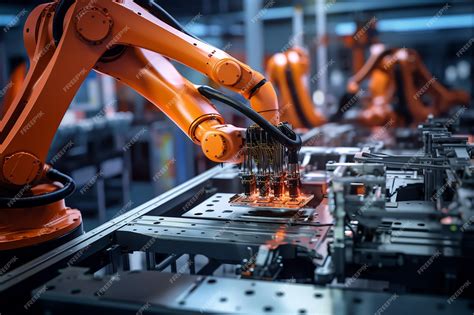
The integration of automated PCB assembly into modern manufacturing workflows underscores its pivotal role in shaping the future of electronics production By leveraging advanced robotics, machine vision, and AI-driven systems, PCBA processes achieve unprecedented precision while minimizing human error—a critical advantage as devices demand smaller, denser components This shift not only accelerates production cycles but also ensures consistent quality across high-volume batches, enabling manufacturers to meet evolving market expectations for speed and reliability
Cost efficiency remains a cornerstone of automated circuit board assembly, with optimized material usage and reduced waste driving long-term savings These systems adapt seamlessly to design iterations, making them ideal for prototyping and mass production alike Furthermore, the scalability of automated workflows allows businesses to pivot swiftly in response to technological advancements, such as IoT integration or 5G-enabled devices, without overhauling existing infrastructure
As sustainability gains prominence, PCBA automation contributes to greener practices through energy-efficient machinery and precise component placement, reducing excess solder and material consumption Looking ahead, the convergence of smart factories, predictive maintenance, and real-time analytics will further refine automated PCB assembly, solidifying its position as the backbone of next-generation electronics manufacturing By balancing innovation with practicality, this technology continues to redefine industry standards while addressing the complexities of tomorrow’s electronic ecosystems
FAQs
What distinguishes automated PCB assembly from traditional methods?
Automated PCB assembly (PCBA) utilizes robotic systems and advanced software to place components with micron-level accuracy, eliminating human error common in manual processes This shift enhances repeatability while allowing complex designs to be manufactured at scale.
How does automation improve cost efficiency in electronics production?
By integrating automated optical inspection (AOI) and pick-and-place machines, manufacturers reduce material waste and labor costs A single PCBA line can handle 50,000+ components hourly, slashing per-unit expenses by up to 60% compared to semi-automated setups.
Can automated PCB assembly accommodate small-batch prototyping?
Modern flexible automation systems support both high-volume runs and low-volume batches through rapid reconfiguration Advanced feeders and programmable soldering profiles enable seamless transitions between prototype validation and full-scale production.
What quality control measures are embedded in automated PCBA workflows?
Real-time statistical process control (SPC) monitors solder paste deposition, component alignment, and thermal profiles Machine learning algorithms analyze historical data to predict and prevent defects before they occur, achieving first-pass yields exceeding 993%.
How does automation address sustainability in electronics manufacturing?
Automated PCB assembly reduces energy consumption per unit through optimized thermal management and component placement paths Precise material application decreases hazardous waste by 42%, while smart inventory systems minimize excess component stockpiling.
What emerging technologies will shape automated PCBA systems?
Next-gen systems are integrating AI-driven anomaly detection and quantum thermal modeling to handle ultra-high-density interconnects The adoption of collaborative robots (cobots) enables hybrid workcells where humans and machines jointly troubleshoot complex assemblies.
Explore Advanced PCB Assembly Solutions
For tailored automated PCB assembly strategies that align with your production requirements, please click here to consult with our manufacturing experts