Automotive PCB Manufacturers Powering Next-Gen Mobility Solutions
Key Takeaways
The evolution of modern mobility hinges on advancements in PCB assembly (PCBA) technologies, with automotive manufacturers prioritizing reliability, durability, and precision. As electric vehicles (EVs) and autonomous systems redefine transportation, automotive PCB manufacturers are delivering solutions that withstand extreme temperatures, vibrations, and electromagnetic interference. Key innovations include high-density interconnect (HDI) designs for miniaturized components and flexible PCBs tailored for compact vehicle architectures.
"The shift toward smart transportation demands PCBs that integrate seamlessly with AI-driven systems and sensor networks," notes an industry expert. This requires rigorous adherence to ISO 26262 functional safety standards and AEC-Q100 qualifications for automotive-grade PCBA.
Emerging trends like vehicle-to-everything (V2X) communication and advanced driver-assistance systems (ADAS) further push the boundaries of PCB assembly capabilities. Manufacturers are now embedding embedded copper substrates and utilizing thermal management materials to enhance performance in high-power applications. With autonomous vehicles relying on real-time data processing, multi-layer PCBs with impedance control are becoming critical for signal integrity.
As quality benchmarks rise, automotive PCB manufacturers are adopting AI-driven inspection tools and automated testing protocols to ensure zero-defect production. This focus on precision aligns with global standards like IPC-6012 and IATF 16949, ensuring PCBs meet the stringent demands of next-gen mobility ecosystems.
Innovative PCBs for Electric Vehicles
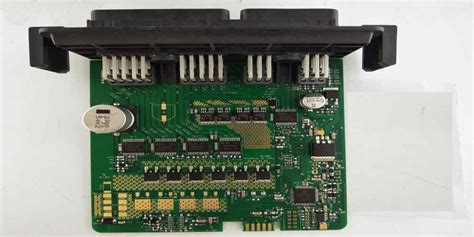
The evolution of electric vehicles (EVs) hinges on PCB assembly (PCBA) technologies that balance power efficiency, thermal resilience, and compact design. Modern EV architectures demand high-density interconnect (HDI) boards to manage complex systems like battery management, motor control, and charging infrastructure. Leading automotive PCB manufacturers now integrate flex-rigid designs and advanced materials such as ceramic-filled laminates to withstand extreme temperatures and vibrations.
| Key PCB Feature | EV Application | Performance Benefit |
|---|---|---|
| Multi-layer HDI | Battery Management Systems | Enhanced signal integrity |
| High thermal conductivity | Power inverters | 30% improved heat dissipation |
| Vibration-resistant PCBA | Motor controllers | 50% longer operational lifespan |
To address these demands, PCBA processes now incorporate automated optical inspection (AOI) and 3D solder paste testing, ensuring zero-defect reliability for safety-critical components. Innovations like embedded passive components reduce board size by up to 40%, enabling sleeker EV designs without compromising functionality. As automakers push for faster charging and extended range, PCB assembly techniques must evolve to support higher voltage architectures—up to 800V systems—while maintaining electromagnetic compatibility (EMC) standards.
The shift toward silicon carbide (SiC) and gallium nitride (GaN) semiconductors further underscores the need for PCBs with superior thermal management and electrical insulation. By leveraging these advancements, manufacturers are redefining how energy flows through EVs, making next-generation mobility both smarter and more sustainable.
Reliable Circuit Boards in Autonomous Cars
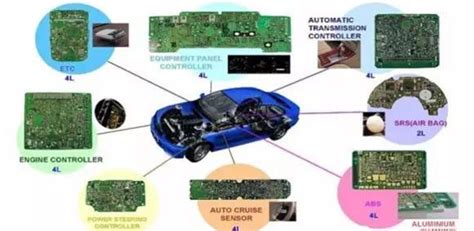
The evolution of autonomous vehicles hinges on PCB assembly processes that prioritize precision and durability. As self-driving systems process vast amounts of sensor data in real time, mission-critical PCBA designs must withstand extreme temperatures, vibrations, and electromagnetic interference. Advanced automotive PCB manufacturers leverage high-density interconnect (HDI) technology and multilayer configurations to optimize signal integrity while minimizing space constraints.
These circuit boards integrate redundant power delivery networks and fault-tolerant architectures, ensuring uninterrupted operation of LiDAR, radar, and camera systems. Rigorous testing protocols, including thermal cycling and vibration simulations, validate compliance with industry-specific standards like IPC-6012 and AEC-Q100. Furthermore, the shift toward domain-controlled vehicle architectures demands PCBA solutions with enhanced computational power, enabling centralized decision-making across distributed sensor networks.
By adopting materials like polyimide for flexible circuits and ceramic substrates for thermal management, manufacturers achieve the balance of reliability and performance required for Level 4/5 autonomy. This technological progression underscores how PCB assembly innovations are not just supporting but accelerating the development of safe, scalable self-driving platforms.

Smart Transportation PCB Solutions Emerging
As urban mobility evolves toward interconnected ecosystems, automotive PCB manufacturers are pioneering intelligent circuit boards that form the backbone of smart transportation networks. These systems require PCB assembly processes capable of integrating IoT sensors, 5G connectivity modules, and AI-driven control units into compact, high-reliability designs. Advanced PCBA techniques now enable multilayer boards with embedded components, ensuring seamless communication between traffic management systems, autonomous fleets, and charging infrastructure.
The shift to vehicle-to-everything (V2X) communication demands PCBs that withstand extreme environmental stressors while maintaining signal integrity. Manufacturers are leveraging materials like high-temperature laminates and implementing rigorous testing protocols for vibration resistance—critical for applications in electric buses and connected logistics vehicles. Emerging solutions also prioritize energy efficiency, with low-loss dielectric materials reducing power consumption in always-on telematics systems.
Transitioning from standalone vehicle components to networked mobility platforms, PCB assembly innovations are enabling real-time data processing at the edge. This progress aligns with the broader industry trend toward centralized domain controllers, where PCBA reliability directly impacts the safety and scalability of smart city transportation grids. As regulations tighten, manufacturers are adopting automotive-grade certifications (IATF 16949) to meet the exacting standards of next-gen mobility ecosystems.
Next-Gen Mobility Demands Advanced PCBs
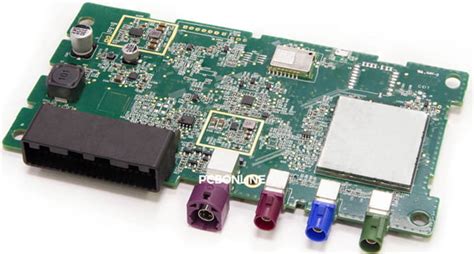
The rapid evolution of electric vehicles (EVs), autonomous driving systems, and connected transportation infrastructure is reshaping requirements for automotive PCB manufacturers. As vehicles transition from mechanical to electronic-centric platforms, the demand for high-density interconnect (HDI) boards, flexible substrates, and thermally stable materials has surged. These advancements ensure reliable performance in extreme conditions—from temperature fluctuations to vibration—critical for safety-critical systems like advanced driver-assistance systems (ADAS) and battery management.
Central to this transformation is the precision of PCB assembly processes. Modern PCBA workflows integrate automated optical inspection (AOI) and X-ray testing to meet stringent automotive quality standards, such as IATF 16949. Manufacturers are also adopting embedded component technology to reduce footprint while enhancing signal integrity—a necessity for next-generation vehicle-to-everything (V2X) communication.
Moreover, the shift toward software-defined vehicles demands PCBs that support over-the-air (OTA) updates and real-time data processing. This requires collaboration between automotive PCB manufacturers and semiconductor providers to optimize layer stacking and material selection. As mobility solutions grow smarter, the role of PCBA in enabling scalable, future-proof designs becomes indispensable for maintaining both performance and reliability.
Automotive PCB Quality Standards Rising
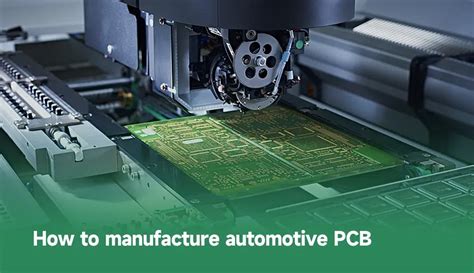
As vehicle technologies advance toward electrification and autonomy, automotive PCB manufacturers face intensifying demands for zero-defect performance in harsh operating environments. Regulatory bodies and OEMs are implementing stricter PCB assembly protocols, mandating compliance with IATF 16949 and AEC-Q200 certifications to ensure resilience against extreme temperatures, humidity, and vibration. These standards now require multi-layered validation—from material selection in PCBA processes to post-production stress testing—to eliminate risks of signal interference or component failure.
Emerging quality frameworks emphasize traceability across the supply chain, with advanced AOI (Automated Optical Inspection) systems and AI-driven defect detection becoming industry norms. For example, high-frequency substrates like Rogers 4350B are replacing traditional FR-4 in radar PCBs to meet millimeter-wave reliability thresholds for autonomous driving systems. Such shifts compel manufacturers to adopt laser-direct imaging and hybrid PCB assembly techniques, balancing precision with scalability.
By aligning PCBA workflows with ISO 26262 functional safety guidelines, suppliers not only enhance thermal management in EV battery controllers but also future-proof designs for over-the-air software updates. This evolution underscores a critical truth: rising standards aren’t just about durability—they’re enabling smarter integration of power electronics and AI processors that define next-gen mobility.
PCB Innovations Fueling Smarter Vehicles
Modern vehicles are evolving into interconnected ecosystems, demanding PCB innovations that balance compact design with enhanced functionality. High-density interconnect (HDI) technologies enable complex circuitry in tight spaces, critical for advanced driver-assistance systems (ADAS) and in-vehicle infotainment. PCBA processes now incorporate automotive-grade materials capable of withstanding extreme temperatures and prolonged vibration cycles. Manufacturers are prioritizing thermal management solutions through embedded copper substrates and optimized layer stacking in PCB assembly. Flexible circuits using polyimide substrates are gaining traction, allowing three-dimensional configurations that traditional rigid boards can’t achieve. These advancements support the integration of 5G modules and AI processors required for real-time decision-making in autonomous driving. As smart transportation networks expand, PCB assembly techniques must simultaneously address electromagnetic interference shielding and power distribution efficiency. The shift toward miniaturized sensors and high-speed data buses underscores the need for PCBA partners with expertise in automotive reliability standards and scalable production methodologies.
Electric Cars Rely on Robust PCB Designs
The shift toward electric vehicles (EVs) demands PCB assembly solutions that withstand extreme operational conditions while maintaining precision. Modern EVs depend on high-density interconnect (HDI) boards to manage power distribution across batteries, inverters, and motor controllers, where voltage fluctuations and thermal stress are constant challenges. PCBA processes for these applications prioritize materials with enhanced thermal conductivity, such as ceramic substrates or metal-core boards, to dissipate heat efficiently and prevent component degradation.
Automotive manufacturers now require flex-rigid PCB designs to fit complex geometries within limited spaces, ensuring seamless integration with advanced driver-assistance systems (ADAS) and onboard charging modules. These robust PCB designs must also comply with stringent automotive safety standards, including ISO 26262 functional safety protocols, to guarantee reliability under vibration, humidity, and temperature extremes.
As EVs evolve toward higher energy efficiency, automotive PCB manufacturers are adopting laser-drilled microvias and embedded component technologies to reduce signal loss and improve current-carrying capacity. This technical progression underscores how PCBA innovations directly enable lighter, smarter, and more durable electric vehicles—key drivers in the global transition to sustainable mobility.
Autonomous Vehicles Drive PCB Tech Advances
The rapid evolution of autonomous vehicles is reshaping the requirements for PCB assembly (PCBA), pushing manufacturers to develop boards capable of handling complex sensor arrays, real-time data processing, and fail-safe communication systems. Modern self-driving systems rely on high-density interconnect (HDI) PCBs to integrate lidar, radar, and camera modules into compact, vibration-resistant designs. These advanced PCBA processes must ensure zero-defect performance across extreme temperature ranges and prolonged operational cycles, critical for maintaining safety in Level 4/5 autonomy.
To meet these demands, automotive PCB manufacturers are adopting laser-drilled microvias and embedded component technologies, reducing signal loss while enhancing thermal management. Innovations like flex-rigid PCBs are increasingly used to connect disparate subsystems without compromising durability. Furthermore, stringent automotive-grade certifications (e.g., IATF 16949) now govern PCB assembly workflows, ensuring traceability and reliability from prototyping to mass production. As autonomy levels increase, the industry is prioritizing AI-optimized layouts and materials with lower dielectric losses, enabling faster signal transmission for decision-making algorithms. This technological leap underscores how PCBA innovations are not just supporting—but accelerating—the transition to fully driverless mobility.
Conclusion
The evolution of automotive PCB manufacturing underscores its pivotal role in shaping next-generation mobility. As electric and autonomous vehicles demand higher performance, PCB assembly (PCBA) processes are adapting to meet stringent requirements for durability, thermal management, and signal integrity. Manufacturers specializing in automotive-grade PCBA now prioritize materials and designs that withstand extreme conditions, ensuring reliability in safety-critical environments like advanced driver-assistance systems (ADAS) and battery management.
With smart transportation ecosystems expanding, the integration of high-density interconnect (HDI) PCBs and flexible circuits is becoming standard, enabling compact yet powerful electronic architectures. This shift aligns with rising industry standards, where traceability and zero-defect production are non-negotiable. By leveraging innovations such as embedded sensors and AI-driven quality control, automotive PCB manufacturers are not only future-proofing mobility solutions but also accelerating the transition toward fully connected, autonomous driving experiences. The road ahead hinges on continuous collaboration between OEMs and PCB innovators to balance scalability with the precision demanded by next-gen vehicles.
FAQs
How do automotive PCB manufacturers ensure reliability in harsh vehicle environments?
Through advanced PCB assembly techniques like conformal coating and high-temperature laminates, manufacturers create boards resistant to vibration, moisture, and thermal stress. Materials such as FR-4 TG170 and aluminum substrates are commonly used for enhanced durability.
What certifications are critical for automotive-grade PCBA?
Compliance with AEC-Q100, IATF 16949, and ISO 26262 standards ensures components meet rigorous safety and performance benchmarks. These certifications validate resistance to electromagnetic interference (EMI) and long-term operational stability.
How do PCB assembly processes differ for electric vehicles (EVs)?
EV PCBA prioritizes high-voltage handling and thermal management. Techniques like embedded component packaging and heavy copper traces (up to 20 oz) optimize power distribution while minimizing heat buildup in battery management systems.
Can existing PCBs be adapted for autonomous driving systems?
While traditional boards may lack the signal integrity needed for LiDAR or radar, manufacturers redesign layouts using high-frequency materials like Rogers 4350B and integrate PCB assembly workflows compatible with advanced driver-assistance systems (ADAS).
What role does PCBA play in smart transportation infrastructure?
From traffic sensors to vehicle-to-everything (V2X) communication modules, PCB assembly enables compact, high-speed designs for real-time data processing. Impedance-controlled routing and multi-layer stacking ensure signal accuracy in these mission-critical applications.
Explore Custom Automotive PCB Solutions
For tailored PCB assembly services meeting automotive-grade specifications, please click here to consult with experts on your next project.