Battery Technologies for Printed Circuit Boards (PCBs): A Comprehensive Guide
Introduction
In the rapidly evolving world of electronics, the integration of power sources with printed circuit boards (PCBs) has become increasingly important. Batteries for PCBs represent a critical component in modern electronic design, enabling portability, energy efficiency, and reliable operation across countless applications. From consumer electronics to medical devices and industrial equipment, the proper selection and implementation of PCB-mounted batteries can make the difference between a successful product and a failed design.
This article explores the various battery technologies available for PCB integration, their characteristics, selection criteria, and implementation considerations. We’ll examine primary and rechargeable battery options, emerging technologies, and best practices for incorporating batteries into PCB designs.
Types of Batteries for PCB Integration
1. Coin Cell Batteries
Coin cells, also called button cells, are among the most common battery types used with PCBs:
- CR2032: 3V, 220mAh lithium battery widely used for memory backup and low-power applications
- CR2025: Thinner version of CR2032 with about 160mAh capacity
- SR44/SR1130: Silver oxide batteries (1.55V) often used in watches and medical devices
Advantages:
- Compact size
- Long shelf life (up to 10 years for lithium types)
- Stable voltage output
- Wide temperature range operation
Applications:
- Real-time clock (RTC) backup
- BIOS memory backup in computers
- Small electronic devices (calculators, watches)
- Medical implants and sensors
2. Lithium Polymer (LiPo) Batteries
LiPo batteries have become the standard for rechargeable applications in portable electronics:
- Typical voltages: 3.7V nominal (4.2V fully charged)
- Capacities: Ranging from 50mAh to several thousand mAh
- Form factors: Various custom shapes and sizes possible
Advantages:
- High energy density
- Flexible form factors
- Good discharge characteristics
- Relatively lightweight
Applications:
- Smartphones and tablets
- Wearable devices
- Drones and RC vehicles
- Portable medical devices
3. Lithium-Ion (Li-ion) Batteries
Similar to LiPo but typically in rigid cylindrical or prismatic packages:
- Common types: 18650 (3.7V, 1800-3500mAh), 14500, 26650
- Higher capacities available compared to LiPo in similar volumes
Advantages:
- Higher energy density than LiPo in some cases
- Robust mechanical protection
- Well-established technology
Applications:
- Laptop batteries
- Power tools
- Electric vehicles
- Energy storage systems
4. Thin-Film Batteries
Emerging technology offering ultra-thin profiles:
- Thicknesses as low as 0.1mm
- Flexible options available
- Custom shapes possible
Advantages:
- Extremely thin form factor
- Can be integrated directly into PCB stackup
- Good for energy harvesting applications
Applications:
- Smart cards
- Wearable electronics
- IoT sensors
- Medical patches
5. Nickel-Metal Hydride (NiMH) Batteries
Older rechargeable technology still used in some applications:
- Nominal voltage: 1.2V per cell
- Capacities: Up to 10,000mAh in larger formats
Advantages:
- Lower cost than lithium technologies
- More environmentally friendly
- Good cycle life
Applications:
- Consumer electronics
- Medical devices
- Emergency lighting
Selection Criteria for PCB Batteries
Choosing the right battery for a PCB application requires careful consideration of multiple factors:
1. Electrical Requirements
- Voltage: Match battery voltage to circuit requirements
- Capacity: Determine based on power consumption and desired runtime
- Current delivery: Consider peak and continuous current needs
- Self-discharge rate: Important for infrequently used devices
2. Physical Constraints
- Size and shape: Must fit within product enclosure
- Weight: Critical for portable applications
- Mounting method: Surface mount, through-hole, or holder
3. Environmental Factors
- Operating temperature range: Ensure battery performs in expected conditions
- Humidity resistance: Important for outdoor or harsh environments
- Vibration and shock resistance: For mobile or industrial applications
4. Lifecycle Considerations
- Primary vs. rechargeable: Based on usage patterns and accessibility
- Cycle life: For rechargeable batteries
- Shelf life: Especially important for primary batteries
5. Regulatory and Safety Requirements
- Transportation regulations: Particularly for lithium batteries
- Safety certifications: UL, IEC, UN38.3, etc.
- Environmental regulations: RoHS, recycling requirements
PCB Design Considerations for Battery Integration
Proper PCB design is crucial when incorporating batteries:
1. Power Management Circuitry
- Voltage regulation: Buck, boost, or LDO regulators as needed
- Charging circuits: For rechargeable batteries
- Power path management: For systems with multiple power sources
- Fuel gauging: Battery level monitoring
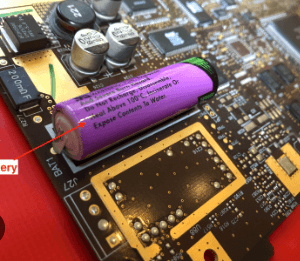
2. Mechanical Integration
- Battery holders: For replaceable batteries
- Mounting pads: For soldered batteries
- Strain relief: Especially for flexible connections
- Thermal management: For high-current applications
3. Layout Considerations
- Trace sizing: Adequate for battery currents
- Protection circuits: Close to battery terminals
- Keep-out areas: For battery placement and replacement
- Test points: For production testing and debugging
4. Safety Features
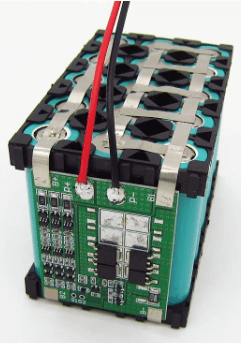
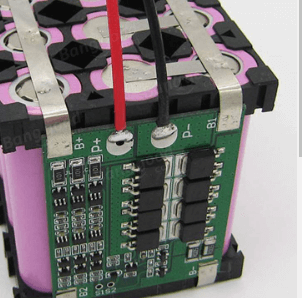
- Protection ICs: Overcharge, over-discharge, short circuit protection
- Fusing: Additional protection layers
- Thermal protection: Especially for lithium batteries
- Isolation: When using multiple battery cells
Emerging Battery Technologies for PCBs
The field of battery technology continues to evolve with several promising developments:
1. Solid-State Batteries
- Higher energy density
- Improved safety
- Longer cycle life
- Potential for PCB integration
2. Flexible Batteries
- Can conform to product shapes
- Withstand bending and flexing
- Enable new form factors
3. Microbatteries
- Extremely small footprints
- On-chip integration potential
- Suitable for IoT and medical implants
4. Energy Harvesting Integration
- Combined with solar, thermal, or RF harvesting
- Enable “forever” battery life for low-power devices
- Hybrid power management solutions
Best Practices for Battery Implementation on PCBs
- Always include protection circuitry for lithium-based batteries
- Consider battery replacement during product design
- Design for manufacturability – consider how batteries will be installed
- Test thoroughly under all expected operating conditions
- Follow manufacturer guidelines for recommended layouts and usage
- Consider aging effects in your design margins
- Implement proper sleep modes to maximize battery life
- Document battery specifications and replacement procedures clearly
Case Studies
1. Wearable Fitness Tracker
- Used a 3.7V 100mAh LiPo battery
- Implemented ultra-low-power microcontroller
- Integrated charging via pogo pins
- Achieved 7-day battery life with daily use
2. Industrial Sensor Node
- CR2450 coin cell for 5+ year lifespan
- Energy harvesting from environmental vibrations
- Aggressive power management with 99.9% sleep time
- Wireless transmission optimization
3. Medical Implant
- Custom thin-film lithium battery
- Biocompatible encapsulation
- Wireless charging system
- Precision power monitoring
Future Trends
- Increased energy density – allowing smaller batteries for the same capacity
- Improved fast charging – reducing downtime for rechargeable devices
- Enhanced safety – particularly important for consumer electronics
- More integration – batteries becoming part of the PCB structure
- Sustainability focus – more recyclable and environmentally friendly options
Conclusion
Selecting and implementing the right battery solution for a PCB requires careful consideration of technical requirements, physical constraints, and user needs. From traditional coin cells to emerging thin-film technologies, designers have an array of options to power their electronic designs. By understanding the characteristics of each battery type and following best practices for PCB integration, engineers can create products with optimal power performance, reliability, and user experience.
As battery technologies continue to advance, we can expect even more innovative solutions for PCB power needs, enabling smaller, more powerful, and longer-lasting electronic devices across all industries. The key to success lies in staying informed about new developments while mastering the fundamental principles of battery selection and implementation for PCB designs.