bergquist metal core pcb
Advantages Of Using Bergquist Metal Core PCBs In High-Power Applications
Bergquist Metal Core PCBs (Printed Circuit Boards) have emerged as a pivotal innovation in the realm of high-power applications, offering a multitude of advantages that make them indispensable in various industries.
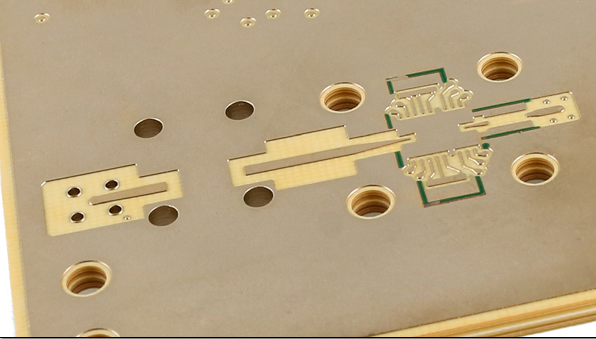
These PCBs are specifically designed to manage and dissipate heat more effectively than traditional FR4 boards, which is crucial in high-power environments where thermal management is a significant concern. The unique construction of Bergquist Metal Core PCBs, which typically includes a metal substrate, a thermally conductive dielectric layer, and a copper circuit layer, provides a robust solution to the challenges posed by high-power applications.
One of the primary advantages of using Bergquist Metal Core PCBs is their superior thermal conductivity.
The metal core, often made of aluminum or copper, acts as a heat sink, efficiently transferring heat away from critical components. This enhanced thermal management capability ensures that electronic components operate within their optimal temperature range, thereby improving their performance and longevity. In high-power applications, where excessive heat can lead to component failure and reduced reliability, the ability of Bergquist Metal Core PCBs to maintain lower operating temperatures is invaluable.
In addition to their thermal management properties, Bergquist Metal Core PCBs offer improved mechanical stability.
The metal core provides a sturdy foundation that reduces the risk of warping and mechanical stress, which can be particularly beneficial in applications subject to high levels of vibration or mechanical shock. This increased durability translates to greater reliability and a longer lifespan for the electronic devices in which these PCBs are used. Consequently, industries such as automotive, aerospace, and industrial automation, where reliability and durability are paramount, have increasingly adopted Bergquist Metal Core PCBs.
Furthermore, the electrical performance of Bergquist Metal Core PCBs is another significant advantage.
The thermally conductive dielectric layer not only aids in heat dissipation but also provides excellent electrical insulation. This ensures that the electrical integrity of the circuit is maintained, even under high thermal loads. The combination of thermal and electrical performance makes these PCBs ideal for applications such as LED lighting, power supplies, and motor drives, where both efficient heat management and reliable electrical performance are critical.
Moreover, the design flexibility offered by Bergquist Metal Core PCBs cannot be overlooked.
These PCBs can be manufactured in various thicknesses and configurations to meet the specific requirements of different applications. This versatility allows designers to optimize the PCB layout for both thermal and electrical performance, ensuring that the final product meets the stringent demands of high-power applications. Additionally, the ability to integrate multiple layers and complex circuit designs further enhances the functionality and efficiency of these PCBs.
In conclusion, the advantages of using Bergquist Metal Core PCBs in high-power applications are manifold. Their superior thermal conductivity, improved mechanical stability, excellent electrical performance, and design flexibility make them an ideal choice for industries that demand high reliability and efficiency. As technology continues to advance and the need for effective thermal management in high-power applications grows, Bergquist Metal Core PCBs are poised to play an increasingly critical role in ensuring the optimal performance and longevity of electronic devices.
Thermal Management Solutions With Bergquist Metal Core PCBs
Bergquist Metal Core PCBs (Printed Circuit Boards) have emerged as a pivotal solution in the realm of thermal management, addressing the growing need for efficient heat dissipation in electronic devices. As electronic components become increasingly powerful and compact, the challenge of managing the heat they generate has intensified. Traditional PCBs, typically made from materials like FR4, often fall short in effectively dissipating heat, leading to potential performance issues and reduced lifespan of electronic devices. This is where Bergquist Metal Core PCBs come into play, offering a robust solution to these thermal management challenges.
Bergquist, a renowned name in the field of thermal management materials, has developed Metal Core PCBs that integrate a metal substrate, usually aluminum or copper, into the PCB structure.
This metal core acts as a heat spreader, significantly enhancing the thermal conductivity of the PCB. The superior thermal performance of these PCBs ensures that heat generated by electronic components is efficiently transferred away from critical areas, thereby maintaining optimal operating temperatures and improving overall device reliability.
One of the key advantages of Bergquist Metal Core PCBs is their ability to handle high power densities.
In applications such as LED lighting, power supplies, and automotive electronics, where components are subjected to high thermal loads, the use of metal core PCBs can prevent overheating and thermal runaway. By providing a direct thermal path from the heat-generating components to the metal core, these PCBs facilitate rapid heat dissipation, ensuring that the components remain within their safe operating temperature range.
Moreover, Bergquist Metal Core PCBs offer enhanced mechanical stability compared to traditional PCBs.
The metal core not only aids in thermal management but also provides structural support, reducing the risk of PCB warping and mechanical failure. This is particularly beneficial in applications subjected to harsh environmental conditions or mechanical stress, such as industrial equipment and outdoor electronic devices.
In addition to their thermal and mechanical benefits, Bergquist Metal Core PCBs also contribute to improved electrical performance.
The metal core can serve as a ground plane, reducing electromagnetic interference (EMI) and enhancing signal integrity. This is crucial in high-frequency applications where signal integrity is paramount. Furthermore, the use of a metal core can reduce the overall thickness of the PCB, allowing for more compact and lightweight designs without compromising performance.
The manufacturing process of Bergquist Metal Core PCBs involves several critical steps to ensure optimal performance.
The metal core is typically laminated with a dielectric layer, which provides electrical insulation while maintaining high thermal conductivity. This dielectric layer is then bonded to the copper circuitry, forming a robust and thermally efficient PCB structure.
Advanced fabrication techniques, such as precision drilling and routing, are employed to create vias and other features, ensuring that the final product meets stringent quality standards.
In conclusion, Bergquist Metal Core PCBs represent a significant advancement in thermal management solutions for modern electronic devices. Their ability to efficiently dissipate heat, coupled with enhanced mechanical stability and improved electrical performance, makes them an ideal choice for a wide range of high-power and high-reliability applications. As the demand for more powerful and compact electronic devices continues to grow, the role of innovative solutions like Bergquist Metal Core PCBs in ensuring optimal performance and longevity cannot be overstated.
Comparing Bergquist Metal Core PCBs To Traditional FR4 PCBs
When comparing Bergquist Metal Core PCBs to traditional FR4 PCBs, it is essential to understand the fundamental differences in their construction, performance, and applications. Bergquist Metal Core PCBs, often referred to as MCPCBs, are designed with a metal core, typically aluminum or copper, which serves as a heat sink to dissipate heat more efficiently.
In contrast, traditional FR4 PCBs are constructed using a woven glass-reinforced epoxy laminate, which, while effective for many applications, does not offer the same thermal management capabilities.
One of the primary advantages of Bergquist Metal Core PCBs is their superior thermal conductivity.
The metal core acts as a conduit for heat, drawing it away from critical components and distributing it across the board. This feature is particularly beneficial in high-power applications where excessive heat can lead to component failure or reduced performance.
For instance, in LED lighting systems, power supplies, and automotive electronics, the ability to manage heat effectively is crucial for maintaining reliability and longevity. Traditional FR4 PCBs, on the other hand, rely on thermal vias and copper planes to manage heat, which can be less efficient and more complex to design.
Moreover, the mechanical properties of Bergquist Metal Core PCBs offer additional benefits.
The metal core provides a robust structure that can withstand mechanical stress and vibration better than FR4 PCBs. This makes MCPCBs an ideal choice for applications in harsh environments, such as industrial machinery and aerospace systems, where durability is paramount. While FR4 PCBs are generally sufficient for consumer electronics and other low-stress applications, they may not offer the same level of resilience in more demanding conditions.
In terms of electrical performance, Bergquist Metal Core PCBs can also offer advantages.
The metal core can act as a ground plane, reducing electromagnetic interference (EMI) and improving signal integrity. This is particularly important in high-frequency applications where signal integrity is critical. Although FR4 PCBs can be designed to mitigate EMI through careful layout and shielding, the inherent properties of the metal core in MCPCBs provide a more straightforward solution.
However, it is important to note that Bergquist Metal Core PCBs are not without their limitations.
The manufacturing process for MCPCBs is more complex and costly compared to traditional FR4 PCBs. The metal core requires specialized equipment and techniques, which can increase production time and expense. Additionally, the design flexibility of MCPCBs is somewhat limited due to the presence of the metal core, which can restrict the placement of vias and other features. In contrast, FR4 PCBs offer greater design versatility and are more cost-effective for large-scale production runs.
Furthermore, the choice between Bergquist Metal Core PCBs and traditional FR4 PCBs ultimately depends on the specific requirements of the application.
For high-power, high-heat, and high-stress environments, the thermal management and mechanical robustness of MCPCBs make them an excellent choice. Conversely, for applications where cost, design flexibility, and standard performance are the primary considerations, traditional FR4 PCBs remain a viable and effective option.
In conclusion, while both Bergquist Metal Core PCBs and traditional FR4 PCBs have their respective strengths and weaknesses, the decision to use one over the other should be guided by the specific needs of the application. By carefully evaluating the thermal, mechanical, and electrical requirements, as well as considering factors such as cost and design complexity, engineers can make an informed choice that ensures optimal performance and reliability.
Design Considerations For Bergquist Metal Core PCBs In LED Lighting
When designing Bergquist metal core PCBs (MCPCBs) for LED lighting applications, several critical considerations must be taken into account to ensure optimal performance and longevity. These considerations span thermal management, electrical performance, mechanical stability, and material selection, each playing a pivotal role in the overall efficacy of the LED lighting system.
To begin with, thermal management is paramount in LED lighting applications due to the significant heat generated by LEDs during operation.
Bergquist MCPCBs are specifically engineered to address this challenge by incorporating a metal core, typically aluminum or copper, which provides superior thermal conductivity compared to traditional FR4 PCBs. This enhanced thermal conductivity facilitates efficient heat dissipation away from the LEDs, thereby maintaining lower junction temperatures and extending the lifespan of the LEDs. Consequently, designers must carefully evaluate the thermal requirements of their specific LED application and select an appropriate metal core material that aligns with these needs.
In addition to thermal considerations, electrical performance is another crucial aspect that must be meticulously addressed.
The choice of dielectric material in Bergquist MCPCBs significantly influences the electrical insulation properties and overall performance of the PCB. The dielectric layer must possess high thermal conductivity while maintaining electrical insulation to prevent short circuits and ensure reliable operation. Furthermore, the thickness of the dielectric layer should be optimized to balance thermal performance and electrical insulation, as an excessively thick layer may impede heat transfer, while a too-thin layer could compromise electrical isolation.
Mechanical stability is also a vital factor in the design of Bergquist MCPCBs for LED lighting.
The metal core not only aids in thermal management but also provides structural integrity to the PCB, making it more robust and less prone to warping or mechanical failure. This is particularly important in applications where the PCB may be subjected to mechanical stress or vibration. Designers must ensure that the metal core is adequately supported and that the overall PCB design can withstand the mechanical demands of the intended application.
Material selection is another critical consideration that influences the performance and reliability of Bergquist MCPCBs.
The choice of metal core material, dielectric material, and copper cladding must be carefully evaluated based on the specific requirements of the LED lighting application. For instance, aluminum is commonly used for its excellent thermal conductivity and cost-effectiveness, while copper offers superior thermal and electrical performance but at a higher cost. The dielectric material should be selected based on its thermal conductivity, electrical insulation properties, and compatibility with the metal core and copper cladding.
Moreover, the layout and design of the PCB traces and components must be optimized to ensure efficient thermal management and electrical performance.
Proper placement of LEDs and other heat-generating components, along with the use of thermal vias and heat sinks, can significantly enhance heat dissipation and improve the overall performance of the LED lighting system. Additionally, the design should minimize electrical resistance and ensure uniform current distribution to prevent hotspots and ensure consistent illumination.
In conclusion, designing Bergquist metal core PCBs for LED lighting applications requires a comprehensive understanding of thermal management, electrical performance, mechanical stability, and material selection. By carefully considering these factors and optimizing the PCB design accordingly, designers can achieve high-performance, reliable, and long-lasting LED lighting solutions that meet the demanding requirements of modern applications.