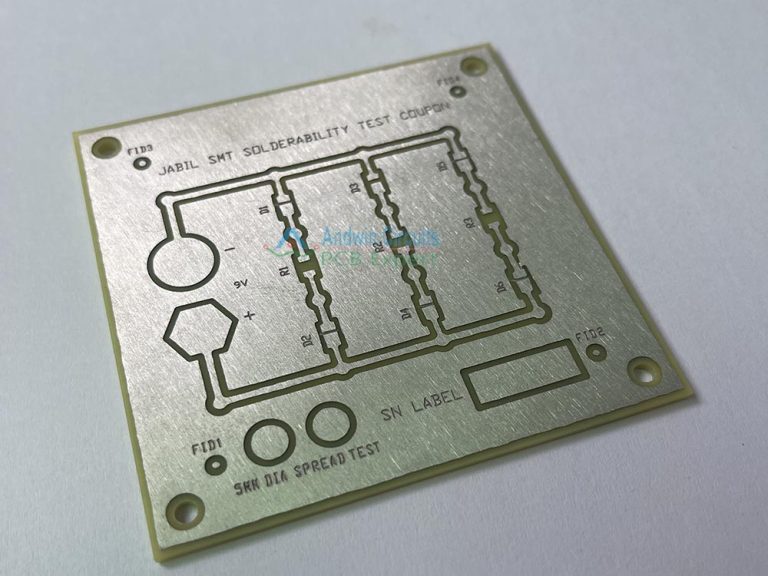
Blank PCB Board Suppliers: Expert Guide to Reliable Sourcing

Key Takeaways
When evaluating PCB manufacturing companies for global sourcing, you need to prioritize suppliers with internationally recognized certifications like ISO 9001 and UL listing. These credentials ensure adherence to PCB manufacturing quality benchmarks and reduce risks in electronics supply chains. A critical step is verifying production capabilities—ask about their minimum order quantities (MOQs), lead times, and compatibility with advanced processes such as HDI or flexible PCB fabrication.
Cost considerations go beyond initial pricing. Analyze PCB manufacturing cost drivers, including material grades (FR-4 vs. high-frequency laminates) and surface finishes (ENIG vs. HASL). Use the table below to compare suppliers’ value propositions:
| Factor | High-Cost Supplier | Budget Supplier |
|---|---|---|
| Certifications | ISO 9001, IPC-A-600 | Limited |
| Lead Time | 10-14 days | 20-30 days |
| Material Traceability | Full documentation | Partial |
For PCB manufacturing business success, align with partners offering transparent material sourcing strategies. Reliable suppliers should disclose their raw material origins, especially for conflict-free minerals and RoHS-compliant substrates. Finally, consider scalability—can they support your growth in automotive, medical, or IoT sectors? Global compliance standards are non-negotiable for avoiding legal or reputational pitfalls.

Blank PCB Board Essentials for Global Sourcing
When sourcing blank PCB boards, understanding the interplay between PCB manufacturing standards and your project’s technical needs is critical. Reliable PCB manufacturing companies prioritize certifications like ISO 9001 and UL listing, ensuring compliance with international quality benchmarks. For global procurement, evaluate their production scalability—can they handle bulk orders without compromising turnaround times?
Tip: Always request a breakdown of PCB manufacturing costs from suppliers. Hidden fees in tooling, material grades, or testing protocols can impact budgets unexpectedly.
Material selection directly affects performance. Leading suppliers source high-Tg laminates or low-loss dielectrics for specialized applications, aligning with your PCB manufacturing business requirements. For cost-sensitive projects, consider hybrid approaches—pairing standard FR-4 substrates with premium finishes like ENIG for critical layers.
Geographic logistics also matter. Partnering with regional manufacturers reduces lead times, but verify their capacity to meet global compliance standards (e.g., RoHS, REACH). Balancing PCB manufacturing cost with quality demands a clear understanding of design complexity and volume thresholds—prototyping with a local fab might save time, while mass production could benefit from overseas partnerships.
Transitioning to the next section, certifications act as gatekeepers for reliability, but they’re only one piece of the sourcing puzzle.
Certification Standards for Reliable PCB Suppliers
When evaluating PCB manufacturing companies, certifications act as your first checkpoint for quality assurance. Reputable suppliers typically hold ISO 9001 (quality management) and ISO 14001 (environmental management) certifications, ensuring standardized processes and sustainable practices. For electronics applications, UL certification validates safety compliance, while RoHS and REACH adherence confirms restricted substance control—critical for global market access.
Beyond baseline credentials, prioritize partners with IPC-A-600 or IPC-6012 certifications, which govern acceptability and performance criteria for PCB manufacturing. These benchmarks directly impact product reliability, especially for high-frequency or industrial applications. For instance, aerospace or medical device projects demand AS9100 or IATF 16949 certifications, reflecting stringent traceability and risk management protocols.
While assessing PCB manufacturing cost, avoid conflating affordability with compromised standards. Certified suppliers often streamline workflows to balance pricing without sacrificing compliance—ask for audit reports or third-party testing data. This becomes particularly critical when scaling your PCB manufacturing business, where inconsistent quality can escalate long-term expenses.
Finally, verify ongoing certification renewals and scope. A supplier’s ability to maintain updated credentials demonstrates commitment to evolving industry norms, reducing compliance risks in your supply chain. Cross-check certifications with their material sourcing strategies (covered next) to ensure alignment with your project’s technical demands.
Evaluating Manufacturing Capabilities of PCB Suppliers
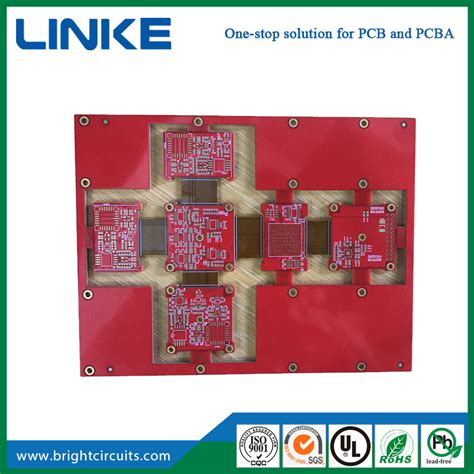
When assessing PCB manufacturing companies, focus on their technical expertise and infrastructure to ensure they align with your project’s demands. Start by verifying their production scale—whether they support prototyping, mid-volume runs, or high-volume orders. Advanced facilities with automated optical inspection (AOI) systems and precision drilling equipment often indicate reliability in maintaining tight tolerances, critical for complex designs.
Examine their PCB manufacturing cost structure, but avoid prioritizing price over capability. Suppliers offering value-added services like design-for-manufacturing (DFM) analysis or rapid turnaround times can reduce long-term expenses by minimizing errors and delays. For instance, a PCB manufacturing business specializing in high-frequency materials might charge more upfront but deliver superior performance in aerospace or telecommunications applications.
Consider scalability, too. Can they adapt to sudden demand spikes without compromising quality? Look for certifications like ISO 9001 or IATF 16949, which reflect adherence to rigorous quality management systems. Finally, cross-reference their PCB manufacturing processes with your industry’s requirements—medical or automotive sectors, for example, demand stricter traceability and material certifications. By balancing technical capacity, compliance, and cost efficiency, you’ll secure a partner capable of supporting both current and future projects.
Material Sourcing Strategies in PCB Production
When selecting materials for PCB manufacturing, your sourcing strategy directly impacts product reliability and PCB manufacturing cost. Start by verifying that suppliers source base materials like FR-4, polyimide, or Rogers substrates from certified mills, ensuring compliance with IPC-4101 or equivalent standards. Reputable PCB manufacturing companies prioritize traceability, providing documentation for copper cladding thickness, dielectric constants, and thermal stability—critical factors for high-frequency or high-temperature applications.
To balance quality and expenses, evaluate bulk purchasing agreements for common materials while reserving specialized substrates for low-volume, high-value projects. Partnering with suppliers who offer just-in-time inventory systems can reduce warehousing costs for your PCB manufacturing business, especially when handling time-sensitive orders.
Consider regional supply chain risks: geopolitical instability or trade restrictions may affect raw material availability. Diversify suppliers across multiple regions to mitigate disruptions. For instance, copper foil shortages in one market can be offset by pre-approved alternative vendors.
Finally, align material choices with emerging trends like halogen-free laminates or recyclable substrates. Leading manufacturers now integrate lifecycle analysis tools to assess environmental impact without compromising performance—a practice that strengthens compliance in regulated industries. By optimizing these strategies, you ensure consistent quality while maintaining competitive PCB manufacturing cost structures.
Industry-Specific PCB Requirements and Solutions
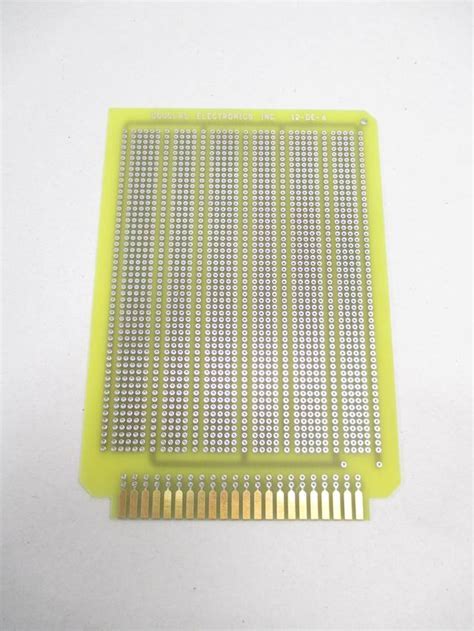
When sourcing PCB manufacturing services, you must account for industry-specific standards that govern design, materials, and performance. For instance, medical devices demand PCB manufacturing companies to adhere to ISO 13485 certifications, ensuring traceability and biocompatibility, while automotive applications require IATF 16949 compliance for vibration resistance and extended temperature ranges. Aerospace sectors prioritize lightweight, high-reliability boards with MIL-PRF-31032 certification, whereas consumer electronics focus on minimizing PCB manufacturing cost without compromising miniaturization or signal integrity.
To address these varied needs, evaluate how suppliers tailor their processes. A PCB manufacturing business serving industrial automation might integrate thicker copper layers for power handling, while telecom-focused providers optimize for high-frequency signal transmission. Thermal management becomes critical in LED lighting PCBs, often requiring aluminum substrates, and IoT devices demand flexible circuits for compact designs.
This requires clear communication with suppliers about your application’s environmental stressors, regulatory hurdles, and scalability needs. By aligning their PCB manufacturing capabilities with your industry’s benchmarks—whether RoHS compliance for eco-sensitive markets or UL certification for safety-critical systems—you ensure reliability across production cycles. Meanwhile, prototyping partnerships can reveal cost-effective solutions, such as panel-sharing for low-volume orders, balancing PCB manufacturing cost with quality demands.
Balancing Cost and Quality in PCB Procurement
When sourcing blank PCB boards, achieving the right equilibrium between PCB manufacturing cost and performance demands careful strategy. While lower prices from budget-focused PCB manufacturing companies might seem appealing, cutting corners on material quality or production precision often leads to reliability issues downstream. Start by analyzing your project’s technical requirements—high-frequency applications, for instance, demand tighter tolerances than simple consumer electronics, directly influencing PCB manufacturing standards.
Leverage volume discounts without compromising specifications: many suppliers offer tiered pricing for bulk orders, but verify their capacity to maintain consistency across large batches. Scrutinize material certifications and process controls—ISO 9001 or IPC-A-600 compliance indicates a supplier’s commitment to quality, even at competitive rates. For PCB manufacturing business operators, building long-term partnerships with vendors who provide transparent cost breakdowns (like raw material sourcing or layer-count adjustments) ensures scalability while mitigating risks.
Remember, the cheapest option isn’t always cost-effective. Factor in lead times, rework rates, and warranty support—delays from defective boards can offset initial savings. Prioritize suppliers that balance advanced capabilities (like HDI or flex PCB expertise) with fair pricing models tailored to your application’s complexity. This approach safeguards both your budget and product integrity in dynamic electronics markets.
Future Trends in Blank PCB Board Technology
As PCB manufacturing evolves, staying ahead of emerging trends ensures your sourcing strategy remains competitive. Advanced materials like high-frequency laminates and thermally conductive substrates are reshaping design possibilities, enabling faster signal transmission and improved heat dissipation for next-gen electronics. Leading PCB manufacturing companies now integrate additive manufacturing techniques, such as 3D-printed circuits, to reduce prototyping lead times and material waste—a critical shift for lowering PCB manufacturing cost while maintaining precision.
Another key development is the rise of embedded component technology, where passive elements are built directly into the board substrate. This innovation minimizes assembly steps, ideal for compact devices in IoT and wearables. Additionally, sustainability is becoming non-negotiable: suppliers are adopting eco-friendly resins and recycling programs to align with global regulations—a factor that directly impacts compliance in your supply chain (as discussed earlier).
For your PCB manufacturing business, prioritizing partners investing in AI-driven quality control systems will be essential. These systems detect micron-level defects in real time, reducing rework costs and ensuring consistency across high-volume orders. By aligning with suppliers embracing these trends, you’ll future-proof your procurement process without compromising the balance between quality and affordability.
Conclusion
When partnering with PCB manufacturing companies, prioritize those with proven expertise in global certifications and scalable production capacities. The right supplier should align with your technical requirements while offering transparency in PCB manufacturing cost structures. By focusing on material traceability and compliance with industry-specific standards, you ensure long-term reliability in your electronics supply chain.
As technologies evolve, staying ahead requires suppliers who invest in next-generation fabrication methods and eco-friendly practices. This not only future-proofs your procurement strategy but also aligns with tightening environmental regulations. Building a sustainable PCB manufacturing business relationship demands continuous evaluation of quality benchmarks and adaptability to emerging trends like high-density interconnect (HDI) boards or flexible circuits.
Ultimately, success hinges on balancing technical precision with cost efficiency. Whether sourcing for consumer electronics or aerospace applications, choosing partners who integrate innovation with rigorous testing protocols guarantees consistent performance. By applying these principles, you position your operations to navigate both current demands and tomorrow’s challenges in PCB manufacturing.
FAQs
How do certifications impact your choice of PCB manufacturing companies?
Certifications like ISO 9001 and UL listing validate a supplier’s adherence to global quality standards. When evaluating pcb manufacturing partners, prioritize those with industry-recognized credentials to ensure compliance with safety and performance benchmarks.
What factors influence PCB manufacturing cost?
Costs depend on material quality, layer complexity, and order volume. While budget constraints matter, avoid compromising on critical components like copper thickness or solder mask quality. Reliable pcb manufacturing business providers offer transparent pricing models to align with your project needs.
How can you verify material sourcing practices?
Ask suppliers for documentation tracing raw materials to certified sources. Reputable pcb manufacturing companies often partner with audited vendors, ensuring substrates and laminates meet industry-specific reliability requirements, such as high-temperature tolerance for automotive applications.
Why do industry applications affect PCB design choices?
Medical or aerospace sectors demand stricter tolerances than consumer electronics. For example, high-density interconnect (HDI) designs might be essential for compact devices, while industrial controls require robust pcb manufacturing processes to withstand harsh environments.
When should you request a prototype before bulk production?
Prototyping helps identify design flaws early, reducing long-term pcb manufacturing cost. Most suppliers offer sample batches—use this phase to test functionality and compatibility with your assembly workflows.
Ready to Partner with a Trusted PCB Supplier?
For tailored solutions that balance quality and cost-efficiency in pcb manufacturing, please click here to explore Andwin PCB’s capabilities.