Budget-Friendly Low Volume PCB Prototyping & Assembly
Key Takeaways
When exploring low-volume PCB prototyping, it’s essential to balance PCB manufacturing cost with quality and speed. Many PCB manufacturing companies now offer budget-friendly solutions tailored for small batches, such as 5 boards for $5 or 24-hour build times. These services often include free assembly, reducing the overall PCB manufacturing business expenses for startups or hobbyists. You can choose from materials like FR4 or Aluminum, with options for 2-6 layers, ensuring flexibility for diverse project needs. To minimize costs further, optimize your design for fewer layers or standard panel sizes—this avoids unnecessary charges from PCB manufacturing providers. Fast-turnaround options, like 48-hour global shipping, help you meet tight deadlines without compromising affordability. Partnering with a reliable manufacturer, such as Andwin PCBA, ensures access to transparent pricing, quality assurance, and scalable solutions that grow with your project. Always verify certifications and customer reviews to align your low-volume PCB needs with a provider that prioritizes both affordability and reliability.

Introduction to Low-Volume PCB Prototyping
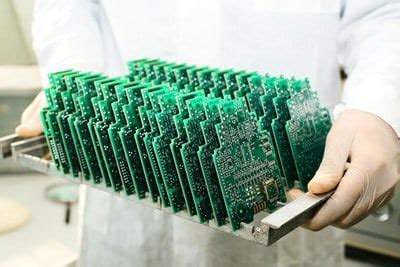
When developing new electronic products, low-volume PCB prototyping allows you to test and refine designs without committing to large-scale production. This approach is ideal for startups, hobbyists, or engineers who need functional boards for validation while keeping PCB manufacturing cost manageable. By partnering with specialized PCB manufacturing companies, you gain access to services tailored for small batches, ensuring affordability without sacrificing quality. For example, some providers offer deals like five boards for $5, paired with a 24-hour build time and free assembly for simple designs—perfect for rapid iteration.
The flexibility of low-volume PCB prototyping extends to material and layer options. Whether you need standard FR4 substrates, Aluminum-backed boards for thermal management, or multilayer configurations (2-6 layers), modern PCB manufacturing business models cater to diverse requirements. This adaptability lets you optimize both performance and expenses, especially when prototyping complex circuits. Additionally, fast global shipping ensures you receive boards quickly, accelerating your development timeline.
Reducing PCB manufacturing cost in low-volume production often involves leveraging economies of scale through standardized processes. Many PCB manufacturing companies streamline their workflows to handle small batches efficiently, passing savings to customers. By focusing on core features and avoiding over-engineering, you can further minimize expenses. For instance, opting for standard finishes or panelizing designs helps lower per-unit costs.
Choosing the right partner is critical. Look for providers that balance affordability with reliability, offering transparent pricing and support for design file reviews. This ensures your prototypes meet specifications while staying within budget. Whether you’re iterating a hobby project or preparing a product for market, low-volume PCB prototyping bridges the gap between concept and mass production, empowering innovation without financial risk.
Benefits of Budget-Friendly PCB Prototyping
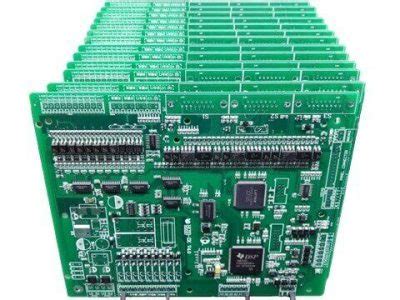
When developing hardware, balancing quality and PCB manufacturing cost is critical, especially for startups or projects with limited budgets. Opting for low-volume PCB prototyping allows you to test designs without overspending, ensuring you refine your product before scaling. Here’s how budget-friendly solutions benefit your workflow:
Cost Efficiency: Traditional PCB manufacturing often requires bulk orders to reduce per-unit costs. However, specialized PCB manufacturing companies now offer tiered pricing for small batches, letting you order as few as 5 boards for $5. This flexibility minimizes upfront expenses while maintaining quality.
Factor Traditional PCB Manufacturing Budget-Friendly Prototyping Minimum Order Quantity 100+ boards 5-50 boards Cost Per Board $10-$50+ As low as $1 per board Lead Time 2-4 weeks 24-hour build options Fast Iteration: Speed is vital in product development. Services offering 24-hour build times let you test revisions quickly, accelerating your time-to-market. For example, if a design flaw is detected, you can submit corrected files and receive new prototypes within days.
Scalability: Budget-friendly PCB manufacturing business models support seamless scaling. Start with 5-10 prototypes, validate your design, and then expand to larger batches without switching vendors. This avoids the hassle of requalifying new suppliers.
Material and Layer Flexibility: Even low-cost services often support diverse materials like FR4 or Aluminum and 2-6 layer designs. This ensures your prototypes mirror final-product performance, whether you’re building IoT devices or high-power systems.
Risk Mitigation: By reducing PCB manufacturing cost upfront, you allocate more resources to R&D or user testing. As one engineer notes:
"Affordable prototyping lets us fail fast, learn faster, and perfect the design before committing to mass production."
Tip: To further cut costs, optimize your design files (e.g., panelizing boards) and clarify specifications upfront. Partnering with PCB manufacturing companies that offer free assembly or bundled services can also lower expenses.
Whether you’re a hobbyist or a startup, budget-friendly PCB manufacturing ensures you stay agile without compromising on quality or innovation.

Top Affordable PCB Fabrication Services
When searching for low-volume PCB prototyping, balancing PCB manufacturing cost with quality is critical. Many PCB manufacturing companies now cater specifically to small-batch projects, offering competitive pricing without compromising on reliability. For example, services like 5 boards for $5 provide an accessible entry point for testing designs, ideal for startups or hobbyists. These providers often include free assembly with orders, further reducing expenses for projects requiring components.
Leading PCB manufacturing business solutions support materials like FR4 and Aluminum, accommodating 2-6 layers (2-6L) to suit diverse applications. Fast turnaround times—such as 24-hour build options—accelerate iteration cycles, while global shipping ensures your prototypes reach you quickly, no matter your location. To minimize PCB manufacturing cost, look for providers offering panelization discounts or standardized specifications that reduce material waste.
When partnering with PCB manufacturing companies, prioritize transparency in pricing and scalability. Some services allow you to order exact quantities, avoiding overproduction. Additionally, leveraging their expertise in design-for-manufacturing (DFM) checks can prevent costly errors. By focusing on value-driven PCB manufacturing business models, you gain access to professional-grade fabrication without the overhead of large-scale production. This approach ensures your low-volume projects stay budget-friendly while maintaining the precision required for successful prototyping.

Low-Cost PCB Assembly Solutions for Small Batches
When working with low-volume PCB assembly, balancing quality and PCB manufacturing cost is critical. Many PCB manufacturing companies now specialize in catering to startups and engineers who need small batches without overspending. For instance, services offering 5 boards for $5 demonstrate how competitive pricing can align with rapid prototyping needs. These solutions often include free assembly, reducing overhead for projects requiring quick validation before scaling.
A key advantage of partnering with specialized PCB manufacturing business providers is their flexibility in handling 2-6-layer designs and materials like FR4 or Aluminum, ensuring your prototype meets functional requirements without unnecessary expenses. By optimizing panelization and minimizing material waste, these services keep costs low while maintaining reliability. Additionally, 24-hour build times and fast global shipping help accelerate development cycles, making them ideal for iterative testing.
To further reduce PCB manufacturing cost, consider simplifying designs where possible—fewer layers, standardized components, and avoiding overly tight tolerances can lower expenses. Many providers also offer design-for-manufacturability (DFM) feedback, helping you avoid costly revisions. When selecting a partner, prioritize PCB manufacturing companies that transparently outline pricing structures and provide scalable solutions, ensuring smooth transitions from prototyping to full production. By leveraging these strategies, you can achieve high-quality low-volume PCB assembly without straining your budget.

## Fast-Turnaround Options for Prototype PCBs
When time-to-market is critical, PCB manufacturing companies offer rapid prototyping services to meet tight deadlines without compromising quality. Many PCB manufacturing providers now offer 24–48-hour turnaround times for prototype orders, making them ideal for startups and enterprises alike. These services often include low-cost PCB manufacturing for small batches, with options for 1–2-layer boards in as little as 24 hours. For more complex designs, such as 4–6-layer boards, lead times typically range from 48 to 72 hours.
To minimize PCB manufacturing costs without sacrificing speed, consider panelizing designs or opting for standard materials like FR4. Some PCB manufacturing businesses also offer expedited global shipping, ensuring prototypes arrive within days—not weeks. For startups, partnering with a PCB manufacturing partner that offers design-for-manufacturability (DFM) reviews can further streamline production and reduce delays. Balancing speed and affordability is key—while faster turnarounds may cost slightly more, they prevent costly delays in product development cycles.
Material and Layer Options for Cost-Effective PCBs
When optimizing PCB manufacturing cost for low-volume projects, selecting the right materials and layer configurations is critical. Most PCB manufacturing companies prioritize FR4 as the default substrate due to its balance of affordability and reliability. This glass-reinforced epoxy laminate works well for general-purpose designs, but if your project demands better thermal performance, aluminum-backed PCBs offer enhanced heat dissipation at a marginally higher cost.
Layer count directly impacts PCB manufacturing business expenses. For simple circuits, 2-layer boards are the most budget-friendly, while 4-6 layer designs accommodate complex layouts without drastically increasing costs. However, sticking to the minimum layers your design requires helps keep PCB manufacturing affordable. Some providers even offer standardized layer stack-ups to reduce turnaround time and material waste.
To further cut costs, consider panelization—grouping multiple designs onto a single board—which optimizes material usage. Many PCB manufacturing companies also provide design-for-manufacturing (DFM) feedback to identify areas where layer reductions or material substitutions can lower expenses without compromising functionality. For instance, replacing gold-plated connectors with HASL (Hot Air Solder Leveling) finishes can reduce PCB manufacturing cost significantly for prototypes.
Finally, partner with a manufacturer that specializes in low-volume production and offers flexible material options. This ensures you’re not overpaying for capabilities you don’t need, such as high-speed materials for basic applications. By aligning your design choices with cost-effective materials and layer strategies, you can achieve reliable prototypes without exceeding your budget.
Tips for Reducing Costs in Low-Volume PCB Production
When working with low-volume PCB manufacturing, strategic planning is key to balancing quality and affordability. Start by simplifying your design—eliminate unnecessary layers, avoid overly complex traces, and stick to standard hole sizes to reduce pcb manufacturing cost. Many pcb manufacturing companies offer tiered pricing, so consolidating components on fewer layers (e.g., opting for 2-4 layers instead of 6) can lower expenses without sacrificing functionality. Panelizing multiple smaller boards into a single design also maximizes material use, cutting waste and costs.
Material selection plays a significant role. While specialty substrates like Aluminum or high-frequency laminates have their uses, standard FR4 is often the most budget-friendly choice for prototypes. If your project allows, avoid gold finishes or other premium surface treatments unless strictly necessary. Additionally, partnering with pcb manufacturing businesses that specialize in low-volume orders ensures access to economies of scale—services like shared tooling or pooled production runs can drastically reduce per-unit costs.
Optimize your order size. Some providers offer discounts for slightly higher quantities (e.g., ordering 10 boards instead of 5), which can be cost-effective if you anticipate future iterations. Always verify if assembly services are bundled—free assembly for basic components, as some companies offer, eliminates hidden fees. Finally, compare quotes from multiple pcb manufacturing partners, prioritizing those with transparent pricing and fast-turnaround options. By aligning your design choices with production efficiencies, you can achieve high-quality prototypes without overspending.
Choosing the Right Partner for Budget-Friendly PCB Needs
When selecting a partner for low-volume PCB prototyping and assembly, balancing cost efficiency with quality is critical. Start by evaluating PCB manufacturing companies that specialize in small batches, as their expertise in optimizing PCB manufacturing cost directly impacts your project’s affordability. Look for providers offering transparent pricing models, such as flat-rate prototyping (e.g., 5 boards for $5) or bundled services like free assembly with fabrication. These features ensure you avoid hidden fees while maintaining control over your budget.
Consider suppliers that support flexible material and layer options (e.g., FR4 or Aluminum, 2-6 layers), as this versatility allows you to tailor designs without overspending. Fast turnaround times—like 24-hour build services—are equally vital for iterative testing, especially when time-sensitive revisions are needed. Verify if the PCB manufacturing business offers global shipping with reliable timelines, minimizing delays in product development cycles.
Another key factor is scalability. While focusing on low-volume needs today, partnering with a manufacturer capable of scaling production when needed future-proofs your workflow. Review customer feedback and case studies to gauge reliability, technical support, and adherence to quality standards. Finally, prioritize companies that provide design-for-manufacturing (DFM) guidance, as this collaboration reduces errors and streamlines the PCB manufacturing process, saving both time and resources in the long run.
Conclusion
When exploring budget-friendly low-volume PCB prototyping & assembly, it’s critical to balance cost efficiency with quality. Partnering with the right PCB manufacturing companies ensures you access services tailored for small batches without compromising on reliability. For instance, offers like 5 boards for $5 or 24-hour build times highlight how PCB manufacturing cost can stay manageable even for prototypes. These solutions are ideal for startups, hobbyists, or businesses testing new designs before scaling.
To minimize expenses, prioritize providers that specialize in low-volume PCB manufacturing business models. They often offer flexible material choices—such as FR4 or Aluminum—and support up to 6-layer designs, ensuring your project’s technical needs are met. Free assembly services further reduce overhead, letting you focus on refining your design rather than logistics.
When evaluating PCB manufacturing partners, consider their global shipping speeds and transparency in pricing. Fast turnaround times and clear communication help avoid delays, especially for time-sensitive projects. Additionally, simplifying your design (e.g., reducing layer counts or optimizing component placement) can lower PCB manufacturing cost without sacrificing functionality.
Ultimately, the goal is to find a provider that aligns with your budget while delivering consistent quality. Whether you’re iterating a prototype or preparing for limited production runs, leveraging affordable low-volume PCB manufacturing services ensures you stay agile in a competitive market. By understanding your priorities—speed, cost, or material flexibility—you can make informed decisions that streamline your development cycle and maximize ROI.
FAQs
What defines low-volume PCB prototyping?
Low-volume PCB prototyping refers to producing a small batch of printed circuit boards (typically 5–100 units) for testing and validation. This approach allows you to verify designs before committing to large-scale production, minimizing PCB manufacturing cost and risks.
How do PCB manufacturing companies keep costs low for small batches?
Many PCB manufacturing companies optimize costs by offering standardized processes, panelization (grouping multiple designs on one board), and bulk material purchasing. Services like 5 boards for $5 leverage these efficiencies, making low-volume PCB prototyping accessible even for tight budgets.
What factors influence PCB manufacturing cost for small batches?
Key factors include board complexity (layers, size, materials), turnaround time, and assembly requirements. Choosing FR4 or Aluminum substrates over specialized materials, opting for standard lead times, and simplifying designs can reduce PCB manufacturing cost.
Are budget-friendly PCB manufacturing services reliable?
Yes, reputable providers combine affordability with quality. Look for certifications (e.g., ISO, UL), customer reviews, and guarantees like 24-hour build times or free assembly. Many PCB manufacturing businesses prioritize precision, even for low-volume orders.
How do I choose the right PCB manufacturing business for prototypes?
Evaluate their expertise in low-volume PCB prototyping, material options (e.g., 2-6 layers, FR4, Aluminum), and additional services like fast global shipping. Transparent pricing, responsive support, and a track record in PCB manufacturing are critical indicators.
Start Your Project Today!
Need affordable low-volume PCB prototyping & assembly? Click here to explore tailored solutions with fast turnaround and competitive pricing.