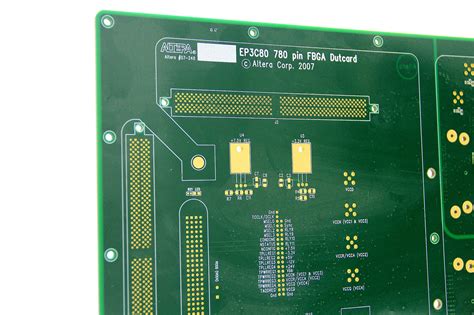
Building the Future: The Rise of the Circuit Board Factory Revolution
Key Takeaways
In the evolving landscape of pcb manufacturing, it is essential to recognize the significance of pcb manufacturing companies that are pioneering advancements in the industry. As you explore the innovative technologies reshaping circuit board production, you will find that understanding pcb manufacturing cost is crucial for both providers and consumers. The quest for efficiency in the pcb manufacturing business has led to a surge in automation, allowing companies to streamline processes and enhance product quality. Moreover, rapid prototyping tools have become indispensable, facilitating quicker design iterations and reducing time to market for electronic devices. As you reflect on these trends, consider how sustainable practices are being integrated into production lines, ultimately contributing to a greener future in technology. The continuous demand for electronic devices drives the evolution of circuit board factories, highlighting their pivotal role in supporting diverse industries while fostering economic growth on a global scale.
The Evolution of Circuit Board Factories: From Concept to Reality
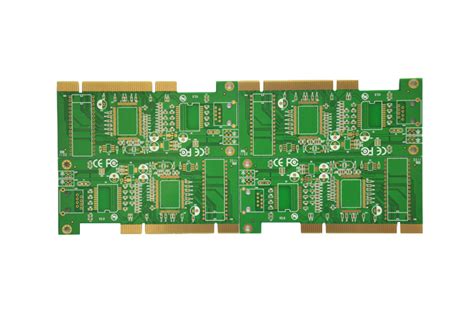
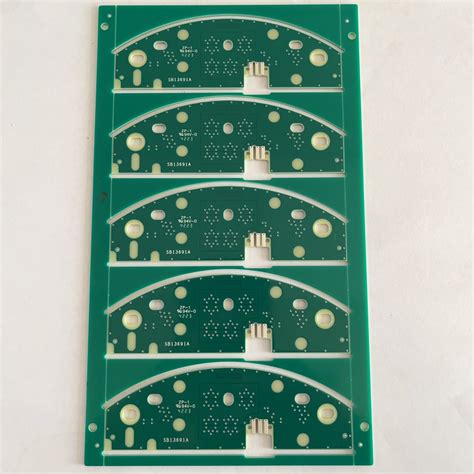
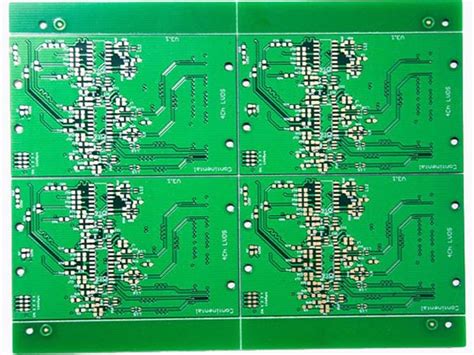
The journey of circuit board factories has been a remarkable transformation from simple conceptual designs to sophisticated manufacturing hubs that drive pcb manufacturing today. In the early days, the process was primarily labor-intensive and lacked the technological advancements we see now, resulting in longer production times and higher pcb manufacturing costs. However, with the advent of automation and innovative manufacturing practices, you’re now witnessing a shift that not only enhances production efficiency but also significantly improves product quality. This evolution has led to a surge in the number of pcb manufacturing companies, all vying to meet the growing demand for intricate electronic components. As you explore this realm, you’ll discover that modern pcb manufacturing business models are focused on integrating advanced technologies, streamlining operations, and embracing sustainability—qualities that are becoming essential in today’s competitive landscape. This evolution is not merely a response to market needs; it’s an essential step towards securing your role in a future where electronic devices are omnipresent and ever-evolving.
Innovations in Manufacturing: Technologies Reshaping Circuit Board Production
The landscape of pcb manufacturing is undergoing a radical transformation, driven by cutting-edge technologies that enhance productivity and product quality. You may find that pcb manufacturing companies are increasingly relying on advanced automation to streamline their operations, significantly reducing human error and improving consistency in the production process. Innovations such as computer-aided design (CAD) tools enable faster design iterations, allowing businesses to adapt swiftly to changing market demands. Furthermore, the integration of Internet of Things (IoT) capabilities within manufacturing systems promotes real-time data monitoring, enabling predictive maintenance and stronger supply chain management. When exploring pcb manufacturing costs, it becomes clear that these technologies not only improve operational efficiency but also minimize waste, ultimately creating a more sustainable production approach. Additionally, the move towards rapid prototyping has become essential for companies looking to shorten product development cycles—from conceptual design to final production—allowing you to maintain a competitive edge in the market. As you engage with this evolving landscape, you’ll see how these remarkable advancements are not just reshaping the industry but also positioning your business for a more prosperous future.
The Role of Automation in Enhancing Efficiency and Quality
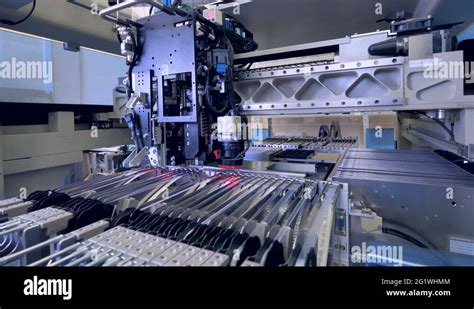
In the realm of pcb manufacturing, automation is an undeniable catalyst for improving both efficiency and quality. By integrating advanced technologies such as robotic assembly lines, automated quality inspections, and AI-powered monitoring systems, pcb manufacturing companies can streamline their processes significantly. This not only reduces the potential for human error, but also accelerates production speeds, allowing factories to meet higher demand effectively.
When you evaluate pcb manufacturing costs, it becomes evident that investing in automation can lead to substantial savings over time. While the initial setup might seem daunting, the return on investment often manifests through decreased labor costs and enhanced production consistency. For businesses looking to thrive in the competitive landscape of pcb manufacturing, embracing automation is no longer a luxury but a necessity.
“Automation enables you to maintain unwavering standards in quality while simultaneously scaling up production outputs.”
Furthermore, as your pcb manufacturing business evolves, adopting these automated solutions can facilitate faster turnaround times for your clients. Rapid improvements in both output and quality make automation a pivotal component of modern circuit board factories. In this age where speed and precision drive consumer expectations, your commitment to leveraging these technologies will not only satisfy demand but also propel your business toward sustainable growth in an ever-connected world.
Rapid Prototyping: Accelerating Design and Development Processes
In the realm of pcb manufacturing, rapid prototyping has emerged as a vital tool that significantly enhances the speed and efficiency of product development. This innovative process allows designers to quickly create functional prototypes that can be tested and refined before moving into mass production. By utilizing advanced techniques such as additive manufacturing and computer-aided design (CAD), pcb manufacturing companies can streamline the design process, reduce errors, and ultimately lower the pcb manufacturing cost.
Here’s how rapid prototyping plays a crucial role in accelerating design and development:
| Aspect | Importance |
|---|---|
| Speed | Rapid prototyping cuts down the time from concept to prototype dramatically, enabling quicker iterations. |
| Cost-Effectiveness | Testing designs before full-scale production minimizes changes that could lead to costly revisions later on. |
| Design Flexibility | Engineers can explore innovative ideas without the risk associated with traditional manufacturing methods. |
| Quality Assurance | Prototypes allow for thorough testing, ensuring that every component meets industry standards before mass production. |
As you navigate through these advancements in pcb manufacturing, it’s clear that rapid prototyping not only enhances product development processes but also supports a more agile approach to innovation, empowering businesses within the pcb manufacturing business landscape to respond swiftly to market demands. This adaptability is essential for staying competitive in a rapidly evolving technological environment, reinforcing the indispensable role of circuit board factories in shaping future advancements in electronics.
Sustainable Practices in Circuit Board Manufacturing: A Greener Future
As you explore the landscape of pcb manufacturing, you’ll discover that sustainable practices have become integral to the operational model of pcb manufacturing companies. These companies are increasingly prioritizing eco-friendly methods, aiming to reduce waste and minimize their carbon footprint. For instance, innovative recycling techniques are being implemented to reclaim valuable materials from discarded circuit boards, steering towards a circular economy. Moreover, advancements in pcb manufacturing technology allow for the utilization of less harmful chemicals and energy-efficient equipment, which significantly cuts down on both environmental impact and pcb manufacturing costs. It is vital for businesses engaged in the pcb manufacturing business to adopt these greener practices not only for compliance with regulations but also as a strategy to enhance their market competitiveness. Through these approaches, you contribute to a promising future where sustainability and technology coalesce in harmony, creating electronic devices that are both innovative and environmentally responsible. For more information on advanced manufacturing solutions, check out Andwin PCB.
Meeting Demand: How Circuit Board Factories Support Diverse Industries
The ever-expanding landscape of technology creates a unique challenge and opportunity for pcb manufacturing. As reliance on electronics deepens, the need for pcb manufacturing companies to meet the surging demand becomes critical. These factories serve a multitude of sectors, from consumer electronics to automotive industries, ensuring that the production lines never stall. This adaptability is a hallmark of the modern pcb manufacturing business, where versatility plays a pivotal role in success. To remain competitive, you must understand the intricacies of pcb manufacturing cost, as rising material prices and labor costs can directly influence production schedules and profit margins. However, through strategic investments in automation and sustainable practices, these factories not only boost output but also enhance product quality. By prioritizing efficiency in their processes, pcb manufacturing facilities position themselves as essential players in supporting your industry’s growing needs while fostering innovation across various fields. The relationship between these factories and diverse industries is symbiotic; as technological demands shift, so too do these manufacturers evolve to provide the innovative solutions you require.
The Economic Impact of Circuit Board Factories on Global Markets
The rise of circuit board factories has significantly reshaped the economic landscape across various sectors. By streamlining pcb manufacturing, these facilities not only reduce pcb manufacturing costs but also enhance the speed and scalability of production. As a result, pcb manufacturing companies are increasingly able to meet the soaring demand for electronic devices worldwide. This unprecedented growth spurs investments in infrastructure, technology, and skilled labor, driving job creation in multiple regions. Importantly, the evolution of the pcb manufacturing business promotes competition, enabling smaller companies to thrive alongside larger players by providing specialized services and innovative solutions. Consequently, these factories are not merely production sites; they serve as crucial contributors to economic dynamism and technological progress, fostering a more interconnected global market that benefits consumers through a diverse range of high-quality electronic products. The transformative influence of circuit board factories undoubtedly positions them as essential pillars in sustaining economic growth and advancing innovation across multiple industries.
Looking Ahead: The Future of Circuit Board Production and Technological Advancement
As you contemplate the landscape of pcb manufacturing, a plethora of exciting possibilities emerges. Innovations in technology are steering the direction of pcb manufacturing companies, bringing forth advancements that enhance production efficiency and precision. With the rise of smart systems and integrated automation, the pcb manufacturing cost is expected to decrease, providing not only cost-effective solutions but also boosting output levels. Moreover, the future of your pcb manufacturing business hinges on adaptability, as industries evolve and consumer demands grow. The potential for advanced materials and techniques, such as flexible circuit technology and nanotechnology, promises to revolutionize how you approach circuit design and production. Embracing these trends will not only streamline your operations but also position your business at the forefront of an ever-changing market landscape. By staying attuned to these developments, you will likely find ample opportunities to cultivate growth while meeting the increasing demands for more complex electronic devices in various sectors.
Conclusion
As you reflect on the incredible advancements in pcb manufacturing and the significant role of pcb manufacturing companies, it becomes evident that these facilities are central to meeting the ever-growing demand for electronic devices. The shift towards automation and innovative technologies has not only enhanced production efficiency but also improved product quality, fundamentally transforming the pcb manufacturing business landscape. You may find that understanding the intricacies of pcb manufacturing cost is essential for making informed choices in a competitive market. Furthermore, the ongoing evolution towards sustainable practices within these factories highlights a commitment to a greener future, ensuring that they contribute positively to both the economy and the environment. As you consider the impact of these factories, it is clear they are paving the way for a more connected and technologically advanced world, reaffirming their importance in shaping various industries and economic structures globally.
FAQs
When considering pcb manufacturing, it’s essential to understand several factors that influence your choices in the industry. You’ll likely want to know how to evaluate pcb manufacturing companies effectively. Start by considering their production capabilities, technology adoption, and quality control measures. Each of these elements can significantly affect the final product’s quality and your project’s overall success.
Another common area of inquiry revolves around pcb manufacturing cost. This can vary widely based on the complexity of design, materials used, and order volume. Understanding these costs can help you budget appropriately for your projects and make more informed decisions about which company to partner with.
If you’re thinking about starting a pcb manufacturing business, it’s crucial to conduct market research to understand industry trends, customer needs, and potential competition. This insight will not only guide you in executing a successful entry strategy but also help you differentiate your business in a thriving market.
By staying informed on these topics, you will be better positioned to navigate the evolving landscape of circuit board production as it continues to support diverse sectors in the technological arena.