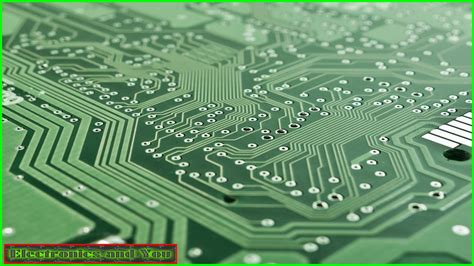
Buy rogers pcb material
Understanding the Benefits of Rogers PCB Material for High-Frequency Applications
Rogers PCB material has become a cornerstone in the realm of high-frequency applications, offering a range of benefits that make it a preferred choice for engineers and designers. As technology continues to advance, the demand for materials that can support higher frequencies and more complex circuits has grown exponentially. Rogers Corporation, a leader in engineered materials, has developed a series of high-performance laminates that cater specifically to these needs. Understanding the advantages of Rogers PCB material is crucial for those involved in the design and production of high-frequency electronic devices.
One of the primary benefits of Rogers PCB material is its exceptional dielectric properties.
Unlike traditional FR-4 materials, Rogers laminates offer a low dielectric constant and low loss tangent, which are essential for maintaining signal integrity at high frequencies. This characteristic ensures minimal signal loss and distortion, which is critical in applications such as RF and microwave circuits. The stability of the dielectric constant over a wide frequency range further enhances the performance of these materials, making them ideal for use in telecommunications, aerospace, and defense industries.
In addition to superior dielectric properties, Rogers PCB materials exhibit excellent thermal management capabilities.
High-frequency applications often generate significant amounts of heat, which can adversely affect the performance and reliability of electronic components. Rogers materials are designed to withstand high temperatures and provide efficient heat dissipation, thereby enhancing the longevity and reliability of the circuits. This thermal stability is particularly beneficial in environments where temperature fluctuations are common, ensuring consistent performance even under challenging conditions.
Moreover, Rogers PCB materials offer outstanding mechanical properties, which contribute to their durability and ease of fabrication.
These materials are available in a variety of thicknesses and can be easily machined to meet specific design requirements. The dimensional stability of Rogers laminates ensures that they maintain their shape and size during the manufacturing process, reducing the risk of defects and improving overall yield. This ease of processing not only saves time but also reduces costs, making Rogers materials a cost-effective solution for high-frequency applications.
Furthermore, the versatility of Rogers PCB materials cannot be overstated.
They are compatible with a wide range of fabrication processes, including multilayer constructions, which are often necessary for complex circuit designs. This adaptability allows designers to create intricate and high-performance circuits without compromising on quality or functionality. The ability to integrate Rogers materials with other substrates also provides flexibility in design, enabling the development of innovative solutions tailored to specific application needs.
In conclusion, the benefits of Rogers PCB material for high-frequency applications are manifold. From superior dielectric and thermal properties to excellent mechanical characteristics and versatility, these materials offer a comprehensive solution for the challenges posed by modern electronic designs. As the demand for high-frequency applications continues to grow, the importance of selecting the right materials becomes increasingly critical. By choosing Rogers PCB materials, engineers and designers can ensure that their products meet the highest standards of performance and reliability, paving the way for advancements in technology and innovation.
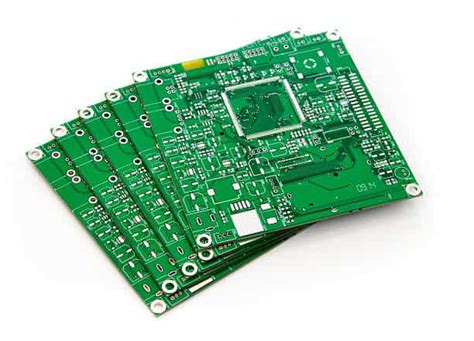
A Comprehensive Guide to Selecting the Right Rogers PCB Material for Your Project
When embarking on the journey of selecting the right Rogers PCB material for your project, it is essential to understand the unique characteristics and advantages that these materials offer. Rogers Corporation, a leader in the field of high-frequency circuit materials, provides a range of options that cater to various applications, from telecommunications to aerospace.
The choice of material can significantly impact the performance, reliability, and cost-effectiveness of your project. Therefore, a comprehensive understanding of the available options is crucial.
To begin with, it is important to consider the electrical performance requirements of your project.
Rogers PCB materials are renowned for their excellent dielectric properties, which are critical for high-frequency applications. For instance, materials such as Rogers RO4000 series are designed to offer a low dielectric constant and low loss tangent, making them ideal for RF and microwave circuits. These properties ensure minimal signal loss and distortion, which are vital for maintaining signal integrity in high-speed applications. Consequently, selecting a material with the appropriate dielectric properties is a fundamental step in the design process.
In addition to electrical performance, thermal management is another critical factor to consider.
Rogers PCB materials are engineered to provide superior thermal conductivity, which is essential for dissipating heat in high-power applications. For example, the Rogers RO3000 series is known for its excellent thermal management capabilities, making it suitable for power amplifiers and other heat-intensive applications. By choosing a material with high thermal conductivity, you can enhance the reliability and longevity of your circuit by preventing overheating and ensuring stable operation under varying environmental conditions.
Moreover, mechanical properties should not be overlooked when selecting a Rogers PCB material.
The mechanical stability of the material can influence the durability and manufacturability of the circuit board. Rogers materials are designed to offer robust mechanical performance, with options like the Rogers RO4350B providing a good balance between rigidity and flexibility. This balance is particularly important in applications where the PCB may be subjected to mechanical stress or vibration.
By considering the mechanical properties, you can ensure that the material will withstand the physical demands of your specific application.
Furthermore, cost considerations play a significant role in the selection process.
While Rogers PCB materials are generally more expensive than standard FR-4 materials, their superior performance can justify the investment, especially in high-frequency and high-reliability applications. It is important to weigh the benefits of enhanced performance against the additional cost to determine the most cost-effective solution for your project. In some cases, the long-term savings from improved performance and reduced failure rates can offset the initial investment.
Finally, it is advisable to consult with material experts or suppliers to gain insights into the latest advancements and options available in Rogers PCB materials.
These professionals can provide valuable guidance based on your specific project requirements and help you navigate the complexities of material selection. By leveraging their expertise, you can make informed decisions that align with your project’s goals and constraints.
In conclusion, selecting the right Rogers PCB material involves a careful evaluation of electrical, thermal, and mechanical properties, as well as cost considerations. By understanding the unique advantages of Rogers materials and consulting with experts, you can ensure that your project benefits from the optimal combination of performance and reliability.
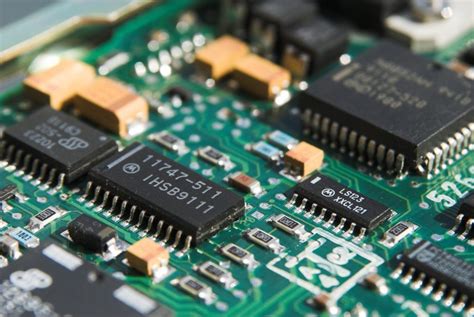
Comparing Rogers PCB Material with Other Substrates: What Makes It Stand Out?
When selecting materials for printed circuit boards (PCBs), engineers and designers are often faced with a multitude of options, each offering distinct properties and advantages. Among these, Rogers PCB material has emerged as a popular choice, particularly in high-frequency applications. To understand what makes Rogers PCB material stand out, it is essential to compare it with other commonly used substrates, such as FR-4, polyimide, and ceramic materials.
Rogers PCB materials are renowned for their superior electrical performance, especially in high-frequency applications.
Unlike traditional FR-4 substrates, which are primarily composed of woven glass and epoxy resin, Rogers materials are engineered with advanced composites that offer low dielectric loss and stable dielectric constants over a wide frequency range. This characteristic is crucial for applications such as RF and microwave circuits, where signal integrity and minimal loss are paramount. In contrast, FR-4 materials, while cost-effective and widely used, tend to exhibit higher dielectric losses, making them less suitable for high-frequency applications.
Moreover, Rogers materials provide excellent thermal management properties
They are designed to withstand higher temperatures without significant degradation, which is a critical factor in applications involving high power or harsh environmental conditions. Polyimide substrates, another alternative, also offer good thermal stability but often come at a higher cost and with more complex processing requirements. Rogers materials strike a balance by providing robust thermal performance while maintaining ease of processing, making them an attractive option for many designers.
In addition to electrical and thermal advantages, Rogers PCB materials offer mechanical stability and reliability.
Their dimensional stability ensures that the material does not warp or deform under thermal stress, which is a common issue with some other substrates. This stability is particularly beneficial in multilayer PCB designs, where precise layer alignment is crucial for functionality. Ceramic substrates, while offering excellent thermal and electrical properties, can be brittle and prone to mechanical failure, especially in applications involving mechanical stress or vibration. Rogers materials, on the other hand, provide a more resilient option without compromising on performance.
Furthermore, the versatility of Rogers materials is another factor that sets them apart.
They are available in a variety of formulations, each tailored to specific application needs, such as low-loss, high-frequency, or high-temperature environments. This adaptability allows designers to select a material that precisely matches their performance requirements, unlike more generic substrates that may require trade-offs in certain areas.
While the initial cost of Rogers PCB materials may be higher than that of traditional substrates like FR-4, the long-term benefits often justify the investment.
The enhanced performance, reliability, and longevity of Rogers-based PCBs can lead to reduced maintenance costs and improved product lifespans, ultimately offering better value over time. Additionally, as technology advances and the demand for high-performance electronic devices grows, the advantages of using Rogers materials become increasingly significant.
In conclusion, Rogers PCB materials distinguish themselves through their exceptional electrical, thermal, and mechanical properties, making them a preferred choice for high-frequency and high-performance applications. By offering a combination of low dielectric loss, excellent thermal management, and mechanical stability, Rogers materials provide a reliable and versatile solution that meets the demanding requirements of modern electronic designs. As the industry continues to evolve, the unique benefits of Rogers PCB materials will likely continue to drive their adoption in a wide range of applications.
Top Tips for Purchasing Rogers PCB Material: What to Consider for Optimal Performance
When it comes to purchasing Rogers PCB material, making informed decisions is crucial for ensuring optimal performance in your electronic applications. Rogers Corporation is renowned for its high-frequency laminates, which are widely used in advanced electronic circuits due to their superior electrical properties and reliability. However, selecting the right Rogers PCB material involves careful consideration of several factors to meet the specific requirements of your project.
First and foremost, it is essential to understand the electrical performance characteristics of the Rogers material you are considering.
Different Rogers materials offer varying dielectric constants and loss tangents, which can significantly impact the signal integrity and overall performance of your circuit. For high-frequency applications, such as RF and microwave circuits, materials with low dielectric constants and low loss tangents are typically preferred. These properties help minimize signal loss and ensure efficient transmission of high-frequency signals.
In addition to electrical performance, thermal management is another critical aspect to consider when selecting Rogers PCB material.
The thermal conductivity of the material can affect the heat dissipation capabilities of your circuit, which is particularly important in high-power applications. Materials with higher thermal conductivity can help manage heat more effectively, thereby enhancing the reliability and longevity of your electronic components. Therefore, evaluating the thermal properties of the Rogers material is vital to ensure it aligns with the thermal requirements of your design.
Moreover, mechanical properties should not be overlooked when choosing Rogers PCB material.
The material’s mechanical strength, flexibility, and dimensional stability can influence the manufacturing process and the durability of the final product. For instance, materials with high dimensional stability are less likely to warp or deform during fabrication, which can lead to more precise and reliable circuit boards. Additionally, considering the material’s compatibility with various manufacturing processes, such as soldering and plating, is essential to ensure seamless integration into your production workflow.
Furthermore, cost considerations play a significant role in the decision-making process.
While Rogers materials are known for their high performance, they can also be more expensive than standard FR-4 materials. It is important to balance the performance benefits with the budget constraints of your project. Conducting a cost-benefit analysis can help determine whether the advantages of using Rogers material justify the additional expense. In some cases, the enhanced performance and reliability may outweigh the higher initial costs, leading to long-term savings and improved product quality.
Additionally, it is advisable to consult with material suppliers or technical experts who can provide valuable insights and recommendations based on your specific application needs.
These professionals can offer guidance on selecting the most suitable Rogers material, taking into account factors such as frequency range, environmental conditions, and regulatory requirements. Engaging with experts can also help you stay informed about the latest advancements in Rogers materials, ensuring that you are leveraging the most up-to-date technology for your designs.
In conclusion, purchasing Rogers PCB material requires a comprehensive evaluation of electrical, thermal, and mechanical properties, as well as cost considerations and expert advice.
By carefully assessing these factors, you can make informed decisions that optimize the performance and reliability of your electronic applications. Ultimately, selecting the right Rogers material can lead to superior circuit performance, enhanced product quality, and a competitive edge in the ever-evolving electronics industry.