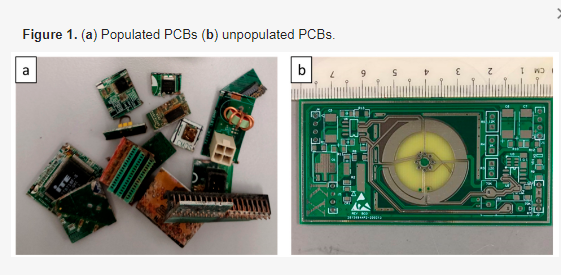
Causes of Problems in PCB Pre-Treatment Processes
Abstract
Printed Circuit Board (PCB) manufacturing involves multiple critical steps, with pre-treatment being one of the most essential stages. Pre-treatment processes, such as cleaning, surface preparation, and chemical treatments, significantly impact the quality, reliability, and performance of PCBs. However, improper pre-treatment can lead to various defects, including poor adhesion, surface contamination, and corrosion. This paper explores the root causes of PCB pre-treatment-related problems, including chemical imbalances, improper handling, environmental factors, and process inconsistencies. By understanding these causes, manufacturers can implement corrective measures to enhance PCB quality and yield.
1. Introduction
PCB pre-treatment is a preparatory stage that ensures proper adhesion of conductive and insulating materials, removes contaminants, and enhances surface roughness for better plating and etching. Common pre-treatment steps include:
- Degreasing & Cleaning – Removes oils, dust, and organic residues.
- Microetching – Roughens the surface to improve adhesion.
- Oxide Removal – Eliminates oxides that hinder plating.
- Surface Activation – Prepares the surface for electroless plating.
Despite its importance, pre-treatment can introduce defects if not properly controlled. This paper examines the key causes of pre-treatment-related failures in PCB manufacturing.
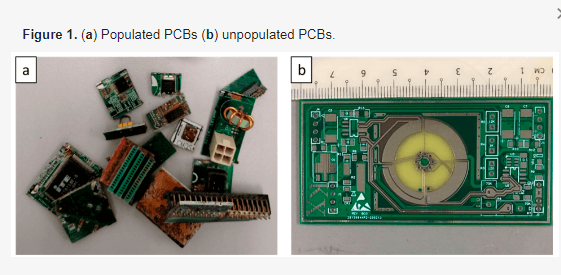
2. Common Problems Caused by PCB Pre-Treatment
Several issues can arise due to improper pre-treatment, including:
- Poor Copper Adhesion – Leads to delamination and circuit failures.
- Surface Contamination – Causes plating voids and weak solder joints.
- Inconsistent Etching – Results in over- or under-etched traces.
- Corrosion & Oxidation – Reduces conductivity and reliability.
- Residue Buildup – Affects solder mask application and component mounting.
3. Root Causes of Pre-Treatment Problems
3.1. Chemical Imbalances and Contamination
The effectiveness of pre-treatment chemicals (e.g., cleaners, etchants, and activators) depends on their concentration, temperature, and purity. Common chemical-related issues include:
- Depleted or Overused Solutions – Degraded chemicals lose effectiveness, leading to incomplete cleaning or etching.
- Contaminated Baths – Accumulation of metal ions, organic residues, or foreign particles alters chemical reactions.
- Incorrect pH Levels – Affects microetching and oxide removal efficiency.
3.2. Improper Process Parameters
Pre-treatment requires precise control of parameters such as:
- Immersion Time – Too short: insufficient cleaning/etching; too long: over-etching or surface damage.
- Temperature Variations – High temperatures accelerate reactions but may degrade chemicals; low temperatures slow down processes.
- Mechanical Agitation – Insufficient agitation leads to uneven treatment, while excessive agitation may damage delicate surfaces.
3.3. Inadequate Rinsing and Drying
Residual chemicals left on PCBs after pre-treatment can cause:
- Chemical Staining – Affects aesthetics and solderability.
- Corrosion – Residual acids or alkalis attack copper traces.
- Poor Adhesion in Subsequent Steps – Contaminants interfere with plating and soldering.
3.4. Surface Contamination Before Treatment
If PCBs are not properly stored or handled before pre-treatment, contaminants such as:
- Fingerprints & Oils – Reduce chemical effectiveness.
- Dust & Particulates – Cause uneven etching or plating.
- Oxidation – Forms a passive layer that resists activation.
3.5. Equipment and Maintenance Issues
Faulty or poorly maintained equipment contributes to pre-treatment defects:
- Clogged Nozzles (in Spray Systems) – Leads to uneven chemical application.
- Worn-Out Brushes (in Scrubbing Machines) – Fails to remove contaminants effectively.
- Malfunctioning Dryers – Leaves moisture, promoting oxidation.
3.6. Environmental Factors
- Humidity – Accelerates oxidation before treatment.
- Temperature Fluctuations – Affects chemical stability.
- Airborne Contaminants – Dust and fumes introduce impurities.
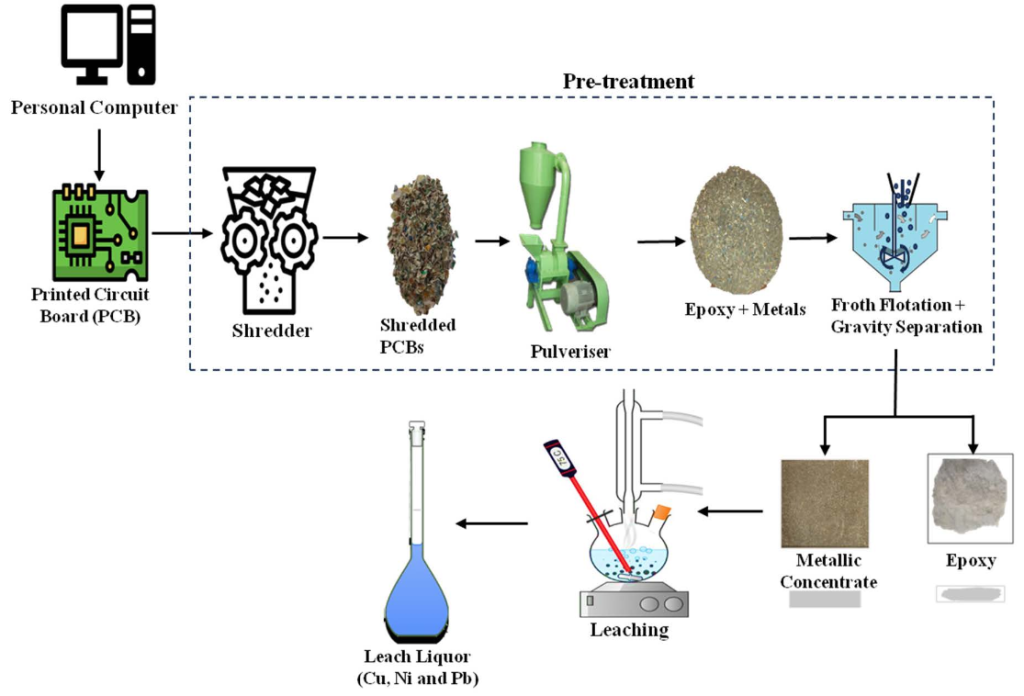
4. Mitigation Strategies
To minimize pre-treatment-related defects, manufacturers should:
✔ Monitor Chemical Baths – Regular titration and filtration to maintain optimal concentrations.
✔ Optimize Process Parameters – Adjust time, temperature, and agitation based on material and design requirements.
✔ Implement Strict Rinsing Protocols – Use DI water to eliminate residues.
✔ Improve Storage Conditions – Keep PCBs in moisture-controlled environments.
✔ Conduct Regular Equipment Maintenance – Clean nozzles, replace brushes, and calibrate machines.
5. Conclusion
PCB pre-treatment is a critical yet delicate process that, if mismanaged, can lead to significant quality issues. The primary causes of defects include chemical imbalances, improper process control, inadequate rinsing, surface contamination, equipment failures, and environmental factors. By implementing strict quality control measures, manufacturers can enhance pre-treatment efficiency, reduce defects, and improve PCB reliability. Future advancements in automated monitoring and eco-friendly chemicals may further optimize pre-treatment processes.