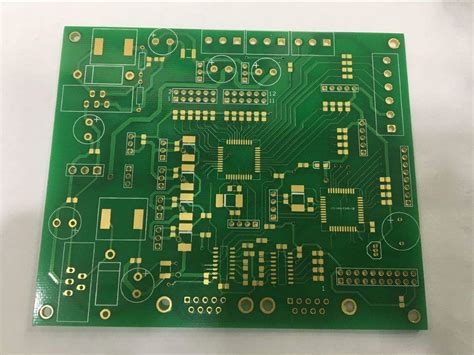
ceramic pcb cost
Factors Influencing Ceramic PCB Cost
Ceramic printed circuit boards (PCBs) are increasingly becoming a preferred choice in various high-performance applications due to their superior thermal conductivity, mechanical strength, and electrical insulation properties. However, the cost of ceramic PCBs can be significantly higher than that of traditional FR-4 boards, and understanding the factors influencing this cost is crucial for businesses and engineers looking to optimize their budgets while meeting technical requirements.
One of the primary factors affecting the cost of ceramic PCBs is the material itself.
Ceramic substrates, such as alumina, aluminum nitride, and beryllium oxide, offer distinct advantages over conventional materials, but they also come with a higher price tag.
The choice of substrate material is often dictated by the specific application requirements, such as thermal management and electrical performance. For instance, aluminum nitride is favored for its excellent thermal conductivity, making it ideal for high-power applications, but it is more expensive than alumina. Consequently, the selection of substrate material plays a pivotal role in determining the overall cost of the ceramic PCB.
In addition to material selection, the manufacturing process also significantly impacts the cost.
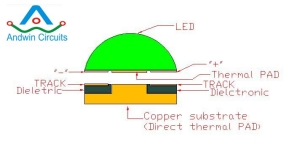
Ceramic PCBs are typically produced using techniques such as thick-film, thin-film, or direct-bonded copper (DBC) processes. Each of these methods has its own cost implications. For example, the thin-film process, known for its precision and ability to produce fine lines and spaces, is generally more expensive than the thick-film process. The DBC process, which involves bonding a layer of copper directly onto the ceramic substrate, is particularly costly due to the complexity and precision required.
Therefore, the choice of manufacturing process must be carefully considered in relation to the desired performance characteristics and budget constraints.
Another factor influencing the cost is the complexity of the PCB design.
As with any type of PCB, the more complex the design, the higher the cost. This complexity can arise from various factors, such as the number of layers, the density of the circuitry, and the inclusion of specialized features like embedded components or vias. Multi-layer ceramic PCBs, for instance, require additional processing steps and materials, which can drive up costs. Similarly, designs that necessitate tight tolerances or intricate patterns may require advanced manufacturing techniques, further increasing expenses.
Volume production also plays a crucial role in determining the cost of ceramic PCBs.
As with most manufacturing processes, economies of scale can lead to significant cost reductions. Producing ceramic PCBs in larger quantities can spread the fixed costs of setup and tooling over a greater number of units, thereby reducing the per-unit cost. However, for small production runs or prototypes, the cost per unit can be substantially higher due to the lack of these economies of scale.
Finally, additional factors such as quality assurance, testing, and certification requirements can also contribute to the overall cost.
Ensuring that ceramic PCBs meet stringent industry standards and performance criteria often necessitates rigorous testing and quality control measures, which can add to the expense. Moreover, obtaining necessary certifications for specific applications, such as those in the aerospace or medical industries, can further increase costs.
In conclusion, the cost of ceramic PCBs is influenced by a multitude of factors, including material selection, manufacturing processes, design complexity, production volume, and quality assurance requirements. Understanding these factors is essential for making informed decisions that balance performance needs with budgetary constraints. As the demand for high-performance electronic solutions continues to grow, navigating the complexities of ceramic PCB costs will remain a critical consideration for engineers and businesses alike.
Comparing Ceramic PCB Costs with Other Materials
When evaluating the cost of printed circuit boards (PCBs), it is essential to consider the material used in their construction, as this significantly impacts both the initial investment and the long-term value. Among the various materials available, ceramic PCBs have gained attention for their unique properties and applications. However, understanding how their costs compare to other materials, such as FR-4, aluminum, and polyimide, is crucial for making informed decisions in electronics manufacturing.
Ceramic PCBs are renowned for their excellent thermal conductivity, high-frequency performance, and superior mechanical strength.
These attributes make them particularly suitable for applications in high-power and high-frequency devices, such as LED lighting, power electronics, and aerospace technology. Despite these advantages, the cost of ceramic PCBs is generally higher than that of traditional materials like FR-4. This is primarily due to the complex manufacturing processes involved, which include high-temperature co-firing and the use of specialized equipment. Consequently, the initial cost of ceramic PCBs can be a deterrent for some manufacturers, especially those with budget constraints.
In contrast, FR-4, a widely used material in PCB manufacturing, is known for its cost-effectiveness and versatility.
It is composed of woven fiberglass cloth with an epoxy resin binder, which provides adequate electrical insulation and mechanical strength for a wide range of applications. The production process for FR-4 PCBs is well-established and less complex than that of ceramic PCBs, resulting in lower manufacturing costs. However, FR-4’s thermal conductivity and frequency performance are inferior to those of ceramic materials, which can limit its use in high-performance applications.
Aluminum PCBs offer a middle ground between ceramic and FR-4 in terms of cost and performance.
They are often used in applications requiring better heat dissipation than FR-4 can provide, such as LED lighting and power converters. Aluminum PCBs are constructed with a metal core that helps dissipate heat more effectively, thus enhancing the reliability and lifespan of electronic components. While more expensive than FR-4, aluminum PCBs are generally less costly than ceramic options, making them an attractive choice for applications where thermal management is a priority but budget constraints exist.
Polyimide PCBs, another alternative, are known for their flexibility and high-temperature resistance.
These characteristics make them suitable for applications in flexible electronics and environments with extreme temperature variations. The cost of polyimide PCBs is typically higher than that of FR-4 but can be comparable to or slightly less than ceramic PCBs, depending on the specific requirements and complexity of the design.
In conclusion, while ceramic PCBs offer unparalleled performance in terms of thermal management and frequency handling, their higher cost compared to other materials like FR-4, aluminum, and polyimide can be a significant consideration for manufacturers.
The decision to use ceramic PCBs should be based on a careful assessment of the application’s specific needs, balancing performance requirements with budgetary constraints. By understanding the cost implications and performance benefits of each material, manufacturers can make informed choices that optimize both the functionality and cost-effectiveness of their electronic products.
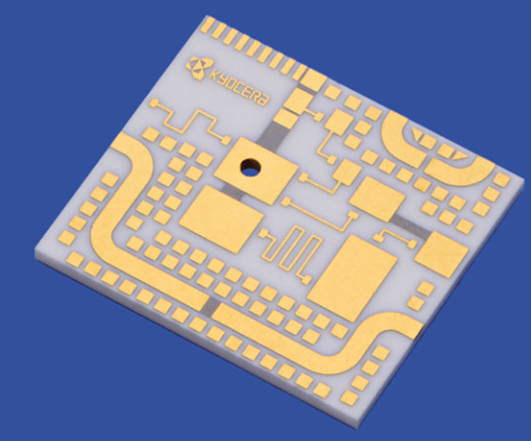
Cost-Effective Strategies for Ceramic PCB Manufacturing
Ceramic printed circuit boards (PCBs) have become increasingly popular in various industries due to their superior thermal performance, high-frequency capabilities, and excellent mechanical strength. However, the cost of manufacturing ceramic PCBs can be a significant concern for businesses looking to integrate these advanced components into their products. To address this issue, it is essential to explore cost-effective strategies that can help reduce expenses without compromising quality.
One of the primary factors influencing the cost of ceramic PCB manufacturing is the choice of materials.
Alumina and aluminum nitride are the most commonly used ceramic substrates, each offering distinct advantages. Alumina is generally more affordable and provides adequate thermal conductivity for many applications. In contrast, aluminum nitride offers superior thermal performance but at a higher cost. By carefully evaluating the specific requirements of a project, manufacturers can select the most appropriate material, balancing performance needs with budget constraints.
In addition to material selection, the design of the PCB itself plays a crucial role in cost management.
Simplifying the design can lead to significant savings, as complex designs often require more intricate manufacturing processes and additional materials. By optimizing the layout and minimizing the number of layers, manufacturers can reduce both material costs and production time.
Furthermore, employing design for manufacturability (DFM) principles can help identify potential issues early in the design phase, preventing costly revisions and delays during production.
Another effective strategy for reducing ceramic PCB costs is to leverage economies of scale. By increasing production volumes, manufacturers can spread fixed costs over a larger number of units, thereby reducing the cost per unit. This approach is particularly beneficial for companies with high-volume production needs. However, it is essential to ensure that quality is not compromised in the pursuit of cost savings. Implementing rigorous quality control measures throughout the manufacturing process can help maintain high standards while achieving cost efficiencies.
Advancements in manufacturing technologies also offer opportunities for cost reduction. For instance, the adoption of automated production techniques can enhance precision and consistency, reducing the likelihood of defects and rework. Automation can also streamline processes, leading to faster production times and lower labor costs.
Additionally, innovations in additive manufacturing, such as 3D printing, are beginning to make their mark in the PCB industry. These technologies have the potential to reduce material waste and enable more complex designs without a corresponding increase in cost.
Collaboration with experienced suppliers and manufacturers can further aid in cost-effective ceramic PCB production.
By partnering with companies that have a proven track record in ceramic PCB manufacturing, businesses can benefit from their expertise and insights. These partners can provide valuable guidance on material selection, design optimization, and process improvements, all of which contribute to cost savings.
Finally, it is important to consider the long-term benefits of investing in ceramic PCBs.
While the initial costs may be higher compared to traditional PCBs, the enhanced performance and reliability of ceramic PCBs can lead to reduced maintenance and replacement costs over time. This long-term perspective can justify the upfront investment and ultimately result in overall cost savings.
In conclusion, while the cost of ceramic PCB manufacturing can be a concern, there are several strategies that can help mitigate these expenses. By carefully selecting materials, optimizing design, leveraging economies of scale, embracing technological advancements, collaborating with experienced partners, and considering long-term benefits, businesses can achieve cost-effective ceramic PCB production without sacrificing quality.
The Impact of Design Complexity on Ceramic PCB Cost
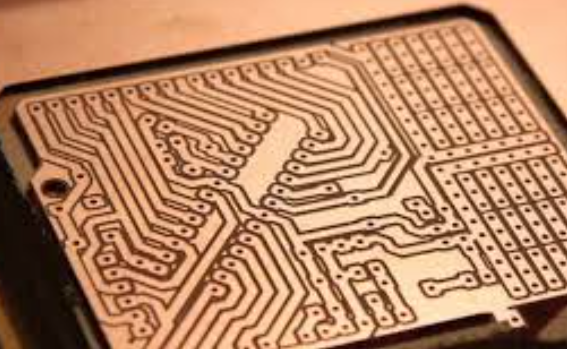
The cost of ceramic printed circuit boards (PCBs) is influenced by a multitude of factors, with design complexity being a significant determinant. As the demand for high-performance electronic devices continues to rise, understanding the impact of design complexity on ceramic PCB cost becomes increasingly important for manufacturers and designers alike. Ceramic PCBs are renowned for their superior thermal conductivity, mechanical strength, and electrical insulation properties, making them ideal for applications in high-power and high-frequency environments. However, these advantages come at a cost, which is often exacerbated by the intricacies of the design.
To begin with, the complexity of a ceramic PCB design is largely dictated by the number of layers, the intricacy of the circuit patterns, and the inclusion of additional features such as vias and embedded components.
Each of these elements contributes to the overall cost in different ways. For instance, multi-layer ceramic PCBs require more sophisticated manufacturing processes, including precise alignment and lamination of each layer. This not only increases material costs but also necessitates advanced equipment and skilled labor, thereby driving up production expenses.
Moreover, intricate circuit patterns demand higher precision during the etching process.
The need for meticulous attention to detail in creating fine lines and spaces can lead to increased production time and potential for errors, both of which contribute to higher costs. Additionally, the inclusion of features such as blind or buried vias, which are used to connect different layers of the PCB without passing through the entire board, further complicates the manufacturing process. These features require specialized drilling techniques and additional processing steps, adding to the overall expense.
Furthermore, the choice of materials plays a crucial role in determining the cost of ceramic PCBs.
High-purity ceramic materials, such as alumina or aluminum nitride, are often preferred for their excellent thermal and electrical properties. However, these materials are more expensive than traditional PCB substrates like FR-4. When combined with complex designs, the cost of materials can significantly impact the final price of the PCB.
In addition to material and manufacturing considerations, the design complexity also affects the testing and quality assurance processes.
More complex designs necessitate rigorous testing to ensure reliability and performance, which can be both time-consuming and costly. Advanced testing equipment and techniques may be required to verify the functionality of intricate circuits and to detect any potential defects. This further adds to the overall cost of producing ceramic PCBs.
Despite these challenges, the benefits of using ceramic PCBs in demanding applications often justify the higher costs associated with complex designs.
Their ability to withstand extreme temperatures, resist chemical corrosion, and provide excellent electrical insulation makes them indispensable in industries such as aerospace, automotive, and telecommunications. As technology continues to evolve, the demand for ceramic PCBs with complex designs is expected to grow, prompting manufacturers to seek innovative solutions to manage costs while maintaining quality.
In conclusion, the impact of design complexity on ceramic PCB cost is multifaceted, encompassing factors such as the number of layers, circuit intricacy, material choice, and testing requirements. While these elements contribute to higher production costs, the superior performance characteristics of ceramic PCBs often outweigh the financial considerations, making them a valuable investment for high-performance applications. As the industry advances, continued innovation in manufacturing techniques and materials will be essential to balancing cost and complexity in ceramic PCB production
How Volume Production Affects Ceramic PCB Pricing
The cost of ceramic printed circuit boards (PCBs) is influenced by a variety of factors, with volume production playing a significant role in determining the final pricing. Understanding how volume production affects ceramic PCB pricing requires an exploration of the manufacturing processes, economies of scale, and the inherent material costs associated with ceramic substrates.
To begin with, ceramic PCBs are known for their superior thermal conductivity, high-frequency performance, and excellent mechanical strength, making them ideal for applications in high-power and high-frequency environments.
However, these advantages come at a cost, primarily due to the complex manufacturing processes involved. The production of ceramic PCBs typically involves high-temperature co-firing processes, precision laser cutting, and meticulous quality control measures, all of which contribute to the overall expense. When considering volume production, these costs can be distributed over a larger number of units, thereby reducing the cost per unit.
Economies of scale play a crucial role in the pricing of ceramic PCBs.
As the volume of production increases, manufacturers can optimize their operations, leading to more efficient use of materials and labor. For instance, purchasing raw materials in bulk often results in discounts from suppliers, which can significantly lower the material costs. Additionally, the setup costs associated with the production line, such as tooling and calibration, are spread across a larger number of units, further decreasing the cost per unit. This reduction in cost is particularly evident in large-scale production runs, where the initial investment in equipment and setup is amortized over thousands or even millions of units.
Moreover, high-volume production allows manufacturers to invest in advanced automation technologies, which can enhance production efficiency and consistency.
Automated processes reduce the likelihood of human error, ensuring that each PCB meets stringent quality standards. This not only improves the yield rate but also minimizes the need for costly rework or scrap, thereby reducing overall production costs. As a result, customers who require large quantities of ceramic PCBs can benefit from lower prices due to these efficiencies.
However, it is important to note that while volume production can lead to cost savings, it also requires a significant upfront investment from both the manufacturer and the customer.
Manufacturers must be willing to invest in the necessary equipment and technology to support large-scale production, while customers must commit to purchasing a substantial quantity of PCBs to realize the cost benefits. This can be a barrier for smaller companies or those with limited production needs, as they may not be able to take advantage of the lower pricing associated with high-volume orders.
In conclusion, volume production has a profound impact on the pricing of ceramic PCBs. By leveraging economies of scale, optimizing manufacturing processes, and investing in automation, manufacturers can offer more competitive pricing for large orders. However, the benefits of volume production are contingent upon the ability to meet the required order quantities, which may not be feasible for all customers. As such, companies must carefully consider their production needs and budget constraints when deciding on the appropriate volume of ceramic PCBs to order.