China metal core pcb manufacture
Innovations In China’s Metal Core PCB Manufacturing Techniques
China has long been recognized as a global leader in the manufacturing of printed circuit boards (PCBs), and recent innovations in metal core PCB (MCPCB) manufacturing techniques have further solidified its position in the industry. Metal core PCBs, known for their superior heat dissipation properties, are increasingly in demand, particularly in sectors such as automotive, aerospace, and high-power LED lighting. As the need for efficient thermal management solutions grows, Chinese manufacturers are at the forefront of developing advanced techniques to enhance the performance and reliability of MCPCBs.
One of the key innovations in China’s MCPCB manufacturing is the use of advanced materials.
Traditionally, aluminum has been the material of choice for the metal core due to its excellent thermal conductivity and cost-effectiveness. However, Chinese manufacturers are now exploring the use of copper and other metal alloys to further improve thermal performance. Copper, while more expensive, offers superior thermal conductivity, making it ideal for applications requiring high heat dissipation. By experimenting with different metal alloys, manufacturers are able to tailor the thermal properties of MCPCBs to meet specific industry needs.
In addition to material advancements, Chinese manufacturers are also pioneering new fabrication techniques.
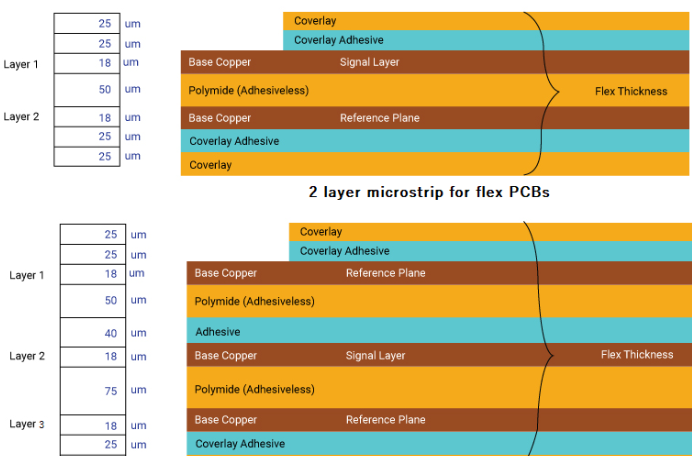
One such technique is the integration of multi-layer structures within MCPCBs. This approach allows for more complex circuit designs and greater functionality without compromising thermal management. By stacking multiple layers, manufacturers can create compact and efficient designs that are well-suited for modern electronic devices. This innovation not only enhances the performance of MCPCBs but also expands their application range, making them suitable for more sophisticated electronic systems.
Furthermore, the adoption of automated manufacturing processes has significantly improved the precision and efficiency of MCPCB production in China.
Automation technologies, such as robotic assembly and computer-aided design (CAD) software, enable manufacturers to produce high-quality PCBs with minimal human intervention. This not only reduces the likelihood of errors but also accelerates production times, allowing manufacturers to meet the growing demand for MCPCBs more effectively. The integration of automation in manufacturing processes is a testament to China’s commitment to maintaining its competitive edge in the global PCB market.
Moreover, Chinese manufacturers are increasingly focusing on sustainability in their production processes.
The environmental impact of PCB manufacturing has been a concern, and the industry is under pressure to adopt greener practices. In response, many Chinese companies are investing in eco-friendly technologies and materials. For instance, the use of lead-free solder and recyclable materials is becoming more prevalent, reducing the environmental footprint of MCPCB production. By prioritizing sustainability, Chinese manufacturers are not only addressing environmental concerns but also aligning with global trends towards greener manufacturing practices.
In conclusion, China’s metal core PCB manufacturing industry is undergoing significant transformations driven by innovations in materials, fabrication techniques, automation, and sustainability.
These advancements are enhancing the performance, efficiency, and environmental friendliness of MCPCBs, positioning China as a leader in this specialized field. As the demand for high-performance PCBs continues to rise, particularly in industries requiring robust thermal management solutions, China’s ongoing commitment to innovation will undoubtedly play a crucial role in shaping the future of MCPCB manufacturing. Through continuous research and development, Chinese manufacturers are poised to meet the evolving needs of the global electronics market, ensuring their continued prominence in the industry.
The Role Of Metal Core PCBs In China’s Electronics Industry
China’s electronics industry has long been a cornerstone of its economic growth, with the country emerging as a global leader in the production and export of electronic goods. A critical component of this success is the manufacturing of printed circuit boards (PCBs), which serve as the backbone of electronic devices. Among the various types of PCBs, metal core PCBs (MCPCBs) have gained significant prominence due to their unique properties and applications. These specialized PCBs play a pivotal role in enhancing the performance and reliability of electronic products, thereby contributing to the overall advancement of China’s electronics sector.
Metal core PCBs are distinguished by their use of a metal substrate, typically aluminum or copper, which provides superior thermal conductivity compared to traditional fiberglass-based PCBs.
This enhanced thermal management capability is crucial in high-power applications where heat dissipation is a primary concern. As electronic devices become more compact and powerful, the demand for efficient heat management solutions has surged. Consequently, MCPCBs have become indispensable in industries such as automotive, LED lighting, and power electronics, where they help prevent overheating and ensure optimal performance.
In China, the production of metal core PCBs has seen remarkable growth, driven by both domestic demand and international market needs.
Chinese manufacturers have invested heavily in advanced technologies and state-of-the-art facilities to produce high-quality MCPCBs that meet stringent global standards. This investment has enabled them to offer competitive pricing and rapid production turnaround, making China a preferred destination for sourcing these critical components. Furthermore, the country’s robust supply chain infrastructure and skilled workforce have further solidified its position as a leader in the MCPCB manufacturing sector.
The role of metal core PCBs in China’s electronics industry extends beyond their technical advantages.
They also contribute to the country’s strategic goals of innovation and sustainability. By enabling the development of energy-efficient electronic products, MCPCBs support China’s commitment to reducing carbon emissions and promoting green technologies. For instance, in the LED lighting industry, the use of MCPCBs allows for the production of lights that consume less energy while providing superior illumination. This aligns with China’s broader environmental objectives and enhances its reputation as a responsible global manufacturing hub.
Moreover, the integration of metal core PCBs into various electronic applications has spurred innovation within the industry.
Chinese companies are increasingly focusing on research and development to explore new materials and design techniques that can further improve the performance of MCPCBs. This emphasis on innovation not only strengthens China’s competitive edge but also fosters collaboration with international partners, leading to the exchange of knowledge and expertise.
In conclusion, metal core PCBs play a vital role in China’s electronics industry by providing essential thermal management solutions that enhance the performance and reliability of electronic devices.
their production has become a key area of focus for Chinese manufacturers, who leverage advanced technologies and a skilled workforce to meet global demand. Beyond their technical benefits, MCPCBs contribute to China’s strategic goals of innovation and sustainability, supporting the development of energy-efficient products and promoting environmental responsibility. As the electronics industry continues to evolve, the significance of metal core PCBs in China’s manufacturing landscape is poised to grow, reinforcing the country’s position as a leader in the global electronics market.
Environmental Impact Of Metal Core PCB Production In China
The production of metal core printed circuit boards (PCBs) in China has become a significant component of the global electronics manufacturing industry. As the demand for advanced electronic devices continues to rise, so does the need for efficient and reliable PCBs, which serve as the backbone of these devices. However, the environmental impact of metal core PCB production in China is a growing concern that warrants careful consideration. This article explores the various environmental challenges associated with this industry and the measures being taken to mitigate these impacts.
To begin with, the manufacturing process of metal core PCBs involves several stages, each of which can contribute to environmental degradation.
The initial phase includes the extraction and processing of raw materials, such as aluminum or copper, which are essential for the metal core. Mining activities for these metals can lead to habitat destruction, soil erosion, and water pollution. Furthermore, the energy-intensive nature of metal extraction and processing contributes to greenhouse gas emissions, exacerbating climate change.
As the production process advances, the fabrication of PCBs involves the use of various chemicals, including etchants, solvents, and plating solutions.
These substances, if not managed properly, can pose significant risks to both human health and the environment. Improper disposal of chemical waste can lead to soil and water contamination, affecting local ecosystems and communities. In addition, the release of volatile organic compounds (VOCs) during manufacturing can contribute to air pollution, further impacting environmental quality.
Recognizing these challenges, Chinese manufacturers are increasingly adopting sustainable practices to minimize the environmental footprint of metal core PCB production.
One such approach is the implementation of cleaner production techniques, which aim to reduce waste generation and resource consumption. For instance, closed-loop systems are being introduced to recycle and reuse water and chemicals, thereby minimizing the discharge of pollutants into the environment. Additionally, advancements in technology have enabled more efficient use of raw materials, reducing the need for extensive mining activities.
Moreover, regulatory frameworks in China are evolving to address environmental concerns associated with PCB manufacturing.
The Chinese government has introduced stricter environmental regulations and standards, compelling manufacturers to adopt greener practices. Compliance with these regulations not only helps in reducing environmental impact but also enhances the competitiveness of Chinese manufacturers in the global market, as consumers and businesses increasingly prioritize sustainability.
Furthermore, international collaborations and partnerships are playing a crucial role in promoting environmentally responsible practices in the Chinese PCB industry.
By sharing knowledge and expertise, global stakeholders are helping Chinese manufacturers implement best practices and innovative solutions to mitigate environmental impacts. This collaborative approach is essential for fostering a more sustainable and resilient electronics manufacturing sector.
In conclusion, while the production of metal core PCBs in China is integral to the global electronics industry, it is imperative to address the environmental challenges associated with this process. Through the adoption of cleaner production techniques, adherence to stringent regulations, and international cooperation, the environmental impact of metal core PCB manufacturing can be significantly reduced. As the industry continues to evolve, it is crucial for stakeholders to prioritize sustainability, ensuring that the growth of this sector does not come at the expense of the environment. By doing so, China can continue to play a leading role in the global electronics market while safeguarding its natural resources for future generations.
Quality Standards And Certifications In Chinese Metal Core PCB Manufacturing
In the realm of electronics manufacturing, China has emerged as a dominant force, particularly in the production of metal core printed circuit boards (PCBs). These specialized PCBs are integral to a variety of applications, especially in industries requiring efficient heat dissipation, such as LED lighting, automotive, and power electronics. As the demand for these products continues to rise, the importance of adhering to stringent quality standards and obtaining relevant certifications has become increasingly paramount for Chinese manufacturers. This focus on quality assurance not only enhances the reliability of the products but also bolsters the global competitiveness of Chinese manufacturers.
To begin with, the adherence to international quality standards is a critical aspect of metal core PCB manufacturing in China.
One of the most widely recognized standards is the ISO 9001 certification, which outlines the criteria for a quality management system. This certification ensures that manufacturers consistently provide products that meet customer and regulatory requirements, thereby enhancing customer satisfaction. In addition to ISO 9001, many Chinese manufacturers also pursue ISO 14001 certification, which focuses on effective environmental management systems. This is particularly relevant in the context of metal core PCBs, as the manufacturing process can have significant environmental impacts.
Moreover, the IPC standards, developed by the Association Connecting Electronics Industries, play a crucial role in the quality assurance of PCBs.
IPC-A-600, for instance, is a standard that specifies the acceptability of printed circuit boards, providing detailed criteria for evaluating the quality of PCBs. Chinese manufacturers often align their production processes with these standards to ensure that their products meet international quality benchmarks. This alignment not only facilitates smoother entry into global markets but also instills confidence in international clients regarding the reliability and durability of the products.
In addition to these standards, certifications such as UL (Underwriters Laboratories) are also pivotal in the metal core PCB manufacturing sector.
UL certification is particularly important for products that are exported to North America, as it signifies compliance with rigorous safety standards. For metal core PCBs, which are often used in high-power applications, ensuring safety through UL certification is crucial to prevent potential hazards such as overheating or electrical failures.
Furthermore, the implementation of advanced quality control measures is a testament to the commitment of Chinese manufacturers to uphold high standards.
Techniques such as automated optical inspection (AOI) and X-ray inspection are commonly employed to detect defects and ensure the integrity of the PCBs. These technologies enable manufacturers to identify and rectify issues at an early stage, thereby minimizing the risk of defective products reaching the market.
In conclusion, the landscape of metal core PCB manufacturing in China is characterized by a strong emphasis on quality standards and certifications. By adhering to internationally recognized standards such as ISO 9001, ISO 14001, and IPC, and obtaining certifications like UL, Chinese manufacturers are able to produce high-quality, reliable products that meet the demands of global markets. This commitment to quality not only enhances the reputation of Chinese manufacturers but also ensures the safety and satisfaction of end-users worldwide. As the industry continues to evolve, maintaining rigorous quality standards will remain a cornerstone of success in the competitive field of metal core PCB manufacturing.