Choosing the Right PCB and PCBA Manufacturer for Your Needs
Key Takeaways
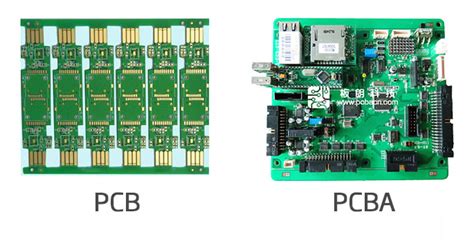
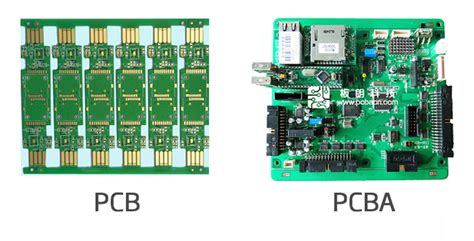
When embarking on the journey to select the right PCB and PCBA manufacturer, there are several critical components to keep in mind. Firstly, it’s essential to understand that Printed Circuit Boards (PCBs) and Printed Circuit Board Assemblies (PCBAs), while related, serve different functions in electronics manufacturing. The PCB serves as a base for mounting components, whereas the PCBA represents the completed assembly that integrates various electronic parts into a functioning circuit.
To make an informed decision, one must focus on several key factors. Quality should be your top priority; look for manufacturers who follow industry standards and possess certifications like ISO 9001. Additionally, consider cost implications—it’s often ideal to find a balance between quality and budget without compromising on critical aspects of your project.
Moreover, customer service plays an integral role in ensuring that communication remains seamless throughout the manufacturing process. A transparent relationship with your chosen partner can help clarify expectations and design specifications.
In evaluating potential partners, assessing their manufacturing capacity is crucial. Does their technology align with your project’s complexity? A table can be useful here to summarize key capabilities:
| Feature | Manufacturer A | Manufacturer B | Manufacturer C |
|---|---|---|---|
| Maximum Layer Count | 10 | 12 | 8 |
| Component Placement Accuracy | ±0.02mm | ±0.03mm | ±0.01mm |
| SMT Capability | YES | YES | NO |
| Turnaround Time | 5 Days | 10 Days | 7 Days |
Lastly, keep an eye on future trends affecting the pcb assembly industry. Technologies such as automated manufacturing processes and eco-friendly materials are shaping the landscape of production.
“Choosing the right partner for your PCBA needs can ultimately influence your product’s success.”
With these takeaways in mind, you’ll be well-prepared to identify a manufacturer that aligns with your specific requirements for optimal project outcomes.
Understanding PCB and PCBA: Definitions and Differences
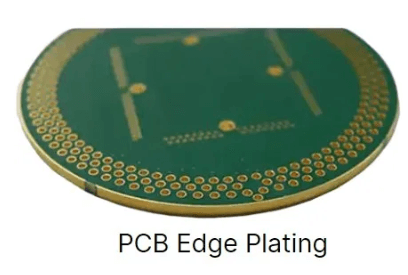
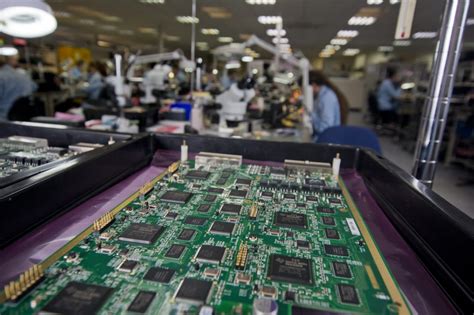
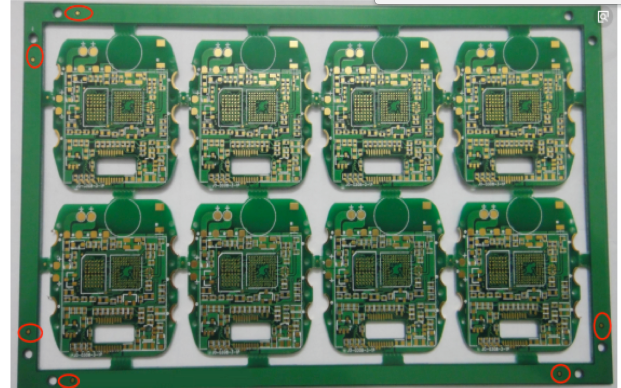
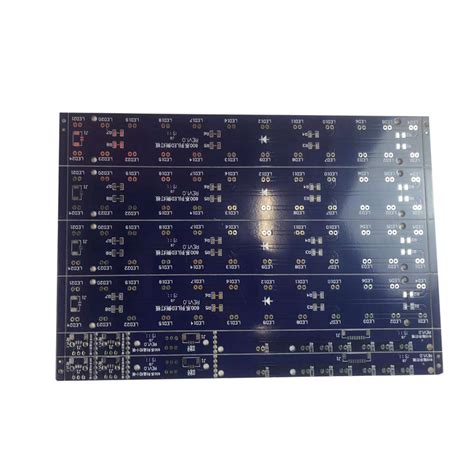
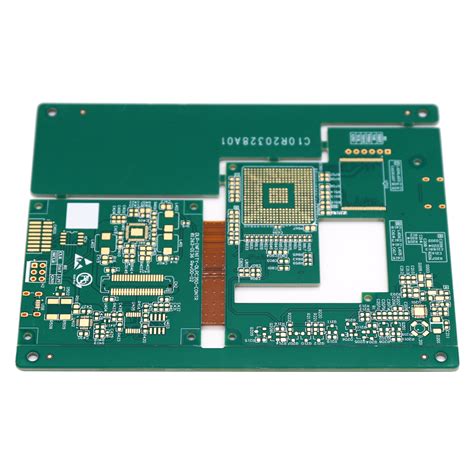
In the realm of electronics, the terms PCB (Printed Circuit Board) and PCBA (Printed Circuit Board Assembly) are frequently encountered, yet they represent distinct concepts. A PCB is the fundamental backbone of electronic devices, consisting of a flat board made from insulating materials that host conductive pathways, allowing electrical connections between various components. The primary purpose of a PCB is to support and connect electronic components mechanically and electrically, forming the foundation for any electronic device’s operation. On the other hand, PCBA refers to the process where components such as resistors, capacitors, and microchips are soldered onto the PCB to create a fully functional electronic assembly. This assembly not only includes the soldered components but may also encompass further steps like testing and integrating additional parts or enclosures.
Understanding this distinction is crucial when selecting a manufacturer for your needs. When seeking a pcb assembly partner, it’s important to evaluate their expertise not just in fabricating the boards but also in efficiently assembling these circuits into fully functional products. High-quality PCBA can exponentially affect your product’s performance, reliability, and overall market success. Hence, recognizing these definitions allows businesses to make informed choices about their manufacturing partnerships while ensuring that specific requirements align with the anticipated outcomes in project execution.
Key Factors to Consider When Choosing a Manufacturer
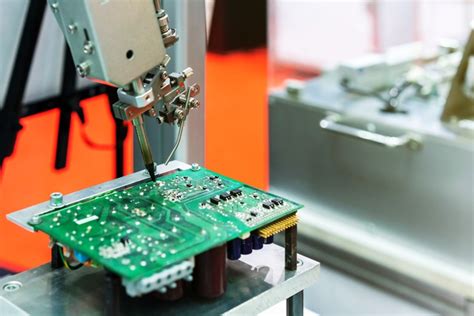
When selecting a PCB and PCBA manufacturer, several critical factors must be assessed to ensure you make the best choice for your project. Firstly, consider the quality standards of the manufacturer. Look for certifications such as ISO 9001, which indicate a commitment to quality management practices. Assessing the manufacturer’s past performance through customer reviews and case studies can provide insight into their reliability and track record in producing high-quality pcb assembly products. Equally important is the manufacturer’s ability to meet specific technical requirements, such as component placement accuracy and soldering techniques, which directly impact the overall performance of your pcba.
Another essential factor is cost considerations; it’s vital to find a balance between quality and budget constraints. A low-cost option may be tempting, but it could lead to increased expenses down the line if it sacrifices quality or requires rework. Thus, obtaining quotes from multiple manufacturers while ensuring they provide detailed breakdowns can help identify reasonable pricing without compromising quality.
Furthermore, don’t overlook the significance of customer service. A responsive customer service team can make a world of difference in addressing queries and solving issues that may arise during production. This aspect can help forge a strong partnership between you and your chosen manufacturer throughout the collaboration process. Lastly, evaluating their manufacturing capacity and technology will assure you that they can meet your volume requirements while maintaining efficiency throughout production cycles. By carefully weighing these considerations, you position yourself for success with an ideal PCB and PCBA manufacturing partner.
Evaluating Manufacturer Quality: What to Look For
When searching for the right PCB and PCBA manufacturer, it is crucial to evaluate the quality of their output. Start by examining their manufacturing certifications, such as ISO 9001, which demonstrates adherence to international quality standards. A good manufacturer should also showcase a history of reliability in pcb assembly and robust process controls to ensure consistency across their produced units. Additionally, request samples and conduct test runs before making larger commitments. This not only allows you to assess their workmanship but also helps gauge how well they can meet your specific project requirements.
Moreover, consider their technological capabilities; advanced machinery can significantly enhance manufacturing precision and efficiency. Check for investment in research and development as this often reflects a manufacturer’s commitment to staying updated with the latest trends in PCBA technology. Another important aspect is the feedback from previous clients. Look for reviews or testimonials that discuss quality, on-time delivery, and customer service levels of potential manufacturers. This holistic approach will empower you to make informed decisions that not only align with your budget but also ensure optimal quality in your end product.
Cost Considerations: Finding a Balance Between Quality and Budget
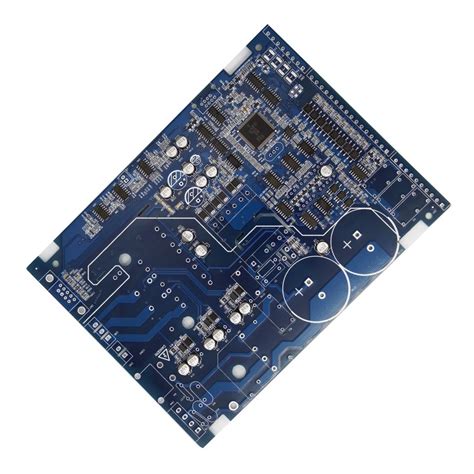
When navigating the landscape of pcb assembly and pcba manufacturing, one of the most critical aspects to deliberate upon is the cost versus quality equation. While it might be tempting to prioritize a lower price to fit within budget constraints, this approach can sometimes lead to compromised quality in pcba. The goal should be to identify a manufacturer who offers reasonable pricing without skimping on the essential quality that ensures the reliability and longevity of your product. Vendors who prioritize high-quality processes in their pcb assembly will often yield better long-term value, reducing the likelihood of defects and subsequent repairs or replacements. Thus, an upfront investment in a reputable manufacturer may save money over time and result in enhanced customer satisfaction, as well as improved performance of the final product. Consider conducting thorough market research and obtaining quotes from multiple manufacturers to find an optimal balance between cost efficiency and superior quality. Engaging with potential partners can also provide insights into their manufacturing processes and service levels, which play a significant role in determining overall value—not just price.
The Importance of Customer Service in PCB and PCBA Manufacturing
Effective customer service is a critical factor when selecting a PCB and PCBA manufacturer. In an industry where precision and quality are paramount, maintaining open lines of communication can greatly influence project outcomes. A responsive manufacturer who prioritizes customer service is more likely to address concerns promptly, provide essential updates during the manufacturing process, and assist in troubleshooting any issues that arise. This support is especially important for projects involving complex designs or tight deadlines. Additionally, understanding the unique needs of each client not only enhances satisfaction but also builds trust between the manufacturer and the client. When customers feel valued through attentive service, they are more inclined to have a fruitful partnership that ultimately leads to successful pcb assembly outcomes. Thus, evaluating potential manufacturers based on their service commitments can be just as important as assessing their technical capabilities or pricing models. Investing in a partnership with strong customer support will ensure that your specific requirements are met effectively, paving the way for optimal project success throughout the entire PCBA process.
Assessing Manufacturing Capacity and Technology
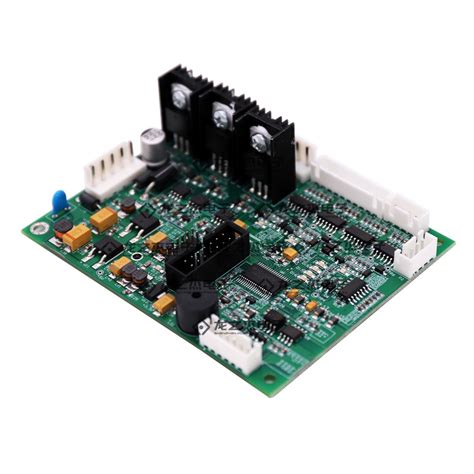
When evaluating potential PCB and PCBA manufacturers, one of the most crucial factors to consider is their manufacturing capacity and the technology they utilize. A manufacturer’s capacity refers to their ability to handle various production volumes, which can range from small batches for prototypes to large-scale production runs. It’s important to assess if the manufacturer can meet your specific demand, particularly if you anticipate fluctuating order sizes. Furthermore, the technology employed in pcb assembly plays a significant role in the quality and precision of the final products. Look for manufacturers that use state-of-the-art equipment, such as automated soldering machines or advanced testing tools, which contribute to superior PCB quality and performance stability. Additionally, inquire about their capabilities in handling complex designs or unique specifications you may have for your projects. By ensuring that a manufacturer has robust manufacturing capacity paired with cutting-edge technology, you can be more confident in their ability to deliver PCBA solutions that meet your expectations efficiently and effectively.
Case Studies: Successful Partnerships with PCB and PCBA Manufacturers
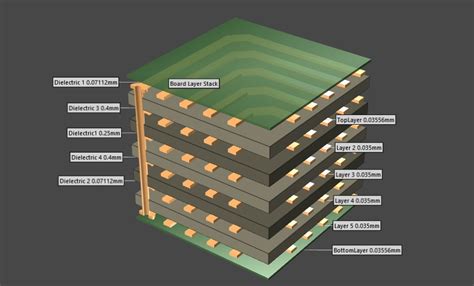
Examining real-world examples can significantly illuminate the importance of selecting the right PCB and PCBA manufacturer. For instance, a leading electronics company partnered with a manufacturer known for their cutting-edge technology and commitment to quality. This collaboration resulted in the development of a state-of-the-art medical device that required precision pcb assembly and timely delivery. The manufacturer’s robust processes ensured that every layer of the design met strict industry standards, which was crucial for regulatory compliance. Additionally, the partnership fostered effective communication channels, allowing for rapid prototyping and iterative feedback which ultimately reduced time-to-market.
Another noteworthy case involves a startup in the consumer electronics sector, which was initially overwhelmed by cost pressures when considering various pcba manufacturers. Through thorough research, they discovered a manufacturer offering competitive pricing without compromising on quality. By leveraging their advanced pcb assembly capabilities, the startup successfully launched their flagship product, establishing a strong market presence. This case underscores how strategic partnerships can lead to profitable outcomes while also fostering innovation and efficiency.
These examples illustrate that successful partnerships in the PCB and PCBA realm hinge on key factors such as quality assurance, cost management, and responsive customer service. By learning from these successful collaborations, businesses can make informed decisions when selecting their manufacturing partners to ensure optimal results for their projects.
Future Trends in PCB and PCBA Manufacturing: What to Anticipate
As technology continues to evolve at a rapid pace, the field of PCB and PCBA manufacturing is set to undergo significant transformations. One of the most notable trends is the increasing push towards automation and smart manufacturing, which is expected to enhance production efficiency while reducing human error. Manufacturers are investing in advanced machinery and software that allows for real-time monitoring and control of the pcb assembly process, leading to better quality assurance and faster turnaround times.
Moreover, with the growing demand for miniaturization in electronic devices, manufacturers will likely focus on developing PCBs that are thinner yet more robust. This will necessitate innovative materials and engineering techniques that can handle the complexities of smaller designs without compromising performance. In addition, sustainability is becoming a critical consideration, leading to the adoption of eco-friendly materials and processes. Companies are exploring ways to reduce waste and energy consumption throughout the pcba lifecycle, which aligns with global efforts toward environmental responsibility.
Another interesting trend is the rise of cloud-based solutions in project management and collaboration among PCB and PCBA manufacturers. These platforms facilitate seamless communication between teams across different locations, allowing for enhanced flexibility and responsiveness to market demands. As supply chains become more interdependent globally, being able to integrate various services efficiently will become crucial.
In summary, as we look ahead in PCB and PCBA manufacturing, it is clear that advancements in technology, sustainability efforts, miniaturization trends, and enhanced communication methods will all play vital roles in shaping the future landscape of this industry. Being aware of these trends will empower businesses to make informed decisions when choosing their manufacturing partners for successful project outcomes.
Conclusion
In conclusion, selecting the right PCB and PCBA manufacturer is pivotal for the success of your project. By focusing on essential factors such as quality, cost, and customer service, you can make an informed choice that aligns with your specific needs. The relationship with your manufacturer is not just transactional; it should be viewed as a partnership that fosters communication and collaboration. When assessing potential partners, remember to consider their capabilities in pcb assembly, as well as their technological advancements and manufacturing capacity. A reliable manufacturer will not only provide products that meet industry standards but also support your project throughout its lifecycle, from prototype to mass production. Emphasizing these factors will help ensure that your choice leads to a fruitful collaboration, enabling you to achieve optimal results in your endeavor while keeping your budget in check.
FAQs
What is the difference between PCB and PCBA?
The terms PCB (Printed Circuit Board) and PCBA (Printed Circuit Board Assembly) are often used interchangeably but refer to different stages of the electronic manufacturing process. A PCB is the bare board that creates the physical platform for electronic components, while a PCBA includes the completed assembly of electronic components soldered onto the bare PCB. Understanding these differences is crucial for selecting the right manufacturer for your project.
How do I choose a reliable PCB and PCBA manufacturer?
When choosing a manufacturer, consider critical factors such as quality assurance, manufacturing capacity, customer service, and cost. It’s vital to assess each potential partner’s experience and reputation in handling pcb assembly projects to ensure your specifications are met effectively.
What should I look for in terms of quality?
Quality can be determined by several indicators, including certifications (such as ISO 9001), brand reputation, customer reviews, and testing capabilities. A reliable manufacturer should perform thorough testing on their PCBA processes to guarantee that their products meet industry standards.
Are there significant cost differences between manufacturers?
Yes, costs may vary considerably based on factors such as materials used, production volume, and technological capabilities. It’s essential to find a balance between quality and budget while selecting a manufacturer specializing in pcb assembly, ensuring that you receive good value without compromising on quality.
How important is customer service in PCB manufacturing?
Customer service plays a pivotal role in your manufacturing experience. A responsive and knowledgeable support team can help address your inquiries throughout the entire process. Building a relationship with your PCB and PCBA manufacturer can significantly enhance project efficiency.