Choosing the Right PCB Producer for Your Projects
Key Takeaways
When considering your options for PCB manufacturing, it’s essential to grasp the intricacies involved in choosing the right PCB manufacturer. Start by familiarizing yourself with the key terminology and concepts of PCB production. This foundational knowledge will inform your evaluation of PCB manufacturing companies, ensuring that you recognize what constitutes high-quality circuits. Pay particular attention to aspects such as substrate materials, layer count, and finish types, which all contribute to the final product’s reliability.
Moreover, it is crucial to conduct a thorough analysis of pcb manufacturing cost in relation to your budget and project requirements. Remember that while a low-cost option may seem attractive initially, it could compromise quality and lead to additional expenses down the road. To aid in decision-making, compile a comparison table of potential manufacturers, evaluating criteria such as quality ratings, turnaround time, and customer service. Prioritizing service and support can be a game-changer; strong customer relations with producers can lead you to favorable solutions when challenges arise.
By utilizing these insights into pcb manufacturing strategies and understanding how different facets of the pcb manufacturing business operate, you will be better placed to make informed decisions that benefit both hobbyist endeavors and professional projects alike. For further insights into commercial-grade options in this field, you may explore more at Andwin PCB.
Understanding PCB Production: Key Terminology and Concepts
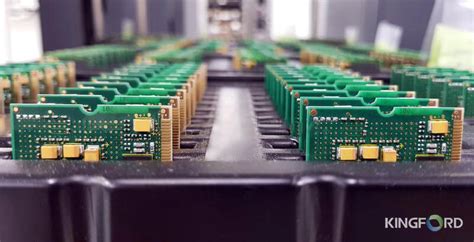
When delving into PCB manufacturing, it’s essential to familiarize yourself with key terminology and concepts that serve as the foundation of the industry. At its core, a Printed Circuit Board (PCB) is a platform that allows electrical components to connect and communicate. To understand this process, you should grasp various terms such as substrate, which refers to the base material that supports the PCB, usually made of fiberglass or other laminate materials. Another critical concept is layer count, which indicates how many layers of circuitry a PCB has; this can significantly impact both performance and PCB manufacturing cost. It’s also important to discuss design files—the blueprints of your PCB layout—typically created using specialized software that helps define the placement of components and trace routes. Furthermore, when exploring different PCB manufacturing companies, understanding terms like through-hole and surface mount technology (SMT) is vital as they describe methods for attaching components to the board. Each method has its benefits and applications, influencing not only functionality but also production costs. By comprehending these fundamental concepts, you will better navigate the complexities of selecting a manufacturer for your pcb manufacturing business needs, ultimately leading to informed choices that enhance your project outcomes.
Evaluating PCB Quality: What to Look For
When selecting a PCB producer, understanding the quality of the products they offer is crucial. The first aspect to consider is the material used in PCB manufacturing, as high-quality materials enhance durability and performance. Look for pcb manufacturing companies that provide boards made from reputable materials, such as FR-4 glass epoxy, which offers stability and good insulating properties. Additionally, you should evaluate the manufacturers’ quality control processes. This includes checking if they adhere to industry standards, like IPC (Institute of Printed Circuits) guidelines, which set benchmarks for pcb manufacturing quality. Another important factor is the precision of their production techniques; a reliable producer will employ advanced technologies such as automated optical inspection (AOI) to ensure every board meets specified tolerances. Furthermore, consider the manufacturer’s track record with past clients; reviews and case studies can offer valuable insights into their consistency and reliability in delivering high-quality products. Lastly, keep in mind that quality comes at a cost—while it’s essential to stay within your budget when assessing pcb manufacturing cost, investing in superior quality may save you from future failures and repairs. By examining these aspects closely, you will be better positioned to choose a pcb manufacturing business that meets your specific project requirements effectively.
Cost Considerations: Finding the Right Price Point
Selecting the right PCB producer involves more than just comparing prices; it requires a nuanced understanding of PCB manufacturing cost and what influences these prices. While you may be tempted to choose the lowest bid, it’s essential to recognize that quality often has a direct correlation with cost. For instance, lower-priced options may cut corners on materials or manufacturing processes, ultimately affecting the performance and durability of your project. When evaluating PCB manufacturing companies, consider what services are included in the price; for example, rapid prototyping or customer support can significantly impact your overall experience.
It’s also important to factor in the long-term benefits versus initial costs. Investing in a reliable PCB manufacturing business may result in fewer defects and faster turnaround times, which can save you money in the long run. To gain a comprehensive understanding of pricing structures, obtain quotes from several manufacturers and ensure you’re comparing similar services and quality levels.
"Don’t just look at the price tag; consider what you’re getting for your investment."
This approach will help ensure that you select a PCB producer who not only meets your budgetary requirements but also aligns with your quality needs and project goals. Remember that transparent communication with potential manufacturers can provide insights into their cost structures, helping demystify any hidden fees related to design changes or expedited services. By taking these factors into account, you’ll be better positioned to make an informed choice that balances cost with quality and service.
Service and Support: The Importance of Customer Relations
When engaging with pcb manufacturing companies, service and support play a crucial role in ensuring your projects’ success. Strong customer relations can significantly enhance your experience, whether you are a hobbyist or a professional. You should look for pcb manufacturers that provide comprehensive support options, such as responsive customer service, technical assistance, and efficient communication channels. This helps you resolve issues quickly and obtain the necessary guidance throughout the pcb manufacturing business process. In many cases, the quality of service can impact the overall pcb manufacturing cost by minimizing unforeseen delays and preventing costly mistakes in design or production. By prioritizing manufacturers that emphasize robust client relationships, you can enhance your project outcomes and foster long-term partnerships that are mutually beneficial. Investing time in assessing these factors will empower you to make informed decisions, ultimately steering your projects toward success in an ever-evolving industry.
Comparing PCB Manufacturers: A Review of Popular Options
When you embark on a project that involves PCB manufacturing, selecting the right PCB manufacturing companies can greatly influence the outcome of your work. It’s essential to compare a wide range of manufacturers to find those that meet your specific needs. Look for pcb manufacturers that offer detailed insights into their production processes, quality controls, and previous projects. Pay attention to customer reviews and case studies to get a sense of their reliability and service quality. Consider the pcb manufacturing cost, as this can vary significantly between suppliers. Some companies may provide lower prices but at the expense of quality or timely delivery, which can be detrimental to your project timelines. Focus on those that balance cost with superior service and high-quality output. Additionally, engaging in conversations with representatives can help gauge their expertise in handling unique specifications or intricate designs you might require. Ultimately, your choice among these various options in the pcb manufacturing business should be based on a combination of cost, quality assurance, and the level of support provided throughout the production process.
Case Studies: Success Stories from Hobbyists
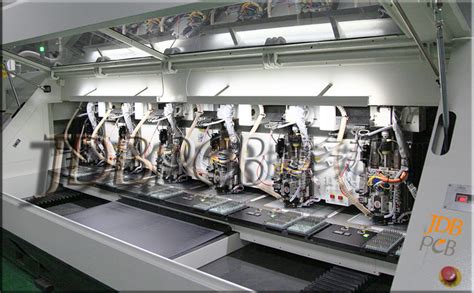
In the realm of PCB manufacturing, various hobbyists have transformed their innovative ideas into successful projects by partnering with the right PCB manufacturing companies. One well-known case involves a group of electronics enthusiasts who sought to create a custom drone. By selecting a manufacturer that prioritized quality and offered competitive pcb manufacturing cost, they successfully developed a lightweight, durable PCB that enhanced the drone’s overall performance. Their experience highlights the importance of choosing the right producer, as they not only received a product that met their specifications but also gained invaluable insights from their supplier throughout the design process. Another stirring example comes from a software engineer who ventured into hardware by designing an IoT device. Through meticulous research, they found a pcb manufacturing business that catered to small-batch runs, allowing them to prototype without facing prohibitive expenses associated with larger-scale productions. This decision was pivotal, as it enabled rapid iterations and essential adjustments based on user feedback. These stories showcase how careful selection of PCB manufacturing partners influences not only project outcomes but also fosters creativity and innovation in electronics development.
Common Challenges in PCB Production and How to Overcome Them
When engaging in PCB manufacturing, you may encounter a variety of challenges that could impact the success of your projects. One prevalent issue is ensuring consistent quality across the boards you order. Variability in materials and processes can lead to defects, which may compromise functionality. To mitigate this, you should carefully assess pcb manufacturing companies based on their quality assurance practices. Look for manufacturers that utilize advanced technology and adhere to recognized industry standards, as these factors can greatly influence the overall reliability of your printed circuit boards.
Another common hurdle is managing the pcb manufacturing cost while trying to meet your project’s specifications. Often, budget constraints can lead you to select a lower-cost provider, which may not always result in the best value since cheaper options can sometimes compromise quality and service. It is essential to strike a balance; thorough research and obtaining quotes from multiple manufacturers will help you find a solution that fits both your financial budget and quality expectations.
Additionally, communication during the production phase can be a significant challenge. Building a strong relationship with your chosen pcb manufacturing business is crucial for quick resolutions should any issues arise during production. Ensure that your manufacturer has established channels for feedback and updates throughout the process, which promotes transparency and helps align their outputs with your specific needs.
Overall, while challenges in PCB production are common, they are manageable with diligence and careful planning. By focusing on quality assurance, cost efficiency, and effective communication with manufacturers, you can enhance the success of your PCB projects.
Future Trends in PCB Manufacturing and Design
As you venture into the realm of PCB manufacturing, staying ahead of the curve is essential for your projects. The industry is experiencing several transformative trends that can significantly elevate both performance and efficiency. One major trend is the advancement in materials used in PCB fabrication. Manufacturers are exploring innovative materials that offer improved thermal conductivity, reduced weight, and enhanced electrical performance, which can directly influence your PCB manufacturing costs.
Moreover, sustainability is becoming an essential focus in the PCB manufacturing business, leading many companies to adopt eco-friendly practices. This includes using recyclable materials and minimizing waste during production, which not only benefits the environment but can also appeal to your clients who value green initiatives.
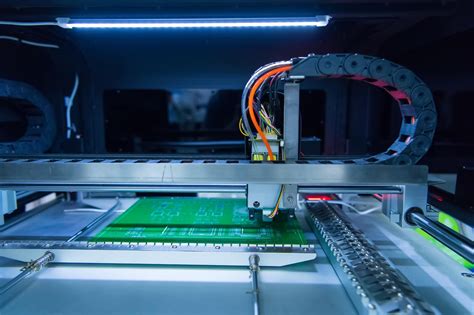
Furthermore, automation and smart manufacturing processes are on the rise within PCB manufacturing companies. These practices enhance precision, reduce lead times, and lower costs while maintaining quality standards. Leveraging tools such as AI and machine learning can help streamline operations, making it easier for you to meet tight deadlines without compromising on quality.
As you evaluate potential manufacturers for your projects, consider how they are adapting to these trends. The ability to offer advanced solutions or sustainable practices could set a producer apart from competitors, ensuring you receive both cutting-edge technology and a reliable partner for future endeavors. Understanding these dynamics will aid you in making informed decisions that align with your project’s goals while keeping an eye on emerging technologies reshaping the PCB landscape.
Conclusion
Choosing the right PCB producer is crucial for the success of your projects. You should consider various factors such as pcb manufacturing technologies, reliability, and their level of customer support. It’s essential to evaluate the pcb manufacturing cost without compromising on quality; high costs do not always guarantee superior products. When exploring different pcb manufacturing companies, take the time to assess their reputation through reviews and customer testimonials. Engaging with a reliable pcb manufacturing business can ensure that you receive the necessary support throughout your project. Remember, effective communication with your chosen manufacturer is key to overcoming potential challenges and achieving your project’s objectives efficiently. By applying this insight, you will be better equipped to make an informed decision that aligns with your project’s specific needs and goals.
FAQs
What factors should I consider when choosing a PCB manufacturer?
When selecting a PCB manufacturer, you should evaluate quality, cost, and service. Look for manufacturers known for their attention to detail and high standards in pcb manufacturing. Assess their capability to meet your specific requirements, including material choices and board complexity.
How do I determine the average pcb manufacturing cost?
To gain insights into the average pcb manufacturing cost, you can request quotes from several pcb manufacturing companies. Consider factors such as the number of layers, materials used, and production volume. This can help you find a competitive price while ensuring quality.
What is the importance of customer service in the PCB manufacturing business?
Good customer support is crucial in the pcb manufacturing business, as it influences communication and project efficiency. An attentive manufacturer can address your inquiries promptly and assist you throughout the production process, ensuring smoother project completion.
Can I find success stories from others in the PCB industry?
Yes, many hobbyists and professionals share their experiences with different pcb manufacturing companies. These case studies can provide valuable insights into what to expect and how to navigate common challenges during production.
For more information on selecting the right manufacturer for your projects, please click here.