Comprehensive Guide to PCB Manufacturing Services Explained
Key Takeaways
In the realm of pcb manufacturing, understanding the essential aspects can significantly impact the quality of your final product. Each stage of the pcb manufacturing process plays a crucial role, from selecting suitable materials to implementing effective design considerations. You might observe that different pcb manufacturing companies offer varying levels of service and expertise, affecting not only the quality but also the pcb manufacturing cost. When venturing into this field, whether for prototyping or full-scale production, it’s vital to grasp the nuances that define successful outcomes. A well-chosen partner in the pcb manufacturing business can help streamline your projects, ensuring that both prototypes and final outputs meet your stringent requirements.
“Choose wisely when selecting a pcb manufacturer; it can make all the difference in achieving your project goals.”
By keeping these key takeaways in mind, you can better navigate the complexities of PCB production and contribute to achieving top-notch results tailored to your needs.
Introduction to PCB Manufacturing Services
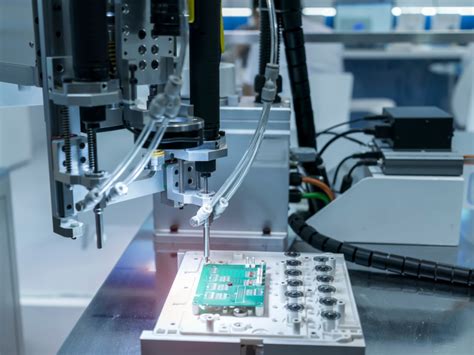
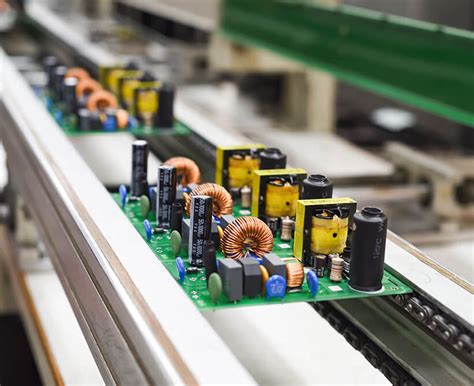
In today’s technologically advanced landscape, the importance of PCB manufacturing cannot be overstated. You may be unaware, but these circuits serve as the backbone of nearly all electronic devices, making your understanding of PCB manufacturing services essential. When you’re considering a project, knowing how PCB manufacturing companies operate can greatly influence the outcome of your final product. The PCB manufacturing process involves several steps, including design, fabrication, assembly, and testing. Each phase plays a crucial role in ensuring that your prototype or final product meets your specifications and functional requirements.
To grasp the intricacies of PCB manufacturing, you should familiarize yourself with the various materials used in production. Common materials like copper, FR-4 laminates, and solder masks contribute significantly to performance and durability. The cost associated with PCB manufacturing can vary based on factors such as design complexity and quantity produced; thus, it’s vital to research different PCB manufacturing companies to find one that aligns with your budgetary constraints.
Here’s a simple table to help you understand some key factors influencing PCB manufacturing costs:
| Factor | Description |
|---|---|
| Design Complexity | More intricate designs often lead to higher costs |
| Volume | Larger production runs may reduce per-unit cost |
| Prototype vs. Production | Prototyping usually costs more due to lower quantities |
| Material Selection | Premium materials can increase overall expenses |
By understanding these elements within the realm of PCB manufacturing, you empower yourself to make informed choices that cater directly to your project’s needs and specifications. This foundational knowledge will enable better collaboration with manufacturers and ultimately lead to higher quality outcomes that align with both functionality and cost-effectiveness.
Key Processes in PCB Manufacturing
Understanding the key processes in PCB manufacturing is essential for those involved in electronics design and production. The journey begins with designing the PCB layout, which must be meticulously crafted to ensure functionality and reliability. Once your layout is approved, the next step is printing the circuit design onto a substrate using methods like photolithography. This process requires precision to maintain the integrity of your design. Following this, it’s time for etching, where unwanted copper is removed, creating the necessary circuit pathways. The plating process then adds a layer of copper and ensures that all connections are strong and secure.
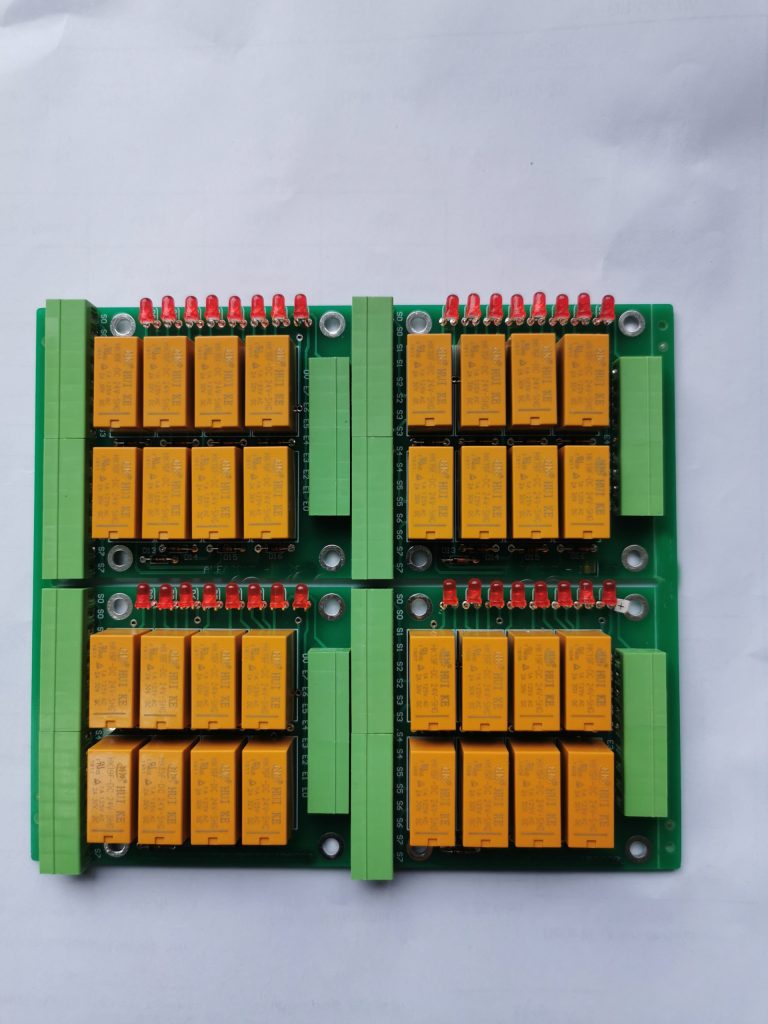
After these initial steps, you move into solder mask application, which protects the traces from oxidation and prevents solder from bridging between conductors. You’ll also need to consider silkscreen printing for labeling purposes. Finally, your PCB undergoes final assembly, where components are mounted on the board through methods such as surface mount technology (SMT) or through-hole techniques. Each phase of this process impacts both the quality and cost of your PCB manufacturing endeavor, emphasizing why selecting experienced PCB manufacturing companies is crucial for ensuring that you receive high-quality products that meet your specifications.
In addition to this knowledge about processes, it’s important to keep track of how these factors contribute to overall PCB manufacturing costs and how they align with your budgetary constraints in any PCB manufacturing business you may pursue. By understanding these processes thoroughly, you can make informed decisions that will lead to successful project outcomes.
Materials Used in PCB Production
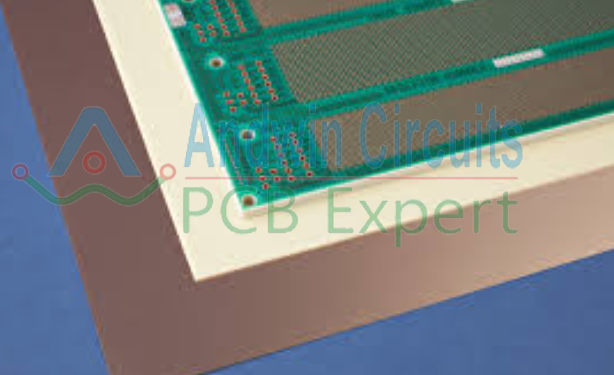
When delving into pcb manufacturing, understanding the materials involved is crucial for achieving optimal outcomes. Various substances create the foundation of PCBs, with fiberglass and epoxy being among the most prevalent for substrates. These materials are favored due to their excellent electrical insulation properties and thermal stability, essential for reliable performance. Additionally, copper is widely used for conductive traces, playing a pivotal role in the electrical pathways of your PCB design. In some cases, you might encounter advanced materials like polyimide or PTFE, which offer unique benefits such as flexibility or high-frequency performance, making them popular choices among specialized pcb manufacturing companies.
Cost considerations are also vital; the choice of materials directly impacts the overall pcb manufacturing cost. Using a combination of high-quality materials can enhance performance but may increase expenses. It’s beneficial to weigh these costs against project requirements and long-term durability needs, particularly in applications where performance is critical. Engaging with your chosen pcb manufacturing business early in the design process allows you to discuss material options that align with your budget while meeting technical specifications. By selecting appropriate materials and working closely with manufacturers, you can create high-quality prototypes that will lead to successful final products tailored to your specific project demands.
Design Considerations for Effective PCBs
When it comes to designing effective PCBs, several critical factors come into play that can significantly influence the pcb manufacturing process and the overall success of your electronic product. You must first consider the design’s functionality, ensuring that your PCB layout supports your project’s specifications while maintaining electrical performance. Attention to trace width and spacing is vital; narrower traces can save space but may impact current-carrying capacity and heat dissipation. It’s advisable to utilize design software that follows design rules to prevent potential errors easily overlooked during manual drafting.
Another essential consideration is the choice of materials, which can vary among different pcb manufacturing companies. Selecting high-quality substrate materials not only impacts manufacturing costs but also the PCB’s durability and performance under various operating conditions. You should also take into account factors like environmental resilience and thermal management, especially if your product will operate in extreme conditions.
Moreover, you need to plan for the pcb manufacturing cost by balancing performance with budget constraints. This involves assessing component selection and layout density; while advanced components may enhance functionality, they often incur higher production costs. Furthermore, designing for manufacturability is crucial—creating a PCB that is easy to assemble and test can help lower both time-to-market and overall production expenses.
Lastly, always be prepared for iterations during the design process. Early prototyping can provide insights into any potential issues that may arise in scaling up from prototypes to full-scale production. Engaging with your pcb manufacturing business early on allows you to address these considerations effectively, leading to a smoother journey from concept to finished product. By prioritizing these design considerations, you set a strong foundation for creating reliable PCBs that meet both functional requirements and budgetary constraints effectively.
Quality Assurance in PCB Manufacturing
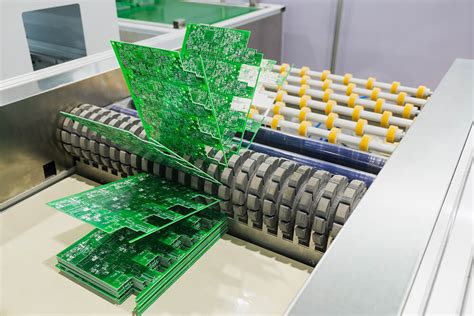
Quality assurance in PCB manufacturing is a critical aspect that ensures the reliability and functionality of your final product. When working with PCB manufacturing companies, it is essential to understand the various quality control measures they employ throughout the production process. These measures typically begin with rigorous testing of raw materials to ensure they meet industry standards. This includes inspections for durability, conductivity, and thermal resistance, as any deficiencies can lead to significant issues in your design.
During production, many companies implement a series of consistent inspections at multiple stages. For instance, monitoring the pcb manufacturing cost often incorporates checks for defects such as soldering issues or misalignment, which can adversely affect performance. Furthermore, adhering to international standards like IPC and ISO certifications can significantly enhance the credibility of a pcb manufacturing business.
You should also expect thorough testing methodologies post-manufacturing. This is where final products undergo functionality tests such as electrical performance evaluation and thermal imaging to identify potential failures before delivery. These measures not only assure you of high-quality prototypes but also guarantee long-term reliability for mass-produced units. Investing in quality assurance processes with your chosen PCB manufacturing partner not only helps prevent costly mistakes but also enhances the overall success of your projects by providing you with products that meet rigorous standards for quality and performance.
Prototyping vs. Production: Understanding the Differences
When navigating the world of pcb manufacturing, it’s crucial to distinguish between prototyping and production phases, as they serve different purposes and involve varying strategies. During the prototyping stage, the focus is typically on creating a small number of units that prioritize testing and validation of design concepts. You may find that pcb manufacturing companies often have specific services tailored for this phase, such as rapid prototyping to expedite your design iterations and optimize performance. In contrast, the production phase shifts toward mass production where consistency, scalability, and cost-effectiveness become key considerations. Here, understanding pcb manufacturing cost comes into play as you’ll need to assess how volume impacts pricing strategies. Additionally, the technologies and materials used may differ significantly between these two stages; prototypes may utilize advanced techniques that aren’t as cost-effective for larger runs. By comprehending these distinctions, you can make informed decisions tailored to your project’s requirements, whether you’re in the initial prototype phase or gearing up for full-scale production in your pcb manufacturing business.
Tips for Choosing the Right PCB Manufacturer
Selecting the right PCB manufacturer is crucial for ensuring that your project requirements are met without compromise. To begin with, research various PCB manufacturing companies to gauge their expertise and industry reputation. Look for companies that specialize in your specific needs, whether that’s prototype development or mass production. It’s also important to compare pcb manufacturing costs across multiple manufacturers, keeping in mind that the cheapest option may not always deliver the highest quality or meet your standards. You should prioritize manufacturers who use modern technologies and equipment, as this often correlates with better quality control and innovation in the pcb manufacturing business. Pay attention to their capabilities for handling complex designs and varying material requirements; this is particularly vital if your project involves advanced technology applications. Don’t hesitate to ask for samples of their previous work or certifications in quality assurance processes, as these will bolster your confidence in their skill set and reliability. Lastly, consider customer service and support; a manufacturer who is attentive to your needs and communicates effectively can make a significant difference during the production process.
Future Trends in PCB Manufacturing Services
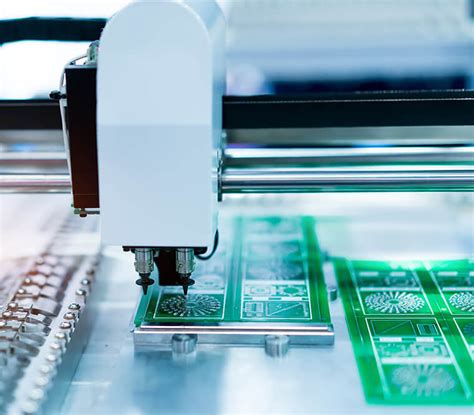
As you delve into the world of PCB manufacturing, it’s essential to stay informed about emerging trends that can impact your projects. One significant shift is the increasing demand for flexible printed circuit boards (FPCBs), driven by the rise of compact and portable electronic devices. Manufacturers are adapting their processes to accommodate these intricate designs, ensuring they meet your specifications while maintaining efficiency. Another trend includes advancements in automation and artificial intelligence within PCB manufacturing companies, enhancing precision and reducing production times. As a result, managing overall pcb manufacturing costs can become more predictable for projects of varying scales. Moreover, there is a growing emphasis on environmentally-friendly materials and processes in the pcb manufacturing business, appealing to a market increasingly conscious of sustainability. These trends not only allow you to create more innovative products but also enhance the overall quality and reliability of your circuits. By keeping an eye on these developments, you can position your projects for success in an evolving technological landscape.
Conclusion
In summary, understanding PCB manufacturing is crucial for anyone involved in electronic design or production. As you explore the myriad aspects of pcb manufacturing services, it becomes evident that the choice of pcb manufacturing companies can significantly influence both the performance and reliability of your final product. By recognizing the implications of pcb manufacturing cost, you can make informed decisions that align with your project budget while ensuring quality. Whether you’re venturing into a pcb manufacturing business or just need a one-off prototype, remember that quality assurance and proper materials are key components that cannot be overlooked. Your insights into these factors will ultimately guide you to successful outcomes in your electronic endeavors.
FAQs
What are PCB manufacturing services?
PCB manufacturing services involve the design and production of printed circuit boards (PCBs), which are essential components in electronic devices. They are provided by specialized PCB manufacturing companies that utilize various materials and processes to create effective circuit boards tailored to specific project requirements.
What factors influence PCB manufacturing cost?
The pcb manufacturing cost can vary based on factors such as material selection, board complexity, size, quantity, and desired features like surface finish or special treatments. Understanding these elements can help you estimate costs effectively.
How do I choose the right PCB manufacturer?
When selecting a pcb manufacturing business, consider their experience, production capabilities, quality assurance practices, and customer reviews. It’s essential to find a PCB manufacturer that aligns with your specific needs and project deadlines.
What is the difference between prototyping and production in PCB manufacturing?
Prototyping refers to the initial phase of creating samples for testing purposes, while production involves large-scale manufacturing based on tested designs. Understanding this difference helps in planning your pcb manufacturing strategy efficiently.
For more detailed information on how you can streamline your PCB projects with reliable services, please click here: Comprehensive PCB Manufacturing Services.