Copper Metal Core PCB: A Game-Changer in Electronic Manufacturing
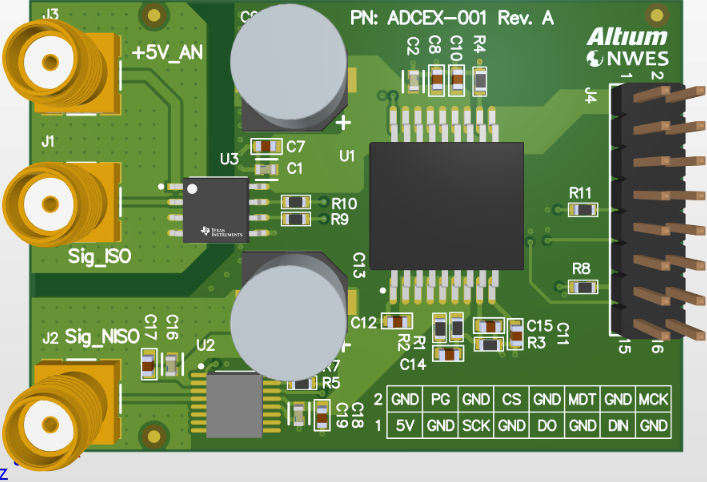
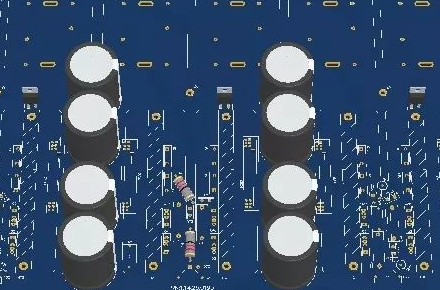
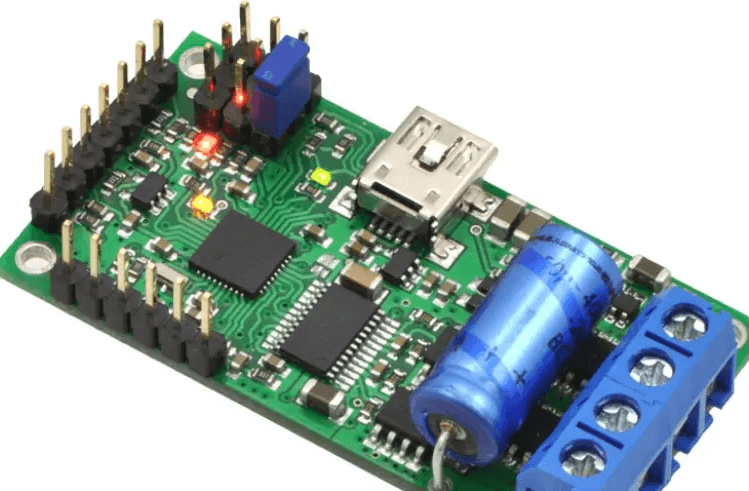
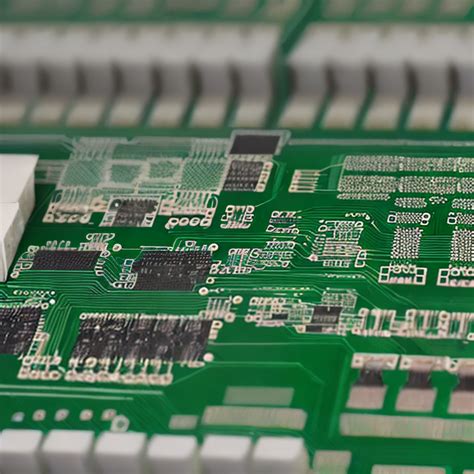
Printed Circuit Boards (PCBs) are the backbone of modern electronics. They provide a
platform for electronic components to connect and communicate with each other. PCBs come in
different types, but one type that has gained popularity in recent years is the Copper
Metal Core PCB.
Copper Metal Core PCBs, also known as MCPCBs, are PCBs that have a metal core, usually made
of aluminum or copper, instead of the traditional fiberglass or epoxy resin core. The metal
core serves as a heat sink, dissipating heat away from the electronic components and
preventing them from overheating.
Why Use Copper Metal Core PCBs?
The use of Copper Metal Core PCBs offers several advantages over traditional PCBs,
especially in applications that require high power and high thermal dissipation. Here are
some of the benefits of using Copper Metal Core PCBs:
1. Better Heat Dissipation
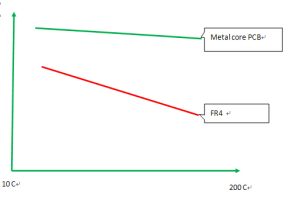
Heat is a major concern in electronic circuits, especially in high-power applications. When
electronic components generate heat, it can cause them to malfunction or even fail. Copper
Metal Core PCBs provide an effective solution to this problem by providing a metal core
that acts as a heat sink. The metal core absorbs and dissipates heat away from the
electronic components, keeping them cool and preventing them from overheating.
2. Higher Power Density
Copper Metal Core PCBs can handle higher power densities than traditional PCBs. The metal
core provides a more efficient path for heat dissipation, allowing electronic components to
operate at higher power levels without overheating. This makes Copper Metal Core PCBs ideal
for high-power applications such as LED lighting, power supplies, and motor control.
3. Improved Reliability
Copper Metal Core PCBs offer improved reliability compared to traditional PCBs. The metal
core provides a stable and robust platform for electronic components, reducing the risk of
mechanical failure. Additionally, the metal core provides a shield against electromagnetic
interference (EMI) and radio frequency interference (RFI), improving the overall
performance of the electronic circuit.
4. Cost-Effective
Despite their many benefits, Copper Metal Core PCBs are cost-effective compared to other
high-performance PCBs. The use of a metal core reduces the need for additional heat sinks
or cooling systems, reducing the overall cost of the electronic circuit.
Applications of Copper Metal Core PCBs
Copper Metal Core PCBs are widely used in various applications, including:
1. LED Lighting
LED lighting requires high-power and high-thermal dissipation. Copper Metal Core PCBs
provide an ideal platform for LED lighting, ensuring that the LEDs operate at optimal
temperatures and reducing the risk of failure.
2. Power Supplies
Power supplies require high-power and high-reliability. Copper Metal Core PCBs provide an
efficient platform for power supplies, ensuring that they operate at optimal temperatures
and reducing the risk of failure.
3. Motor Control
Motor control requires high-power and high-reliability. Copper Metal Core PCBs provide an
efficient platform for motor control, ensuring that the electronic components operate at
optimal temperatures and reducing the risk of failure.
Conclusion
Copper Metal Core PCBs are a game-changer in electronic manufacturing. They offer several
advantages over traditional PCBs, including better heat dissipation, higher power density,
improved reliability, and cost-effectiveness. Copper Metal Core PCBs are widely used in
various applications, including LED lighting, power supplies, and motor control. As the
demand for high-performance electronic circuits continues to grow, Copper Metal Core PCBs
will become an increasingly important technology in the electronics industry.