Crafting Precision: The Innovator’s Guide to Custom Flex PCB Design
Key Takeaways
Understanding the nuances of custom flex PCB design can significantly enhance your ability to develop high-performance solutions for various applications. This guide provides a thorough exploration into material selection, critical design considerations, and practical troubleshooting techniques. By leveraging insights from the pcb manufacturing sector, you can optimize your designs to meet specific industry needs, ranging from industrial sensors to consumer electronics. Additionally, being aware of the costs involved, including the pcb manufacturing cost, ensures you manage projects efficiently without compromising on quality. Partnering with reliable pcb manufacturing companies is crucial for translating intricate designs into functional, durable products. Moreover, staying updated with advancements in pcb manufacturing business practices enables you to maintain a competitive edge while pushing the boundaries of innovation. Whether refining existing projects or embarking on new ventures, this guide equips you with the essential knowledge to excel in the ever-evolving field of flex PCB technology.
Introduction to Custom Flex PCB Design
In the realm of pcb manufacturing, custom flex PCBs have emerged as a pivotal innovation, addressing the growing need for compact, durable, and reliable circuit solutions. As you embark on designing a custom flexible printed circuit board, it’s essential to understand both the potential and the challenges that come with this technology. Custom flex PCBs are engineered to provide versatility in electronic designs, allowing you to create solutions that are not confined by rigid circuit board layouts. PCB manufacturing companies have been at the forefront of this innovation, leveraging advanced materials and techniques to lower pcb manufacturing cost while enhancing performance.
When you venture into the intricacies of custom flex PCB design, you’re met with a broad spectrum of decision-making points—from selecting the right substrates and conductors to managing flexibility without compromising functionality. The rise of pcb manufacturing business models that specialize in custom solutions has significantly expanded your options in terms of material choices and design flexibility. Whether your project demands miniaturization for consumer electronics or robustness for industrial applications, understanding the fundamental principles of flex PCB design is crucial.
Through meticulous planning and thoughtful design considerations, you can optimize your custom flex PCBs to meet specific application requirements. This guide aims to provide you with comprehensive insights into crafting precision-driven designs that align with modern technological demands. From understanding material properties to mastering layout techniques, this guide equips you with the knowledge needed to excel in the dynamic field of flex PCB innovation.
Choosing the Right Materials for Flex PCBs
Selecting the appropriate materials for your custom flex PCB is fundamental to ensuring optimal performance and reliability. Flex PCBs rely on materials that provide flexibility and durability, making them suitable for dynamic and constrained environments. Typically, you’ll find that polyimide films coupled with copper foils are preferred due to their excellent thermal stability, chemical resistance, and mechanical properties.
When considering the pcb manufacturing cost, it’s vital to balance quality with budget. High-grade materials often incur higher costs but offer superior longevity and performance. Discussing your material choices with pcb manufacturing companies can provide insights into cost-effective alternatives without compromising on quality.
“Choosing the right material can make or break your flex PCB project. Always consult with experienced professionals to ensure you select the best fit for your specific application needs.”
Moreover, understanding the end application’s environmental stressors—such as temperature fluctuations, humidity levels, and potential chemical exposure—is crucial in material selection. Certain applications might require additional protective coatings or laminates to ensure reliable operation over extended periods.
Involving a reputable pcb manufacturing business early in your design process can streamline material selection and optimize production outcomes. They can offer valuable recommendations tailored to your project’s specific requirements, ensuring that the final product meets all necessary specifications and regulatory standards.
For more detailed guidance on choosing materials for flex PCBs, consider consulting resources from leading industry experts. For instance, Andwin PCB offers comprehensive insights and support throughout the design and manufacturing stages. You can find more information on their insights here.
By carefully considering these factors, you’ll be well-equipped to select materials that enhance the performance and reliability of your custom flex PCBs, ultimately achieving greater success in your projects.
Essential Design Considerations for Flex PCBs
Designing flex PCBs requires a comprehensive understanding of the unique demands these components face. You’ll need to consider the mechanical flexibility of the board, material selection, and environmental factors. Choosing the right materials for flex PCB manufacturing is paramount; options like polyimide and polyester offer varying degrees of flexibility and thermal tolerance. Ensure you account for the bending radius and creasing of the PCB to avoid fractures or performance degradation over time. Additionally, factor in the pcb manufacturing cost, as high-grade materials can significantly impact your budget.
When sketching your PCB layout, pay attention to trace routing and spacing. Uniform trace widths help maintain consistent electrical characteristics, while proper spacing reduces the risk of short circuits and interference. Layers also play a crucial role; multi-layer flex PCBs provide greater functionality but at a higher pcb manufacturing cost.
Thermal management is another critical consideration. Flex PCBs are often used in environments where heat dissipation can be challenging, so selecting materials with better thermal performance is essential. Don’t forget to consult with pcb manufacturing companies during the design phase to ensure your specifications align with manufacturing capabilities.
Lastly, it’s essential to anticipate potential issues that could arise during the pcb manufacturing business process. Regularly reviewing your design for potential errors or inefficiencies can save time and costs down the line, ensuring a more reliable final product.
By keeping these essential design considerations in mind, you can craft flex PCBs that excel in both performance and reliability across various applications.
Advanced Manufacturing Techniques for Custom Flex PCBs
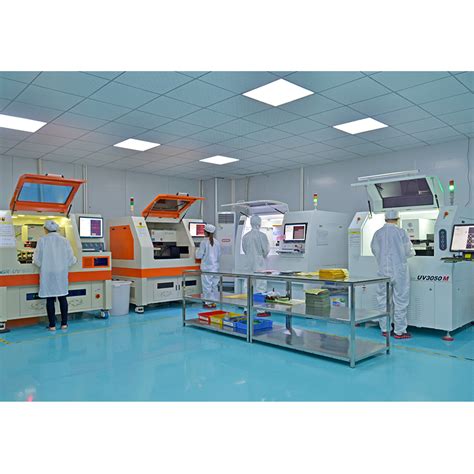
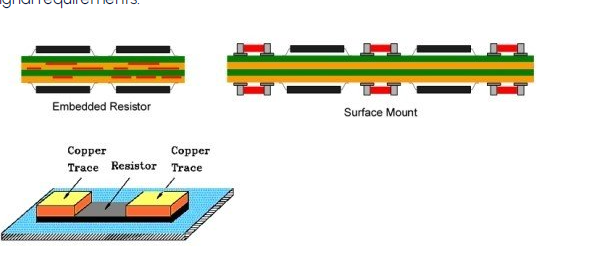
Incorporating advanced manufacturing techniques is paramount for achieving precision and reliability in custom flex PCBs. PCB manufacturing requires a deep understanding of both the materials and the processes involved. For example, employing laser direct imaging (LDI) can significantly enhance the accuracy of your designs, enabling finer details and more complex geometries that traditional methods may not achieve. Additionally, embedding components within the flexible layers themselves can streamline the overall design, reducing bulk and improving mechanical stability.
The choice of PCB manufacturing companies is another critical consideration. Partnering with a company that has a proven track record in flexible electronics can translate your designs into high-quality products more effectively. These companies often use state-of-the-art equipment such as automated optical inspection (AOI) systems to ensure every custom flex PCB meets stringent quality standards.
Addressing PCB manufacturing cost is also essential for maintaining project viability. While advanced techniques might raise initial costs due to sophisticated equipment and materials, they often result in long-term savings by reducing failures and rework. Utilizing technologies like roll-to-roll processing can lower costs by enabling high-speed production while maintaining flexibility and precision.
Finally, running a successful PCB manufacturing business for custom flex PCBs involves staying abreast of technological advancements and market trends. Continuous innovation ensures you can offer cutting-edge solutions to your clients, enhancing product performance across various applications—from industrial sensors to consumer electronics.
Troubleshooting Common Issues in Flex PCB Projects
When engaging in custom flex PCB design, encountering obstacles is inevitable, but understanding and addressing these issues can significantly improve your outcomes. One common problem is cracking or tearing during bending. This often results from inadequate material selection or improper design considerations. Ensure that you balance the mechanical properties of the substrate with the expected flex cycles to mitigate this issue. Another frequent challenge is signal integrity degradation due to improper trace layout and spacing. To tackle this, adhere to robust design rules and utilize appropriate simulation tools during the planning stages to maintain signal clarity.
Additionally, thermal management in flex PCBs is crucial to prevent overheating, which can damage components and reduce performance. Proper thermal vias and heat-sinking techniques should be implemented for effective heat dissipation. In the realm of pcb manufacturing, consistency in layer alignment is vital to avoid electrical shorts or open circuits. Collaborate closely with pcb manufacturing companies to ensure your designs are accurately translated into production.
Cost considerations also play a role in troubleshooting; minimizing wasted materials and optimizing panelization can substantially reduce the overall pcb manufacturing cost. Always select manufacturers who offer robust quality assurance processes to ensure high yields and reliable end products.
Below is a quick reference table summarizing common issues and proposed solutions:
| Common Issue | Potential Cause | Solution |
|---|---|---|
| Cracking/Tearing | Inadequate material selection | Balance mechanical properties with flex cycle requirements |
| Signal Integrity Degradation | Improper trace layout | Follow robust design rules, use simulation tools |
| Overheating | Poor thermal management | Implement thermal vias and heat-sinking techniques |
| Layer Misalignment | Manufacturing inconsistency | Work closely with reliable PCB manufacturing companies |
| High Manufacturing Cost | Inefficient material use | Optimize panelization, minimize waste |
By systematically addressing these potential pitfalls, you will enhance both the performance and reliability of your custom flex PCBs, ultimately making your pcb manufacturing business more efficient and successful.
Optimizing Flex PCBs for Industrial Applications
When optimizing flex PCBs for industrial applications, you must prioritize durability and performance to meet the rigorous demands of harsh environments. Start by collaborating with pcb manufacturing companies that understand the unique challenges this domain presents. The selection of high-quality materials, such as polyimide films and heat-resistant adhesives, is crucial to withstand extreme temperatures and mechanical stress.
Furthermore, meticulous design considerations like precise trace routing and robust component integration are pivotal. Incorporating these elements ensures reliability and minimizes failure rates, thereby controlling pcb manufacturing cost. For industrial sensors and machinery controls, ensuring long-term flexibility and signal integrity is essential.
In collaboration with your pcb manufacturing partners, emphasize extensive testing protocols during production to identify potential issues early. By doing so, you not only enhance the product’s reliability but also streamline the entire pcb manufacturing business, making it more efficient. Additionally, adopting industry-specific standards can offer a competitive edge by showcasing compliance with rigorous quality benchmarks.
Moreover, advanced techniques such as laser drilling for microvias may add functional versatility without compromising on performance. Whether you are developing machinery control circuits or environmental monitoring systems, these strategies will play a critical role in optimizing your custom flex PCB designs for industrial success.
Innovations in Consumer Electronics with Flex PCBs
Consumer electronics have seen substantial evolution due to the integration of custom flex PCBs. By embracing the flexibility and adaptability of these circuit boards, engineers and designers can create more compact, reliable, and high-performance devices. From the latest smartphones to wearable technology and smart home devices, the push for miniaturization has been met with innovative pcb manufacturing processes. This drive has led pcb manufacturing companies to invest heavily in advanced techniques that not only reduce pcb manufacturing cost but also enhance product versatility. Notably, innovations like printed antennas and integrated sensors showcase how flex PCBs contribute to sophisticated functionalities in small form factors. As you delve deeper into this realm, optimally designed custom flex PCBs become critical in pushing the boundaries of what’s possible in consumer electronics, ensuring that your products stand out in a competitive pcb manufacturing business landscape.
Future Trends and Developments in Flex PCB Technology
As we look ahead, the landscape of custom flex PCB technology is poised for remarkable evolution. Emerging trends in pcb manufacturing are steering towards more sustainable and cost-effective solutions. Innovations such as incorporating biodegradable materials and reducing the pcb manufacturing cost are already making headway, addressing the industry’s growing emphasis on environmental responsibility.
On the technological front, advancements in miniaturization and flexibility are enabling flex PCBs to pervade new frontiers, including wearable technology and advanced medical devices. Such innovations necessitate that pcb manufacturing companies continually evolve to meet these dynamic requirements. By implementing cutting-edge techniques like additive manufacturing and laser direct imaging, these companies are not only refining precision but also driving down expenses within the pcb manufacturing business.
Furthermore, as 5G technology becomes more ubiquitous, flex PCBs are expected to play a critical role in enhancing connectivity and performance across various devices. The integration of flexible antennas within PCBs is one such example of how future-ready designs are being shaped today. To remain competitive and innovative, you must stay abreast of these developments, ensuring that your design processes accommodate these advancements while optimizing performance and reliability across diverse applications.
Conclusion
As you venture into the realm of custom flex PCB design, understanding the intricacies of material selection, design strategies, and advanced manufacturing techniques becomes vital. By meticulously considering each aspect, from the pcb manufacturing process to optimizing for specific applications, you enhance the reliability and performance of your flexible printed circuit boards. Collaborating with experienced pcb manufacturing companies can significantly reduce potential issues and streamline production. Although the pcb manufacturing cost can vary, investing in high-quality materials and cutting-edge technology ensures your project stands out in both functionality and durability. Whether you are aiming to innovate in industrial sensors or consumer electronics, mastering these principles will solidify your position in the ever-evolving pcb manufacturing business. This guide has equipped you with valuable insights and practical advice, empowering you to elevate your flex PCB projects to new heights.
Frequently Asked Questions
1. What is a custom flex PCB?
A custom flex PCB is a printed circuit board that can bend or flex without breaking. These boards are specifically tailored to meet unique design and application requirements, ensuring they fit perfectly in various devices and applications.
2. How do I choose the right materials for a flex PCB?
Material selection is crucial in pcb manufacturing. Flexible materials like polyimide and certain plastics are often preferred due to their durability and flexibility. Your choice will depend on the specific needs of your project, such as temperature resistance, flexibility requirements, and electrical performance.
3. What factors affect the pcb manufacturing cost of a custom flex PCB?
Several factors influence pcb manufacturing cost, including the complexity of the design, the type of materials used, the number of layers, and production volume. Working with experienced pcb manufacturing companies can help you optimize costs without compromising quality.
4. Can custom flex PCBs be used in high-temperature environments?
Yes, custom flex PCBs can be designed to withstand high temperatures by using heat-resistant materials like polyimides or special adhesives that maintain their properties under extreme conditions.
5. How can I find reliable pcb manufacturing companies for my project?
Finding reliable partners in the pcb manufacturing business involves thorough research and vetting potential companies based on their experience, quality standards, certifications, and customer feedback. Online resources and industry referrals can be valuable in this process.
Ready to take your Flex PCB project to the next level?
For more information on how you can optimize your next project with top-tier PCB solutions, please click here.
This guide aims to provide clear answers to common questions about custom flex PCBs to help you navigate your projects successfully.