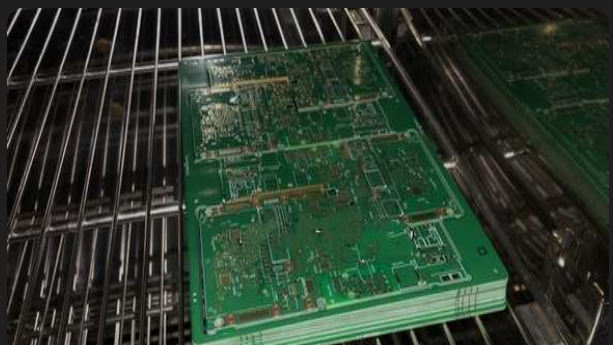
Custom flex pcb
Speed is an essential component of the rapid prototyping process.
A custom quick turn PCB flex prototype is a common prototype manufacturing technique,
and you can complete it in as little as one to three days. You will fabricate your PCBs and test them.
This ensures that they meet your expectations and conform to stringent specifications during this process.
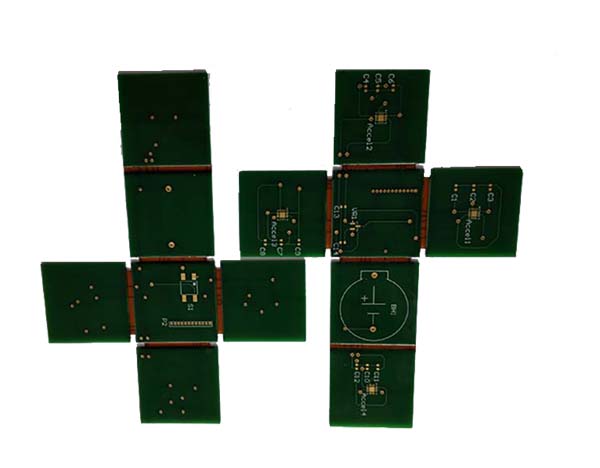
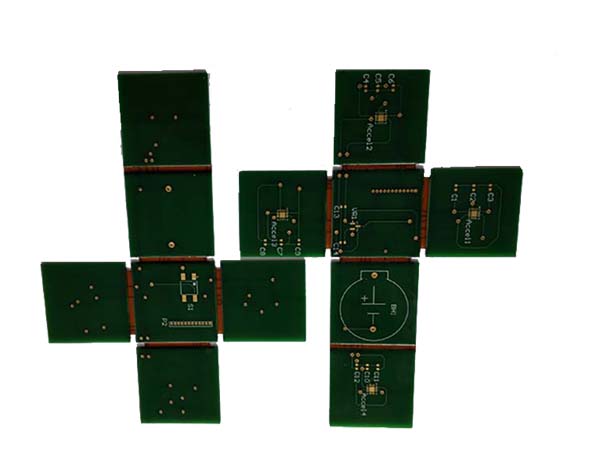
A custom flex PCB, or flexible printed circuit board, is a type of circuit board that is designed to be flexible and bendable.
It is made of a thin, flexible substrate material, such as polyimide,
that allows it to be bent and shaped to fit into tight spaces or conform to the shape of the device it is being used in.
Custom flex PCBs are used in a wide range of electronic applications, including wearable devices, medical devices, automotive electronics, and aerospace systems. They offer several advantages over traditional rigid PCBs, including:
1. Flexibility: Custom flex PCBs can be bent and shaped to fit into tight spaces or conform to the shape of the device they are being used in.
2. Lightweight: Flex PCBs are typically thinner and lighter than rigid PCBs, making them ideal for applications where weight is a concern.
3. Durability: Custom flex PCBs are more resistant to vibration and shock than rigid PCBs, making them ideal for use in harsh environments.
4. Cost-effective: Custom flex PCBs can be manufactured in large quantities at a lower cost than traditional rigid PCBs.
Overall, custom flex PCBs offer a versatile and cost-effective solution for a wide range of electronic applications.
custom flex pcb materials
Flex PCBs can be made from a variety of materials depending on the application and requirements. Some of the commonly used materials for custom flex PCBs include:
1. Polyimide (PI) – This is the most commonly used material for flex PCBs due to its high-temperature resistance, flexibility, and excellent electrical insulation properties.
2. Polyester (PET) – PET is a cost-effective material that is used for low-power applications. It has good flexibility and is resistant to moisture and chemicals.
3. Liquid Crystal Polymer (LCP) – LCP is a high-performance material that is used for high-speed and high-frequency applications. It has excellent electrical properties and is resistant to heat and chemicals.
4. Polyethylene Naphthalate (PEN) – PEN is a flexible material that is used for high-temperature applications. It has good electrical properties and is resistant to chemicals and moisture.
5. DuPont? Pyralux? – Pyralux is a flexible circuit material that is made up of a polyimide film and a copper foil. It is used for high-reliability applications and has excellent thermal stability and chemical resistance.
6. Rogers Corporation – Rogers Corporation offers a range of high-performance materials for flex PCBs, including their RO4000? series for high-frequency applications and their RO3000? series for high-speed digital applications.
7. Kapton? – Kapton is a polyimide film that is used for high-temperature applications.
It has excellent electrical insulation properties and is resistant to chemicals and radiation.
8. Teflon? – Teflon is a high-performance material that is used for high-frequency and high-speed applications. It has excellent electrical properties and is resistant to heat and chemicals.
Conclusion
The PCB prototyping industry is constantly evolving, and flexible plastic boards allow prototyping in a short period.
This is one reason companies are increasingly choosing to prototype using this method.
And if you need to prototype other parts, we will also use a quick turn or rigid panel.
Because we can use several technologies to make PCBs, giving anyone method an edge over the rest is impossible.