Custom PCB Prototypes: Low-Cost & Quick-Turn Manufacturing
Key Takeaways
When exploring PCB manufacturing solutions, understanding cost structures and service capabilities is critical. Leading PCB manufacturing companies now offer cost-efficient prototyping by leveraging advanced tooling and material optimization. For instance, PCB manufacturing cost can be reduced by 30–50% through automated design verification and bulk material sourcing.
A key advantage of modern PCB manufacturing business models is their ability to deliver prototypes within 24 hours without compromising precision. This is achieved through:
| Technology | Impact on Speed |
|---|---|
| 5-Axis Milling | ±0.001" Tolerance |
| Selective Laser Sintering (SLS) | Complex Layer Stacking |
| Automated DFM Checks | 90% Fewer Design Revisions |
"Speed-to-market hinges on integrating design-for-manufacturability principles early in prototyping," notes a senior engineer at a top-tier PCB firm.
You’ll also find that many providers now include 24/5 engineering support to address design bottlenecks, ensuring seamless OEM integration. For projects requiring ultra-low PCB manufacturing cost, consider modular designs that minimize material waste. Streamlined PCB production processes further enhance scalability, particularly for high-mix, low-volume orders.
By prioritizing partnerships with PCB manufacturing companies that offer transparent quoting and global logistics, you can accelerate development cycles while maintaining budget control.
Custom PCB Prototype Cost Advantages
When developing custom PCB prototypes, managing PCB manufacturing cost effectively ensures your project stays within budget without compromising quality. Leading PCB manufacturing companies leverage economies of scale and advanced fabrication techniques to reduce material waste and labor expenses. For example, consolidating multiple prototype orders into single production batches lowers per-unit costs—a strategy particularly valuable for startups and small-scale innovators.
Layer count, surface finishes, and board complexity directly influence pricing, but optimized designs and standardized material choices help mitigate these variables. By working with a PCB manufacturing business that specializes in low-volume production, you avoid the upfront tooling fees typical of mass manufacturing. This flexibility allows iterative testing of designs at a fraction of traditional expenses.
Transitioning to modern PCB manufacturing processes—such as automated panelization and precision etching—further trims costs while maintaining reliability. Many providers now integrate design-for-manufacturability (DFM) checks into quoting systems, flagging potential cost drivers early. This proactive approach ensures your prototype aligns with both technical requirements and budget constraints, creating a smoother path to scaled production.
24-Hour Rapid PCB Build Services
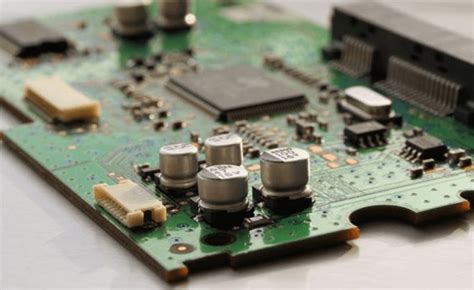
When time-to-market is critical, PCB manufacturing timelines can make or break your project’s success. Leading PCB manufacturing companies now offer 24-hour rapid build services, compressing traditional lead times from weeks to a single day without sacrificing quality. This accelerated process hinges on automated design validation, precision laser drilling, and real-time collaboration between your engineering team and production specialists.
By leveraging advanced PCB manufacturing cost optimization strategies—such as panelization for bulk orders and material substitution analysis—you reduce per-unit expenses even in urgent scenarios. High-speed 5-axis milling and selective laser sintering (SLS) ensure tight tolerances for complex designs, while streamlined logistics guarantee overnight shipping to most global destinations.
For startups and enterprises alike, fast-turn PCB manufacturing business models eliminate bottlenecks in prototyping. Instant quote platforms let you upload Gerber files, specify layer counts, and receive pricing within minutes, with 24/5 engineering support to address last-minute revisions. Whether testing a new IoT module or refining aerospace components, rapid builds enable iterative improvements that align with agile development cycles.
Transitioning to accelerated services doesn’t mean compromising on reliability. Tier-1 providers adhere to IPC-A-600 standards, ensuring your prototypes meet the same rigorous testing as full-scale production runs. This seamless integration of speed and precision redefines what’s possible in modern electronics development.
OEM Integration for PCB Manufacturing
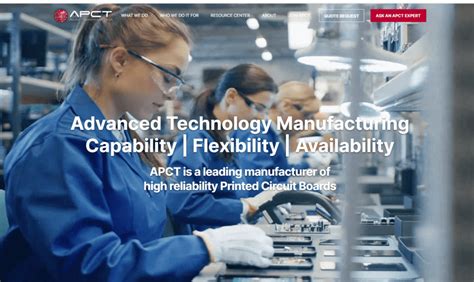
When streamlining production workflows, integrating with PCB manufacturing partners ensures seamless transitions from prototyping to full-scale production. Leading PCB manufacturing companies specialize in aligning their processes with your design specifications, minimizing compatibility gaps that often delay timelines. By leveraging their expertise in supply chain management and process automation, you reduce PCB manufacturing cost while maintaining quality benchmarks—critical for scaling operations efficiently.
Advanced OEM partnerships provide access to unified communication platforms, enabling real-time adjustments to material sourcing, layer counts, or surface finishes. This collaborative approach eliminates redundancies in tooling setups and accelerates validation cycles, particularly vital for high-mix, low-volume PCB manufacturing business models. You gain visibility into inventory tracking, compliance documentation, and testing protocols, ensuring every batch meets exacting standards before shipment.
Transitioning between prototyping and mass production becomes frictionless when your partner’s ERP systems sync with your order management software. Such integration optimizes resource allocation, slashing lead times even during demand spikes. For startups and established enterprises alike, this operational synergy transforms PCB manufacturing from a logistical challenge into a competitive advantage.
Advanced Milling and SLS Techniques
When partnering with PCB manufacturing companies, understanding their technical capabilities ensures your prototypes meet exact specifications. Advanced CNC milling enables precise removal of copper layers, creating intricate circuit patterns with tolerances as tight as ±0.002 inches. This method is ideal for high-frequency or high-power designs where accuracy directly impacts performance. For multilayer boards, selective laser sintering (SLS) complements traditional processes by fusing powdered substrates layer-by-layer, reducing material waste and accelerating turnaround times—critical factors in managing PCB manufacturing cost.
Modern PCB manufacturing workflows integrate these techniques to balance speed and precision. For instance, 5-axis milling systems can handle complex geometries in a single setup, minimizing manual adjustments and lowering labor expenses. Meanwhile, SLS supports rapid iteration of non-standard board shapes or embedded components, a growing demand in IoT and wearable tech sectors. By leveraging these technologies, PCB manufacturing businesses reduce prototyping cycles from weeks to days while maintaining compliance with international standards.
To optimize results, ensure your design files specify material preferences and tolerances upfront. Collaborating early with engineers helps align thermal management or signal integrity requirements with the chosen fabrication method. This proactive approach streamlines integration into broader production pipelines, reinforcing the value of technical expertise in PCB manufacturing.
Global PCB Support and Instant Quotes
When sourcing PCB manufacturing services, global accessibility and transparent pricing are critical. Leading PCB manufacturing companies now offer real-time quoting tools that let you calculate PCB manufacturing cost within seconds, eliminating delays in project planning. Whether you’re coordinating teams across continents or managing a localized PCB manufacturing business, platforms with 24/5 multilingual support ensure seamless communication—resolving design ambiguities or logistics challenges before they escalate.
Advanced quoting systems analyze your design files automatically, factoring in material choices, layer counts, and turnaround times. This precision minimizes budget overruns while aligning with your timeline. For startups or enterprises, instant quotes democratize access to high-quality prototypes, letting you compare options without lengthy negotiations. Additionally, global distribution networks mean faster shipping to your facility, whether you’re testing designs in Silicon Valley or scaling production in Shenzhen.
By integrating these tools, you streamline vendor selection and reduce administrative overhead—key for optimizing PCB manufacturing cost in competitive markets. Transparent pricing models also help avoid hidden fees, a common pain point in the PCB manufacturing business. This approach not only accelerates time-to-market but ensures you retain control over both quality and scalability.
Optimizing PCB Prototypes Under 2
When refining prototypes for efficiency, balancing PCB manufacturing cost and turnaround time requires strategic planning. Start by evaluating design complexity—simplifying layouts, reducing layer counts, or opting for standard materials like FR-4 can lower expenses without sacrificing functionality. Collaborating with PCB manufacturing companies that specialize in low-volume production ensures access to economies of scale, even for prototypes. For instance, leveraging advanced panelization techniques allows multiple designs to be fabricated simultaneously, minimizing material waste.
To stay under budget thresholds, prioritize PCB manufacturing business partners offering modular tooling or shared engineering resources. These providers often use adaptive processes like automated DFM (Design for Manufacturability) checks to preemptively flag costly revisions. If your design includes non-standard components, consider substituting with readily available equivalents during prototyping to avoid delays. Additionally, real-time quoting tools from modern PCB manufacturing services let you adjust parameters like board thickness or finish type to instantly compare cost impacts.
By aligning design choices with scalable production methods early, you create a seamless path from prototype to full-scale manufacturing—a critical advantage when partnering with OEMs. This approach not only accelerates iterations but also ensures your project remains viable within tighter financial constraints.
5-Axis Milling for Precision PCB Designs
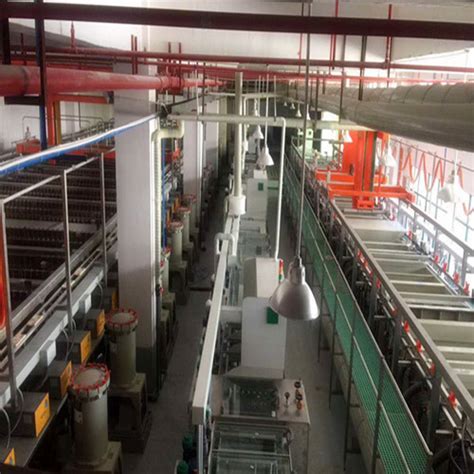
When refining complex PCB layouts, 5-axis milling unlocks unparalleled precision for prototyping and production. Unlike traditional 3-axis systems, this advanced machining method rotates tools across five axes, enabling tighter tolerances for intricate geometries like micro-vias and high-density interconnects. For PCB manufacturing companies, this translates to reduced material waste and faster iteration cycles—critical factors in controlling PCB manufacturing cost while maintaining quality.
The flexibility of 5-axis systems allows you to create angled cuts, undercuts, and non-planar surfaces in a single setup, ideal for advanced applications such as RF circuits or aerospace-grade boards. By minimizing manual repositioning, PCB manufacturing timelines shrink by up to 40%, ensuring prototypes align with strict design validations before full-scale production. Leading PCB manufacturing business operations leverage this technology to handle ultra-thin substrates or hybrid materials without compromising structural integrity.
For projects demanding submillimeter accuracy—such as medical devices or IoT sensors—5-axis milling bridges the gap between digital designs and physical boards. Partnering with providers offering this capability ensures your prototypes meet exact specifications, streamlining integration into larger OEM workflows. Combined with automated toolpath optimization, it’s a strategic solution for balancing precision, speed, and PCB manufacturing cost in competitive markets.
24/5 Engineering Assistance for PCBs
When integrating custom prototypes into your product development cycle, access to round-the-clock technical expertise becomes critical. Leading PCB manufacturing companies now offer 24/5 engineering assistance, ensuring you receive immediate support during critical phases—whether refining design files, troubleshooting fabrication issues, or validating material choices. This service model bridges time zones and accelerates iterations, particularly when working with PCB manufacturing partners across global supply chains.
By leveraging 24/5 engineering assistance, you mitigate risks linked to design-for-manufacturability (DFM) errors, which often escalate PCB manufacturing cost due to delayed timelines. Engineers analyze your Gerber files in real time, flagging potential conflicts in layer alignment, trace spacing, or thermal management before prototypes enter production. For startups navigating the PCB manufacturing business, this proactive guidance reduces costly trial-and-error cycles, ensuring compliance with IPC standards and OEM integration requirements.
The flexibility extends beyond troubleshooting: teams collaborate on optimizing panelization layouts for multi-project batches or advising on cost-effective substrate alternatives. Whether you’re scaling prototypes to mass production or refining high-frequency designs, immediate access to engineering insights ensures your project stays aligned with both technical specifications and budget constraints.
Conclusion
When finalizing your custom prototype requirements, partnering with the right PCB manufacturing partner ensures you balance speed, precision, and PCB manufacturing cost effectively. Leading PCB manufacturing companies leverage advanced techniques like 5-axis milling and SLS to deliver prototypes that align with rigorous OEM specifications while maintaining rapid turnaround times. By optimizing design choices early—such as material selection and layer count—you can further reduce expenses without compromising quality.
Global support networks now enable instant quotes and 24/5 engineering guidance, allowing you to address design challenges in real time. This level of responsiveness is critical for scaling your PCB manufacturing business, especially when integrating prototypes into full-scale production. Whether you prioritize budget-friendly options or ultra-fast builds, modern solutions ensure your project stays on track. Ultimately, aligning with a partner that prioritizes both innovation and cost-efficiency positions your development cycle for success in competitive markets.
Frequently Asked Questions
How do PCB manufacturing companies balance speed and quality in prototype development?
Leading providers use automated workflows and real-time monitoring systems to maintain precision while delivering 24-hour turnaround times. Advanced PCB manufacturing processes like 5-axis milling ensure tolerances under 2µm, even for complex designs.
What factors influence PCB manufacturing cost for custom prototypes?
Material selection, layer count, and surface finishes directly impact pricing. Many firms offer instant quote tools to estimate expenses based on your design files, helping you optimize specifications before production.
Can PCB manufacturing business models support small-batch OEM integration?
Yes. Modern providers combine flexible tooling solutions with scalable SLS techniques, allowing seamless transitions from prototypes to mid-volume runs. Look for partners offering design-for-manufacturing (DFM) reviews to avoid costly revisions.
How do global PCB manufacturing services handle logistics and timelines?
Dedicated regional hubs and consolidated shipping options minimize delays. Many companies provide 24/5 engineering support to troubleshoot issues across time zones, ensuring alignment with your project milestones.
Ready to Start Your Project?
Explore Our PCB Solutions – Click here for instant quotes and expert guidance tailored to your requirements.