DBC PCBs: A Comprehensive Guide to Design, Benefits, and Applications
Introduction
In the realm of power electronics, efficient thermal management and reliable electrical performance are paramount. Direct Bonded Copper (DBC) PCBs have emerged as a leading solution for high-power applications, offering exceptional thermal conductivity, electrical insulation, and mechanical stability. DBC technology involves bonding a layer of copper directly to a ceramic substrate, creating a robust platform for power electronic circuits. This article provides a comprehensive overview of DBC PCBs, including their structure, design considerations, advantages, and applications.
What is a DBC PCB?
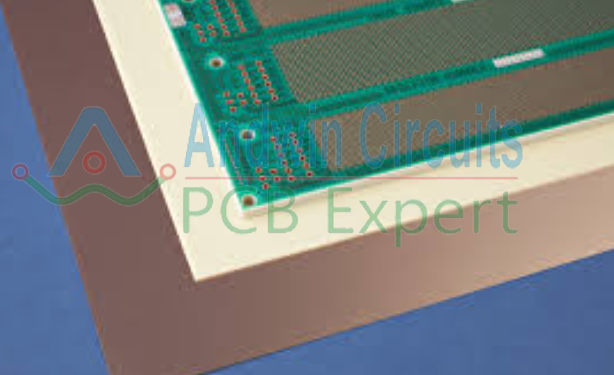
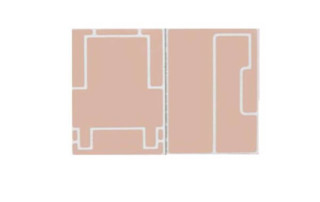
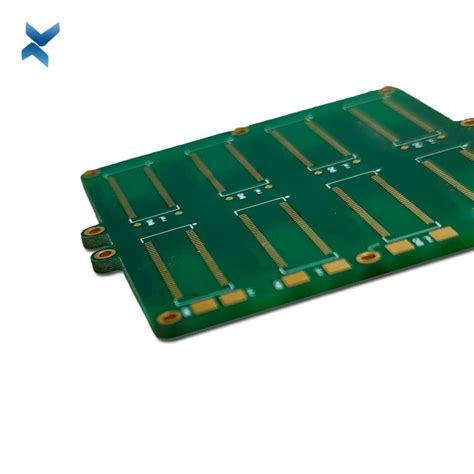
A DBC PCB is a specialized type of printed circuit board that uses a ceramic substrate with copper layers bonded directly to its surfaces. The ceramic substrate, typically made of materials such as aluminum oxide (Al2O3) or aluminum nitride (AlN), provides excellent electrical insulation and thermal conductivity. The copper layers are bonded to the ceramic using a high-temperature process, resulting in a strong and durable structure.
The typical structure of a DBC PCB consists of the following layers:
- Top Copper Layer: The outermost layer, used for component placement and circuit routing.
- Ceramic Substrate: The middle layer, providing electrical insulation and thermal conductivity.
- Bottom Copper Layer: The outermost layer, often used as a heat sink or for additional circuit routing.
DBC PCBs are widely used in applications requiring high power density, efficient heat dissipation, and reliable electrical performance.
Design Considerations for DBC PCBs
Designing a DBC PCB requires careful attention to thermal, electrical, and mechanical factors. Below are some key considerations:
- Ceramic Material Selection
The choice of ceramic material significantly impacts the performance of the DBC PCB. Aluminum oxide (Al2O3) is commonly used due to its cost-effectiveness and good thermal conductivity (24-28 W/m·K). Aluminum nitride (AlN) offers even higher thermal conductivity (150-180 W/m·K) but is more expensive. - Copper Thickness
The thickness of the copper layers affects the thermal and electrical performance of the DBC PCB. Thicker copper layers provide better heat dissipation and current-carrying capacity but increase the overall weight and cost. - Thermal Management
Efficient heat dissipation is critical in high-power applications. Designers must ensure that the ceramic substrate and copper layers are adequately sized to handle the thermal load. Thermal vias and heat sinks can be used to enhance heat transfer. - Component Placement
High-power components should be placed directly above the ceramic substrate to maximize heat dissipation. Low-power components can be placed in areas with less thermal demand. - Trace Routing
Traces should be routed to minimize thermal resistance and ensure efficient heat transfer. Wide traces and thermal relief patterns can help distribute heat evenly across the PCB. - Mechanical Stability
The ceramic substrate adds significant rigidity to the PCB. Designers must ensure that the board can withstand mechanical stress, vibration, and thermal cycling. - Manufacturing Constraints
DBC PCBs require specialized manufacturing processes, such as high-temperature bonding and precision etching. Designers must consider manufacturing tolerances, such as minimum trace width, spacing, and via size.
Advantages of DBC PCBs
DBC PCBs offer several advantages over traditional FR-4 PCBs and other metal core PCBs, making them suitable for high-power applications. Some of the key benefits include:
- Superior Thermal Conductivity
The ceramic substrate provides excellent thermal conductivity, efficiently dissipating heat generated by high-power components. - Electrical Insulation
The ceramic substrate offers high electrical insulation, preventing short circuits and ensuring reliable performance. - High Power Density
DBC PCBs can handle high currents and voltages, making them ideal for power electronics applications. - Mechanical Durability
The ceramic substrate provides additional mechanical strength, making the PCB more resistant to bending, vibration, and thermal stress. - Compact Design
The high thermal conductivity of the ceramic substrate allows for more compact designs, as external heat sinks and cooling systems can be minimized or eliminated. - Reliability
DBC PCBs offer excellent reliability in harsh environments, making them suitable for automotive, aerospace, and industrial applications.
Applications of DBC PCBs
DBC PCBs are used in a wide range of high-power applications across various industries. Some of the most common applications include:
- Power Electronics
DBC PCBs are widely used in power converters, inverters, and motor drives, where efficient thermal management and high power density are critical. - LED Lighting
High-power LEDs generate significant amounts of heat, which can degrade performance and reduce lifespan. DBC PCBs are used in LED modules and fixtures to provide efficient heat dissipation and ensure consistent light output. - Automotive Electronics
Automotive systems, such as engine control units (ECUs), battery management systems (BMS), and electric vehicle (EV) power modules, rely on DBC PCBs for reliable performance in harsh environments. - Renewable Energy Systems
Solar inverters and wind turbine controllers use DBC PCBs to manage heat generated by high-power components. - Industrial Equipment
Industrial automation systems, such as motor drives and power supplies, use DBC PCBs to ensure reliable operation under demanding conditions. - Aerospace and Defense
Avionics, radar systems, and satellite communication equipment use DBC PCBs for their thermal performance and durability in extreme environments.
Design Workflow for DBC PCBs
The process of designing a DBC PCB involves several steps, each critical to ensuring a successful outcome. Below is an overview of the typical workflow:
- Schematic Design
The process begins with creating a schematic diagram using electronic design automation (EDA) software. Components are placed and connected using wires and nets, defining the electrical connections of the circuit. - Component Placement
Components are placed on the PCB layout, with high-power components positioned directly above the ceramic substrate for optimal heat dissipation. - Layer Stack-Up Definition
The layer stack-up is defined, specifying the thickness and material of the top copper layer, ceramic substrate, and bottom copper layer. - Routing and Optimization
Traces are routed on the top copper layer, with wide traces and thermal relief patterns used to enhance heat transfer. Thermal vias are added to connect the top copper layer to the bottom copper layer. - Design Rule Check (DRC)
The design is checked against manufacturing and electrical rules to ensure compliance and identify potential issues. - Thermal Simulation
Thermal simulation tools are used to analyze heat distribution and identify hotspots. This helps optimize the design for efficient heat dissipation. - Gerber File Generation
Once the design is finalized, Gerber files are generated and sent to the PCB manufacturer for fabrication. - Testing and Validation
The fabricated DBC PCB is tested to ensure it meets the required performance and reliability standards.
Future Trends in DBC PCBs
As technology continues to evolve, several trends are shaping the future of DBC PCBs:
- Higher Power Density
The demand for higher power density in electronic devices will drive the need for more efficient thermal management solutions, such as DBC PCBs. - Advanced Ceramic Materials
The development of advanced ceramic materials with higher thermal conductivity and lower cost will further enhance the performance of DBC PCBs. - Integration with Advanced Technologies
DBC PCBs will play a key role in enabling emerging technologies such as electric vehicles, 5G networks, and renewable energy systems. - Sustainability
The electronics industry is increasingly focusing on sustainable practices, including the use of eco-friendly materials and energy-efficient designs for DBC PCBs.
Conclusion
DBC PCBs have become an essential component of modern power electronics, offering superior thermal performance, reliability, and design flexibility. Their ability to efficiently dissipate heat and handle high power densities makes them ideal for applications such as LED lighting, power electronics, and automotive systems. As the demand for higher performance and compact designs continues to grow, DBC PCBs will remain at the forefront of innovation, enabling new possibilities and driving the development of next-generation electronic devices. By understanding the design considerations, advantages, and applications of DBC PCBs, engineers can leverage this technology to create reliable and high-performance solutions for the challenges of tomorrow.