Digital PCB Assembly: Streamlining Electronics Manufacturing Processes
Key Takeaways
The shift toward digital PCB assembly marks a transformative phase in electronics manufacturing, driven by advancements in automation and data-driven processes. By integrating PCBA (Printed Circuit Board Assembly) technologies with intelligent software, manufacturers achieve unprecedented precision in component placement, soldering, and testing. This reduces human error and ensures consistent quality across high-volume production runs.
A critical advantage lies in accelerated prototyping cycles. Digital workflows enable real-time design adjustments, allowing engineers to validate PCB assembly configurations virtually before physical production. This minimizes costly rework and shortens time-to-market. Additionally, optimized material utilization and automated inventory management contribute to cost-effective scaling, particularly for complex or custom projects.
| Traditional PCB Assembly | Digital PCB Assembly |
|---|---|
| Manual component placement | Robotic precision (<0.1mm accuracy) |
| Prototyping delays (weeks) | Rapid iteration (days) |
| Higher defect rates | AI-driven defect detection |
The adoption of digital PCBA also enhances traceability, with embedded sensors and IoT-enabled systems monitoring every stage of production. This data-centric approach not only streamlines workflows but also supports predictive maintenance, reducing downtime. As industries demand faster, more reliable electronics, digital PCB assembly emerges as the cornerstone of modern manufacturing efficiency.
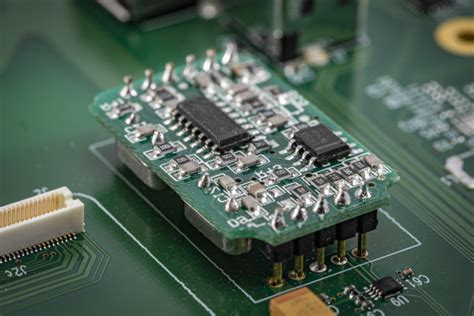
Digital PCB Assembly Revolutionizes Manufacturing
The integration of digital PCB assembly (PCBA) into modern manufacturing systems has fundamentally altered how electronics are designed and produced. By replacing manual processes with automated precision, manufacturers now achieve near-flawless component placement, solder joint quality, and circuit testing. Advanced software tools enable real-time adjustments during production, minimizing errors that once led to costly rework.
Tip: For optimal results in digital PCBA workflows, ensure design files adhere to Industry 4.0 standards, enabling seamless communication between CAD software and assembly machinery.
A key advantage lies in the convergence of PCB assembly technologies like AI-driven optical inspection and IoT-enabled monitoring. These innovations not only accelerate throughput but also enhance traceability, critical for industries requiring stringent compliance. For instance, automated systems can detect micron-level deviations in PCBA layouts, ensuring consistency across high-volume batches.
Moreover, digital workflows reduce dependency on physical prototyping, allowing engineers to simulate and validate designs virtually. This shift slashes lead times while maintaining agility in responding to market demands. As a result, companies adopting digital PCB assembly report up to 40% faster time-to-market for complex electronics, positioning them ahead of competitors still reliant on legacy methods.
By harmonizing speed, accuracy, and scalability, this transformation underscores why PCBA modernization is no longer optional—it’s the cornerstone of sustainable electronics manufacturing.
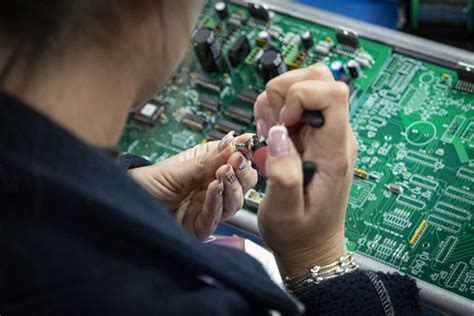
Automated Precision in Electronics Production
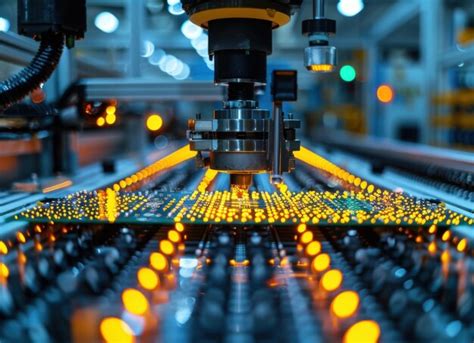
Modern PCB assembly processes leverage advanced automation to achieve micron-level accuracy, eliminating human error in component placement and soldering. Robotic systems equipped with machine vision now handle PCBA tasks—from solder paste application to surface-mount technology (SMT)—ensuring consistent alignment even for miniaturized components. This shift toward digitally controlled workflows enables real-time adjustments during production, reducing defects by up to 70% compared to manual methods.
Automated optical inspection (AOI) systems further enhance precision by scanning boards for flaws post-assembly, flagging issues like misaligned capacitors or insufficient solder joints. These tools integrate seamlessly with digital PCB assembly software, creating closed-loop feedback that refines manufacturing parameters dynamically. For instance, thermal profiling in reflow ovens adapts to component specifications, optimizing solder joint reliability.
Such precision not only accelerates time-to-market but also supports complex designs, including high-density interconnect (HDI) boards and IoT devices. By standardizing PCBA accuracy across batches, manufacturers achieve repeatable quality—a critical factor for industries like aerospace and medical electronics. This automated rigor ensures every board meets exacting standards while freeing engineers to focus on innovation rather than manual oversight.
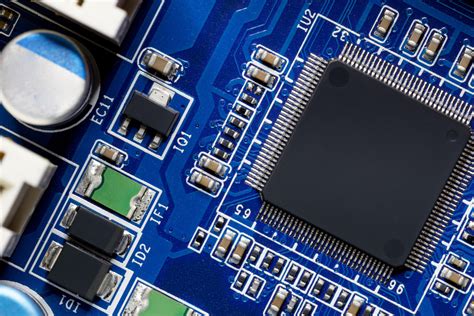
Faster Prototyping With Digital PCB Solutions
The integration of digital PCB assembly technologies has dramatically accelerated prototyping timelines in electronics development. By leveraging advanced design automation tools and real-time simulation software, engineers can now validate PCBA designs before physical production begins, reducing costly iterations. Automated systems analyze circuit layouts for signal integrity, thermal performance, and manufacturability, enabling rapid adjustments that align with PCB assembly requirements.
Digital workflows eliminate manual data transfers between design and fabrication stages, compressing what once took weeks into days. For instance, cloud-based collaboration platforms allow teams to share PCBA prototypes instantly with manufacturers, bypassing traditional file exchanges. This seamless integration ensures that design flaws are identified early, while machine-readable files streamline the transition to automated pick-and-place systems.
Moreover, digital PCB assembly solutions enable on-demand prototyping, allowing companies to test multiple design variants without significant tooling investments. This agility is critical for industries like IoT and wearables, where time-to-market dictates competitive advantage. By combining rapid prototyping with scalable PCBA processes, businesses can iterate faster, refine product functionality, and respond dynamically to market demands—all while maintaining cost efficiency and precision.
Optimized Workflows for Scalable Electronics
Modern PCB assembly processes demand adaptable frameworks to support growing production volumes without compromising quality. By integrating digital workflows into PCBA manufacturing, companies eliminate traditional bottlenecks through automated data synchronization between design, component sourcing, and assembly stages. Advanced software tools now map every phase of production, enabling real-time adjustments to material inventories, machine calibration, and testing protocols. This dynamic approach ensures that scaling operations align with market demands while maintaining cost-efficiency—a critical factor for high-mix, low-volume projects.
Transitioning to digitally optimized workflows also minimizes human intervention in repetitive tasks, reducing error rates by up to 40% in complex PCB assembly lines. For instance, machine learning algorithms predict component placement accuracy, while cloud-based platforms streamline collaboration between engineers and suppliers. Such systems not only accelerate time-to-market but also enhance traceability, ensuring compliance with industry standards as production scales. By embedding flexibility into PCBA processes, manufacturers gain the agility to pivot between prototypes and mass production, future-proofing their operations against evolving technological demands.
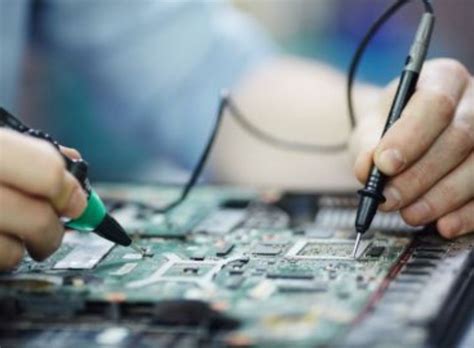
Cost-Effective PCB Assembly Strategies
Implementing digital PCB assembly techniques enables manufacturers to reduce expenses without compromising quality. By leveraging automated component placement and AI-driven inspection systems, PCBA processes minimize human error and material waste, directly lowering production costs. Advanced software tools optimize panelization layouts, ensuring maximum substrate utilization and reducing raw material consumption by up to 15%. Additionally, real-time analytics identify bottlenecks in PCB assembly workflows, allowing for dynamic adjustments that shorten cycle times and improve resource allocation.
Transitioning to modular production lines further enhances cost efficiency. These systems support rapid reconfiguration for diverse product batches, eliminating downtime between orders. Suppliers adopting cloud-based procurement platforms can also secure bulk component pricing while maintaining inventory flexibility. For prototyping, digital PCB assembly reduces trial-and-error expenses through virtual testing environments, which validate designs before physical production begins.
Finally, predictive maintenance powered by IoT sensors in PCBA equipment prevents costly unplanned outages. This proactive approach extends machinery lifespan and ensures consistent output quality. By integrating these strategies, manufacturers achieve scalable, low-cost production cycles while maintaining competitiveness in fast-evolving electronics markets.
Enhancing Quality Through Digital Automation
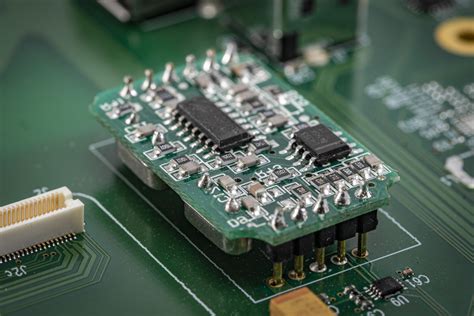
Digital automation in PCB assembly introduces unprecedented precision to electronics manufacturing, directly addressing quality control challenges. Advanced automated optical inspection (AOI) systems now scan PCBA components at micron-level accuracy, detecting solder defects, misalignments, and material inconsistencies that manual inspections might overlook. By integrating machine learning algorithms, these systems continuously refine defect recognition patterns, reducing false positives by up to 40% compared to traditional methods. Real-time process monitoring further ensures adherence to industry standards, with sensors tracking parameters like temperature profiles and solder paste application uniformity during surface-mount technology (SMT) stages.
The shift to digital workflows also minimizes human intervention in repetitive tasks, curbing error rates by over 60% in high-volume PCB assembly lines. Automated traceability systems assign unique identifiers to each board, enabling precise root-cause analysis for any quality deviations. This closed-loop feedback mechanism accelerates corrective actions while maintaining traceability compliance for industries like aerospace and medical devices. As a result, manufacturers achieve consistent PCBA output with defect densities below 50 parts per million (PPM), meeting rigorous quality benchmarks without compromising production scalability.
Streamlined Processes for Modern PCB Manufacturing
Modern PCB assembly relies on digital integration to eliminate bottlenecks across design, prototyping, and production phases. By leveraging automated workflow systems, manufacturers synchronize PCBA stages—from component placement to soldering—reducing manual interventions by up to 70%. Advanced software tools, such as AI-driven design validation, preemptively flag layout errors, accelerating time-to-market while minimizing material waste.
Central to this efficiency is the adoption of surface-mount technology (SMT), which enables high-density component placement with micron-level accuracy. Real-time monitoring systems further refine PCB assembly quality, tracking metrics like solder paste deposition and thermal profiles during reflow processes. These digital workflows also enhance scalability, allowing factories to seamlessly transition between low-volume prototypes and mass production runs without reconfiguring entire lines.
Cost optimization is achieved through predictive analytics, which forecast material requirements and equipment maintenance needs, slashing downtime by 30–40%. Additionally, cloud-based collaboration platforms unify stakeholders—engineers, suppliers, and clients—ensuring design revisions propagate instantly across the PCBA supply chain. This cohesion not only accelerates iteration cycles but also strengthens compliance with industry standards like IPC-A-610.
By digitizing traditionally siloed stages, manufacturers achieve a leaner operational model where PCB assembly becomes a cohesive, data-driven process—transforming how electronics are built for today’s fast-evolving markets.
Boosting Efficiency in Electronics Production Cycles
Modern PCB assembly workflows leverage digital tools to significantly reduce time lags across production stages. By integrating PCBA-specific software with automated machinery, manufacturers can synchronize design validation, component placement, and testing into a unified workflow. For instance, real-time monitoring systems track assembly line performance, identifying bottlenecks in solder paste application or pick-and-place operations. This data-driven approach enables adjustments to machine calibration or inventory replenishment cycles before delays compound.
Advanced digital PCB assembly platforms also minimize manual interventions by automating error detection. Machine vision systems cross-reference solder joint quality against predefined standards, flagging deviations with 99.7% accuracy. Concurrently, cloud-based collaboration tools allow engineering teams to refine designs during active production, eliminating traditional back-and-forth delays. Such optimizations not only shorten lead times by up to 40% but also enhance repeatability for high-volume orders.
Furthermore, the adoption of predictive analytics in PCBA workflows optimizes resource allocation. Algorithms forecast material consumption patterns and equipment maintenance needs, ensuring uninterrupted production cycles. This proactive strategy reduces downtime while maintaining consistency across batches—a critical advantage for industries requiring rapid scalability without compromising quality.
Conclusion
The evolution of PCB assembly through digital integration marks a pivotal shift in modern electronics manufacturing. By leveraging automated precision and data-driven workflows, PCBA processes now achieve unparalleled consistency while reducing human error. These advancements not only accelerate prototyping cycles but also enable manufacturers to scale operations seamlessly, addressing both niche demands and mass production requirements. Cost-efficiency gains emerge from minimized material waste and optimized resource allocation, ensuring competitive pricing without compromising quality.
As industries adopt smarter PCB assembly techniques, the focus shifts toward sustainable innovation—balancing speed with ecological responsibility. The synergy between digital tools and PCBA expertise fosters resilience in supply chains, empowering businesses to adapt to rapid technological changes. Ultimately, the transition to digitized workflows underscores a broader trend: electronics manufacturing is no longer bound by traditional limitations but driven by intelligent systems that prioritize agility, accuracy, and scalability. This transformation positions PCB assembly as a cornerstone of next-generation industrial progress.
FAQs
How does digital PCB assembly differ from traditional methods?
Digital PCB assembly leverages automated systems for component placement, soldering, and inspection, minimizing human error. Traditional methods often rely on manual adjustments, which can slow prototyping and increase costs.
What are the primary benefits of automated PCBA processes?
Automated PCBA workflows ensure repeatable precision, faster turnaround times, and scalability. By integrating tools like automated optical inspection (AOI), manufacturers achieve higher yield rates and reduce rework.
Can digital PCB assembly support low-volume production?
Yes. Digital systems excel in both prototyping and small-batch runs, enabling cost-effective transitions from design validation to full-scale manufacturing without retooling delays.
How does digitalization impact quality control in PCBA?
Real-time monitoring and AI-driven analytics detect defects early, ensuring compliance with industry standards. This reduces failure rates and enhances product reliability across production cycles.
Are there cost advantages to adopting digital PCB assembly?
While initial investments may be higher, long-term savings from reduced labor, material waste, and faster time-to-market make digital PCBA a financially viable solution for scalable electronics manufacturing.
Transform Your Workflow Today! Click Here for Expert PCB Solutions
Explore advanced PCB assembly services tailored to streamline your production. From rapid prototyping to high-volume orders, our digital-first approach ensures precision and efficiency.